Unpacking March 2026 Holidays in the UK: Your Definitive Guide for Planning
Planning a trip to the United Kingdom, or simply trying to organize your calendar for March 2026? You’ve landed in the right place. Many people assume there’s always a public holiday around the corner, but when it comes to March in the UK, things are a little less straightforward. If you’re hoping for an official day off work or school, you might be surprised by what you find – or rather, what you don’t find.

As an American looking at UK holidays, it’s easy to get confused. Their system of ‘Bank Holidays’ isn’t quite the same as our ‘Federal Holidays.’ Plus, the UK comprises four distinct nations – England, Scotland, Wales, and Northern Ireland – each with its own quirks when it comes to days off and celebrations. My goal here is to cut through the noise, clarify these distinctions, and provide you with a crystal-clear understanding of what March 2026 holds across the pond.

The Short Answer: No UK Bank Holidays in March 2026 (Mostly!)
Let’s get straight to the point, because I know that’s what you’re really here for: For the vast majority of the United Kingdom, there are no official bank holidays scheduled for March 2026.
This means if you’re in England, Wales, or Scotland, you shouldn’t expect any nationwide closures of banks, government offices, or most businesses due to a public holiday during this month. School calendars generally remain unaffected by national holidays during March in these regions.
England, Wales, and Scotland: What You Need to Know
In England, Wales, and Scotland, March 2026 will proceed as a standard working month. This might seem a bit unusual if you’re used to regular federal holidays in the US. Bank holidays in these regions tend to cluster around specific times of the year, often linked to Christian festivals (like Easter and Christmas) or traditional seasonal breaks (like the May Bank Holidays).
So, if you’re visiting or living in these areas, your daily routines, travel plans, and business operations are unlikely to be impacted by a national day off in March.
Northern Ireland: A Key Exception to Note
Ah, but the UK loves its regional variations, doesn’t it? While England, Wales, and Scotland carry on as usual, Northern Ireland celebrates St. Patrick’s Day as a bank holiday on March 17th, 2026.
This is a significant detail, especially if your plans involve Northern Ireland. On this day, you can expect banks, schools, and many businesses to be closed. Public transport may operate on a reduced schedule, and cities like Belfast will likely see parades and festivities. If you’re in Northern Ireland on March 17th, it’s a fantastic cultural experience, but be sure to plan accordingly for closures and crowds.
Understanding the UK’s Holiday Landscape: Bank Holidays vs. Observances
For US visitors or anyone trying to grasp the UK calendar, differentiating between a ‘bank holiday’ and a ‘celebration’ or ‘observance’ is crucial. We tend to use ‘holiday’ broadly, but in the UK, a ‘bank holiday’ specifically denotes an official public holiday where banks and many other businesses close. Other days, while culturally significant, are generally not days off.
| Holiday Type | Description | Typically a Day Off? |
|---|---|---|
| Bank Holiday | Official public holiday, designated by law. Most banks, government offices, and many businesses close. Schools also close. | Yes (for most workers/students) |
| Public Holiday | Often used interchangeably with ‘Bank Holiday,’ but sometimes refers to specific regional holidays not universally observed (like St. Patrick’s Day in NI). | Usually, depending on region |
| Observance / Celebration | Culturally, religiously, or historically significant days. These are widely recognized but are NOT official days off work or school. | No |
| School Holiday | Term breaks set by local education authorities or individual schools. These can vary significantly by region and even by school, and are separate from bank holidays. | Yes (for students/teachers) |
March 2026 Observances and Celebrations Across the UK
While March 2026 largely lacks bank holidays, it’s certainly not devoid of significant dates! The month is packed with cultural, religious, and national observances that are worth knowing about, especially if you’re experiencing the UK for the first time.
National & Cultural Observances
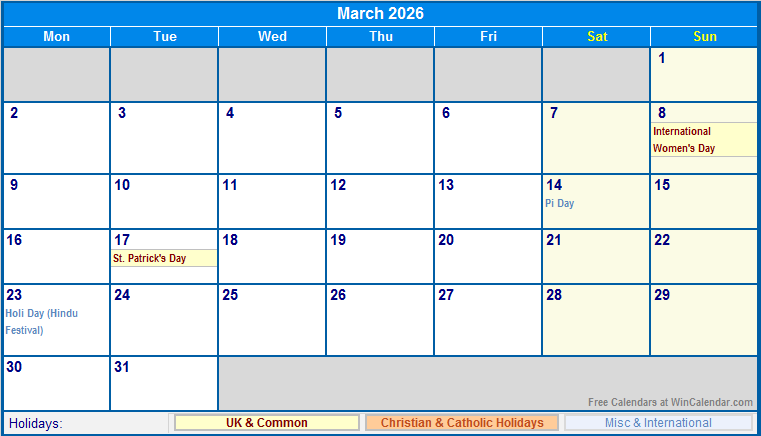
- Saint David’s Day (March 1st, 2026): This is the national day of Wales, commemorating the patron saint of Wales. While not a bank holiday, it’s a day of significant cultural celebration within Wales, with parades, concerts, and people wearing daffodils or leeks. You’ll see Welsh flags flown proudly.
- Commonwealth Day (March 9th, 2026): Observed across the Commonwealth nations, this day celebrates the unity and diversity of the Commonwealth family. It’s marked by events, ceremonies, and often a multi-faith service at Westminster Abbey, but it is not a public holiday.
- Mother’s Day / Mothering Sunday (March 15th, 2026): Crucially, the UK’s Mother’s Day is NOT the same as the American one! It falls on the fourth Sunday of Lent. Expect restaurants to be busier than usual, and flower shops to be in high demand. It’s a day for celebrating mothers and maternal figures, often with gifts and family meals.
- St. Patrick’s Day (March 17th, 2026): As mentioned, this is a bank holiday in Northern Ireland. Across the rest of the UK, especially in cities with large Irish populations (like London, Birmingham, Liverpool, Glasgow), it’s a day of vibrant celebration with parades, green attire, and festivities in pubs, but it’s not a day off work.
- March Equinox (March 20th, 2026): This astronomical event marks the beginning of spring in the Northern Hemisphere. While not a holiday, it’s a significant marker in the seasonal calendar, often associated with longer days and warmer weather to come.
- Daylight Saving Time Begins (March 29th, 2026): On the last Sunday of March, clocks in the UK (and much of Europe) ‘spring forward’ by one hour. This marks the start of British Summer Time (BST). This will affect your internal clock if you’re traveling, and means shorter nights but lighter evenings.
Religious Observances (Leading up to Easter)
March 2026 also falls squarely within the Christian season of Lent, which leads up to Easter (which is in early April 2026).

- Ash Wednesday (February 18th, 2026): While technically in February, Ash Wednesday marks the beginning of Lent, a 40-day period of fasting and prayer for many Christians, culminating in Easter.
- Palm Sunday (March 29th, 2026): This day marks the beginning of Holy Week, commemorating Jesus’s entry into Jerusalem. Churches will hold special services, often involving the distribution of palm crosses. It immediately precedes Good Friday and Easter.
Here’s a handy overview of the key dates in March 2026:
| Date | Observance/Event | Regions Affected | Significance | Typically a Day Off? |
|---|---|---|---|---|
| Sunday, March 1st | Saint David’s Day | Wales | National day of Wales, cultural celebrations. | No |
| Monday, March 9th | Commonwealth Day | United Kingdom & Commonwealth nations | Celebration of the Commonwealth. | No |
| Sunday, March 15th | Mothering Sunday (Mother’s Day UK) | United Kingdom | Celebration of mothers and maternal figures. | No (falls on a Sunday) |
| Tuesday, March 17th | St. Patrick’s Day | Northern Ireland (Bank Holiday), celebrated in other UK regions. | Commemorates Ireland’s patron saint; cultural festivities. | Yes (in Northern Ireland only) |
| Friday, March 20th | March Equinox | United Kingdom | Astronomical start of spring. | No |
| Sunday, March 29th | Daylight Saving Time Begins | United Kingdom | Clocks go forward by one hour (British Summer Time). | No (falls on a Sunday) |
| Sunday, March 29th | Palm Sunday | United Kingdom (Christian communities) | Beginning of Holy Week. | No (falls on a Sunday) |
Planning Your Trip or Schedule Around March 2026 in the UK (For US Audience)
Given the lack of widespread bank holidays, March can actually be a fantastic time to visit the UK. You’ll generally find fewer crowds at major attractions compared to the peak summer months, and you might even snag better deals on flights and accommodation. However, a few specific points are worth considering.
Travel Considerations
- St. Patrick’s Day in Northern Ireland: If your itinerary includes Belfast or Derry on March 17th, be prepared for festivities, potential road closures for parades, and reduced services. Book accommodations and any specific restaurant reservations well in advance if you plan to be there.
- Mother’s Day Impact: On March 15th, restaurants, especially those offering traditional Sunday roasts or afternoon tea, will be popular for family gatherings. If you have specific dining plans, make reservations. Otherwise, it’s business as usual.
- Daylight Saving Time Adjustment: Remember that on March 29th, the clocks move forward. This means you’ll lose an hour of sleep, but gain an hour of daylight in the evenings. For US travelers, this might impact jet lag slightly, or mean an extra hour difference between the UK and your home time zone. Double-check any pre-booked tours or transport schedules that might be affected by the time change.
- Weather: March is spring in the UK, but don’t expect consistent warmth. It can be quite changeable, with bright, crisp days interspersed with chilly, rainy spells. Pack layers, including a waterproof jacket and comfortable walking shoes.
- Fewer Crowds: This is a big plus! With no national days off, most UK residents are at work or school, leaving tourist sites less congested than during later holidays.
Business and School Planning
For those managing business operations or school schedules involving the UK, March 2026 presents a relatively straightforward picture:
- Minimal Disruption: Outside of Northern Ireland on March 17th, expect normal business and school operations throughout the month. This makes March a good month for scheduling meetings, conferences, or academic visits.
- Northern Ireland Exception: Be mindful of the St. Patrick’s Day bank holiday in Northern Ireland. Business partners, clients, or schools in this region will be closed. Plan communication and deadlines accordingly.
- School Half-Term Breaks: While March 2026 doesn’t feature a universal half-term break, some individual schools or local authorities might have short breaks. If you’re planning any school-related activities, it’s always best to confirm directly with the institutions involved, as these can vary.
Looking Ahead: When Are the Next UK Bank Holidays After March 2026?
So, if March is largely a ‘no-holiday’ month, when can you expect the next official days off in the UK? Easter often brings the first set of bank holidays after New Year’s Day, and 2026 is no exception. These are universal across England, Wales, Scotland, and Northern Ireland (though Scotland and NI sometimes have different dates for some holidays, Easter is usually unified).
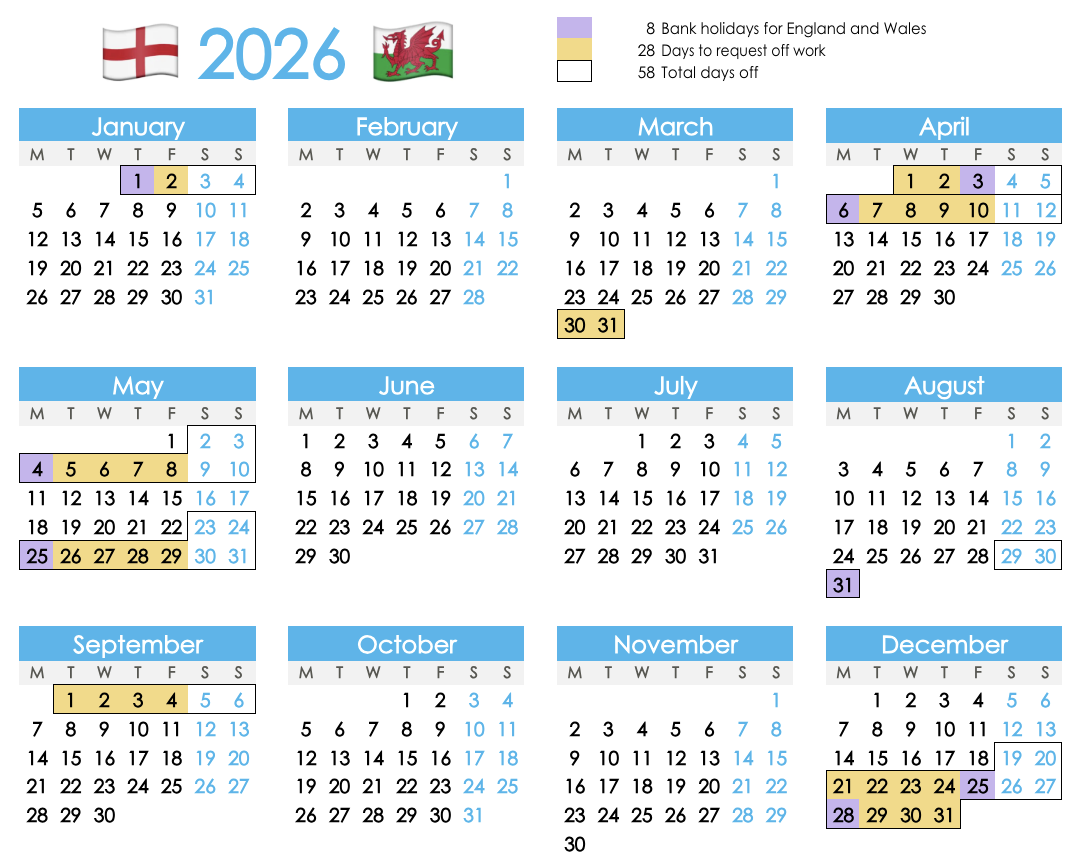
- Good Friday: Friday, April 3rd, 2026
- Easter Monday: Monday, April 6th, 2026 (observed in England, Wales, and Northern Ireland; a Scottish bank holiday in its own right, though often aligned)
- Early May Bank Holiday: Monday, May 4th, 2026
These early April dates mean you’ll have a long weekend if you’re in the UK, marking a significant break that many residents use for short trips or family time.
In summary, while March 2026 in the UK might not be brimming with official bank holidays, it’s certainly not a dull month. From Welsh national pride to Irish festivities and the quiet onset of spring, there’s plenty to experience and plan around. Knowing these distinctions will ensure your travel or business plans go off without a hitch, allowing you to fully appreciate the unique rhythm of life across the United Kingdom.
Frequently Asked Questions
Are there any bank holidays in the UK in March 2026?
For most of the UK (England, Wales, and Scotland), there are no official bank holidays in March 2026. However, Northern Ireland observes St. Patrick’s Day as a bank holiday on March 17th, 2026.
Is St. Patrick’s Day a bank holiday across the whole UK?
No, St. Patrick’s Day is only an official bank holiday in Northern Ireland. While celebrated widely across other parts of the UK, it is not a day off work or school in England, Wales, or Scotland.
What is the difference between a bank holiday and an observance in the UK?
A ‘bank holiday’ is an official public holiday where banks, government offices, and many businesses/schools close. An ‘observance’ or ‘celebration’ is a culturally, religiously, or historically significant day that is recognized but is generally not an official day off work or school.
When does Daylight Saving Time begin in the UK in 2026?
Daylight Saving Time begins in the UK on Sunday, March 29th, 2026. Clocks will move forward by one hour at 1:00 AM, marking the start of British Summer Time (BST).
When is Mother’s Day in the UK in 2026?
Mother’s Day in the UK (known as Mothering Sunday) falls on Sunday, March 15th, 2026. This is different from the Mother’s Day date observed in the United States.
Will businesses be closed in the UK in March 2026?
Most businesses in England, Wales, and Scotland will operate as normal throughout March 2026 due to the lack of bank holidays. In Northern Ireland, businesses, banks, and schools will be closed on St. Patrick’s Day, March 17th, 2026.
