Your Ultimate Guide to the March 2026 Calendar: Holidays, Holi, & How to Plan Your Month
March 2026 is more than just the official start of spring; it’s a dynamic month brimming with anticipation. From shifting clocks to celebrating vibrant cultural traditions, it’s a time of transition and joy. This comprehensive guide will arm you with every important date, a deep dive into the significance of Holi, and practical tips to ensure your March is perfectly planned and profoundly enjoyed.

March 2026 at a Glance: A Quick Overview
As winter’s chill gently recedes, March 2026 steps in with 31 days, beginning on a Sunday and concluding on a Tuesday. This means you’re treated to five full weekends, offering ample opportunity for relaxation, planning, and celebration. While you won’t find any federal holidays marking the calendar in March, the month is rich with significant observances that demand your attention. Most notably, the joyous Hindu festival of Holi brings a splash of color and cultural depth that you won’t want to miss.
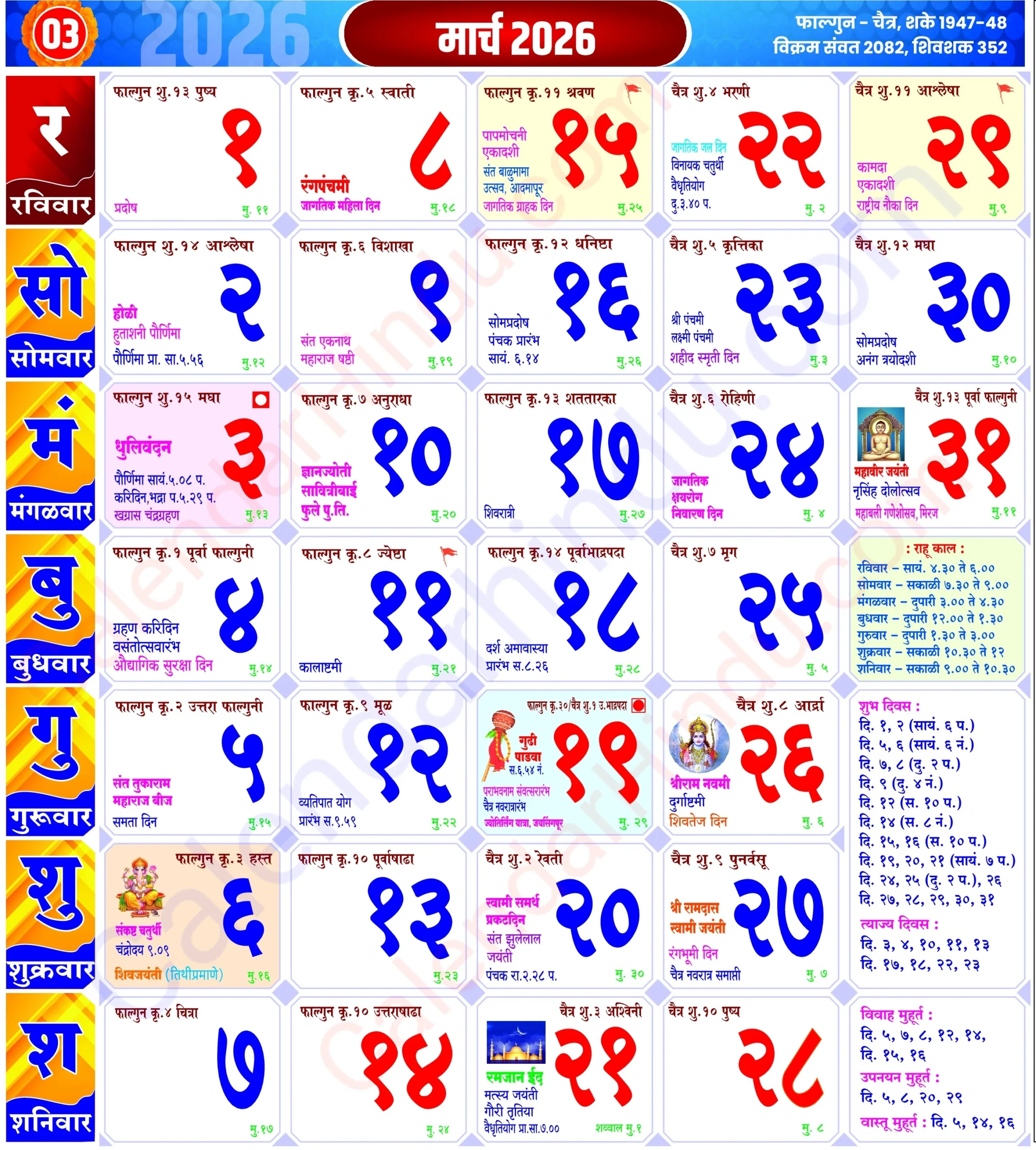
Understanding the layout of March is your first step to a well-organized month. With 22 standard workdays, it’s crucial to know how personal appointments, family events, and the vibrant cultural calendar align. Get ready to embrace the warmth and wonder that March 2026 promises!
The Complete March 2026 Calendar with All Key Dates
To truly master your March, you need a single, reliable source for all the important dates. Forget endless searching; here’s your comprehensive guide, carefully curated to include everything from major cultural celebrations to notable observances, and, of course, the vibrant festival of Holi. This table provides an at-a-glance overview, ensuring you don’t miss a beat.
| Date | Day of Week | Holiday/Observance | Type | Significance |
|---|---|---|---|---|
| Mar 1 | Sunday | National Pig Day | Fun/Animal | Honoring pigs for their intelligence. |
| Mar 3 | Tuesday | Holika Dahan (Chhoti Holi) | Hindu Festival | Bonfire ritual symbolizing victory of good over evil. |
| Mar 4 | Wednesday | Holi (Dhulandi) | Hindu Festival | Festival of Colors, celebrating spring, love, and new beginnings. |
| Mar 6 | Friday | Employee Appreciation Day | Observance | Recognizing contributions of employees. |
| Mar 8 | Sunday | Daylight Saving Time Begins | Time Change | Clocks spring forward one hour. |
| Mar 8 | Sunday | International Women’s Day | Observance | Celebrating social, economic, cultural, and political achievements of women. |
| Mar 17 | Tuesday | St. Patrick’s Day | Cultural/Religious | Celebrating Irish heritage and culture. |
| Mar 20 | Friday | Spring Equinox (First Day of Spring) | Astronomical | Marks the official beginning of spring in the Northern Hemisphere. |
| Mar 25 | Wednesday | Purim | Jewish Festival | Commemorates the salvation of the Jewish people from Haman. |
| Mar 30 | Monday | Holy Monday (Western Christianity) | Christian Observance | Beginning of Holy Week, commemorates Jesus’ entry into Jerusalem. |
| Mar 31 | Tuesday | Holy Tuesday (Western Christianity) | Christian Observance | Continues Holy Week observances. |
US Federal Holidays in March 2026
Unlike some months that boast a federal holiday or two, March 2026 does not feature any official US Federal Holidays. This means banks, government offices, and most businesses will operate on their regular schedules throughout the month. While there’s no national day off, the month is still packed with culturally significant dates and observances, encouraging you to integrate these into your personal and professional planning.
Key Observances and Celebrations in March 2026 (USA)
Even without federal holidays, March is far from dull. Several important observances shape the month:
- Daylight Saving Time Begins (Sunday, March 8th): Remember to “spring forward”! At 2:00 AM on the second Sunday of March, clocks advance by one hour. This means an hour of sleep is lost, but we gain an extra hour of daylight in the evening, signaling brighter, longer days ahead.
- International Women’s Day (Sunday, March 8th): Coinciding with Daylight Saving this year, this global day celebrates the social, economic, cultural, and political achievements of women. It’s also a powerful call to action for accelerating gender equality. Many events and discussions take place around this date to honor women and advocate for their rights.
- St. Patrick’s Day (Tuesday, March 17th): Don your greenest attire! This cultural and religious holiday celebrates Irish heritage and the death of Saint Patrick, Ireland’s foremost patron saint. In the US, it’s widely celebrated with parades, festive gatherings, and a general embrace of Irish culture.
- Spring Equinox (Friday, March 20th): Astronomically, this date marks the official beginning of spring in the Northern Hemisphere. It’s when the sun crosses the celestial equator, bringing nearly equal lengths of day and night. For many, it symbolizes renewal, growth, and fresh starts.
- Employee Appreciation Day (Friday, March 6th): A day to recognize and thank employees for their hard work and dedication. Businesses often use this day to host special events or offer perks to show gratitude.
Holi 2026: Dates, Significance, and Celebrations in the USA
While March 2026 has many notable moments, the brilliant, joyous festival of Holi stands out as a major cultural highlight. It’s a time when communities come together, inhibitions are shed, and the world is painted in the most vibrant hues.
When is Holi in March 2026? Key Dates
Holi is celebrated over two primary days, with distinct rituals for each. In March 2026, mark your calendars for:
- Holika Dahan (Chhoti Holi or Dolyatra): Tuesday, March 3, 2026
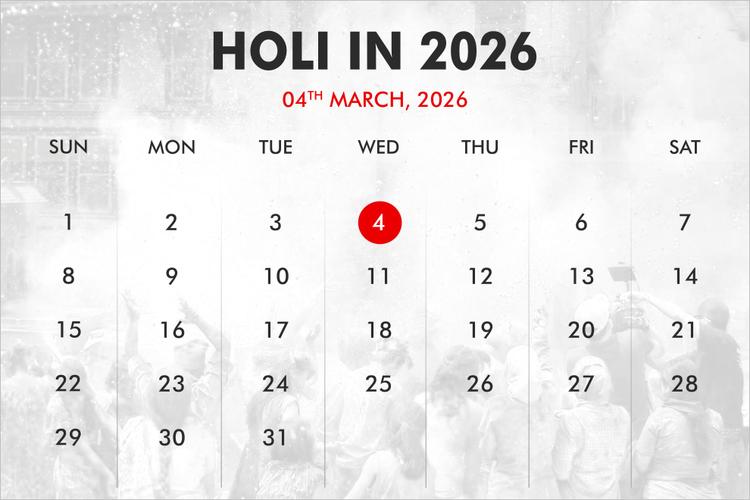
- Holi (Dhulandi or Main Holi): Wednesday, March 4, 2026
Holika Dahan takes place on the evening of March 3rd, leading into the main festivities of Holi on March 4th. These dates are determined by the Hindu lunisolar calendar, specifically falling on the Purnima (full moon) of the Hindu month of Phalguna.
What is Holi? The Festival of Colors Explained
Holi, often called the “Festival of Colors” or the “Festival of Love,” is one of the most ancient and widely celebrated Hindu festivals. It signifies the triumph of good over evil, the arrival of spring, the end of winter, and for many, a day to meet others, play and laugh, forget and forgive, and repair broken relationships. It’s also celebrated as a thanksgiving for a good harvest.
The festival is steeped in rich mythology:
- The Legend of Holika and Prahlad: This is the most popular story associated with Holika Dahan. According to the legend, there once was a powerful demon king, Hiranyakashipu, who believed himself to be God. His son, Prahlad, however, was a devout worshiper of Lord Vishnu. Enraged by his son’s defiance, Hiranyakashipu tried numerous times to kill Prahlad. He eventually enlisted his sister, Holika, who had a boon that made her immune to fire. Holika sat with Prahlad in a blazing bonfire, intending to burn him. But through divine intervention, Prahlad emerged unharmed, while Holika was consumed by the flames, her boon proving ineffective against true devotion. This story symbolizes the victory of devotion and good over arrogance and evil, and the bonfire ritual of Holika Dahan celebrates this triumph.
- The Legend of Radha and Krishna: This tale explains the playful tradition of applying colors. Lord Krishna, known for his mischievous nature, was jealous of Radha’s fair complexion compared to his own dark skin. His mother, Yashoda, playfully suggested he color Radha’s face any color he wished. Krishna did so, and the tradition of playing with colors to express love and joy was born, symbolizing the colorful union of all people, regardless of appearance. It represents the spirit of playfulness, love, and breaking social barriers through shared joy.
Beyond these stories, Holi is a powerful symbol of unity, equality, and the celebration of life. It’s a day to let go of grudges, embrace friends and strangers alike, and revel in the collective human spirit.
How is Holi Celebrated? Traditions & Customs
Holi celebrations are an explosion of sensory experiences, carefully structured over two days:
- Holika Dahan (The Night Before): On the eve of Holi, communities gather to light bonfires. This ritual is called Holika Dahan, meaning “burning of Holika.” Effigies of Holika are often placed on the pyre. People perform Pooja (prayers), offer grains, coconut, and other traditional items to the fire, symbolizing the burning away of evil, negativity, and past mistakes. It’s a purification ritual, preparing individuals and communities for the joyous day ahead. Chants and songs fill the air as families celebrate this symbolic victory.
- Dhulandi (The Day of Colors): The main day of Holi is Dhulandi. This is when the “Festival of Colors” truly comes alive. People take to the streets, open grounds, and homes, armed with dry colored powders (gulal) and colored water in water guns (pichkaris) or balloons. Friends, family, and even strangers playfully douse each other in vibrant colors, shouting “Holi Hai!” (It’s Holi!). The tradition breaks down social barriers, as everyone, young and old, rich and poor, becomes indistinguishable under layers of color.
But Holi isn’t just about colors. It’s a full cultural immersion:
- Food and Drink: Feasting is a crucial part of Holi. Traditional delicacies like Gujiya (sweet fried dumplings filled with khoya and nuts), Malpua (pancakes soaked in sugar syrup), and Thandai (a refreshing milk drink often infused with nuts, spices, and sometimes bhang) are enjoyed throughout the day. Meals are often shared with loved ones, fostering community bonds.
- Music and Dance: Lively music, often traditional folk songs, accompanies the festivities. People dance freely, expressing their joy and excitement. Drums and other instruments add to the festive atmosphere.
- Social Gatherings: After the boisterous play with colors, people clean up and visit friends and family, exchanging sweets, sharing meals, and offering good wishes. It’s a day for strengthening relationships and fostering goodwill.
Holi in the United States: Adapting a Vibrant Tradition
While Holi originates from India, its spirit of joy and unity has transcended geographical boundaries, flourishing vibrantly in the United States. Indian immigrants and subsequent generations have enthusiastically brought their traditions to their new home, adapting them to the American context.

Here’s how Holi is typically celebrated in the USA:
- Community Events: Many Hindu temples, Indian cultural organizations, and university student groups host large-scale Holi celebrations. These events often take place in parks, community centers, or university grounds, attracting not only people of Indian descent but also individuals from diverse backgrounds eager to experience the festival’s unique charm. These gatherings usually feature music, dance, traditional food, and, of course, plenty of color play.
- Private Gatherings: Families and friends also organize smaller, private Holi parties in their backyards or rented venues. These allow for a more intimate celebration, often focusing on traditional foods, music, and playful color throwing among close-knit groups.
- Challenges & Adaptations: One significant adaptation for Holi in the US, especially in 2026, is its date. Falling on a Wednesday (March 4th), it’s a regular workday and school day for most. This often means that large community celebrations are shifted to the nearest weekend (either March 1st or March 7th/8th) to ensure maximum participation. Families might celebrate Holika Dahan at home on Tuesday evening and then participate in weekend color events.
- Tips for Celebrating Holi in the USA:
- Find Local Events: Search online for “Holi celebrations [Your City/State]” to find public events organized by cultural groups.
- Host Your Own: Invite friends for a backyard Holi. Ensure you use safe, non-toxic colors (often labeled “organic” or “natural gulal”).
- Protect Yourself: Wear old clothes you don’t mind getting stained, apply oil to your hair and skin beforehand to make color removal easier, and consider wearing sunglasses to protect your eyes.
- Embrace the Spirit: Beyond the colors, remember the essence of Holi: joy, forgiveness, and community. Approach the day with an open heart and a willingness to connect.
- Be Mindful: Always be respectful of others’ boundaries. While Holi is playful, consent is key, even when it comes to applying colors.
Planning Your March 2026: Maximizing Your Calendar
With all these dates in mind, how do you make the most of March 2026? It’s all about smart planning:
- Integrate Personal Dates: Transfer all your personal appointments, birthdays, and anniversaries onto your chosen calendar format. Seeing everything in one place helps avoid conflicts.
- Leverage the Weekends: With five full weekends, March offers excellent opportunities for short trips, family outings, or focused personal projects. Plan them out early to secure reservations or make arrangements.
- Coordinate Holi Celebrations: Since Holi falls mid-week, decide whether you’ll participate in a weekday family ritual or attend a larger community event on the preceding or following weekend. Early planning for colors, food, and gatherings is essential.
- Embrace Spring’s Arrival: Use the Spring Equinox as a reminder to declutter, refresh your living space, or start a new outdoor hobby.
- Stay Aware of Time Changes: Mark Daylight Saving Time clearly. Set a reminder to adjust your clocks on March 8th to avoid being an hour late for Sunday plans.
- Consider Printable Calendars: A physical calendar on your wall or desk can be a powerful visual tool for daily reminders and overall planning.
Get Your Free Printable March 2026 Calendar
While we don’t provide a direct download here, having a printable March 2026 calendar is an incredibly effective way to manage your month. A physical calendar allows you to visually track your schedule, mark important dates by hand, and quickly jot down notes or reminders. Look for templates online that clearly display US holidays and observances, and ideally, have space for you to personalize with your own events and goals. Print it out, stick it up, and make it your central hub for all things March!

Final Thoughts: Embrace the Vibrancy of March 2026
March 2026 is truly a month of vibrant transitions. From the symbolic renewal of spring to the cultural explosion of Holi, it invites us to plan thoughtfully, celebrate joyously, and embrace new beginnings. By using this comprehensive guide, you’re well-equipped to navigate every date, understand every celebration, and make your March a beautifully organized and unforgettable experience. Happy planning!
Frequently Asked Questions
Is Holi a federal holiday in the USA?
No, Holi is not a federal holiday in the United States. While widely celebrated by Hindu communities, it is a regular workday for most Americans. However, many community organizations and temples host celebrations, often on the nearest weekend, to allow for wider participation.
What are the exact dates for Holi in March 2026?
In March 2026, Holika Dahan (Chhoti Holi), which involves evening bonfire rituals, falls on Tuesday, March 3rd. The main day of Holi (Dhulandi), when people play with colors, is on Wednesday, March 4th.
Are there any other federal holidays in March 2026?
No, there are no official US Federal Holidays observed in March 2026. This means government offices, banks, and most businesses will operate on their regular schedules throughout the month.
What is the significance of Holika Dahan?
Holika Dahan, observed on the eve of Holi, is a bonfire ritual symbolizing the triumph of good over evil. It commemorates the legend of Prahlad’s devotion and Lord Vishnu’s protection, which led to the demise of the demoness Holika, who was immune to fire.
When does Daylight Saving Time begin in March 2026?
Daylight Saving Time begins on Sunday, March 8, 2026. Clocks will ‘spring forward’ one hour at 2:00 AM local time, resulting in an extra hour of daylight in the evening.
Can I celebrate Holi if I’m not Hindu?
Absolutely! Holi is a celebration of joy, unity, and spring, and it welcomes participation from people of all backgrounds. Many community-organized Holi events in the US are inclusive and encourage everyone to join in the colorful festivities. Just remember to be respectful of the traditions and the spirit of the festival.
What kind of food is traditionally eaten during Holi?
Traditional Holi foods are often sweet and savory delights. Popular items include Gujiya (sweet dumplings filled with khoya and nuts), Malpua (sweet pancakes), and Pakoras (fried savory snacks). Thandai, a refreshing milk drink often flavored with nuts, spices, and sometimes bhang, is also a traditional beverage during Holi.
