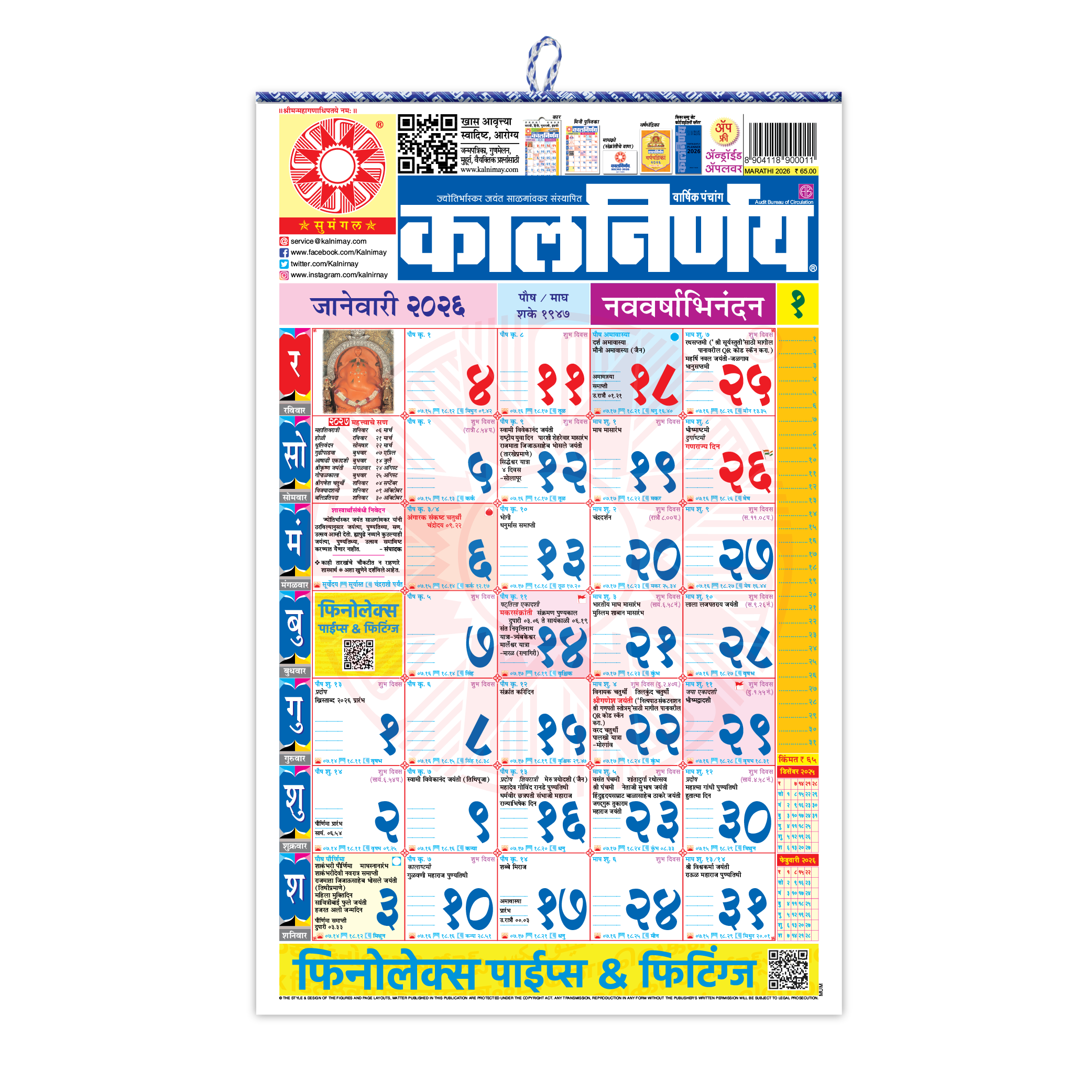
March 2026 Kalnirnay Marathi Calendar: Your Definitive Guide to Festivals, Tithis, and Auspicious Dates in the USA
For Marathi families living across the United States, keeping a connection to your roots can sometimes feel like a balancing act. You’re navigating daily life in a different culture, yet the desire to uphold traditions, celebrate festivals, and observe auspicious timings remains strong. This is precisely where the Kalnirnay Marathi Calendar becomes an indispensable companion.
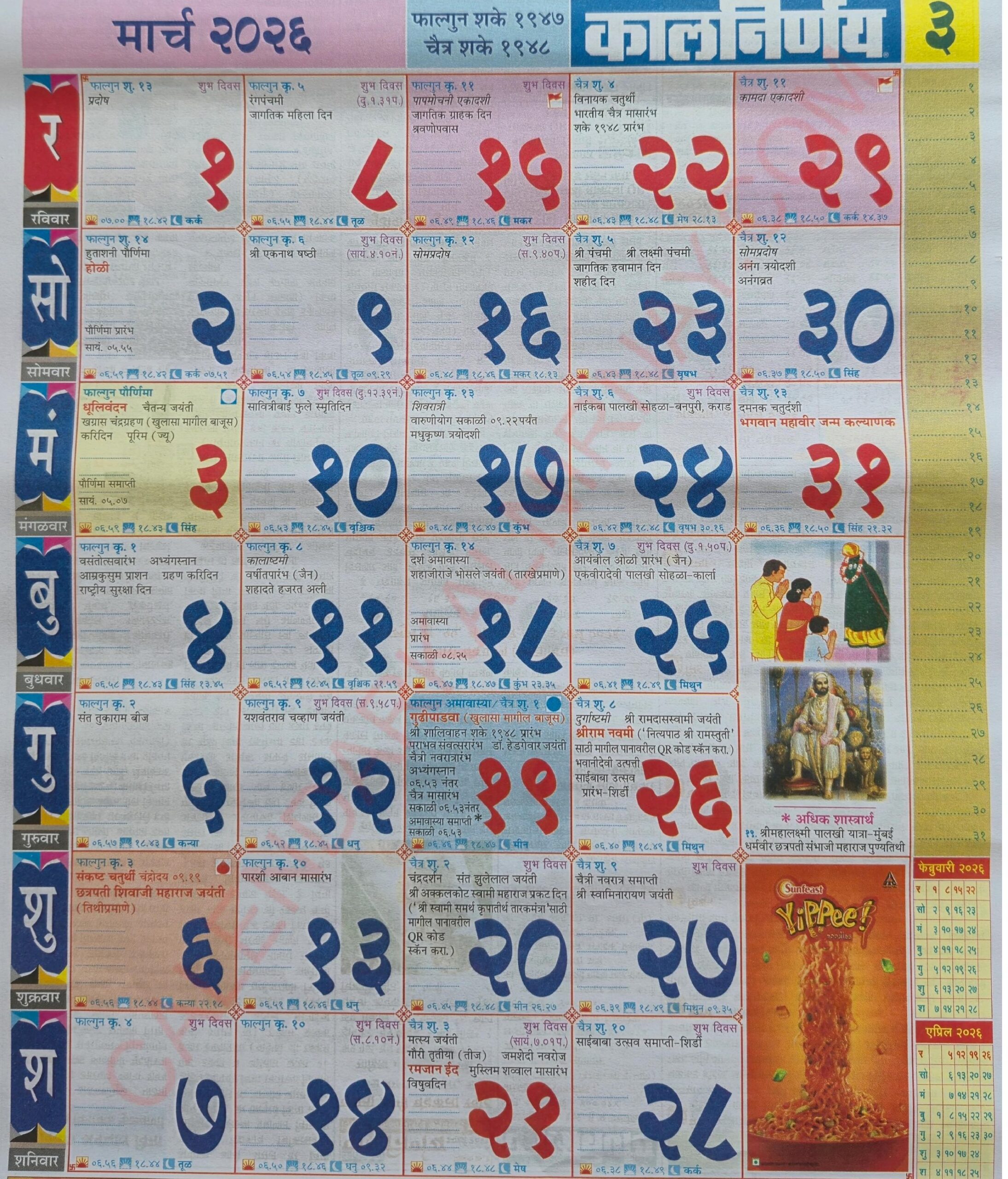
More than just a date tracker, Kalnirnay is a cultural touchstone. And as March 2026 approaches, it brings with it a vibrant tapestry of significant dates, from the joyous celebrations of Holi and Gudi Padwa to crucial tithis for spiritual observances. But how do you interpret its intricate details, especially when dealing with time zone differences in the USA? Don’t worry, you’ve landed in the right place. This definitive guide will cut through the complexity, ensuring you stay connected to your heritage and plan March 2026 with confidence.
What Exactly is Kalnirnay, and Why Does it Matter to You?
If you’re Marathi, the word ‘Kalnirnay’ likely evokes a sense of familiarity, perhaps the distinctive cover art or the comfort of a yearly tradition. But for those unfamiliar, or for younger generations growing up outside of Maharashtra, it’s worth understanding its profound significance.
A Cultural Compass Beyond a Calendar
At its heart, Kalnirnay is an almanac, a Panchang, specifically tailored to Marathi traditions. It originated in Mumbai, India, and has become a household name, serving as the go-to resource for everything from festival dates to auspicious timings for life events. It’s not just about marking days off; it’s about understanding the cosmic rhythm that guides traditional Hindu life.
For the Marathi diaspora in the USA, Kalnirnay isn’t just a convenience; it’s a bridge. It’s how you know when to prepare for a puja, when to call family back home to wish them on a festival, or when to plan your own cultural gatherings. It helps you pass on these vital traditions to your children, ensuring your heritage thrives, even thousands of miles away.
The Core Components of a Kalnirnay Calendar
A typical Kalnirnay calendar is rich with information, far beyond what you’d find on a standard Western Gregorian calendar. Understanding these elements is key to utilizing it effectively:
- Tithi (Lunar Day): The most fundamental component. Each lunar month has 30 tithis, divided into two pakshas (fortnights): Shukla Paksha (waxing moon) and Krishna Paksha (waning moon). Tithis dictate fasts, festivals, and various religious ceremonies.
- Nakshatra (Lunar Mansion): The 27 Nakshatras are divisions of the celestial ecliptic, each influencing specific aspects of life and astrological timings. Muhurats (auspicious times) are often determined by the prevailing Nakshatra.
- Yoga & Karana: These are further divisions based on the relative positions of the Sun and Moon, providing additional astrological insights into the nature of a particular day. While less commonly tracked in daily life, they contribute to the overall auspiciousness of a moment.
- Sunrise & Sunset Timings: Crucial for daily religious practices (like Sandhyavandan) and the beginning/end of fasts. This is especially important for USA residents due to significant time zone differences.
- Amavasya & Pournima: The New Moon and Full Moon days, respectively. These are highly significant days for spiritual observances, ancestral rites (Amavasya), and major festivals (Pournima often marks the end of a lunar month and a full moon festival).
- Rahukaal & Yamagand: These are specific periods each day considered inauspicious for starting new ventures, travel, or any important undertakings. Kalnirnay clearly marks these times to help you plan accordingly.
March 2026: A Look Inside Your Marathi Kalnirnay Calendar
March 2026 is a particularly vibrant month for Marathi cultural and religious observations, featuring several major festivals that are celebrated with great enthusiasm. Let’s break down the key dates and what they signify.
Key Festivals and Observances in March 2026
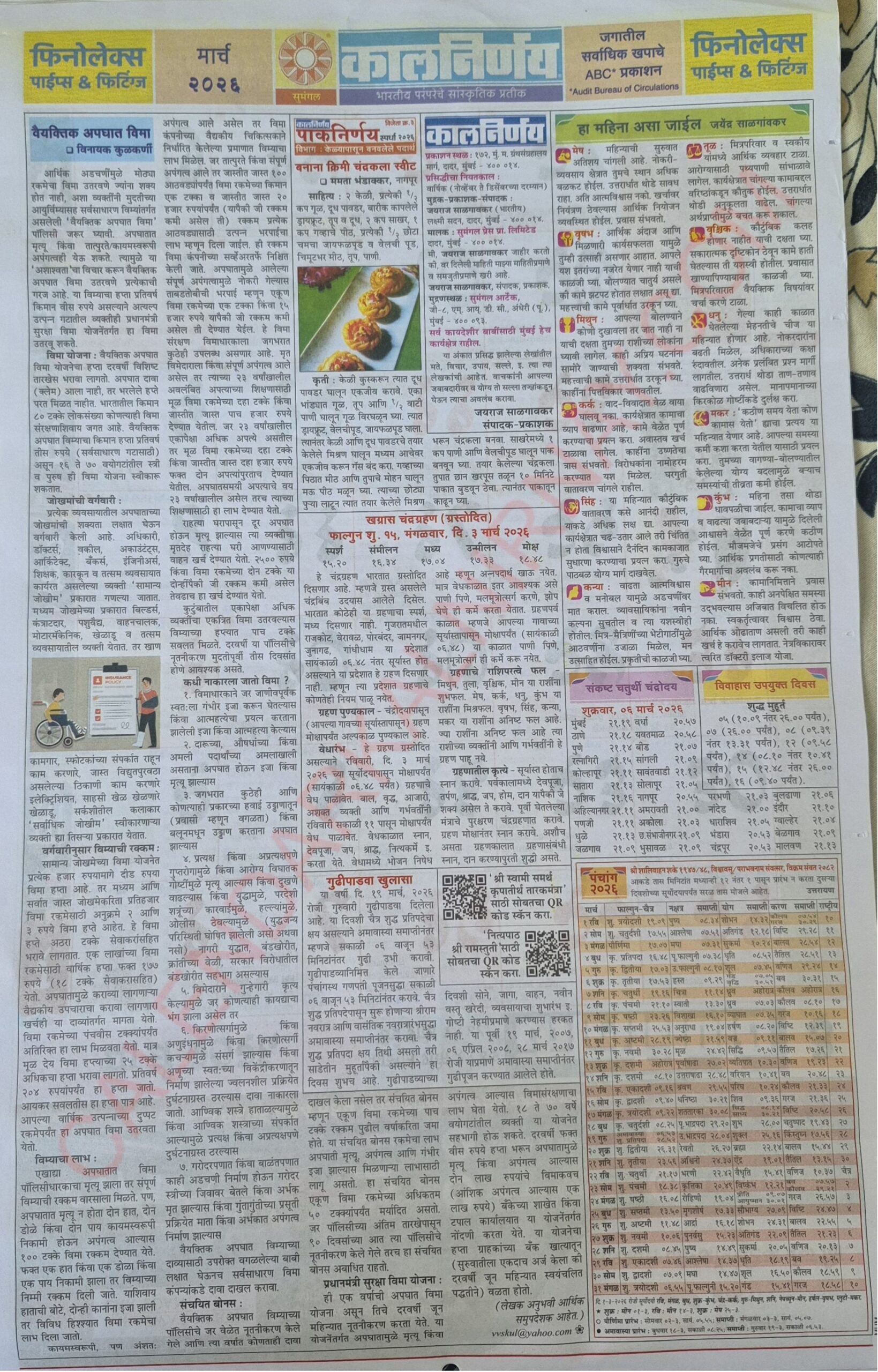
Here’s a detailed look at the major festivals and important days you’ll find in your March 2026 Kalnirnay calendar. Remember, these dates are based on the Marathi Panchang and are critical for planning your celebrations and observances.
| Date (March 2026) | Festival / Observance | Significance for Marathi Culture |
|---|---|---|
| Tuesday, March 3 | Holika Dahan | Marks the victory of good over evil. Bonfires are lit on the eve of Holi to symbolize the burning of the demoness Holika. |
| Wednesday, March 4 | Holi / Rangapanchami | The vibrant festival of colors, celebrated by smearing gulal (colored powder) and sharing sweets. A day of joy and togetherness. |
| Wednesday, March 5 | Rangapanchami (continued) | Celebrated particularly in Maharashtra, it’s the fifth day of the Holi festival, continuing the spirit of joy and color. |
| Monday, March 9 | Sheetala Saptami | Dedicated to Goddess Sheetala, worshipped for protection against diseases. Devotees offer cold food. |
| Sunday, March 15 | Amavasya | New Moon day, significant for performing Shradh and Tarpan (ancestral rites) to honor departed ancestors. |
| Wednesday, March 18 | Gudi Padwa | The Marathi New Year. Celebrated with great fervor, hoisting the ‘Gudi’ (a decorated pole), traditional sweets, and family gatherings. Marks the beginning of Chaitra Navratri. |
| Friday, March 21 | Chaitra Gauri Pujan | Observed during Chaitra Navratri, women worship Goddess Gauri for marital bliss and family well-being. |
| Friday, March 27 | Ram Navami | Celebrates the birth of Lord Rama. Devotees fast and conduct special prayers, reciting the Ramayana. |
| Monday, March 30 | Pournima / Hanuman Jayanti | Full Moon day. Also celebrated as Hanuman Jayanti, marking the birth of Lord Hanuman, revered for strength and devotion. |
Auspicious Muhurats for March 2026 (For Major Events)
While a full Kalnirnay will provide extremely precise muhurats for specific locations and times, here are some generally auspicious periods in March 2026, often suitable for starting new ventures, purchases, or planning significant family events. Always consult a specific Panchang or an astrologer for highly personalized timings.
| Category | Generally Auspicious Dates (March 2026) | Guidance |
|---|---|---|
| New Beginnings / Purchases | March 1, 6, 7, 10, 11, 19, 20, 24, 25 | Good for inaugurating projects, purchasing vehicles, electronics, or making significant investments. |
| Griha Pravesh (Housewarming) | March 7, 10, 11, 20, 24, 25 | These dates typically have favorable tithis and nakshatras for entering a new home. |
| Marriage Muhurats | March 1, 6, 11, 20, 25, 26 | Favorable for wedding ceremonies. Always cross-reference with specific astrological charts. |
| Spiritual Practices / Vrats | March 18 (Gudi Padwa), March 27 (Ram Navami), all Ekadashi dates. | Excellent for fasting, meditation, performing pujas, and seeking spiritual growth. |
Important Tithis & Planetary Positions for March 2026
Beyond festivals, certain tithis hold special significance for daily observances:
- Ekadashis: These are the 11th lunar days of both Shukla and Krishna Paksha. March 2026 will feature Papmochini Ekadashi on March 12, a day observed with fasting to cleanse sins.
- Pradosh Vrat: Observed on the 13th lunar day (Triyodashi) of both pakshas, dedicated to Lord Shiva and Goddess Parvati.
- Sankashti Chaturthi: Observed on the 4th day of Krishna Paksha, dedicated to Lord Ganesha for overcoming obstacles. There will be one in March on March 2.
General planetary positions also influence the month. March typically sees the Sun moving into Pisces, marking a shift in energy, and the onset of Chaitra month brings the beginning of spring and new agricultural cycles, influencing many traditional celebrations.
How to Navigate Your March 2026 Kalnirnay Marathi Calendar from the USA
This is where things get practical. Using a Marathi Kalnirnay in the USA requires a little strategic thinking, mainly due to the vast time differences. Don’t let that deter you; with a few tips, you can master it.
Time Zone Awareness is Key: Converting IST to EST/CST/PST
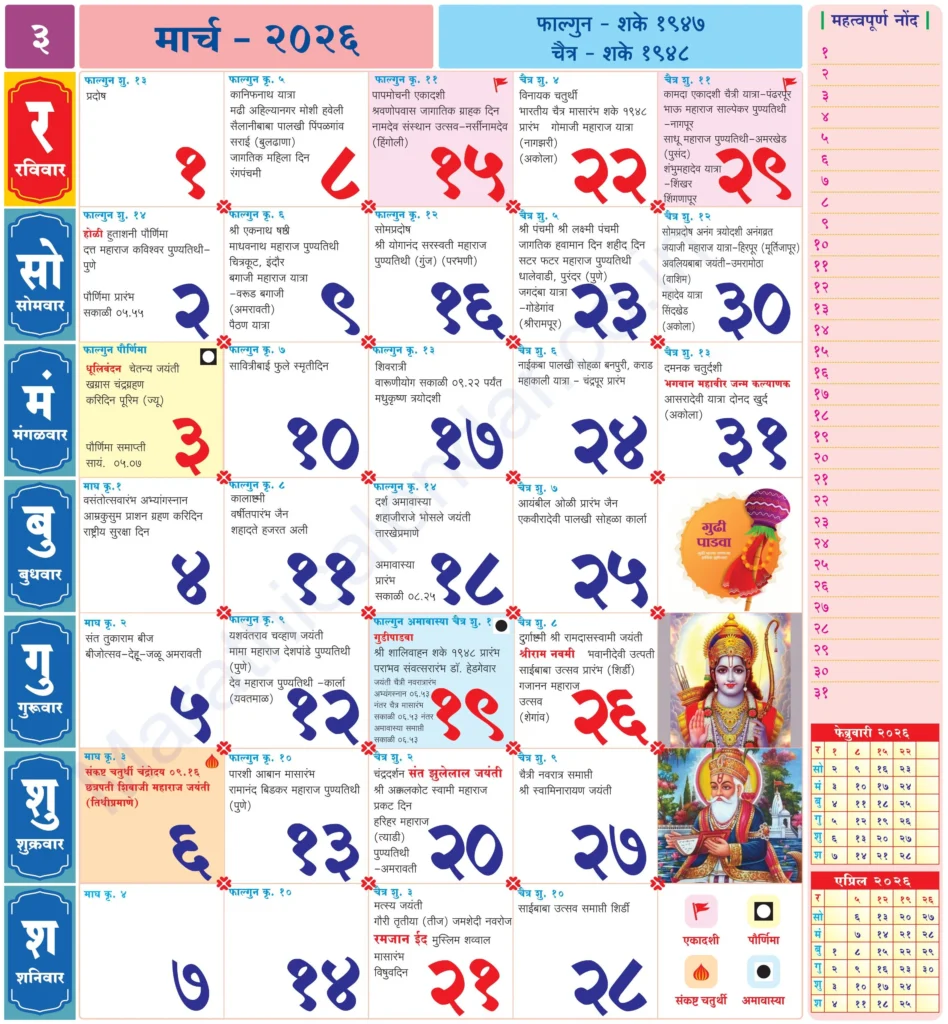
Most Kalnirnay calendars are based on Indian Standard Time (IST). If you’re in New York (EST), California (PST), or anywhere in between, you’ll need to adjust. Here’s a quick guide:
- IST to EST: IST is 9.5 hours ahead of EST. So, if a Tithi begins at 6 AM IST, it’s 8:30 PM EST the previous day.
- IST to CST: IST is 10.5 hours ahead of CST.
- IST to MST: IST is 11.5 hours ahead of MST.
- IST to PST: IST is 12.5 hours ahead of PST.
Practical Tips:
- Use Online Converters: Websites like TimeAndDate.com or WorldTimeBuddy are invaluable. Input the IST time and date, and it will convert it to your local USA time zone instantly.
- Focus on Sunrise/Sunset: For fasts, ensure you know your local sunrise and sunset times. A Tithi might span two calendar days in the USA due to the time difference, so always check the precise beginning and end times adjusted to your location.
- Astrology Apps: Many good Hindu calendar apps now automatically adjust for your GPS location, making calculations much simpler.
Integrating Kalnirnay into Your Daily Life
So, you have the dates and timings. Now, how do you weave this ancient wisdom into your modern American life?
- Planning Festivals and Gatherings: Once you have the adjusted dates for Holi, Gudi Padwa, and Ram Navami, you can proactively plan family gatherings, potlucks, or community events. Early planning helps ensure everyone can participate.
- Observing Vrats and Pujas: Knowing the Ekadashi or Chaturthi dates allows you to prepare for your fasts, source puja materials, and set aside time for prayer without last-minute scrambling.
- Using it for Personal Reflection and Well-being: Beyond religious practices, Kalnirnay can offer a rhythm to your life. Understanding the lunar cycle (Amavasya, Pournima) can align with personal goal setting, reflection, or planning periods of rest.
- Educating the Next Generation: Use the calendar as a tool to teach your children about Marathi culture, stories behind the festivals, and the importance of traditions. This is especially vital when they are not immersed in the culture daily.
Where to Find Reliable March 2026 Kalnirnay Information (and avoid scams)
In the digital age, access to information is abundant, but so is misinformation. When it comes to something as culturally significant as Kalnirnay, you want reliable sources.
- Official Kalnirnay Website: The official Kalnirnay website is your primary and most reliable source for information, often offering digital versions or links to purchase the physical almanac. (Always look for the ‘kalnirnay.com’ domain).
- Reputable Online Almanacs/Apps: There are several well-established astrology and Hindu calendar websites and mobile apps (e.g., from major astrology portals) that provide accurate Panchang data, often with time zone adjustments. Look for apps with good reviews and a clear explanation of their data sources.
- Importance of Authenticated Sources for PDF Downloads: Many sites offer ‘Kalnirnay 2026 PDF Free Download.’ While convenient, exercise caution. Ensure the source is legitimate to avoid outdated or incorrect information, or even malware. Stick to well-known cultural or official publisher sites if you opt for a PDF.
- Local Marathi Associations/Temples: Your local Marathi Mandal or Hindu temple in the USA might also provide reliable calendar information, often adjusted for local timings, and can be a great community resource.
The Cultural Significance: Keeping Traditions Alive Across Continents
The quest for the March 2026 Kalnirnay Marathi calendar isn’t just about dates; it’s about identity. It’s about maintaining a vibrant connection to a heritage that defines you, even when you’re thousands of miles from the land of its origin.
Connecting with Your Roots
For Marathi individuals and families in the USA, Kalnirnay serves as a tangible link to Maharashtra. It helps in:
- Preserving Heritage for the Next Generation: By observing festivals and rituals according to the Kalnirnay, you actively transmit cultural knowledge, stories, and values to your children and grandchildren. This ensures they grow up with an understanding and appreciation of their Marathi identity.
- Community Building in the USA: Shared cultural practices foster a sense of community. When you and your neighbors or friends celebrate Gudi Padwa on the same day, it strengthens bonds and creates a supportive network away from home.
Understanding the Rhythms of Nature
The Hindu calendar, including Kalnirnay, is deeply intertwined with natural cycles:
- The Lunar Cycle and its Impact on Life: Most festivals and tithis are based on the moon’s phases. Understanding these cycles connects you to a more ancient, natural rhythm of life, influencing everything from agriculture (in India) to spiritual practices.
- Seasonal Changes Reflected in the Calendar: The beginning of Chaitra month with Gudi Padwa heralds spring, a time of renewal and new beginnings. Observing these dates reminds us of nature’s constant flow and our place within it.
So, as you seek out your March 2026 Kalnirnay Marathi calendar, remember you’re not just looking for a collection of dates. You’re holding a piece of your heritage, a guide for spiritual well-being, and a compass for cultural connection. Embrace it, utilize it, and let it enrich your life in the USA.
Frequently Asked Questions
What is Kalnirnay and why is it important for Marathi people in the USA?
Kalnirnay is a popular Marathi almanac (Panchang) that provides detailed information on Hindu festivals, auspicious dates (muhurats), Tithis, Nakshatras, and other astrological timings. For Marathi people in the USA, it’s crucial for staying connected to their cultural and religious heritage, allowing them to accurately observe festivals, perform pujas, and plan significant life events according to traditional Marathi practices, despite being far from India.
Which major Marathi festivals fall in March 2026?
March 2026 is a significant month, featuring major Marathi festivals such as Holika Dahan (March 3), Holi/Rangapanchami (March 4), Gudi Padwa (Marathi New Year, March 18), and Ram Navami (March 27). The month also includes important Tithis like Amavasya (March 15) and Pournima (March 30, which is also Hanuman Jayanti).
How do I account for time differences when using a Kalnirnay calendar in the USA?
Most Kalnirnay calendars are based on Indian Standard Time (IST). To use it in the USA, you must convert IST timings to your local time zone (EST, CST, PST, etc.). IST is 9.5 hours ahead of EST, 10.5 hours ahead of CST, and 12.5 hours ahead of PST. Online time converters or specialized Hindu calendar apps that automatically adjust for your GPS location are highly recommended to accurately determine local sunrise, sunset, and Tithi timings for fasts and observances.
Where can I find a reliable March 2026 Kalnirnay Marathi Calendar?
The most reliable sources are the official Kalnirnay website (kalnirnay.com), reputable online Hindu calendar portals (which often have localized data), or established mobile applications with good reviews. While PDF downloads are available, ensure they come from an authenticated and trusted source to avoid misinformation or outdated data.
What are ‘Tithi’ and ‘Muhurat’ in the context of Kalnirnay?
A ‘Tithi’ is a lunar day, one of the 30 divisions of a lunar month, determining the timing of festivals, fasts, and rituals. A ‘Muhurat’ refers to an auspicious time or period, calculated based on various astrological factors like Tithi, Nakshatra, Yoga, and planetary positions, deemed favorable for starting new ventures, performing ceremonies like marriages or housewarmings, or undertaking significant activities.
How can Kalnirnay help me connect my children to Marathi culture in the USA?
Kalnirnay serves as an excellent educational tool. By actively following the calendar, you can explain the significance of each festival, share the stories and traditions behind them, and involve your children in preparations and celebrations. This hands-on experience and shared practice help instill a strong sense of cultural identity and appreciation for their Marathi heritage, even when living away from India.