Your Essential Guide to the Gujarati Calendar for March 2026 (Vikram Samvat 2082)
Are you looking to stay connected with your roots, plan important family events, or simply understand the cultural rhythm of the Gujarati community in the USA? Navigating traditional calendars can be tricky, especially when you’re thousands of miles from home. That’s why we’ve put together this definitive guide to the Gujarati Calendar for March 2026, covering the crucial months of Fagan (Phaguna) and Chaitra in Vikram Samvat 2082.

Forget sifting through multiple sources or getting confused by time zone differences. This guide will provide you with all the essential dates, festivals, and insights you need, specifically tailored for the Gujarati diaspora in the United States. We’ll demystify terms like Tithi, Panchang, and Choghadiya, ensuring you can confidently plan your month, celebrate traditions, and observe auspicious times.
March 2026 Gujarati Calendar at a Glance: Key Dates and Festivals
Let’s kick things off with the most important information first: a clear overview of significant Gujarati dates and festivals happening in March 2026. This table will be your go-to reference point.
| English Date (2026) | Gujarati Month & Tithi | Event / Significance |
|---|---|---|
| March 1, Sunday | Fagan Sud Teras (13) | Auspicious day for devotion |
| March 2, Monday | Fagan Sud Chaudas (14) | Pre-Holi observances |
| March 3, Tuesday | Fagan Sud Punam (Purnima) | Holika Dahan – Lighting of the bonfire, symbolizing the triumph of good over evil. |
| March 4, Wednesday | Fagan Vad Padvo (1) | Dhuleti / Holi – Festival of Colors, joyous celebration. |
| March 7, Saturday | Fagan Vad Choth (4) | Sankashti Ganesh Chaturthi (observed by some) |
| March 10, Tuesday | Fagan Vad Saptami (7) | Sheetala Satam (observed by some) |
| March 14, Saturday | Fagan Vad Ekadashi (11) | Papmochani Ekadashi (fasting day) |
| March 18, Wednesday | Fagan Vad Amas (Amavasya) | New Moon day, start of Chaitra month in some calendars. Generally considered inauspicious for new beginnings. |
| March 19, Thursday | Chaitra Sud Padvo (1) | Start of Chaitra Navratri / Vasant Navratri – First day of the nine-day festival dedicated to Goddess Durga. |
| March 20, Friday | Chaitra Sud Bij (2) | Sindhi festival Cheti Chand (celebrated by Sindhi community). |
| March 21, Saturday | Chaitra Sud Trij (3) | Gangaur Puja begins (Rajasthan/UP, also observed by some Gujaratis) |
| March 23, Monday | Chaitra Sud Pancham (5) | Lakshmi Panchami |
| March 25, Wednesday | Chaitra Sud Saptami (7) | Yamuna Chhath (some observe) |
| March 26, Thursday | Chaitra Sud Aatham (8) | Durga Ashtami – Eighth day of Navratri, significant for Devi Puja. |
| March 27, Friday | Chaitra Sud Nom (9) | Rama Navami – Celebration of Lord Rama’s birth; also the final day of Chaitra Navratri. |
| March 30, Monday | Chaitra Sud Dwadashi (12) | Kamada Ekadashi (observed by some as Ekadashi is actually the 29th) |
| March 31, Tuesday | Chaitra Sud Teras (13) | Anang Trayodashi |
A quick note on dates: While this table provides generally accepted dates, slight variations can occur based on regional traditions, specific panchang calculations, and time zone differences within the USA. Always cross-reference with your local temple or trusted online Gujarati calendar resources for precise timings in your specific location.
Diving Deeper: Understanding the Gujarati Months in March 2026
March 2026 predominantly covers the tail end of the Gujarati month of Fagan (Phaguna) and the beginning of Chaitra. Understanding these lunar months is key to appreciating the calendar’s rhythm.
- Fagan (Phaguna – Vikram Samvat 2082): This month typically marks the arrival of spring and is famous for the vibrant festival of Holi. It’s a month of joy, renewal, and shedding the old. In March 2026, we begin with the bright half (Sud Paksha) of Fagan, celebrating Holi, and then transition into the dark half (Vad Paksha) before concluding with Amas (New Moon).
- Chaitra (Vikram Samvat 2082): Chaitra is the first month of the Hindu lunar calendar in many traditions, and its bright half (Sud Paksha) is incredibly significant. It ushers in Vasant Navratri, a period of fasting and devotion to Goddess Durga, culminating in Rama Navami. For many, it’s a time for spiritual introspection and new beginnings, aligning with the spring equinox.
Major Festivals and Observances in March 2026: Beyond the Dates
Let’s explore the cultural and spiritual significance of the main events in March 2026, and how Gujaratis in the USA typically observe them.
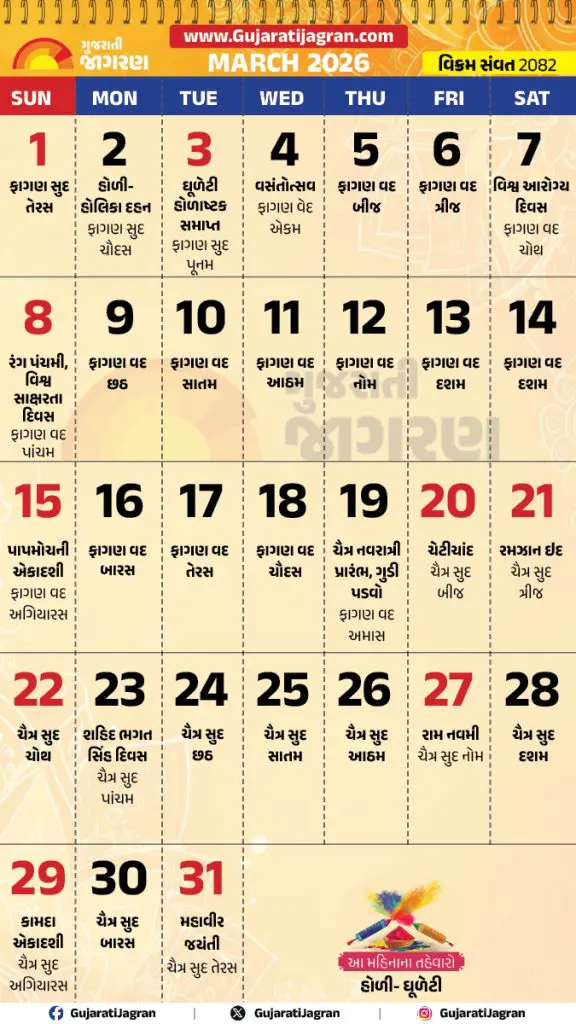
Holi / Holika Dahan (Fagan Sud Punam – March 3, 2026)
Holika Dahan is the precursor to the festival of colors. On this evening, bonfires are lit, symbolizing the burning of the demoness Holika and the triumph of good over evil, as demonstrated by Prahlad’s unwavering devotion to Lord Vishnu. For Gujaratis in the USA, local temples or community centers often organize large bonfires, providing an opportunity for collective prayer and celebration. Families may also perform smaller rituals at home, placing offerings in a symbolic fire.
Dhuleti / Holi (Fagan Vad Padvo – March 4, 2026)
The very next day is Dhuleti, the lively festival where people playfully drench each other with colored powders (gulal) and water. It’s a day of pure joy, friendship, and forgetting past grievances. In the USA, Gujarati communities organize large Holi events in parks or community halls, where families and friends gather to play with colors, share sweets, and enjoy traditional Gujarati food and music. It’s a wonderful way to foster community spirit and pass on traditions to younger generations.
Vasant Navratri (Chaitra Sud Padvo – March 19, 2026 to Chaitra Sud Nom – March 27, 2026)
Starting on Chaitra Sud Padvo, Vasant Navratri is a nine-day festival dedicated to the nine forms of Goddess Durga. While the more famous Navratri occurs in the fall, this spring Navratri is equally significant for spiritual seekers. Many Gujaratis observe fasts (ek-tanu, falahar, or nirjala), perform daily pujas, and visit temples. Homes are often cleaned and decorated, and special prayers are offered for health, prosperity, and spiritual growth. The energy of devotion is palpable, even across continents.
Rama Navami (Chaitra Sud Nom – March 27, 2026)
The ninth day of Vasant Navratri marks Rama Navami, the auspicious birth anniversary of Lord Rama. This day is celebrated with great devotion. Temples host special pujas, bhajans, and kirtans. Many devotees observe a fast and offer prayers to Lord Rama, his consort Sita, his brother Lakshman, and devotee Hanuman. In Gujarati households in the USA, families may organize small prayer gatherings, read from the Ramayana, and prepare special sweet dishes to offer to the deity and share with loved ones.
The Heart of the Gujarati Calendar: Understanding Panchang for March 2026
The Gujarati calendar, like other Hindu calendars, is deeply rooted in the Panchang, a system that tracks five key elements: Tithi, Nakshatra, Karana, Yoga, and Vaar (day of the week). Understanding these helps you grasp the underlying astrological significance of each day.

Tithi (Lunar Day)
A Tithi is a lunar day, defined by the angular distance between the sun and the moon. There are 15 Tithis in each half (Paksha) of a lunar month – Sud (bright) and Vad (dark). Each Tithi has its unique energy and associated rituals. For example, Ekadashi is traditionally a day for fasting, while Punam (Purnima) and Amas (Amavasya) are crucial for specific observances. In March 2026, we see the transition from Fagan’s Tithis to Chaitra’s Tithis.
Nakshatra (Lunar Mansion)
Nakshatra refers to the position of the moon in relation to specific constellations. There are 27 Nakshatras, each imparting distinct characteristics to a particular day. Astrologers use Nakshatras for various calculations, including auspicious timings for weddings (vivah muhurat), housewarmings (griha pravesh), and other important life events. While daily Nakshatra details might be complex for a general guide, knowing its importance adds depth to your understanding of the calendar.
Karana and Yoga
These are secondary elements derived from the Tithi. A Karana is half of a Tithi, and there are 11 Karanas. Yoga is derived from the combined longitudes of the sun and moon, and there are 27 Yogas. Both influence the overall energy and suitability of a day for certain activities, though they are often consulted by professional astrologers for highly specific timings.
Choghadiya: Auspicious and Inauspicious Timings
Choghadiya provides hourly divisions of the day and night, categorizing them as auspicious (Shubh, Labh, Amrit, Char) or inauspicious (Rog, Kaal, Udveg). Gujaratis often refer to Choghadiya to decide the best time for starting a new venture, making an important call, traveling, or signing documents. While Choghadiya timings vary significantly by location and sunrise/sunset, the concept remains vital for daily planning.
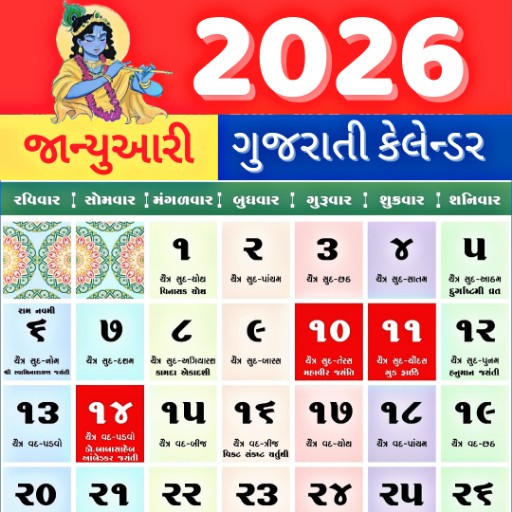
For those in the USA: You’ll need to use a Choghadiya calculator that accounts for your specific city’s sunrise and sunset times. Many reliable apps and websites offer this, ensuring you can identify the favorable periods wherever you are.
Auspicious Muhurats for March 2026: Planning Your Special Moments
A Muhurat is an auspicious time chosen for significant life events to ensure success and positive outcomes. While March is a busy month with festivals, there might be specific windows suitable for other ceremonies. Remember, exact Muhurats are highly personalized and depend on your birth chart (Kundali) and precise location.
Here’s a general guide to types of Muhurats and potential days to look out for in March 2026:
| Type of Muhurat | General Suitability in March 2026 (Vikram Samvat 2082) | Important Considerations |
|---|---|---|
| Vivah Muhurat (Marriage) | Generally fewer dates due to Holika Dahan and Chaitra Navratri. Some auspicious Tithis in early Fagan or late Chaitra might be considered. | Consult a priest/astrologer based on couple’s horoscopes and specific location. Avoid inauspicious periods like Amas. |
| Griha Pravesh (Housewarming) | Could be possible in the Sud Paksha of Chaitra (after Navratri concludes), avoiding the festival days themselves. | Look for Thursdays (Guruvaar) or Mondays (Somvaar) on auspicious Tithis. Avoid Amas and festival peaks. |
| Janoi Muhurat (Sacred Thread Ceremony) | Select days in the bright half of Chaitra (Sud Paksha) after Navratri, provided other astrological factors align. | Requires specific Nakshatra and planetary positions. Professional consultation is essential. |
| New Business / Bhoomi Pujan (Foundation Ceremony) | Generally, Sud Paksha of Fagan (before Holi) or Sud Paksha of Chaitra (after Rama Navami) could have suitable days. | Look for ‘Shubh’ or ‘Labh’ Choghadiyas on favorable Tithis. |
Always consult a qualified Gujarati priest or astrologer in the USA for precise Muhurat calculations based on your specific requirements and geographic location. They can account for local sunrise/sunset and astrological charts.
Navigating the Gujarati Calendar in the USA: Tips for the Diaspora
Living in the USA presents unique challenges and opportunities for observing Gujarati traditions. Here’s how to make it easier:
Time Zone Differences: Impact on Tithi, Choghadiya, Festival Timings
This is perhaps the biggest hurdle. A Tithi or an auspicious time that begins at a certain hour in India will shift when calculated for your specific US time zone. For example, if a Tithi ends at sunrise in India, it might end much earlier or later in New York or California. This directly impacts when to start a fast, perform a puja, or celebrate a festival. Always use a calendar or app that allows you to input your exact location (city and state) in the USA for accurate timings.
Local Resources: Temples, Community Centers
The Gujarati community in the USA is vibrant and well-organized. Your local Swaminarayan temple, Jain temple, or Hindu community center is an invaluable resource. They often publish their own calendars adjusted for local timings, host collective festival celebrations, and have resident priests who can provide guidance on specific rituals and Muhurats. Participating in these community events is also a fantastic way to connect with others and reinforce cultural bonds.
Digital Tools: Apps, Online Calendars
Embrace technology! There are numerous reputable Gujarati calendar apps and websites available that allow you to set your location and receive accurate Tithi, Panchang, and festival information. Many also include Choghadiya and Hora timings adjusted for your local sunrise/sunset. Look for apps from established religious organizations or well-regarded astrological platforms.
Connecting with Culture: Maintaining Traditions Abroad
Beyond the dates, the Gujarati calendar is a framework for cultural connection. Use March 2026 as an opportunity to:
- Educate the next generation: Explain the ‘why’ behind Holi, Navratri, and other observances to your children.
- Share with non-Gujarati friends: Invite them to experience a bit of the culture during celebrations like Holi.
- Cook traditional foods: Prepare festival-specific dishes (e.g., puran poli for Holi, falahari dishes for Navratri).
- Support local businesses: Purchase ethnic groceries, puja items, and traditional clothing from Gujarati stores in your area.
Beyond March 2026: The Significance of the Gujarati Calendar
The Gujarati calendar is far more than just a list of dates. It’s a living document that intertwines spirituality, cultural identity, and agricultural cycles. For the diaspora, it serves as a crucial link to our heritage, allowing us to maintain customs, teach our children about our rich culture, and stay connected to the rhythm of life as understood by our ancestors.
Observing these dates, even from afar, strengthens family bonds, reinforces community ties, and provides a sense of belonging. It’s a reminder of who we are, where we come from, and the timeless values that continue to guide us.
We hope this comprehensive guide empowers you to fully embrace and plan for the Gujarati Calendar for March 2026. May your month be filled with joyous celebrations, spiritual growth, and meaningful connections.
Frequently Asked Questions
What Gujarati months fall in March 2026?
March 2026 primarily covers the latter half of the Gujarati month of Fagan (Phaguna) and the beginning of Chaitra, both within the Vikram Samvat 2082 year.
What are the major Gujarati festivals in March 2026?
The major festivals in March 2026 are Holika Dahan (March 3), Dhuleti/Holi (March 4), and the start of Chaitra Navratri (March 19), culminating in Rama Navami (March 27).
How do time zones in the USA affect Gujarati calendar dates?
Time zone differences significantly impact the precise start and end times of Tithis, Choghadiyas, and festival observances. It’s crucial to use a calendar or app that calculates timings based on your specific city and state in the USA, rather than relying on Indian timings.
What is ‘Panchang’ and why is it important for Gujaratis?
Panchang is a traditional Hindu calendar system that tracks five main elements: Tithi (lunar day), Nakshatra (lunar mansion), Karana, Yoga, and Vaar (day of the week). It’s important for Gujaratis as it helps determine auspicious timings (Muhurats) for ceremonies, festivals, and daily activities, guiding spiritual and practical life decisions.
Where can I find accurate Gujarati calendar information for my specific location in the USA?
For accurate information, consult local Gujarati temples or community centers, which often publish adjusted calendars. You can also use reputable Gujarati calendar apps or websites that allow you to set your precise location (city/state) for accurate Tithi, Panchang, and Choghadiya timings.
Are there any auspicious dates for marriages or housewarmings in March 2026?
March 2026, with Holi and Chaitra Navratri, has fewer commonly auspicious dates for major events like marriages. While some dates in early Fagan or late Chaitra (after Navratri) might be considered, it’s highly recommended to consult a qualified Gujarati priest or astrologer who can calculate precise Muhurats based on individual birth charts and your specific USA location.
