March 2026 Full Moon: Your Complete Guide to the Worm Moon & Total Lunar Eclipse
Looking for the exact moment the March 2026 Full Moon graces the sky? You’ve come to the right place. Mark your calendars: the March 2026 Full Moon, traditionally known as the Worm Moon, will reach its peak illumination on Tuesday, March 3, 2026, at 11:38 AM UTC (Coordinated Universal Time). For those of us in the United States, this translates to early morning hours across most time zones, making the night of March 2-3 the best time to observe its splendor.
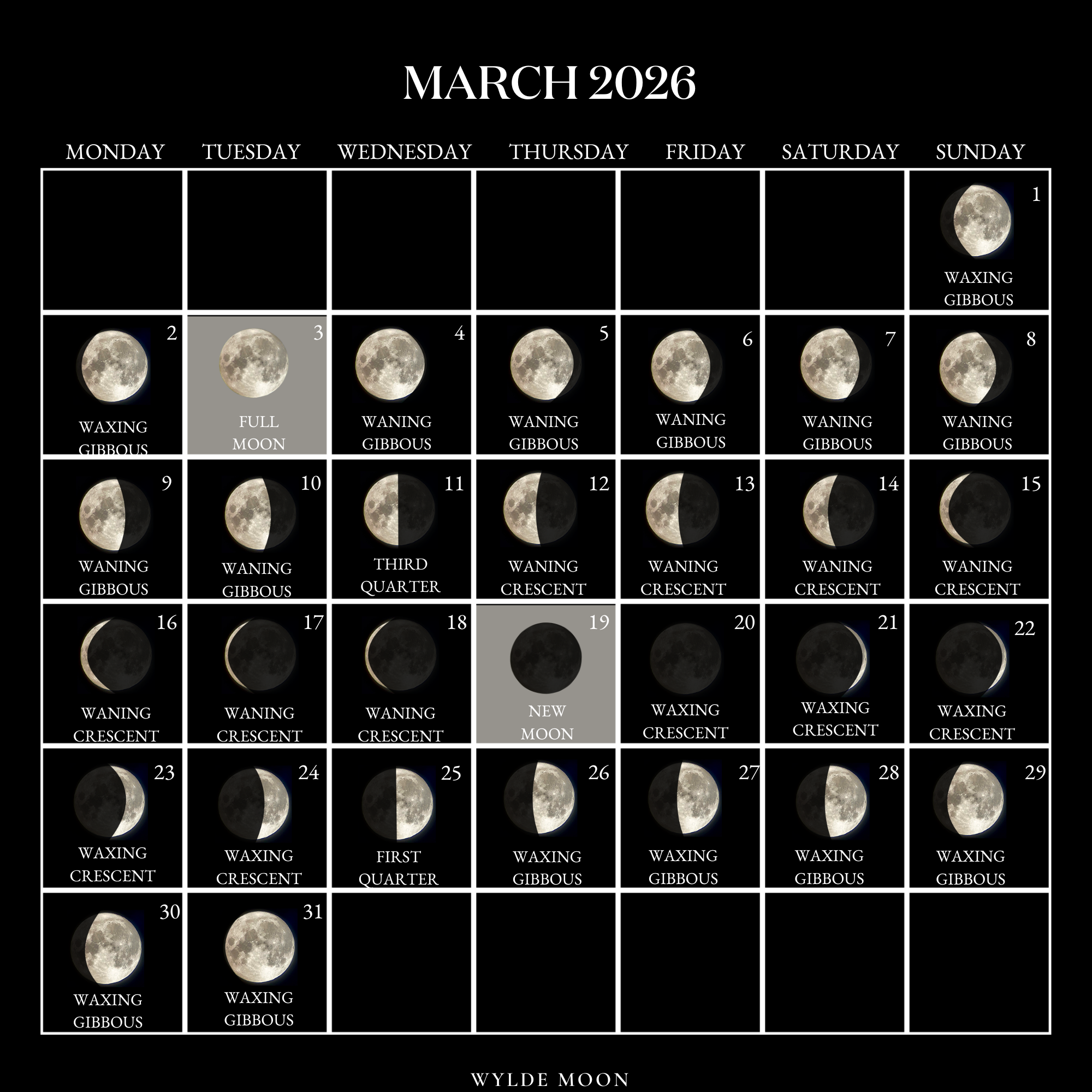
But there’s an even bigger reason to look up this March! This isn’t just any Full Moon; it coincides with a Total Lunar Eclipse, a breathtaking celestial event where the Moon passes entirely through Earth’s darkest shadow, often appearing a stunning reddish-orange hue – a ‘Blood Moon’. We’ll break down exactly when and where you can witness this rare spectacle from the USA.
Pinpointing the March 2026 Full Moon: Exact Time for the USA
Understanding universal time is helpful, but what you really want to know is when the Full Moon peaks in your backyard. Since the peak illumination occurs during daylight hours in many parts of the US, the Moon will appear full and brilliant for roughly a day before and after this precise moment. This means the night of Monday, March 2nd leading into Tuesday, March 3rd, will offer your best viewing opportunities.
The Peak Moment: UTC and Your Local Time Zone
Here’s a quick conversion table for major US time zones, so you can easily pinpoint the exact peak of the March 2026 Full Moon where you are:
| Time Zone | Local Peak Time (March 3, 2026) | Notes for Viewing |
|---|---|---|
| UTC (Coordinated Universal Time) | 11:38 AM | Global reference time. |
| EST (Eastern Standard Time) | 6:38 AM | Just before sunrise; look West. |
| CST (Central Standard Time) | 5:38 AM | Early morning; best viewing likely night of March 2. |
| MST (Mountain Standard Time) | 4:38 AM | Deep morning hours; night of March 2-3 is key. |
| PST (Pacific Standard Time) | 3:38 AM | Still dark; excellent viewing night of March 2. |
The “Worm Moon”: Unearthing Its Ancient Roots and Meaning
Every Full Moon has a traditional name, often rooted in the natural cycles observed by indigenous cultures and early European settlers. The March Full Moon is famously known as the Worm Moon.
Why “Worm Moon”? A Look at Indigenous Names
The name Worm Moon is primarily attributed to Native American tribes, particularly those from the northern and eastern parts of North America. It signifies the gradual warming of the earth, as the frozen ground begins to thaw and soften. With the thaw, earthworms and other soil organisms become active and start to emerge, signaling the return of migratory birds (who feed on them) and the impending arrival of spring.
It’s a beautiful, direct observation of nature’s awakening after winter’s long sleep. Other names for the March Full Moon reflect similar themes of rebirth and transition:
- Crow Moon: Named by other tribes, signifying the cawing of crows announcing the end of winter.
- Sap Moon: Reflecting the time when maple sap begins to run, crucial for making maple syrup.
- Crust Moon: Referring to the crust that forms on top of snow as it melts and refreezes during the day and night.
- Lenten Moon: In Christian traditions, this moon often falls during the period of Lent.
What Does the Worm Moon Symbolize?
Beyond its literal origins, the Worm Moon carries powerful symbolic weight. It represents renewal, emergence, and the breaking of old patterns. Just as the earth comes alive, shedding its winter dormancy, this Full Moon invites us to:
- Shake off stagnation: Release what no longer serves us.
- Embrace new beginnings: Plant seeds for future growth, both literally and metaphorically.
- Reconnect with nature: Witness the subtle shifts as the world reawakens.
It’s a time for reflection on what you want to cultivate as spring approaches, and to prepare for new cycles of energy and activity.

A Celestial Spectacle: The Total Lunar Eclipse of March 2026
The March 2026 Full Moon isn’t just about worms; it’s also set to deliver a stunning Total Lunar Eclipse! This is a much rarer and more dramatic event than a partial eclipse, and it’s something you definitely won’t want to miss if visible from your location.
What is a Total Lunar Eclipse? (And Why This One is Special)
A lunar eclipse occurs when the Earth passes directly between the Sun and the Moon, casting a shadow on the lunar surface. A total lunar eclipse means the Moon enters the Earth’s darkest, central shadow, called the umbra. Even during totality, the Moon doesn’t completely disappear. Instead, sunlight filtered through Earth’s atmosphere bends and scatters, allowing some red and orange light to reach the Moon, giving it its famous ‘Blood Moon’ appearance.

This particular eclipse is special because total lunar eclipses aren’t an annual occurrence for every region. The alignment of the Sun, Earth, and Moon must be precise for the Moon to pass fully into the umbra. The fact that it coincides with the traditional Worm Moon adds another layer of mystique to this already captivating event.
Visibility in the USA: Will You See the “Blood Moon”?
Excellent news for North America! The Total Lunar Eclipse of March 2026 will be visible across most of North and South America, as well as parts of Europe, Africa, and the Arctic. This means a significant portion of the USA will have a chance to witness the ‘Blood Moon’ phenomenon.
The eclipse will occur in the very early morning hours of Tuesday, March 3, 2026. For those on the East Coast, the entire eclipse will unfold before sunrise. For Western states, it will be visible high in the sky during the pre-dawn hours. Here’s a detailed breakdown of the key stages and their approximate times for US time zones:
| Eclipse Stage | UTC Time (March 3, 2026) | EST (March 3, 2026) | CST (March 3, 2026) | MST (March 3, 2026) | PST (March 3, 2026) |
|---|---|---|---|---|---|
| Penumbral Eclipse Begins | 09:47 AM | 04:47 AM | 03:47 AM | 02:47 AM | 01:47 AM |
| Partial Eclipse Begins | 10:50 AM | 05:50 AM | 04:50 AM | 03:50 AM | 02:50 AM |
| Total Eclipse Begins | 11:38 AM | 06:38 AM | 05:38 AM | 04:38 AM | 03:38 AM |
| Maximum Eclipse (Full Moon Peak) | 12:09 PM | 07:09 AM | 06:09 AM | 05:09 AM | 04:09 AM |
| Total Eclipse Ends | 12:41 PM | 07:41 AM | 06:41 AM | 05:41 AM | 04:41 AM |
| Partial Eclipse Ends | 01:44 PM | 08:44 AM | 07:44 AM | 06:44 AM | 05:44 AM |
| Penumbral Eclipse Ends | 02:47 PM | 09:47 AM | 08:47 AM | 07:47 AM | 06:47 AM |
Important Note: Times are for the contiguous USA. For Alaska and Hawaii, please refer to local astronomical resources for precise timing, though the eclipse will generally be visible. The penumbral phases are often difficult to discern with the naked eye, but the partial and especially the total phases are truly unmissable.
How to Safely Observe the Lunar Eclipse
Unlike solar eclipses, lunar eclipses are perfectly safe to view directly with the naked eye. You don’t need any special equipment or filters. Here are a few tips to enhance your viewing experience:
- Find a Dark Spot: Head away from city lights if possible for the best views.
- Look West (Morning): As the eclipse occurs in the early morning, the Moon will be setting in the western sky.
- Binoculars or Telescope: While not necessary, binoculars or a small telescope will give you a closer look at the Moon’s surface and the subtle color changes during the eclipse.
- Bundle Up: Early March mornings can still be chilly, so dress warmly!
- Enjoy the Show: Take your time, relax, and soak in the incredible beauty of our planet’s shadow playing across the Moon.
Beyond March: The Full Moons of 2026 at a Glance
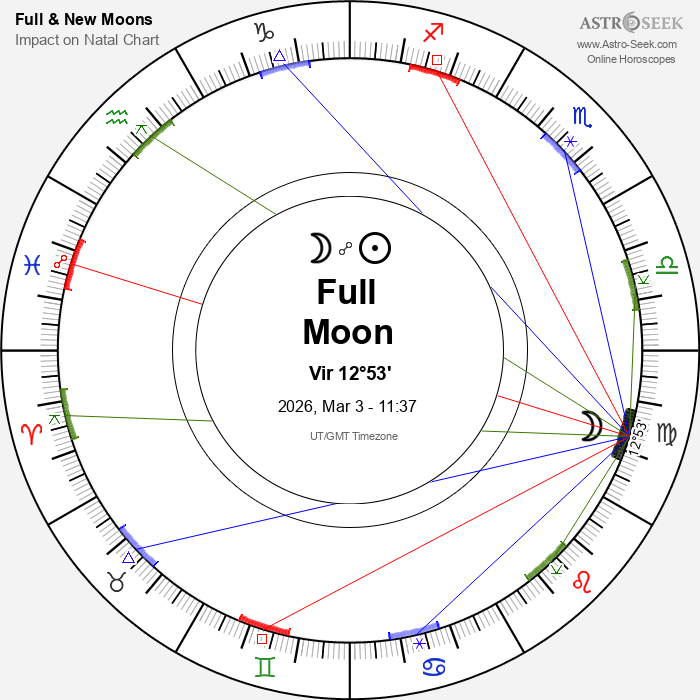
While March offers a particularly exciting Full Moon, 2026 is full of lunar wonders. There will be 13 Full Moons in 2026, including a rare ‘Blue Moon’ in May, as well as another total lunar eclipse in August. Here’s a handy calendar to keep track of all the Full Moons throughout the year:
Your 2026 Full Moon Calendar
| Month | Date | Time (UTC) | Traditional Name | Special Events |
|---|---|---|---|---|
| January | Saturday, Jan 3 | 10:03 AM | Wolf Moon | – |
| February | Sunday, Feb 1 | 10:09 PM | Snow Moon | – |
| March | Tuesday, Mar 3 | 11:38 AM | Worm Moon | Total Lunar Eclipse |
| April | Wednesday, Apr 1 | 03:12 AM | Pink Moon | – |
| May (1st) | Friday, May 1 | 06:23 PM | Flower Moon | – |
| May (2nd) | Sunday, May 31 | 09:45 AM | Blue Moon | Seasonal Blue Moon |
| July | Monday, Jul 29 | 12:47 AM | Buck Moon | – |
| August | Tuesday, Aug 27 | 03:32 PM | Sturgeon Moon | Total Lunar Eclipse |
| September | Thursday, Sep 25 | 05:54 AM | Harvest Moon | – |
| October | Saturday, Oct 24 | 07:50 PM | Hunter’s Moon | – |
| November | Monday, Nov 23 | 09:21 AM | Beaver Moon | – |
| December | Tuesday, Dec 22 | 10:32 PM | Cold Moon | – |
Understanding Lunar Phases: A Quick Refresher
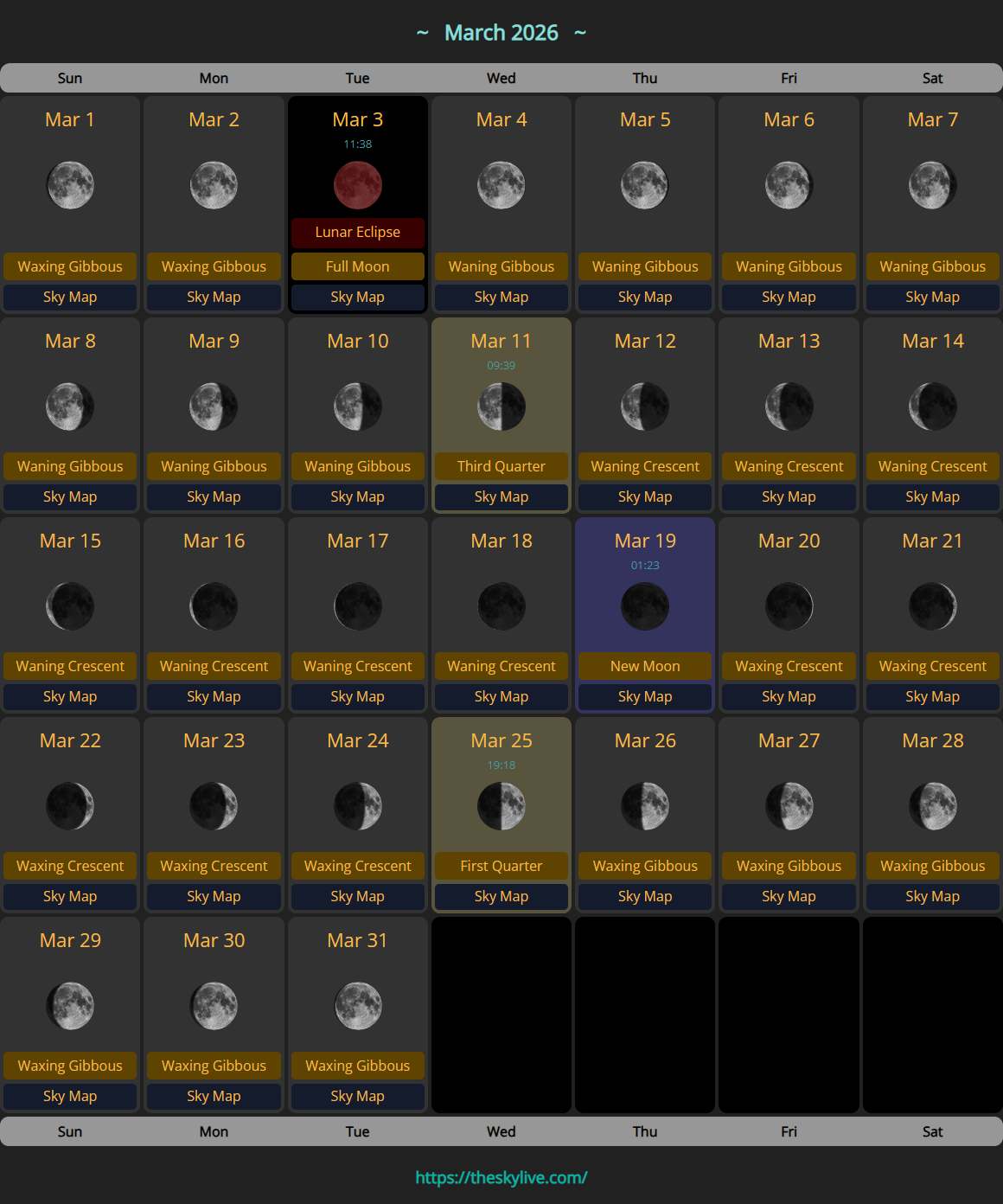
The Full Moon is just one spectacular moment in the Moon’s continuous cycle around Earth. Our Moon doesn’t actually change shape; rather, the amount of its illuminated surface visible to us from Earth changes as it orbits. This is what we call its phases.
From New Moon to Full Moon and Back Again
The lunar cycle, lasting approximately 29.5 days, progresses through eight main phases:
- New Moon: The Moon is between the Earth and the Sun, making it invisible to us.
- Waxing Crescent: A sliver of light appears, growing larger each night.
- First Quarter: Half of the Moon’s face is illuminated.
- Waxing Gibbous: More than half, but not yet fully illuminated, growing towards fullness.
- Full Moon: The entire face of the Moon is illuminated, directly opposite the Sun from Earth.
- Waning Gibbous: The illumination starts to decrease after the Full Moon.
- Last Quarter: The other half of the Moon’s face is illuminated, shrinking towards invisibility.
- Waning Crescent: A final sliver of light, shrinking before the New Moon.
Understanding these phases helps you appreciate the journey the March 2026 Full Moon takes to reach its brilliant peak.
Harnessing the Energy of the Full Moon
For centuries, cultures around the world have acknowledged the powerful influence of the Full Moon. While scientific evidence of its direct impact on human behavior is debated, many people find it a potent time for reflection, release, and manifestation.
Reflect, Release, Recharge: Full Moon Practices
Whether you’re an avid astrologer or simply curious, the March 2026 Full Moon, with its strong themes of emergence and transformation, can be a wonderful time to engage in some mindful practices:
- Reflect: Take time to review the intentions you set around the previous New Moon. What has grown? What challenges have you overcome?
- Release: The Full Moon is considered an ideal time to let go of what no longer serves you – old habits, negative thoughts, or limiting beliefs. Write them down and symbolically release them.
- Recharge: Simply bask in the moonlight. Some believe that placing crystals or even water outside under the Full Moon can cleanse and recharge them.
- Connect with Nature: Step outside, breathe in the fresh March air, and acknowledge the powerful shift happening in the natural world as spring approaches.
The March 2026 Full Moon, especially with its accompanying total lunar eclipse, is a powerful reminder of the cyclical nature of life and the constant opportunity for renewal. Take a moment to look up and appreciate this truly special celestial event!
Frequently Asked Questions
When exactly is the March 2026 Full Moon in the USA?
The March 2026 Full Moon, also known as the Worm Moon, will peak at 11:38 AM UTC on Tuesday, March 3, 2026. For the contiguous USA, this translates to early morning hours: 6:38 AM EST, 5:38 AM CST, 4:38 AM MST, and 3:38 AM PST. The moon will appear full the night before (March 2) and the morning of March 3.
What is the significance of the Worm Moon?
The Worm Moon is the traditional name for the March Full Moon, primarily used by Native American tribes. It signifies the thawing of the ground, which allows earthworms to emerge and migratory birds to return, signaling the start of spring and the end of winter’s dormancy. It symbolizes renewal and new beginnings.
Will there be a lunar eclipse in March 2026?
Yes, the March 2026 Full Moon will coincide with a Total Lunar Eclipse. This means the Moon will pass entirely through Earth’s darkest shadow, appearing as a reddish ‘Blood Moon’.
Can I see the March 2026 lunar eclipse from anywhere in the USA?
Yes, the Total Lunar Eclipse of March 2026 will be visible across most of North and South America, including the vast majority of the contiguous USA. It will occur in the very early morning hours of Tuesday, March 3, 2026.
How often do full moons occur?
Full moons occur approximately once every 29.5 days, which is the length of one lunar cycle. This means there is typically one full moon per calendar month, though some years have 13 full moons, leading to a ‘Blue Moon’.
What’s the difference between a total lunar eclipse and a partial lunar eclipse?
In a total lunar eclipse, the entire Moon passes through Earth’s darkest shadow (the umbra), often turning reddish. In a partial lunar eclipse, only a portion of the Moon enters the umbra, appearing as if a ‘bite’ has been taken out of it. Total eclipses are more dramatic and rarer.
Is it safe to look at a lunar eclipse?
Yes, it is absolutely safe to look directly at a lunar eclipse with the naked eye. No special protective eyewear or equipment is needed, unlike with solar eclipses. Binoculars or a telescope can enhance the view, but are not required.
