Your Ultimate Guide to the March 2026 Full Moon: The Worm Moon & Total Lunar Eclipse!
Get ready, stargazers! Mark your calendars for Tuesday, March 3, 2026. This isn’t just any full moon; it’s the mystical Worm Moon, and it brings with it a spectacular celestial show: a Total Lunar Eclipse visible across much of the Americas! If you’ve ever wanted to witness the Moon transform into a stunning reddish hue, this is your chance.
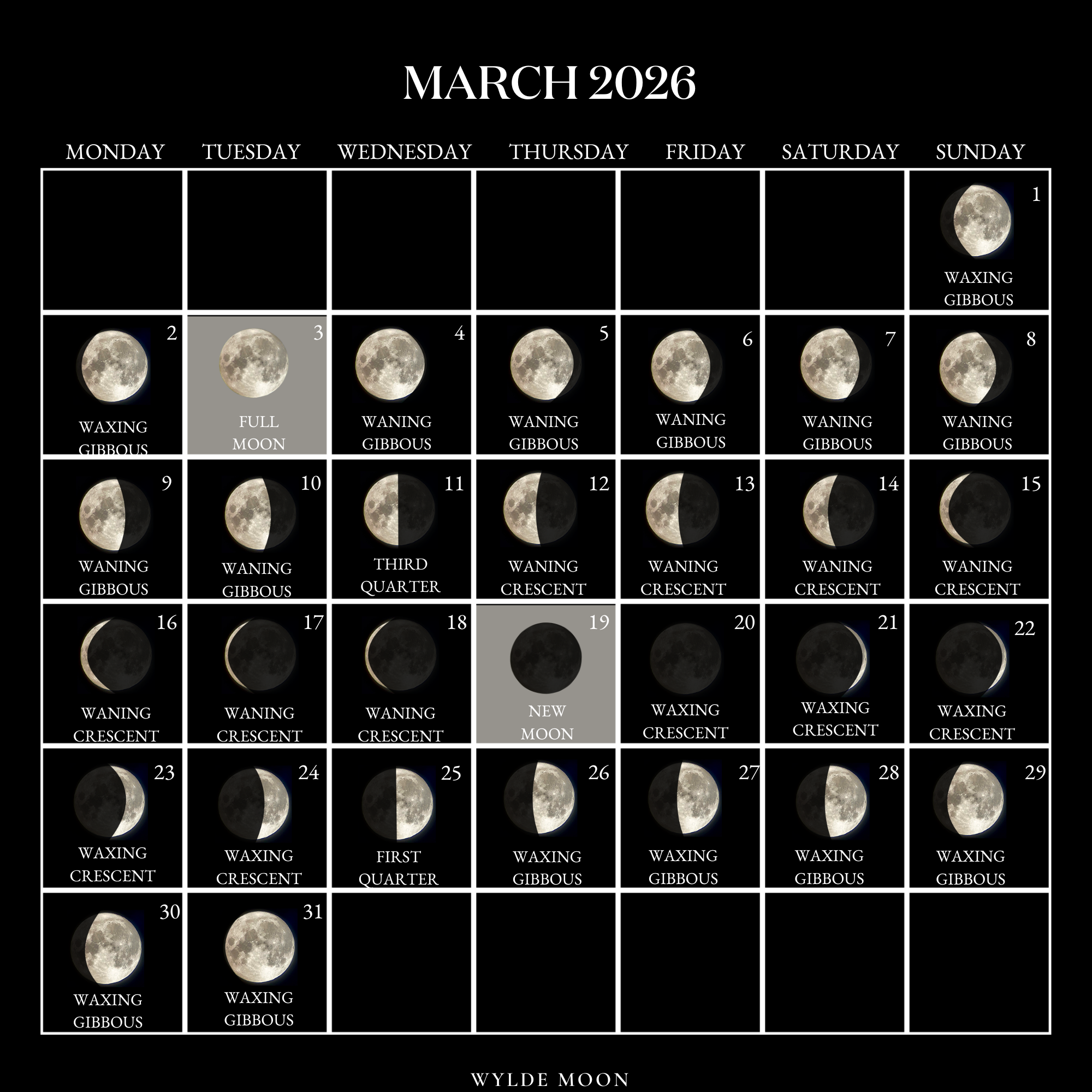
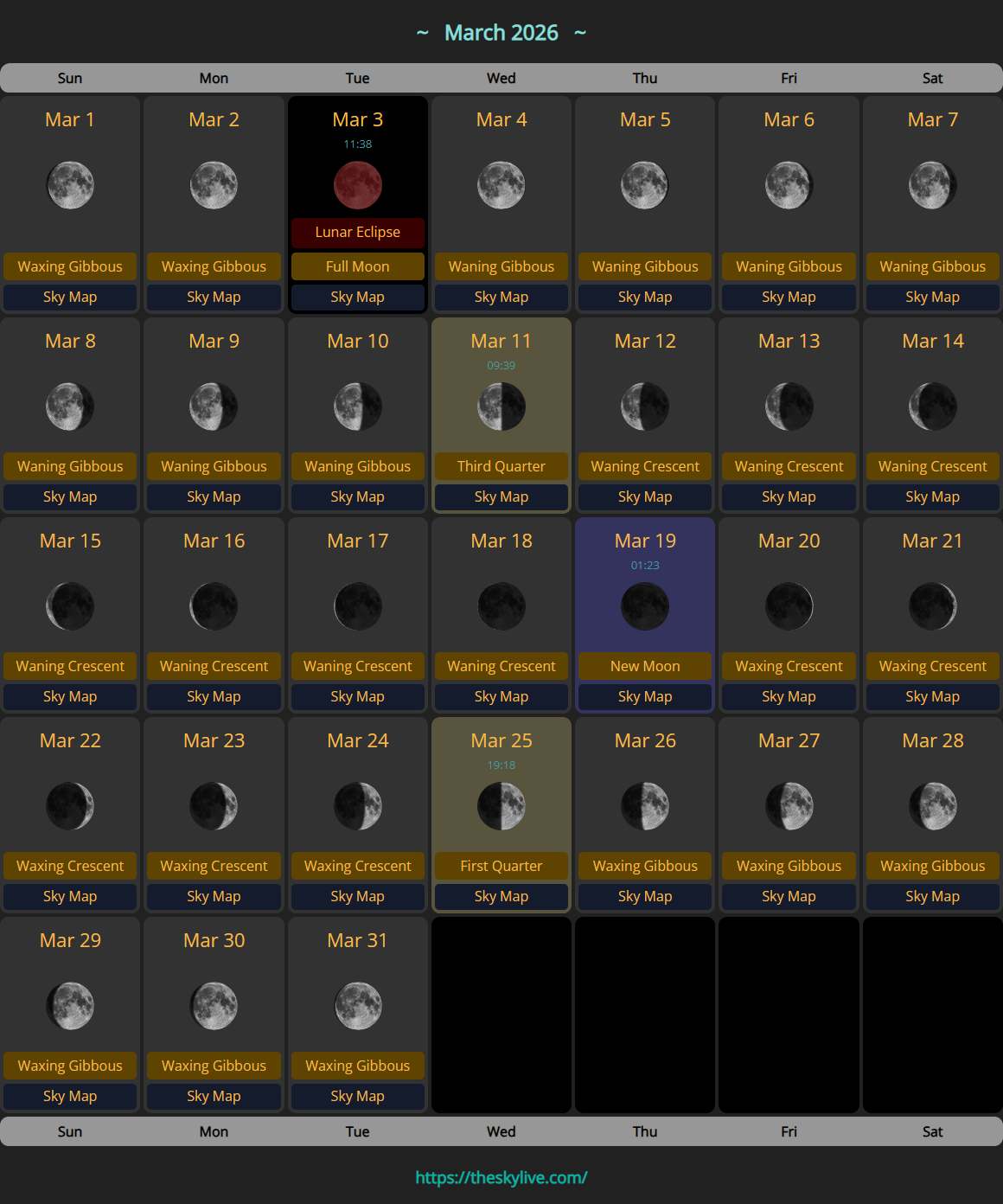
No need to search endlessly for the exact time. We’ve got the definitive answer right here. The March 2026 Full Moon reaches its peak illumination at 6:38 AM Eastern Time (ET) on March 3rd. And yes, the total lunar eclipse will be unfolding in the hours leading up to and after this peak, offering an unforgettable early morning spectacle!

To help you prepare, here’s a quick glance at when to catch this cosmic event in your local US time zone:
| US Time Zone | Date & Time of Peak Full Moon Illumination |
|---|---|
| Eastern Time (ET) | Tuesday, March 3, 2026, 6:38 AM |
| Central Time (CT) | Tuesday, March 3, 2026, 5:38 AM |
| Mountain Time (MT) | Tuesday, March 3, 2026, 4:38 AM |
| Pacific Time (PT) | Tuesday, March 3, 2026, 3:38 AM |
Ready for more? Let’s dive deeper into what makes this particular full moon a must-see event!
When Exactly is the March 2026 Full Moon? Pinpointing the Peak
For those who love precision, the Moon is considered ‘full’ at the exact moment it’s 100% illuminated by the Sun, appearing as a perfect circle in our sky. This precise moment for the March 2026 Full Moon occurs at:
The Exact Moment of Fullness
- Universal Time Coordinated (UTC): Tuesday, March 3, 2026, 11:38 AM UTC
UTC is the global standard, and it’s what astronomers typically use. But for us on the ground in the United States, we need to convert that to our local time zones to know exactly when to look up!
Your Time Zone Matters: A Detailed US Breakdown
As you saw in our quick-reference table, the peak illumination time shifts depending on where you are in the USA. This is because the Earth is rotating, and different longitudes experience this universal moment at different local clock times. So, while the Moon itself is full everywhere at the same cosmic instant, your watch will tell you a different story.
To ensure you don’t miss a second of this celestial show, especially the accompanying eclipse, having the correct local time is crucial. The table below reinforces the key times for the most populated regions of the US:
| Region / Time Zone | Local Date & Time | Key Cities |
|---|---|---|
| Eastern Time (ET) | Tuesday, March 3, 2026, 6:38 AM | New York, Miami, Boston, Atlanta |
| Central Time (CT) | Tuesday, March 3, 2026, 5:38 AM | Chicago, Houston, Dallas, New Orleans |
| Mountain Time (MT) | Tuesday, March 3, 2026, 4:38 AM | Denver, Phoenix, Salt Lake City, Albuquerque |
| Pacific Time (PT) | Tuesday, March 3, 2026, 3:38 AM | Los Angeles, San Francisco, Seattle, Las Vegas |
The Star of the Show: March 2026’s Total Lunar Eclipse!
Here’s where the March 2026 Full Moon really shines – it’s accompanied by a magnificent Total Lunar Eclipse! This is a truly special event that will turn the Moon into a captivating reddish-orange spectacle.

What Makes This Eclipse Special?
A lunar eclipse occurs when the Earth passes directly between the Sun and the Moon, casting a shadow on our lunar neighbor. Unlike a solar eclipse, which requires special eye protection, a lunar eclipse is perfectly safe to watch with the naked eye.
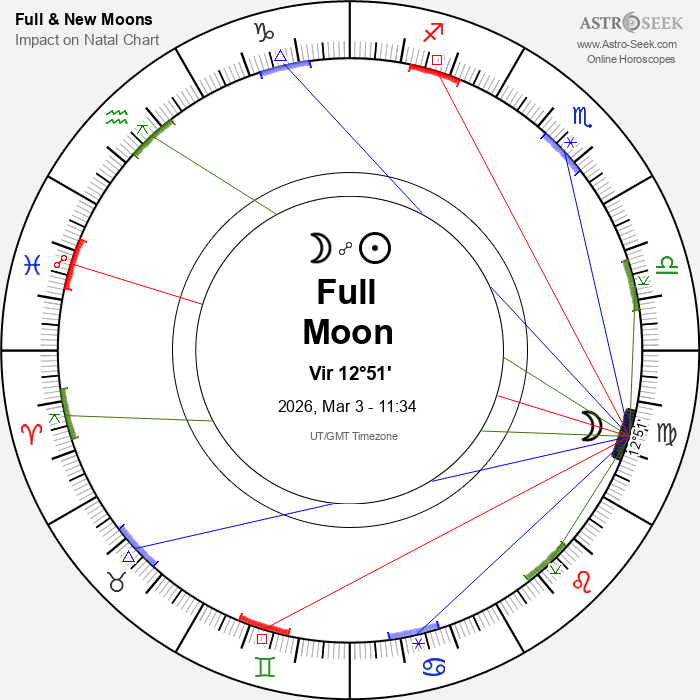
During a total lunar eclipse, the Moon enters the Earth’s darkest shadow, called the umbra. Even then, it doesn’t disappear completely. Instead, some sunlight filters through Earth’s atmosphere, bends, and scatters, projecting a spectrum of red and orange hues onto the Moon’s surface. This is what gives us the famous “Blood Moon” effect – a sight that has captivated humanity for millennia.
Eclipse Timings for the USA (Mark Your Calendars!)
For those on the North American continent, the eclipse will primarily take place overnight on March 2nd, continuing into the early morning of March 3rd, making it an excellent opportunity for early risers or night owls. Here are the approximate timings for each phase, centered around the Eastern Time Zone:
| Eclipse Phase | Date & Time (ET) | Description |
|---|---|---|
| Penumbral Eclipse Begins | Monday, March 2, 2026, 11:40 PM | The Moon enters Earth’s faint outer shadow. Subtle darkening may be visible. |
| Partial Eclipse Begins | Tuesday, March 3, 2026, 12:50 AM | The Moon enters Earth’s dark inner shadow (umbra). A noticeable ‘bite’ appears. |
| Total Eclipse Begins | Tuesday, March 3, 2026, 2:00 AM | The Moon is fully within the umbra, glowing reddish. |
| Maximum Eclipse | Tuesday, March 3, 2026, 2:49 AM | Deepest red, most dramatic view. |
| Total Eclipse Ends | Tuesday, March 3, 2026, 3:38 AM | The Moon begins to exit the umbra, bright light returns. |
| Partial Eclipse Ends | Tuesday, March 3, 2026, 4:48 AM | The Moon completely exits the umbra, returning to full brightness. |
| Penumbral Eclipse Ends | Tuesday, March 3, 2026, 5:58 AM | The Moon fully exits the penumbra. The eclipse is over. |
Note: These times are approximate for the Eastern Time Zone. Adjust accordingly for your local time (e.g., subtract one hour for CT, two for MT, three for PT). The full moon peak itself is at 6:38 AM ET, so the moon will still be beautifully illuminated as the eclipse finishes.
Where in the USA Can You See It?
One of the best things about lunar eclipses is their wide visibility! This Total Lunar Eclipse on March 3, 2026, will be visible from significant portions of North and South America. For observers across the contiguous United States, Canada, and Mexico, you will have a fantastic view of at least the partial and total phases, weather permitting.
- East Coast (ET): You’ll catch the entire spectacle, from the subtle penumbral phase through totality and the moon’s exit from the umbra, all before sunrise.
- Central US (CT): Similar to the East Coast, the entire eclipse will be visible, concluding shortly after the Moon sets for some western parts of the time zone.
- Mountain West (MT): The eclipse will be well underway when the Moon begins to set, but you should still be able to witness the total phase and much of the partial phase.
- Pacific Coast (PT): Observers here will catch the dramatic total phase and the beginning of the partial eclipse before moonset, offering stunning views as the moon dips towards the horizon.
Regardless of your location, find a clear view of the western horizon in the early morning hours of March 3rd!
How to Safely Observe the Lunar Eclipse
Unlike solar eclipses, observing a lunar eclipse requires no special equipment or protective eyewear. The Moon’s light, even when eclipsed, is not harmful to your eyes. Here’s how to make the most of it:
- Find a Dark Spot: While not strictly necessary, getting away from bright city lights will enhance the view of the fainter penumbral phases and make the ‘blood red’ color more vibrant.
- Look West: The Moon will be setting in the western sky in the pre-dawn hours of March 3rd.
- Binoculars or Telescope (Optional): These can offer a magnified view, revealing craters and surface details, and make the subtle color variations even more striking.
- Dress Warmly: It’s March, and early mornings can be chilly! Bring a blanket, a warm drink, and perhaps a comfortable chair.
- Bring Company: Sharing the experience with friends or family makes it even more memorable.
Unearthing the “Worm Moon”: Names and Lore
Beyond its astronomical significance, every full moon carries a traditional name, and March’s is particularly evocative: the Worm Moon.
What is the Worm Moon?
The name “Worm Moon” originated from several Native American tribes and early colonial settlers. It refers to the time of year when the ground begins to thaw after the long winter, and earthworms (or ‘casting’ worms, referring to beetle larvae) start to emerge from the soil. This emergence signals the return of migratory birds, who feed on these worms, and the true beginning of spring.
It’s a beautiful, naturalistic reminder of the cycle of life, rebirth, and the changing seasons. The sight of the full moon in March became synonymous with this vital turning point in the natural world.
Other Names for the March Full Moon
Different cultures and regions had their own ways of marking the march full moon, reflecting their unique environments and practices:
- Crow Moon: Some tribes referred to it as the Crow Moon, as the cawing of crows signaled the end of winter.
- Sap Moon: In areas where maple syrup production was vital, it was known as the Sap Moon, indicating the time for tapping maple trees as the sap begins to flow.
- Sugar Moon: Similar to the Sap Moon, this name highlights the sweet bounty of spring.
- Lenten Moon: In Christian traditions, this full moon often falls during Lent, a period of fasting and reflection before Easter.
Regardless of the name, the March Full Moon universally signifies a time of awakening and renewal.
Beyond the Glow: Understanding Moon Phases & Their Impact
The full moon is more than just a pretty sight; it’s a powerful astronomical phenomenon with tangible effects on our planet and a rich tapestry of folklore surrounding it.
The Science Behind the Full Moon
A full moon occurs when the Moon is directly opposite the Sun in its orbit around Earth. From our perspective, the entire face of the Moon is illuminated, reflecting sunlight back to us. This alignment also places the Earth, Moon, and Sun in a nearly straight line, which has significant gravitational consequences.
The gravitational pull of the Moon and the Sun combine to create stronger-than-average tides on Earth, known as spring tides (no relation to the season, but derived from the idea of tides ‘springing up’). You might notice higher high tides and lower low tides around the time of the full moon (and new moon).
Full Moon Effects: Fact vs. Fiction
Throughout history, the full moon has been blamed for everything from erratic behavior and increased crime to sleepless nights and even madness (hence ‘lunacy’). While these ideas are deeply ingrained in culture, scientific studies have largely failed to find a direct, consistent link between the full moon and human behavior or physical health. Our bodies are complex, and while some individuals might feel more energetic or restless, these are often anecdotal observations rather than scientifically proven correlations.
However, the full moon’s bright light can certainly affect sleep patterns, especially if you’re sensitive to light or have thin curtains! It’s a reminder that while the Moon’s influence might not be mystical, its presence is undeniably powerful.
Maximizing Your March 2026 Full Moon Experience
With a full moon and a total lunar eclipse on the agenda, March 2026 promises a truly special opportunity for connection with the cosmos. Here’s how to make the most of it:
Prime Stargazing Tips
- Plan Ahead: Check your local weather forecast for March 3rd. Clear skies are your best friend!
- Find Your Spot: Identify a location with an unobstructed view of the western sky, ideally away from bright artificial lights for the eclipse. A park, open field, or even your backyard can work.
- Layer Up: Even if the day is mild, pre-dawn temperatures can be surprisingly cool.
- Set an Alarm: Don’t rely on waking up naturally. An alarm will ensure you catch the peak eclipse moments.
- Be Patient: The subtle changes during the penumbral phase take time to develop. Enjoy the gradual transformation.
Photography Pointers
Capturing a lunar eclipse can be incredibly rewarding, even with a smartphone:
- Use a Tripod: Essential for steady shots, especially in low light and for longer exposures.
- Manual Mode: If your camera or phone allows, experiment with ISO, shutter speed, and aperture.
- Zoom In: A telephoto lens or zoom on your phone will help capture details.
- Experiment with Exposure: The Moon’s brightness changes dramatically during an eclipse. Take multiple shots with different settings.
- Include Foreground: Frame the Moon with trees, buildings, or a landscape for a more artistic shot.
Embrace the Moment
Beyond the technicalities, take a moment to simply appreciate the grandeur of the cosmos. Whether you’re alone or with loved ones, observing the Moon’s dance with Earth’s shadow is a profound experience that connects us to ancient civilizations and the vastness of space. Let the beauty of the Worm Moon and its accompanying eclipse inspire wonder and reflection.
Your 2026 Full Moon Calendar: A Glimpse Ahead
The March Worm Moon and its eclipse are just one of many celestial highlights in 2026! Here’s a brief look at the full moons throughout the rest of the year, so you can plan your future stargazing adventures:
| Month | Date of Full Moon | Traditional Name | Approx. Peak Time (ET) | Notes |
|---|---|---|---|---|
| January | Saturday, January 3 | Wolf Moon | 5:03 AM | |
| February | Sunday, February 1 | Snow Moon | 5:09 PM | |
| March | Tuesday, March 3 | Worm Moon | 6:38 AM | Total Lunar Eclipse! |
| April | Wednesday, April 1 | Pink Moon | 10:12 PM | |
| May | Friday, May 1 | Flower Moon | 1:23 PM | |
| May | Sunday, May 31 | Flower Moon (Blue Moon) | 9:45 AM | Second full moon in May (monthly blue moon) |
| June | Monday, June 29 | Strawberry Moon | 9:46 PM | |
| July | Wednesday, July 29 | Buck Moon | 9:09 AM | |
| August | Thursday, August 27 | Sturgeon Moon | 7:10 PM | |
| September | Saturday, September 26 | Harvest Moon | 3:38 AM | Closest full moon to autumnal equinox |
| October | Sunday, October 25 | Hunter’s Moon | 10:07 AM | |
| November | Monday, November 23 | Beaver Moon | 4:38 PM | |
| December | Wednesday, December 23 | Cold Moon | 9:50 PM |
There you have it! The March 2026 Full Worm Moon is set to be a truly memorable event, not just for its poetic name but for the dazzling Total Lunar Eclipse that will accompany it. From understanding its precise timing in your local time zone to appreciating its cultural significance and preparing for optimal viewing, you are now fully equipped to enjoy this spectacular cosmic dance. Set your alarms, find a clear sky, and prepare to be amazed!
Frequently Asked Questions
What is the exact date and time of the Full Moon in March 2026 for the USA?
The Full Moon in March 2026, known as the Worm Moon, reaches its peak illumination on Tuesday, March 3, 2026, at 6:38 AM Eastern Time (ET). You’ll need to adjust this for other US time zones: 5:38 AM CT, 4:38 AM MT, and 3:38 AM PT.
Will there be a lunar eclipse in March 2026, and will it be visible in the USA?
Yes, the March 2026 Full Moon coincides with a spectacular Total Lunar Eclipse! This eclipse will be widely visible across much of North and South America, including the contiguous United States. It will occur overnight on March 2nd into the early morning hours of March 3rd.
What time will the Total Lunar Eclipse start and end in the USA?
The Total Lunar Eclipse will begin its partial phase around 12:50 AM ET on March 3, 2026, reach its maximum totality around 2:49 AM ET, and conclude its partial phase by 4:48 AM ET. The subtle penumbral phases will occur before and after these times. Adjust these timings for your local US time zone.
Why is the March Full Moon called the ‘Worm Moon’?
The ‘Worm Moon’ name comes from Native American traditions, referring to the time of year when the ground thaws, and earthworms begin to emerge from the soil. This signals the return of migratory birds and the true onset of spring.
Do I need special equipment to view the March 2026 Total Lunar Eclipse?
No, you do not need any special equipment or eye protection to safely view a total lunar eclipse. It is perfectly safe to observe with the naked eye. However, binoculars or a small telescope can enhance your viewing experience by revealing more details on the Moon’s surface and highlighting its ‘blood red’ color.
What other names does the March Full Moon have?
Besides the ‘Worm Moon,’ it is also known by names such as the ‘Crow Moon’ (signaling the end of winter by crow caws), the ‘Sap Moon’ or ‘Sugar Moon’ (due to maple syrup season), and the ‘Lenten Moon’ in some Christian traditions.
