March 2026 Full Moon in India: Your Guide to the Worm Moon & Subtle Lunar Eclipse
Stargazers and celestial enthusiasts, mark your calendars! The March 2026 Full Moon in India promises to be an intriguing event, not just for its radiant glow but also for a subtle companion: a penumbral lunar eclipse. If you’re looking for the definitive details, you’ve come to the right place.

Let’s cut right to the chase:
The Essential Details: March 2026 Full Moon in India
- Date: Tuesday, March 3, 2026
- Peak Time (IST): 5:08 PM Indian Standard Time (IST)
- Traditional Name: The Worm Moon
- Special Event: A Penumbral Lunar Eclipse will occur earlier in the day, partially visible from India.
For those of us tracking the moon’s majestic journey from across the globe, understanding these precise timings and phenomena is key to appreciating its grandeur. Especially for our friends in the USA, remember India is significantly ahead on the clock, so planning your observation or contemplation requires a little time-zone navigation.
Unpacking the March 2026 Full Moon: What You Need to Know
The Exact Moment: March 3, 2026 at 5:08 PM IST
When we talk about the ‘peak time’ of a full moon, we’re referring to the precise moment when the Moon is directly opposite the Sun in its orbit around Earth. At this point, the Moon’s face is 100% illuminated by the Sun, appearing as a perfect, luminous disc in our night sky. For the March 2026 Full Moon, this exact alignment occurs at 5:08 PM Indian Standard Time on Tuesday, March 3rd.
While the moon will appear ‘full’ to the naked eye for roughly a day before and after this peak moment, this specific time represents the apex of its illumination. For observers in India, this means the full moon will rise in its magnificent fullness shortly after the peak, making for a truly spectacular evening viewing, provided the skies are clear.
For our readers in the USA, this 5:08 PM IST timing translates to a significantly earlier part of your day. For example, if you’re on Eastern Standard Time (EST), India is 10.5 hours ahead. So, 5:08 PM IST on March 3rd would be 6:38 AM EST on March 3rd. If you’re on Pacific Standard Time (PST), India is 13.5 hours ahead, meaning 5:08 PM IST is 3:38 AM PST on March 3rd. Keep these differences in mind if you’re coordinating with friends or family in India!
The Worm Moon: Origins and Significance
Every full moon has its own traditional name, often linked to seasonal changes and natural events. The March Full Moon is famously known as the “Worm Moon.” This evocative name originates from several Native American tribes, particularly in the northern and eastern parts of North America.
The name reflects the first stirrings of spring. As the ground begins to thaw after winter’s chill, earthworms emerge from the softening soil, signaling the return of robins and other birds that feed on them. It’s a powerful symbol of rebirth, renewal, and the awakening of life after a dormant winter.
While the name ‘Worm Moon’ isn’t indigenous to India, the symbolism of spring’s arrival and the natural world’s reawakening resonates universally. In many parts of India, March marks the transition from winter to the vibrant heat of summer, a period associated with new harvests, festivals like Holi (which often falls around the March full moon), and a general sense of burgeoning life. Observing the March Full Moon, regardless of its traditional name, can be a time for personal reflection on cycles of growth and change.
A Subtle Spectacle: The Penumbral Lunar Eclipse of March 2026
Here’s where the March 2026 Full Moon gets an extra layer of astronomical intrigue. It will be accompanied by a penumbral lunar eclipse. Many competitors miss or underplay this, but it’s an important celestial detail!
What is a Penumbral Lunar Eclipse?
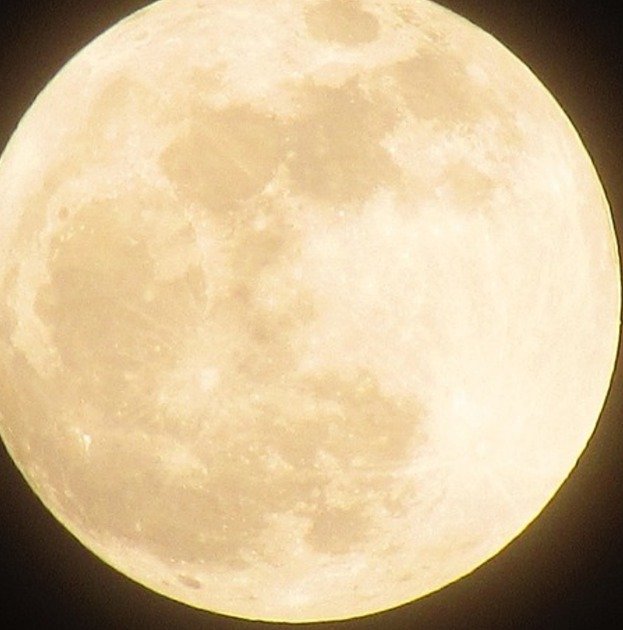
Unlike a total lunar eclipse, where the Moon passes through the darkest part of Earth’s shadow (the umbra) and often turns a dramatic reddish-orange, a penumbral eclipse is much more subtle. During a penumbral eclipse, the Moon passes only through the Earth’s outer, fainter shadow (the penumbra). This causes a slight, almost imperceptible dimming of the Moon’s brightness. It’s not a dramatic show, but rather a gentle softening of the moon’s usual luminosity.
Visibility for India:
For observers in India, the penumbral lunar eclipse on March 3, 2026, will occur during daylight and early afternoon hours, making it incredibly challenging, if not impossible, to observe with the naked eye. Here are the approximate timings for India (IST):

- Penumbral Eclipse Begins: Around 10:07 AM IST
- Maximum Eclipse: Around 12:56 PM IST
- Penumbral Eclipse Ends: Around 3:45 PM IST
Given that the eclipse concludes more than an hour before the actual full moon peaks (5:08 PM IST) and primarily takes place during the daytime in India, you won’t see the characteristic ‘full moon’ dimming against a dark sky. The moon would already be low on the horizon or below it during parts of these times, and the sun’s brightness would completely overpower any subtle dimming from the penumbra. However, it’s still a fascinating astronomical event occurring in conjunction with the full moon, visible to observers in other parts of the world, including the Americas, Europe, Africa, Asia, and Australia, where the timings might align with their nighttime.
All Full Moons in India for 2026: Your Comprehensive Calendar
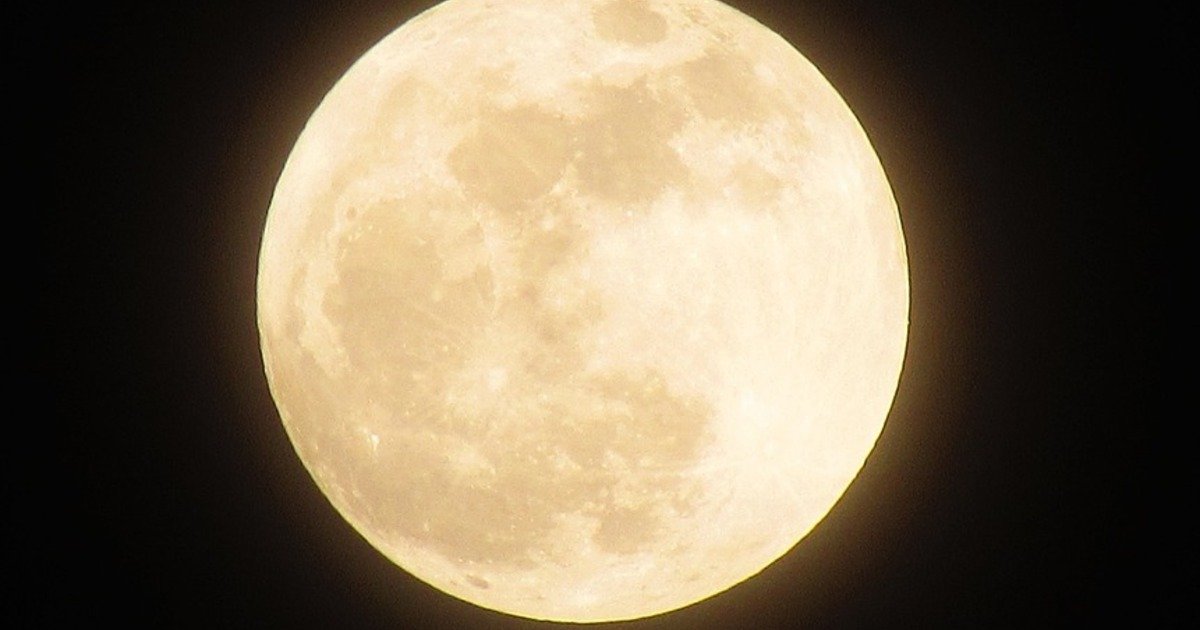
The March Full Moon is just one of many lunar delights awaiting us in 2026. To help you plan your stargazing and celestial observations throughout the year, here’s a comprehensive calendar of all the full moons visible in India, with their peak times in Indian Standard Time (IST).
| Month | Date | Time (IST) | Traditional Name | Notes / Special Event |
|---|---|---|---|---|
| January | Saturday, January 3 | 12:02 PM | Wolf Moon | Begins the year with winter’s cold glow. |
| February | Sunday, February 1 | 10:09 PM | Snow Moon | Often the coldest and snowiest month. |
| March | Tuesday, March 3 | 5:08 PM | Worm Moon | Accompanied by a Penumbral Lunar Eclipse (not visible in India at peak darkness). |
| April | Thursday, April 2 | 7:42 AM | Pink Moon | Named after early spring flowers. |
| May | Friday, May 1 | 10:53 PM | Flower Moon | A month of abundant blossoms. |
| May | Sunday, May 31 | 02:15 PM | Blue Moon | The second full moon in a single calendar month – a rare treat! |
| June | Monday, June 30 | 05:27 AM | Strawberry Moon | Associated with the strawberry harvest. |
| July | Wednesday, July 29 | 08:52 PM | Buck Moon | Named as new antlers emerge on bucks. |
| August | Friday, August 28 | 12:28 PM | Sturgeon Moon | When large fish were easily caught. |
| September | Sunday, September 27 | 04:09 AM | Harvest Moon | Closest full moon to the autumnal equinox. |
| October | Monday, October 26 | 07:44 PM | Hunter’s Moon | Time for hunting and preparing for winter. |
| November | Wednesday, November 25 | 11:04 AM | Beaver Moon | When beavers build their winter dams. |
| December | Thursday, December 24 | 01:58 AM | Cold Moon | Fitting name for the peak of winter. |
As you can see, 2026 brings us 13 full moons, including a “Blue Moon” in May – a rare occurrence when a calendar month hosts two full moons. Each full moon offers a unique opportunity to connect with the cosmos, whether through scientific observation or spiritual reflection.
Beyond the Hype: Understanding Moon Phases and Their Impact
The full moon is more than just a pretty sight; it’s a critical point in the Moon’s cycle, carrying scientific, cultural, and even personal significance. Understanding the mechanics and meaning behind it enriches the experience.
The Science Behind a Full Moon
At its core, a full moon is an astronomical event. As the Moon orbits the Earth, and the Earth orbits the Sun, the amount of sunlight reflected off the Moon’s surface that is visible from Earth changes. The lunar cycle, from one new moon to the next, takes approximately 29.5 days.
A full moon occurs when the Moon is on the opposite side of the Earth from the Sun. From our perspective on Earth, the entire face of the Moon is illuminated by the Sun’s rays. This alignment is why a full moon often rises around sunset and sets around sunrise, dominating the night sky with its brilliance.
It’s important to remember that while the Moon appears perfectly round, it’s not always in a precise line with the Earth and Sun. If it were, we’d have a lunar eclipse every month! The Moon’s orbit is slightly tilted relative to Earth’s orbit around the Sun, which is why eclipses are less frequent. When the alignment is close enough, we get phenomena like the penumbral eclipse we discussed for March 2026.
Astrological & Spiritual Perspectives in India
In India, the full moon, known as Purnima, holds profound spiritual and cultural significance. These days are considered highly auspicious in Hinduism, Jainism, and Buddhism, often associated with specific deities, rituals, and fasts.
- Hinduism: Many significant festivals and holy days are celebrated on Purnima. For example, Guru Purnima honors spiritual teachers, and Buddha Purnima commemorates the birth, enlightenment, and nirvana of Gautama Buddha. It’s believed that spiritual practices performed on Purnima are more potent, and many observe fasts or perform special pujas (worship rituals).
- Meditation & Reflection: Across various traditions, the full moon is seen as a time of heightened energy, illumination, and introspection. It’s a popular time for meditation, setting intentions, releasing what no longer serves, and expressing gratitude. The moon’s gravitational pull affects tides, and metaphorically, many believe it can influence human emotions and energies.
- Cleansing Rituals: Some traditions use the full moon’s energy for cleansing – both physical spaces and personal auras. This can involve lunar bathing (sitting under the moonlight), charging crystals, or performing rituals to purify and rejuvenate.
Whether you subscribe to these spiritual beliefs or not, the sheer beauty and regularity of the full moon offer a powerful reminder of nature’s cycles and our place within the vast cosmos. It’s a moment to pause, look up, and connect with something larger than ourselves.
Practical Tips for Full Moon Observation
Want to make the most of the March 2026 Full Moon or any full moon throughout the year? Here are a few practical tips:
- Find a Clear View: Head to an open area away from tall buildings or trees. A rooftop, a park, or even your backyard can work wonders.
- Minimize Light Pollution: While a full moon is bright, excessive city lights can still diminish its clarity and the surrounding stars. The darker your sky, the more defined the moon will appear.
- Timings are Key: Know when the moon rises and sets in your specific location. While the peak illumination is precise, the best viewing experience often depends on the moon being higher in the sky. For the March 2026 Full Moon, in India, you’ll want to look to the eastern sky shortly after 5:08 PM IST.
- Binoculars or a Telescope: For a more detailed view of the lunar surface – craters, maria (dark plains), and mountain ranges – even a basic pair of binoculars will offer a stunning perspective. A telescope, of course, will provide an even closer look.
- Photography: Photographing the moon can be tricky due to its brightness. Use a tripod, a low ISO setting, and experiment with shutter speeds and apertures. Manual mode on your camera will give you the most control.
Preparing for the March 2026 Full Moon: What to Expect
The March 2026 Full Moon, the Worm Moon, will be a beautiful sight across India, peaking in its full glory at 5:08 PM IST on March 3rd. While the accompanying penumbral lunar eclipse will be a subtle, daytime event for most in India, the cultural and spiritual significance of Purnima remains strong.
This is your invitation to step outside, look up, and immerse yourself in the lunar spectacle. Whether you’re an avid astronomer, a spiritual seeker, or simply someone who appreciates the beauty of the night sky, the March Full Moon offers a unique opportunity for connection and wonder.
Happy stargazing!
Frequently Asked Questions
What is the exact time of the Full Moon in March 2026 in India?
The March 2026 Full Moon will peak at 5:08 PM Indian Standard Time (IST) on Tuesday, March 3, 2026.
What is the traditional name for the March Full Moon?
The traditional name for the March Full Moon is the ‘Worm Moon.’ This name originates from Native American tribes, signifying the emergence of earthworms as the ground thaws, marking the beginning of spring.
Will there be a lunar eclipse during the March 2026 Full Moon in India?
Yes, a penumbral lunar eclipse will occur on March 3, 2026. However, for observers in India, the eclipse phases (from 10:07 AM to 3:45 PM IST) will largely happen during daylight and early afternoon, making it very difficult to observe the subtle dimming of the moon.
How does 5:08 PM IST translate to US time zones?
For example, 5:08 PM IST on March 3rd would be 6:38 AM EST (Eastern Standard Time) or 3:38 AM PST (Pacific Standard Time) on the same date.
What is the spiritual significance of the Full Moon (Purnima) in India?
In India, the Full Moon (Purnima) is considered highly auspicious in various spiritual traditions like Hinduism, Jainism, and Buddhism. It’s often associated with specific festivals, fasts, and rituals, believed to be a potent time for meditation, introspection, and spiritual practices.
How many full moons will there be in 2026 for India?
There will be 13 full moons in 2026 for India, including a ‘Blue Moon’ in May, which occurs when there are two full moons in a single calendar month.
