The March 2026 Full Moon: Your Definitive Guide to the Worm Moon & Total Lunar Eclipse (The “Blood Moon”)
Mark your calendars, sky gazers! March 2026 isn’t just bringing us a beautiful Full Moon; it’s delivering a rare and spectacular celestial double feature. On Tuesday, March 3, 2026, not only will we witness the traditional “Worm Moon,” but this particular full moon will coincide with a magnificent Total Lunar Eclipse, earning it the dramatic moniker of a “Blood Moon.”
If you& ;re in North America, you& ;re in for a treat as the early morning hours will present a breathtaking display. This isn& ;t just another full moon; it& ;s an event steeped in both astronomical wonder and rich cultural history. Ready to dive into all the details?
When is the March 2026 Full Moon? Essential Details for Your Calendar
Let& ;s get straight to the point. Knowing the precise timing is key to planning your observation.
The Precise Moment of Full Illumination
The Moon will reach its peak illumination, appearing fully round and brilliant, at:

- Date: Tuesday, March 3, 2026
- Time: 6:38 AM Eastern Time (ET)
For those across the vast expanse of the United States, understanding how this translates into your local time zone is crucial for catching the full spectacle, especially with the eclipse unfolding simultaneously. Here& ;s a quick breakdown:
| Astronomical Event | Date | Time (ET) | Time (CT) | Time (MT) | Time (PT) | Full Moon Name | Astrological Sign |
|---|---|---|---|---|---|---|---|
| Full Moon & Total Lunar Eclipse | March 3, 2026 | 6:38 AM | 5:38 AM | 4:38 AM | 3:38 AM | Worm Moon | Virgo |
A Celestial Masterpiece: Understanding the March 3, 2026 Total Lunar Eclipse
This is where things get truly exciting. While a full moon is always beautiful, a total lunar eclipse elevates the experience to an entirely new level. The fact that it occurs in the early morning means keen observers will want to set their alarms!
What is a “Blood Moon”? Decoding the Total Lunar Eclipse
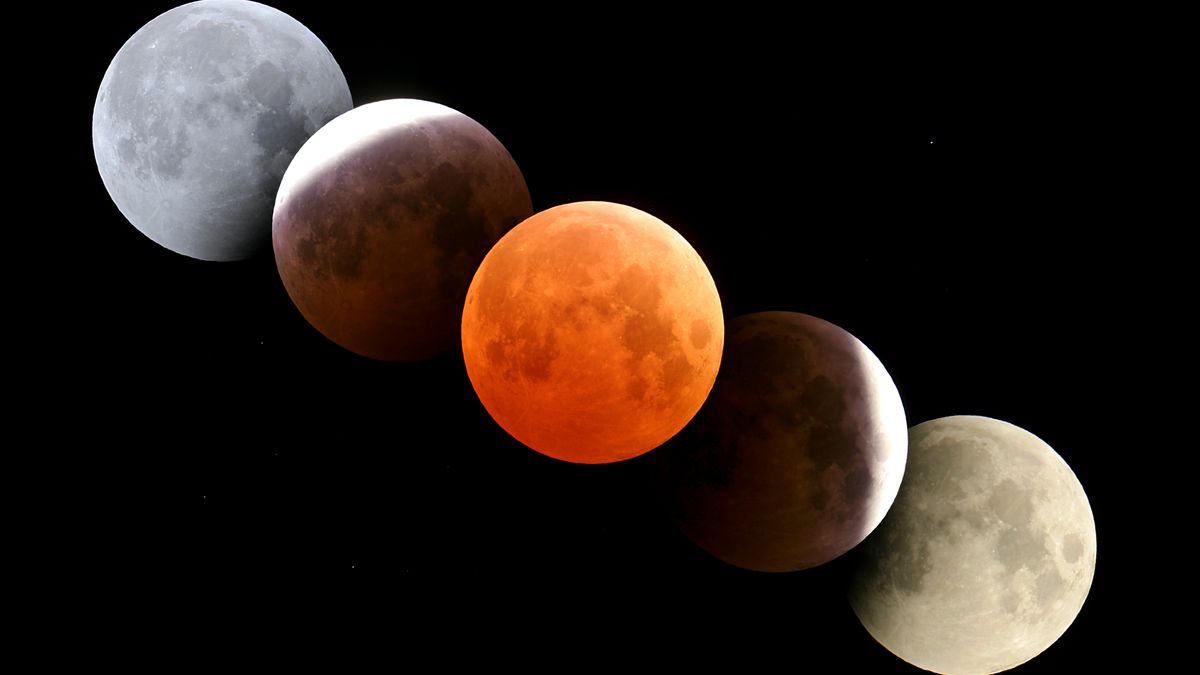
A Total Lunar Eclipse, often dramatically called a “Blood Moon,” occurs when the Earth positions itself directly between the Sun and the Moon. This alignment casts the Earth& ;s shadow completely over the Moon. But if the Earth is blocking the Sun& ;s light, why does the Moon turn red?
It& ;s all thanks to our planet& ;s atmosphere! Even when the Moon is deep in Earth& ;s shadow, some sunlight still manages to reach it. This sunlight is filtered and refracted by Earth& ;s atmosphere, much like how our atmosphere creates stunning sunsets. Blue light is scattered away (which is why our sky is blue), leaving primarily red and orange wavelengths to bend around the Earth and illuminate the Moon. The intensity of the red hue can vary greatly depending on dust, clouds, and pollution in Earth& ;s atmosphere at the time of the eclipse – making each Blood Moon a unique display.
Unlike a solar eclipse, which requires special eye protection, a lunar eclipse is perfectly safe to view directly with the naked eye. In fact, it& ;s encouraged to simply sit back and watch the show unfold!
The Phases of the Total Lunar Eclipse: Your Viewing Timeline
A total lunar eclipse isn& ;t a sudden event; it& ;s a gradual transformation over several hours. Here& ;s what to expect, with approximate timings for observers in the Eastern Time Zone:
| Eclipse Phase | Approximate Start Time (ET) | Approximate End Time (ET) | What to Expect |
|---|---|---|---|
| Penumbral Eclipse Begins | ~4:00 AM | ~5:00 AM | Moon enters Earth& ;s lighter outer shadow. A subtle, barely perceptible dimming. |
| Partial Eclipse Begins | ~5:00 AM | ~6:00 AM | Moon begins to enter Earth& ;s darker inner shadow (umbra). A noticeable “bite” appears. |
| Total Eclipse Begins | ~6:00 AM | ~6:38 AM | The entire Moon is within the umbra, gradually turning shades of orange to deep red. |
| Mid-Eclipse (Peak Totality) | 6:38 AM | 6:38 AM | The deepest, darkest, most vibrant red color is often seen at this point. |
| Total Eclipse Ends | ~6:38 AM | ~7:15 AM | Moon begins to exit the umbra, returning to brighter hues. |
| Partial Eclipse Ends | ~7:15 AM | ~8:15 AM | The Moon fully exits the umbra, returning to its usual brightness. |
| Penumbral Eclipse Ends | ~8:15 AM | ~9:15 AM | The Moon completely leaves Earth& ;s faint outer shadow. |
Please note: These times are approximate estimates based on typical total lunar eclipse durations. For the most precise, hyper-local timings closer to the date, consult reputable astronomical sources for your specific location.
Where to See the Blood Moon: Best Viewing in North America
The March 3, 2026, Total Lunar Eclipse will be widely visible across North America, South America, and parts of Europe and Africa. For viewers in the contiguous United States, the entire eclipse will unfold during the early morning hours, meaning the Moon will be setting in the west as the total phase begins or progresses, especially for those further west. East Coast observers will have a better chance of seeing the totality higher in the sky before the Moon sets or the sun rises.

Your best bet for observing the full grandeur of the Blood Moon will be in an area with a clear, unobstructed view of the western horizon. While you don& ;t need specialized equipment, a pair of binoculars or a small telescope can enhance the view, revealing details on the lunar surface even through the reddish glow.
Essential Viewing Tips (No Special Equipment Needed!)
Viewing a lunar eclipse is remarkably easy. Here& ;s how to make the most of it:
- Find a Clear View: Locate a spot with a clear, unobstructed view of the western sky. Tall buildings or trees can block your sightline.
- Check Local Weather: Cloudy skies are an observer& ;s worst enemy. Keep an eye on the forecast for March 3rd.
- Dress Warmly: Early March mornings can be chilly! Layer up if you plan to be outside for an extended period.
- Set Your Alarm: Don& ;t miss it! Wake up well before the partial phase begins to watch the entire process.
- Grab a Hot Beverage: A thermos of coffee or tea can make the early morning wait more enjoyable.
- Bring Binoculars (Optional): While not necessary, binoculars will offer a magnified view of the Moon& ;s surface, even during totality.
- Enjoy the Moment: A total lunar eclipse is a beautiful, peaceful event. Take time to simply observe and appreciate the cosmos.
The “Worm Moon” and Beyond: Unraveling Its Traditional Names
Every full moon carries a traditional name, often rooted in Indigenous American, colonial American, or European folklore, reflecting the natural cycles and seasonal changes. March& ;s full moon is famously known as the “Worm Moon.”
The Roots of the “Worm Moon”
The most widely accepted origin for the “Worm Moon” comes from the traditional understanding that this is the time of year when the ground begins to thaw after winter. As the soil softens, earthworms start to emerge, attracting birds and signaling the true onset of spring. It& ;s a powerful symbol of renewal, growth, and the awakening of nature after a long slumber.
Other Historical and Cultural Names for March& ;s Full Moon
While “Worm Moon” is popular, various cultures and regions have bestowed other evocative names upon the March Full Moon, each reflecting a unique perspective on the changing season:
| Full Moon Name | Origin/Meaning | Cultural Context |
|---|---|---|
| Worm Moon | Ground thaws, earthworms emerge, birds return. | Native American (Algonquin, Cherokee, Dakota) & Colonial American |
| Sap Moon | Time for tapping maple trees for sap. | Native American (e.g., Anishinaabe) & Northeastern Colonial |
| Crow Moon | Crows caw to signal the end of winter. | Native American (Algonquin) |
| Chaste Moon | Symbolizes purity and new beginnings. | Medieval English & Wiccan traditions |
| Lenten Moon | Coincides with the Christian observance of Lent. | European & Christian calendars |
These names offer a beautiful connection to humanity& ;s long-standing relationship with the lunar cycles and the changing seasons, grounding our celestial observations in earthly rhythms.
The Full Lunar Cycle of March 2026: More Than Just One Full Moon
While the Full Worm Moon and its accompanying eclipse are undoubtedly the main event, the lunar journey throughout March 2026 offers other significant phases. Understanding the entire cycle helps us appreciate the Moon& ;s consistent yet ever-changing presence in our sky.
Key Lunar Phases for March 2026
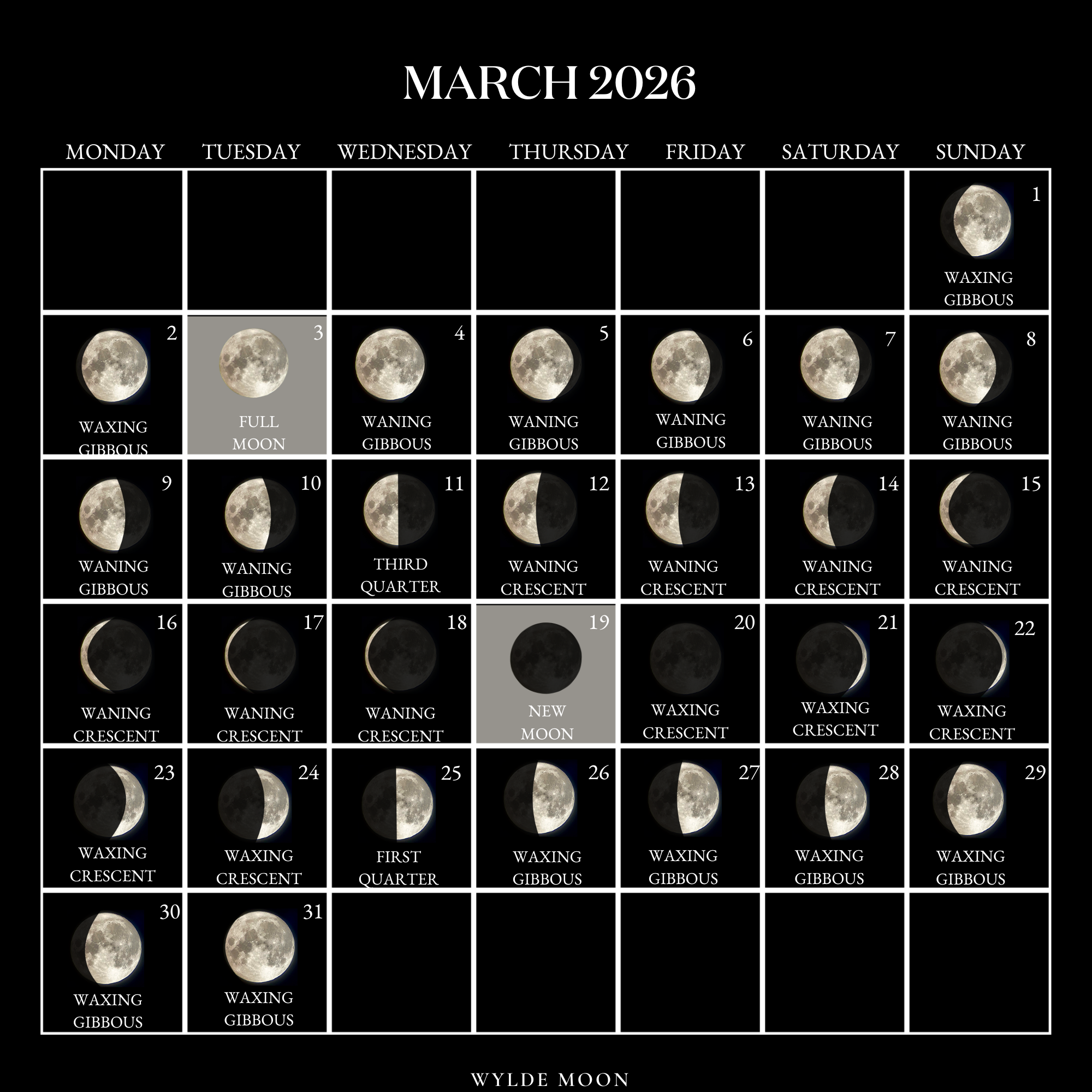
Here& ;s a look at all the primary moon phases for the month of March 2026:
| Lunar Phase | Date | Time (ET) | Significance |
|---|---|---|---|
| First Quarter Moon | February 25, 2026 | (Precedes March) | Growth, action, overcoming challenges from the New Moon. |
| Full Moon (Worm Moon) | March 3, 2026 | 6:38 AM | Culmination, illumination, release. Accompanied by Total Lunar Eclipse. |
| Last Quarter Moon | March 11, 2026 | 11:30 PM | Reflection, letting go, preparing for new beginnings. |
| New Moon | March 19, 2026 | 9:59 PM | New beginnings, setting intentions, fresh starts. |
| First Quarter Moon | March 26, 2026 | 6:29 PM | Energy builds, take action on intentions set during New Moon. |
How Each Phase Influences Our World (and Ourselves)
Beyond their visual appeal, each lunar phase holds subtle influences. The New Moon is a time for planting seeds of intention, a quiet period of introspection. As the Moon waxes toward the First Quarter, energy builds, urging us to take action. The Full Moon is a peak of illumination, bringing things to fruition, a time of heightened emotions and revelations. Finally, the waning phases, through the Last Quarter, encourage release, reflection, and preparation for the next cycle. Knowing these rhythms can help you align with nature& ;s flow.

Astrological Insights: The Worm Moon Eclipse in Virgo
For those who look to the stars and planets for deeper meaning, a Full Moon is always significant, but a Full Moon accompanied by a total eclipse is amplified. The March 2026 Full Moon occurs in the diligent and analytical sign of Virgo.
The Full Moon in Virgo: A Call for Practicality and Reflection
Virgo is an Earth sign known for its precision, attention to detail, service, and a desire for order and efficiency. A Full Moon in Virgo brings themes of health, routine, practical matters, and discerning what truly serves us to the forefront. It& ;s a time when we might feel compelled to organize, cleanse, and refine aspects of our lives, seeking to improve our daily habits and well-being. This energy encourages us to release perfectionism and anxiety, embracing a more balanced approach to our responsibilities.
Eclipses: Portals of Change and Transformation
When a Full Moon is also an eclipse, its energy is dramatically intensified. Eclipses are often seen as cosmic “reset buttons,” powerful catalysts for change and accelerated transformation. They can bring sudden revelations, fated encounters, or swift endings that clear the path for new beginnings. A lunar eclipse, specifically, tends to focus on emotional release, unconscious patterns, and bringing hidden truths to light. With this eclipse in Virgo, expect profound shifts related to work, health, self-care, and the practical structures of your life.
It& ;s a potent time for introspection, releasing what no longer serves your highest good, and embracing a more authentic, grounded way of living. Be open to unexpected shifts and use this energy to consciously shed old habits and welcome fresh perspectives.
Maximizing Your March 2026 Full Moon & Eclipse Experience
Whether you& ;re a seasoned astronomer, a curious stargazer, or someone interested in the energetic flow of the cosmos, the March 2026 Full Moon and Total Lunar Eclipse offer a profound opportunity for connection and observation.
Practical Tips for Observing the Celestial Show
To make sure you don& ;t miss a moment of this spectacular event, here are some actionable steps:
- Confirm Local Timings: While we& ;ve provided general US times, use an astronomy app or website closer to the date to get the exact start and end times for the eclipse phases in your specific city or town.
- Scout Your Location: A few days before, identify a good viewing spot with minimal light pollution and a clear view of the western horizon.
- Prepare for Comfort: Gather warm clothing, a blanket, and a comfortable chair. A hot drink can be a welcome companion during the early morning hours.
- Charge Your Devices: If you plan to take photos or use an astronomy app, ensure your phone or camera is fully charged.
- Set Multiple Alarms: Given the early morning timing, set redundant alarms to ensure you wake up in time for the start of the partial eclipse phase.
- Notify Friends/Family: Share the excitement! Arrange a small viewing party or simply let loved ones know about the event so they can also observe.
- Embrace Patience: The eclipse unfolds gradually. Take your time, observe the subtle changes, and allow yourself to be immersed in the cosmic ballet.
Engaging with the Energy: Rituals and Reflection
Beyond the scientific observation, many find full moons and eclipses to be powerful times for personal growth and spiritual practices:
- Journaling: Use the introspective energy of the Virgo Full Moon to journal about your habits, health, and what needs to be released for greater well-being.
- Meditation & Grounding: Spend time meditating under the eclipse, focusing on grounding yourself and embracing the transformative energy.
- Release Rituals: Write down what you wish to let go of (old habits, fears, stagnant energy) and safely burn the paper (outdoors in a fireproof dish) as a symbolic act of release.
- Intention Setting: While New Moons are for setting new intentions, a Full Moon eclipse is powerful for *revisiting and refining* intentions, ensuring they align with your highest path.
The March 2026 Full Moon is more than just a date on the calendar; it& ;s a cosmic invitation. A stunning Worm Moon combined with a total lunar eclipse provides a profound opportunity to connect with the universe, reflect on our inner worlds, and witness the awe-inspiring dance of celestial bodies. Don& ;t miss this rare and beautiful event.
Frequently Asked Questions
When exactly is the Full Moon and Total Lunar Eclipse in March 2026?
The Full Worm Moon reaches peak illumination and the total lunar eclipse occurs on Tuesday, March 3, 2026, at 6:38 AM Eastern Time (ET). Observers across the US should adjust for their local time zone (e.g., 3:38 AM PT).
Is the March 2026 Total Lunar Eclipse visible from everywhere in the USA?
Yes, the eclipse will be widely visible across North America. However, the exact visibility of all phases depends on your location relative to the Moon’s setting time and sunrise, with eastern regions having a better chance to see more of the totality higher in the sky.
Do I need special equipment or eye protection to view the Blood Moon eclipse?
No, a total lunar eclipse (Blood Moon) is completely safe to view directly with the naked eye. No special eye protection is required. Binoculars or a small telescope can enhance the view but are not necessary.
Why is it called the ‘Worm Moon’?
The ‘Worm Moon’ name typically comes from traditional Indigenous American folklore, signifying the time when the ground begins to thaw after winter, allowing earthworms to emerge and birds to return, signaling the arrival of spring.
What is the astrological significance of this Full Moon eclipse in Virgo?
A Full Moon in Virgo emphasizes themes of organization, health, daily routines, and discernment. As an eclipse, these themes are amplified, suggesting significant shifts, revelations, and opportunities for releasing old patterns and improving well-being and practical life structures.
How long will the totality phase of the lunar eclipse last?
The total phase of the lunar eclipse for March 3, 2026, is expected to last for approximately 75 minutes, with peak totality at 6:38 AM ET. The entire eclipse event, including penumbral and partial phases, will span several hours.
What’s the difference between a solar eclipse and a lunar eclipse?
A solar eclipse occurs when the Moon passes between the Sun and Earth, blocking the Sun’s light. A lunar eclipse happens when the Earth passes between the Sun and Moon, casting Earth’s shadow on the Moon. Lunar eclipses are safe to view directly, while solar eclipses require special eye protection.
