The March 2026 Full Moon: Date, Time, The Worm Moon, and a Total Lunar Eclipse!
Are you already marking your calendars for the celestial spectacles of 2026? If so, you’re in for a treat! The March 2026 Full Moon is not just another luminous night sky event; it’s a double feature, bringing with it a fascinating traditional name and an incredibly rare spectacle: a Total Lunar Eclipse visible across the Americas!
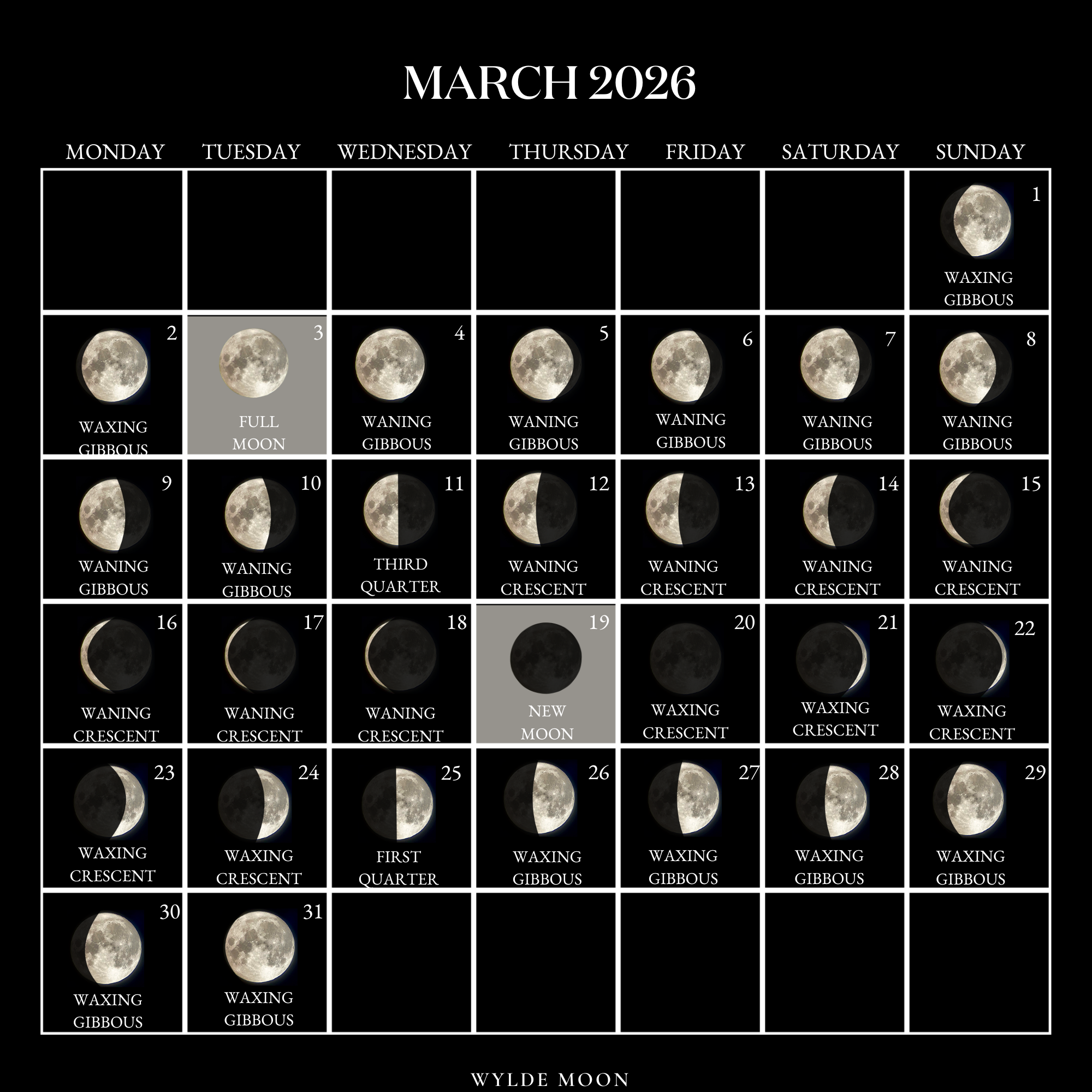
Forget the vague predictions or searching multiple sites. We’re here to give you the definitive lowdown on when to look up, what to expect, and how to make the most of this spectacular cosmic show.
The March 2026 Full Moon: Your Quick Guide
Let’s get straight to the point. Circle this date, set your alarms, and prepare for a truly memorable night (or morning, depending on your time zone!):
- Date: Tuesday, March 3, 2026
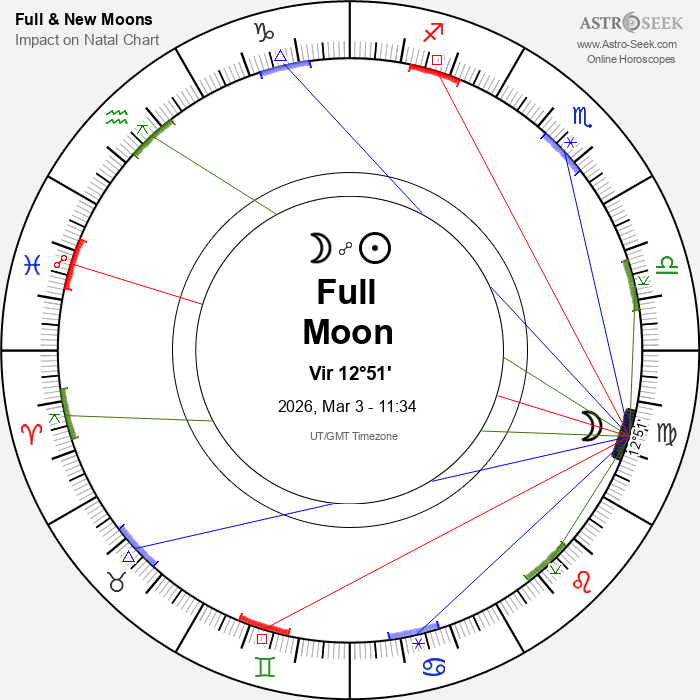
- Peak Illumination Time (UTC): 12:38 PM UTC
- Traditional Name: The Worm Moon
- Special Event: Total Lunar Eclipse (Visible in the Americas!)
That’s right, the peak of the Full Moon coincides almost perfectly with the peak of a total lunar eclipse, making March 3, 2026, a truly special date for sky-watchers.
Full Moon March 2026: Key Times Across U.S. Time Zones
To help you pinpoint the exact moment of peak illumination and plan your viewing party (even if it’s just you and the sky!), here are the key times for the Full Moon across the major U.S. time zones. Remember, the Moon will appear full for a day or so on either side of these precise moments.
| Time Zone | Peak Full Moon Time (March 3, 2026) |
|---|---|
| Coordinated Universal Time (UTC) | 12:38 PM |
| Eastern Time (ET) | 7:38 AM |
| Central Time (CT) | 6:38 AM |
| Mountain Time (MT) | 5:38 AM |
| Pacific Time (PT) | 4:38 AM |
| Alaska Standard Time (AKST) | 3:38 AM |
| Hawaii Standard Time (HST) | 2:38 AM |
Unpacking the “Worm Moon”: Why March’s Full Moon Has a Unique Name
Every full moon throughout the year carries a traditional name, often rooted in Native American, Colonial American, or European folklore, reflecting the natural rhythms and seasonal changes. The March Full Moon is most famously known as the Worm Moon.
Why worms? It’s a beautiful sign of spring’s impending arrival! As the ground thaws after the long winter, earthworms begin to emerge from their subterranean slumber. This biological cue heralds the return of robins and other birds, signaling renewed life and the onset of warmer weather.

While the “Worm Moon” is the most common moniker, you might also hear other names for March’s full moon, each with its own story:
- Crow Moon: Named for the cawing of crows, which signifies the end of winter.
- Sap Moon: Reflects the time when maple sap begins to flow, marking the start of the maple sugaring season.
- Lenten Moon: In Christian traditions, this full moon often falls during Lent.
Regardless of its name, the March Full Moon is a powerful symbol of rebirth and the promise of spring.
The Celestial Spectacle: Total Lunar Eclipse on March 3, 2026
Here’s where the March 2026 Full Moon truly stands out: it will feature a stunning Total Lunar Eclipse! This is a much rarer event than a typical full moon, and the visibility across the Americas makes it incredibly exciting for U.S. observers.

What is a Total Lunar Eclipse?
A lunar eclipse occurs when the Earth passes directly between the Sun and the Moon, casting a shadow on the lunar surface. During a total lunar eclipse, the entire Moon passes through the darkest part of Earth’s shadow, known as the umbra. Instead of disappearing completely, the Moon often takes on a dramatic reddish or coppery hue, earning it the nickname “Blood Moon.” This color comes from sunlight filtering through Earth’s atmosphere and scattering blue light, allowing red light to reach the Moon.
Visibility and Timing for the USA
The March 3, 2026, total lunar eclipse will be primarily visible across North and South America. This means millions of people in the U.S. will have a front-row seat to this incredible display!
Here are the key phases and approximate timings for the eclipse, again broken down by U.S. time zones:
| Eclipse Phase | UTC Time | Eastern Time (ET) | Central Time (CT) | Mountain Time (MT) | Pacific Time (PT) |
|---|---|---|---|---|---|
| Penumbral Eclipse Begins | 09:42 UTC | 4:42 AM | 3:42 AM | 2:42 AM | 1:42 AM |
| Partial Eclipse Begins | 10:57 UTC | 5:57 AM | 4:57 AM | 3:57 AM | 2:57 AM |
| Total Eclipse Begins | 12:06 UTC | 7:06 AM | 6:06 AM | 5:06 AM | 4:06 AM |
| Greatest Eclipse (Mid-Totality) | 12:38 UTC | 7:38 AM | 6:38 AM | 5:38 AM | 4:38 AM |
| Total Eclipse Ends | 13:10 UTC | 8:10 AM | 7:10 AM | 6:10 AM | 5:10 AM |
| Partial Eclipse Ends | 14:18 UTC | 9:18 AM | 8:18 AM | 7:18 AM | 6:18 AM |
| Penumbral Eclipse Ends | 15:34 UTC | 10:34 AM | 9:34 AM | 8:34 AM | 7:34 AM |
As you can see, for much of the U.S., the total phase of the eclipse will occur during the pre-dawn and early morning hours. This means for those on the East Coast, the Moon will be setting as totality concludes, while for those on the West Coast, the entire spectacle will be high in the sky before dawn. Prepare for an early start!
How to Best Observe the March 2026 Full Moon and Lunar Eclipse
Watching a full moon is always a beautiful experience, but observing a total lunar eclipse requires a little planning. Here’s how to ensure you get the best view:
- Check Your Local Weather: This is paramount! Clear skies are essential. Start checking forecasts a few days in advance.
- Find an Open View: You don’t need a perfectly dark sky for a lunar eclipse, but try to find a spot with an unobstructed view of the moon’s path across the sky. For this particular eclipse, the Moon will be high in the sky for western observers and closer to the horizon (setting) for eastern observers during totality.
- No Special Equipment Needed: Unlike solar eclipses, lunar eclipses are perfectly safe to view with the naked eye. No special filters or glasses are required.
- Enhance Your View with Binoculars or a Telescope: While not necessary, binoculars will offer a breathtaking, magnified view of the Moon’s surface as it darkens and takes on its reddish hue. You’ll see craters and lunar seas in stunning detail. A small telescope will provide an even more immersive experience.
- Dress for the Cold: March mornings can still be chilly, especially before dawn. Bundle up with warm layers, hats, and gloves, and consider a hot beverage.
- Set Alarms: Given the early morning timing for U.S. observers, make sure to set multiple alarms so you don’t miss the dramatic phases of the eclipse.
- Capture the Moment: If you’re into astrophotography, a lunar eclipse offers fantastic opportunities. A tripod and a camera with a good zoom lens will be your best friends.
Remember, a lunar eclipse is a slow, unfolding event. Take your time, soak it all in, and appreciate the grand mechanics of our solar system at play.
Understanding Lunar Cycles: Why We Have Full Moons
A Full Moon occurs when the Moon is on the opposite side of Earth from the Sun. This alignment means that the entire face of the Moon visible from Earth is fully illuminated by the Sun’s rays. It happens approximately once a month, marking the peak of the lunar cycle.
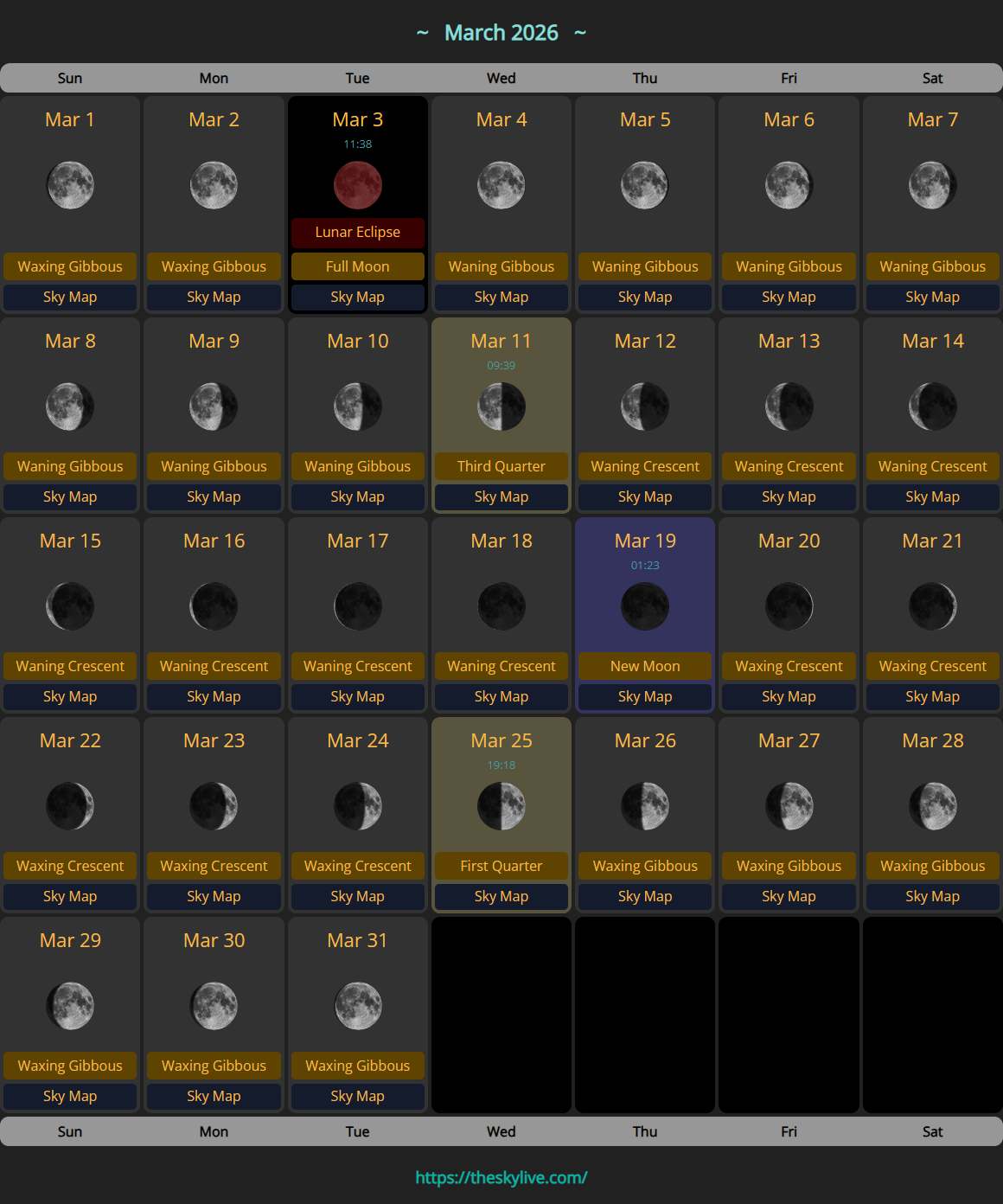
The Moon’s journey around Earth takes roughly 29.5 days to complete one full cycle of phases – from New Moon to New Moon. This is known as a synodic month. During this cycle, we observe different amounts of the Moon’s sunlit surface, leading to phases like New Moon, Crescent, Quarter, Gibbous, and finally, Full Moon.
A lunar eclipse, as we’ll see in March 2026, is a special alignment that only happens when the Full Moon passes directly through Earth’s shadow. Not every full moon results in an eclipse because the Moon’s orbit is slightly tilted relative to Earth’s orbit around the Sun. Most of the time, the Full Moon passes either above or below Earth’s shadow.
Looking Ahead: The Full Moon Calendar for 2026
The March Worm Moon and its accompanying total lunar eclipse are just one highlight in a year full of lunar wonders. Here’s a glance at all the full moons gracing our skies in 2026, complete with their traditional names:
| Month | Date (2026) | Peak Time (UTC) | Traditional Name |
|---|---|---|---|
| January | Saturday, Jan 3 | 11:03 AM | Wolf Moon |
| February | Sunday, Feb 1 | 11:09 PM | Snow Moon |
| March | Tuesday, Mar 3 | 12:38 PM | Worm Moon (Total Lunar Eclipse!) |
| April | Thursday, Apr 2 | 04:12 AM | Pink Moon |
| May | Friday, May 1 | 06:23 PM | Flower Moon |
| May (Second Full Moon) | Sunday, May 31 | 09:45 AM | Blue Moon |
| July | Wednesday, Jul 1 | 12:28 AM | Buck Moon |
| July (Second Full Moon) | Thursday, Jul 30 | 02:44 PM | Sturgeon Moon |
| August | Saturday, Aug 29 | 05:27 AM | Corn Moon |
| September | Monday, Sep 27 | 07:46 PM | Harvest Moon |
| October | Wednesday, Oct 27 | 10:44 AM | Hunter’s Moon |
| November | Friday, Nov 26 | 02:22 AM | Beaver Moon |
| December | Saturday, Dec 25 | 06:40 PM | Cold Moon |
With two Blue Moons (extra full moons within a calendar month or season) and a total lunar eclipse, 2026 is shaping up to be an exceptional year for lunar enthusiasts. Don’t miss out on these incredible opportunities to connect with the cosmos!
Frequently Asked Questions
What is the date and time of the Full Moon in March 2026?
The Full Moon in March 2026 will occur on Tuesday, March 3, 2026, reaching its peak illumination at 12:38 PM Coordinated Universal Time (UTC). For example, in Eastern Time (ET), this is 7:38 AM on March 3rd.
What is the traditional name for the March 2026 Full Moon?
The March Full Moon is traditionally known as the Worm Moon. This name originates from Native American folklore, signaling the thawing of the ground and the emergence of earthworms, which in turn attracts robins and other birds, marking the beginning of spring.
Will there be a lunar eclipse in March 2026?
Yes, there will be a Total Lunar Eclipse coinciding with the Full Moon on March 3, 2026. This spectacular event will be visible across much of North and South America, offering a chance to see the Moon turn a reddish ‘Blood Moon’ color as it passes through Earth’s shadow.
What time will the total lunar eclipse be visible in the USA?
The total phase of the lunar eclipse on March 3, 2026, will occur during the early morning hours for much of the U.S. For example, in Eastern Time (ET), totality begins at 7:06 AM and ends at 8:10 AM. In Pacific Time (PT), totality starts at 4:06 AM and ends at 5:10 AM. It’s recommended to check the specific timings for your local time zone.
Do I need special equipment to view the March 2026 Full Moon or lunar eclipse?
No special equipment is required to safely view the Full Moon or a lunar eclipse. Both can be observed with the naked eye. However, binoculars or a telescope can significantly enhance the experience, allowing you to see lunar details and the subtle colors of the eclipse more clearly.
Why isn’t there a lunar eclipse with every Full Moon?
A lunar eclipse doesn’t happen with every Full Moon because the Moon’s orbit is slightly tilted (about 5 degrees) relative to Earth’s orbit around the Sun. This means that most of the time, the Full Moon passes either just above or just below Earth’s shadow, preventing a direct alignment necessary for an eclipse.
What other Full Moons are there in 2026?
2026 features several Full Moons, including the Wolf Moon (Jan 3), Snow Moon (Feb 1), Pink Moon (Apr 2), Flower Moon (May 1), a Blue Moon (May 31), Buck Moon (Jul 1), Sturgeon Moon (Jul 30), Corn Moon (Aug 29), Harvest Moon (Sep 27), Hunter’s Moon (Oct 27), Beaver Moon (Nov 26), and Cold Moon (Dec 25).
