The March 2026 Full Moon: Unveiling the Worm Moon and Its Rare Lunar Eclipse
Get ready for a truly exceptional celestial event! The March 2026 Full Moon, affectionately known as the Worm Moon, isn’t just another lunar spectacle. This particular full moon, occurring on Tuesday, March 3, 2026, is set to deliver something far more dramatic: a Total Lunar Eclipse, transforming our silvery companion into a mesmerizing Blood Moon.
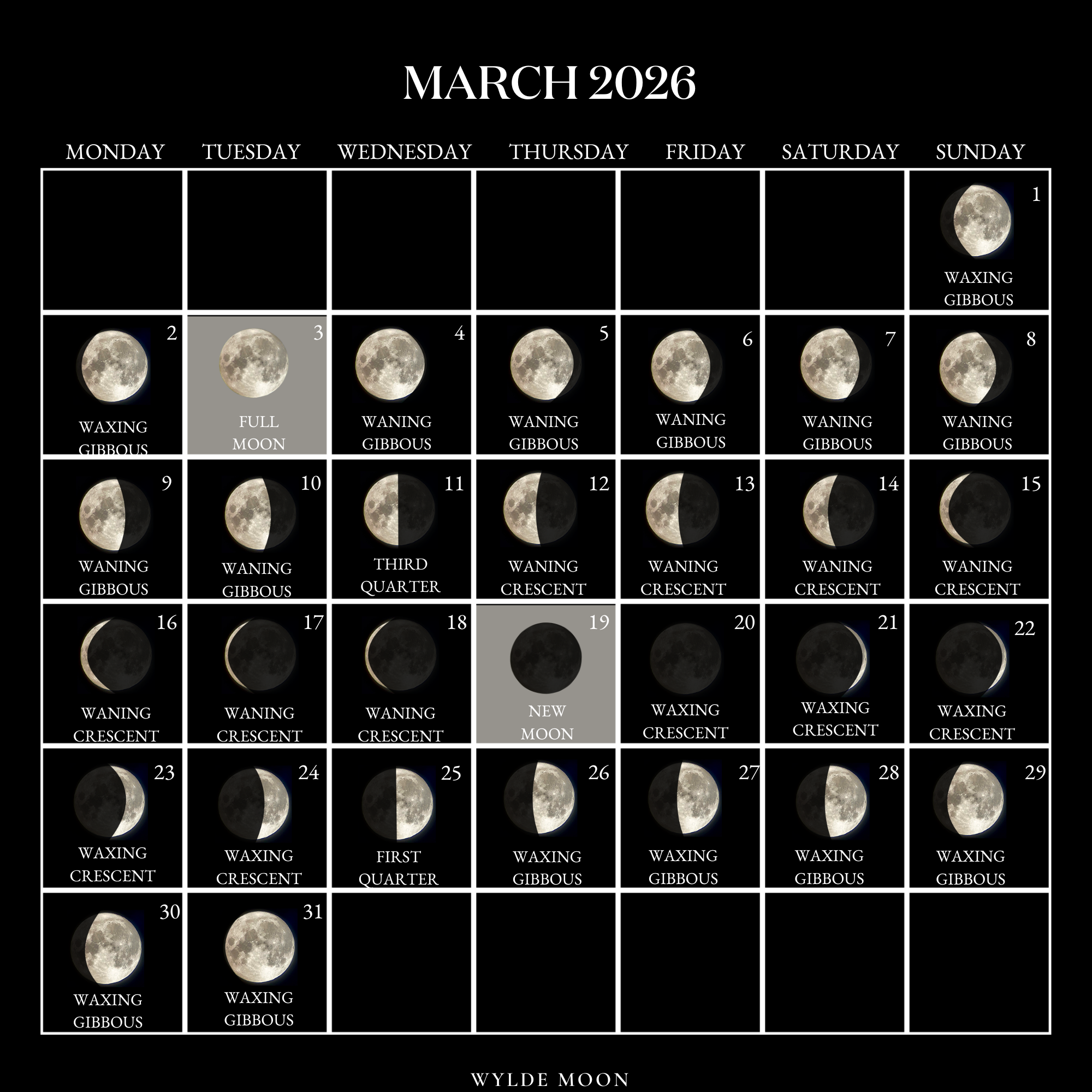
Imagine this: the awakening energies of early spring, symbolized by the Worm Moon, merging with the profound cosmic reset of a total lunar eclipse. This isn’t just a date on your calendar; it’s a powerful confluence of astronomical wonder, ancient folklore, and deep spiritual significance. For those across much of the Americas, this will be an unmissable spectacle, a chance to witness the moon’s temporary blushing as it passes through Earth’s shadow.
Whether you’re an avid sky-gazer, a spiritual seeker, or simply curious about the universe’s rhythm, the March 2026 Full Worm Blood Moon offers a rich tapestry of meaning to explore. Let’s dive into what makes this particular full moon so unique and how its combined energies might impact you.
A Celestial Spectacle: When & Where to Witness the March 2026 Full Moon and Total Lunar Eclipse
You’ll want to mark your calendars and set your alarms for this one. The March 2026 Full Moon is more than just a bright orb; it’s a dramatic performance featuring Earth, Moon, and Sun in a cosmic alignment.

Exact Dates, Times, and Peak Visibility
The Full Worm Moon officially reaches its peak illumination early on Tuesday, March 3, 2026. However, the true showstopper—the total lunar eclipse—will unfold over several hours, peaking shortly after. Here’s a breakdown of the key timings:

| Event | Date (UTC) | Time (UTC) | Approximate Time (Eastern Time, USA) |
|---|---|---|---|
| Full Moon Peak Illumination | March 3, 2026 | 11:38 UTC | 6:38 AM EST |
| Partial Umbral Eclipse Begins | March 3, 2026 | 10:48 UTC | 5:48 AM EST |
| Total Lunar Eclipse Begins | March 3, 2026 | 11:53 UTC | 6:53 AM EST |
| Greatest Eclipse (Mid-Eclipse) | March 3, 2026 | 12:22 UTC | 7:22 AM EST |
| Total Lunar Eclipse Ends | March 3, 2026 | 12:51 UTC | 7:51 AM EST |
| Partial Umbral Eclipse Ends | March 3, 2026 | 13:57 UTC | 8:57 AM EST |
Note: These times are in Universal Coordinated Time (UTC). You’ll need to adjust them for your specific time zone. For example, if you’re on the West Coast of the USA (Pacific Time), you’d subtract 3 hours from the Eastern Time (EST) given. The eclipse will technically span into March 4th in some eastern parts of the world, but for the Americas, it’s firmly a March 3rd event.
What is a Total Lunar Eclipse (Blood Moon)?
A total lunar eclipse, often dramatically called a Blood Moon, occurs when the Earth passes directly between the Sun and the Moon, casting a shadow over the Moon. Unlike a solar eclipse, where the Moon blocks the Sun, a lunar eclipse sees the Earth blocking sunlight from reaching the Moon directly. The Moon doesn’t disappear entirely; instead, it takes on a stunning reddish-orange hue.
Why red? This fascinating phenomenon is due to Rayleigh scattering, the same process that makes sunsets red and the sky blue. During an eclipse, sunlight has to pass through Earth’s atmosphere to reach the Moon. Our atmosphere scatters away most of the blue light, but the longer-wavelength red and orange light bends around the Earth and hits the Moon’s surface. So, you’re essentially seeing all the world’s sunrises and sunsets projected onto the Moon!
Who Can See It? Visibility Zones
The beauty of a total lunar eclipse is its broad visibility. Unlike solar eclipses that are seen only along a narrow path, a lunar eclipse is visible to anyone on the night side of Earth when it occurs. For the March 2026 Total Lunar Eclipse, the best viewing will be for:
- North America: Excellent visibility across the entire continent, especially in the western and central parts. Eastern areas will see the eclipse in progress as the moon sets or as the sun rises, making for a dramatic spectacle near the horizon.
- South America: Strong visibility across the continent.
- Central America & The Caribbean: Clear views expected.
- Arctic & Antarctic Regions: Portions will have visibility.
- Parts of Europe & Africa: The very western parts may catch the tail end of the eclipse as the moon sets.
You don’t need any special equipment to view a lunar eclipse; your naked eye is perfectly fine! Binoculars or a small telescope will enhance the view, revealing more detail and the beautiful reddish tones more clearly. It’s a safe and awe-inspiring event for everyone.
Beyond the Worm: Unpacking the Traditional Names of the March Full Moon
Every full moon carries a name, a whisper from the past, connecting us to the rhythms of nature observed by generations before us. The March Full Moon is most commonly known as the Worm Moon, but its story is richer than a single moniker.
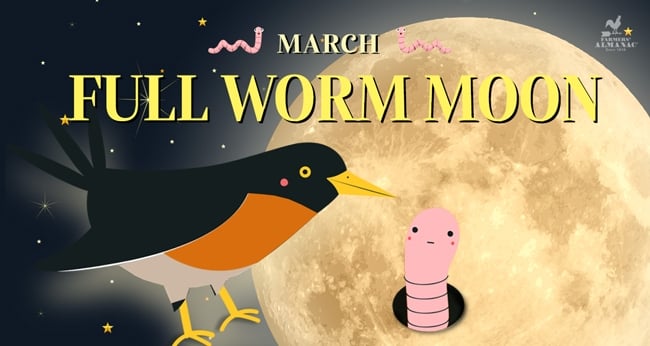
The Origin of the “Worm Moon” Name
The name “Worm Moon” is widely attributed to Native American tribes, particularly those from the northern and eastern regions of the present-day United States. It’s a pragmatic and beautiful observation of the changing seasons.
As winter’s grip begins to loosen and the ground thaws, earthworms start to emerge from their subterranean slumber. These first signs of life, wriggling up through the warming soil, were a clear indicator that spring was imminent, bringing with it the return of birds and the promise of new growth. So, the Worm Moon is essentially a herald of spring, a testament to nature’s cyclical renewal.
Interestingly, some historical interpretations suggest the name might also refer to beetle larvae emerging from the thawing bark of trees, rather than earthworms. Regardless of the exact species, the core meaning remains the same: it signifies the melting of ice and snow, the softening of the earth, and the reawakening of life after winter’s dormancy.
Exploring Other Historical Names for March’s Full Moon
While “Worm Moon” is prevalent, various cultures and tribes had their own evocative names, each reflecting their unique environment and observations:
| Alternative Name | Origin / Culture | Meaning & Significance |
|---|---|---|
| Crow Moon | Native American (Algonquin) | Refers to the cawing of crows signaling the end of winter and the return of birds. |
| Sap Moon | Native American (Ojibwe) | Named for the time of year when maple sap begins to flow, perfect for making syrup. |
| Sugar Moon | Native American (various) | Another name linked to the maple sugaring season. |
| Chaste Moon | Medieval English / Wiccan | Symbolizing purity and new beginnings, often connected to the onset of spring. |
| Lenten Moon | Christian traditions | The full moon occurring during the Christian season of Lent, a period of fasting and reflection. |
| Paschal Moon | Christian traditions | If the March Full Moon occurs on or after March 21 (the ecclesiastical equinox), it is the Paschal Moon, which determines the date of Easter. The March 2026 Full Moon occurs before March 21, so it is not the Paschal Moon for 2026. |
These names are more than just labels; they are historical markers, reminding us of humanity’s enduring connection to the natural world and the celestial calendar.
Why Do Full Moons Have Names? A Look at Indigenous and Colonial Influences
The practice of naming full moons served a crucial purpose for ancient cultures: it was a practical calendar system. Without modern calendars, agricultural societies, hunters, and gatherers relied on the moon’s phases to track seasons, anticipate weather changes, and plan their activities – from planting and harvesting to hunting and ceremonial observances.
Many of the full moon names we commonly use today originate from Algonquin tribes in what is now the northeastern United States and southeastern Canada. European colonists adopted some of these names, and over time, almanacs popularized them, creating the widely recognized list we see today. This blending of indigenous wisdom with colonial record-keeping cemented these names into our collective understanding, even as their original, deeper seasonal and cultural contexts sometimes faded.
The Profound Meaning of the March 2026 Full Moon: A Tapestry of Interpretations
When the Worm Moon arrives, especially with the added drama of a total lunar eclipse, its meaning transcends simple folklore. This is a moment charged with energy, inviting us to look inward and outward, to understand its scientific, astrological, and spiritual implications.
The Scientific Lens: Awakening Earth
From a purely scientific perspective, the March Full Moon in 2026 is a remarkable convergence. The “Worm Moon” aspect highlights the very real, observable changes on Earth: the thawing ground, the return of migratory birds, the budding of trees, and the emergence of early spring flora and fauna. It’s a signal from nature that the planet is shaking off its winter slumber, gearing up for a season of growth and abundance.
The total lunar eclipse adds a layer of astronomical wonder. It’s a reminder of the precise, predictable mechanics of our solar system, where massive celestial bodies move in elegant, intricate dances. Witnessing the Earth’s shadow creep across the Moon, turning it blood-red, is a powerful visual demonstration of our place in the cosmos. It can inspire a sense of awe, humility, and a deeper appreciation for the grand design of the universe.
Astrological Insights: The Worm Moon in Leo
Astrologically, the March 2026 Full Moon will occur in the proud and passionate sign of Leo. Full Moons are always periods of culmination, illumination, and release, bringing to light what has been building since the New Moon. When this happens in Leo, expect themes of:
- Self-Expression and Creativity: Leo is the sign of the performer, the artist, the leader. This full moon encourages you to express your authentic self, unleash your creative potential, and perhaps even take center stage in some area of your life.
- Courage and Confidence: With Leo’s fierce spirit, this moon can boost your courage to face challenges, assert your individuality, and step into your power. It’s about owning your worth and shining brightly.
- Heart-Centered Living: Leo rules the heart. This period emphasizes living from a place of love, generosity, and passion. It’s a time to review how you give and receive love, and where your true affections lie.
- Leadership and Recognition: If you’ve been working hard on a project or goal, this full moon in Leo might bring recognition, completion, or a moment to step up and lead.
- Balancing Ego and Community: Full Moons are often about balancing opposing signs. This Leo Full Moon will contrast with the Sun in Aquarius (the sign of community and collective consciousness). The challenge and opportunity here is to balance your individual need for expression and recognition with your role within a group or society. How can you shine without overshadowing others? How can you contribute your unique gifts to the collective?
The added layer of a total lunar eclipse amplifies these energies exponentially. Eclipses are cosmic wild cards; they accelerate change, bring sudden revelations, and often force us to confront what needs to be released. This isn’t a gentle nudge; it’s a powerful shove towards your destiny. Expect breakthroughs, unexpected endings, and dramatic shifts, particularly around the themes of self-identity, creativity, and your place in the world.
Spiritual Significance: Release, Renewal, and Transformation
From a spiritual perspective, the March 2026 Full Worm Moon with its total lunar eclipse is a potent period for deep transformation:
- Connection to Spring Equinox Energies: While not the Spring Equinox itself (which typically falls around March 20-21), this early March full moon resonates with the energies of impending spring. It’s a time of germination, awakening, and the stirring of life force. Spiritually, this translates to new ideas, fresh starts, and the blossoming of personal projects.
- Symbolism of the Blood Moon: Deep Purification, Endings, and New Beginnings: A Blood Moon eclipse is often seen as a powerful portal for release and renewal. The reddish hue is a reminder of deep, primal energies. It’s a time to shed old skins, confront hidden shadows, and purify yourself of anything that no longer serves your highest good. What beliefs, habits, or relationships are holding you back? This eclipse offers an intensified opportunity to break free and create space for new beginnings. It can bring about fated events, accelerating timelines and revealing truths that were previously obscured.
- Intense Emotional Currents: Full Moons already stir emotions, bringing them to the surface. An eclipse supercharges this, potentially leading to intense emotional experiences. Be gentle with yourself and others. Use this time for introspection rather than impulsive action.
- Rituals and Practices for This Powerful Moon: This is an ideal time for meditation, journaling, and setting intentions. Consider a releasing ritual – write down what you wish to let go of and safely burn it (with proper precautions, of course). Focus on self-love, courage, and authenticity, channeling the Leo energy.
Cultural Interpretations of a Lunar Eclipse
Across diverse cultures, lunar eclipses have been viewed with a mixture of awe, fear, and reverence. Historically, many cultures saw eclipses as omens, often negative, signifying disruption or change. For instance, in ancient Mesopotamia, eclipses were thought to be an attack on the moon god, and substitute kings were sometimes appointed to divert bad omens from the reigning monarch.
In some Hindu traditions, bathing in sacred rivers during an eclipse is believed to cleanse sins. In certain Indigenous cultures, eclipses were times for quiet contemplation, drumming, or protective rituals. While modern science demystifies the celestial mechanics, the profound emotional and symbolic impact of a Blood Moon persists, tapping into our primal understanding of cycles of light and dark, destruction and creation.
Preparing for the March 2026 Full Moon & Eclipse: How to Harness its Energy
This isn’t just a passive viewing event; it’s an opportunity for active engagement. Here’s how you can make the most of the March 2026 Full Worm Blood Moon.
Observe Safely: Tips for Viewing the Eclipse
Unlike a solar eclipse, a lunar eclipse is perfectly safe to view directly with the naked eye. No special filters are needed! However, to maximize your experience:
- Check Local Times: Reconfirm the exact timings for your specific location.
- Find a Dark Spot: Seek out an area away from city lights for the best view of the reddish hue.
- Dress Warmly: Early March mornings can still be chilly!
- Bring Binoculars or a Telescope: While not necessary, they will offer a more detailed and spectacular view of the Moon’s surface and color.
- Set an Alarm: Don’t miss the peak of totality!
- Invite Friends or Family: Sharing this experience makes it even more memorable.
Personal Reflection and Intention Setting
The combined energies of a Full Moon in Leo and a total lunar eclipse create a powerful window for self-assessment:
- Journaling: Reflect on the past six months. What has culminated for you? What have you learned? What creative projects have you been nurturing?
- Release Ritual: Write down old habits, fears, or limiting beliefs you’re ready to let go of. Safely burn the paper as a symbolic act of release.
- Intention Setting: What new seeds of intention do you want to plant, especially concerning your authenticity, courage, and creative expression? Visualize yourself stepping into your most confident, heart-centered self.
- Meditate: Use the powerful lunar energy for deep meditation. Focus on your heart chakra and visualize any old emotional wounds being released and healed.
Practical Steps for Emotional Well-being During a Full Moon
Full Moons can be intense, and an eclipse amplifies this. Prioritize your well-being:
- Hydrate: Drink plenty of water.
- Rest: Ensure you get adequate sleep, as lunar energy can sometimes disrupt it.
- Grounding Activities: Spend time in nature, practice deep breathing, or engage in gentle exercise.
- Mindful Eating: Opt for nourishing, grounding foods.
- Limit Overstimulation: If you feel overwhelmed, reduce screen time and engage in quiet activities.
The Lunar Cycle in March 2026: A Quick Overview
To put the Full Worm Blood Moon into context, here’s a look at the other significant lunar phases for March 2026:
| Moon Phase | Date (UTC) | Time (UTC) | Sign |
|---|---|---|---|
| First Quarter Moon | February 25, 2026 | 00:30 UTC | Gemini |
| Full Moon (Worm Blood Moon Eclipse) | March 3, 2026 | 11:38 UTC | Leo |
| Last Quarter Moon | March 10, 2026 | 08:58 UTC | Sagittarius |
| New Moon | March 18, 2026 | 06:58 UTC | Pisces |
Each phase holds its own energy and significance, but the Full Moon, especially one coupled with a total lunar eclipse, is arguably the most dramatic and impactful, demanding our attention and inviting deep introspection.
Conclusion: A Rare Celestial Invitation
The Full Moon in March 2026 is far more than just a date on the calendar. As the Worm Moon, it signals the thawing of winter and the stirring of new life. But its true grandeur lies in its accompanying Total Lunar Eclipse, transforming it into a magnificent Blood Moon. This rare alignment in the passionate sign of Leo offers a potent blend of scientific wonder, ancient wisdom, and powerful astrological and spiritual currents.
It’s an invitation to release what no longer serves you, embrace your authentic self, and boldly step into a period of profound transformation and creative expression. So, as March 3, 2026, approaches, prepare to look up, reflect inward, and harness the extraordinary energy of this unforgettable celestial event. The universe is putting on a show, and its meaning is yours to discover and integrate.
”
}
Frequently Asked Questions
What time is the Full Worm Moon and Total Lunar Eclipse in March 2026?
The Full Worm Moon reaches peak illumination on March 3, 2026, at 11:38 UTC (6:38 AM EST). The Total Lunar Eclipse (Blood Moon) begins around 11:53 UTC (6:53 AM EST) and peaks at 12:22 UTC (7:22 AM EST) on the same day.
Why is the March 2026 Full Moon called the Worm Moon?
The name ‘Worm Moon’ originates from Native American traditions, referring to the time in early spring when the ground thaws, and earthworms begin to emerge, signaling the return of birds and the start of new growth after winter.
What is the significance of the Blood Moon in March 2026?
The March 2026 Full Moon is a Blood Moon because it will undergo a Total Lunar Eclipse. This rare event, where the Moon turns a reddish-orange hue, is astrologically and spiritually considered a powerful time for deep purification, accelerated change, and significant emotional or life transformations, particularly relating to self-expression and courage with the Moon in Leo.
Will the March 2026 lunar eclipse be visible from my location?
The March 2026 Total Lunar Eclipse will be widely visible across North America, South America, Central America, the Caribbean, and parts of the Arctic and Antarctic regions. Western parts of Europe and Africa may catch the end of the eclipse as the moon sets.

What zodiac sign is the March 2026 Full Moon in?
The Full Moon in March 2026 will occur in the astrological sign of Leo. This emphasizes themes of self-expression, creativity, courage, leadership, and balancing individual desires with collective well-being.
How can I prepare for the March 2026 Full Moon and eclipse?
To prepare, check local eclipse times, find a dark viewing spot, and consider using binoculars. Spiritually, this is a powerful time for journaling, meditation, releasing old patterns, and setting intentions related to authenticity and self-love. Prioritize self-care and emotional well-being.
