The March 2026 Total Lunar Eclipse: Your Ultimate Guide to Witnessing the “Blood Moon”
Get ready, stargazers! March 2026 is setting the stage for one of nature’s most spectacular cosmic ballets: a total lunar eclipse. This isn’t just any full moon; it’s a “Blood Moon” coinciding with the traditional “Worm Moon” of early spring. If you’ve ever wanted to witness the moon transform into a deep, mesmerizing red, mark your calendars. We’re going to break down everything you need to know to experience this breathtaking celestial event from the USA, including precise times, optimal viewing tips, and the fascinating science behind the spectacle.
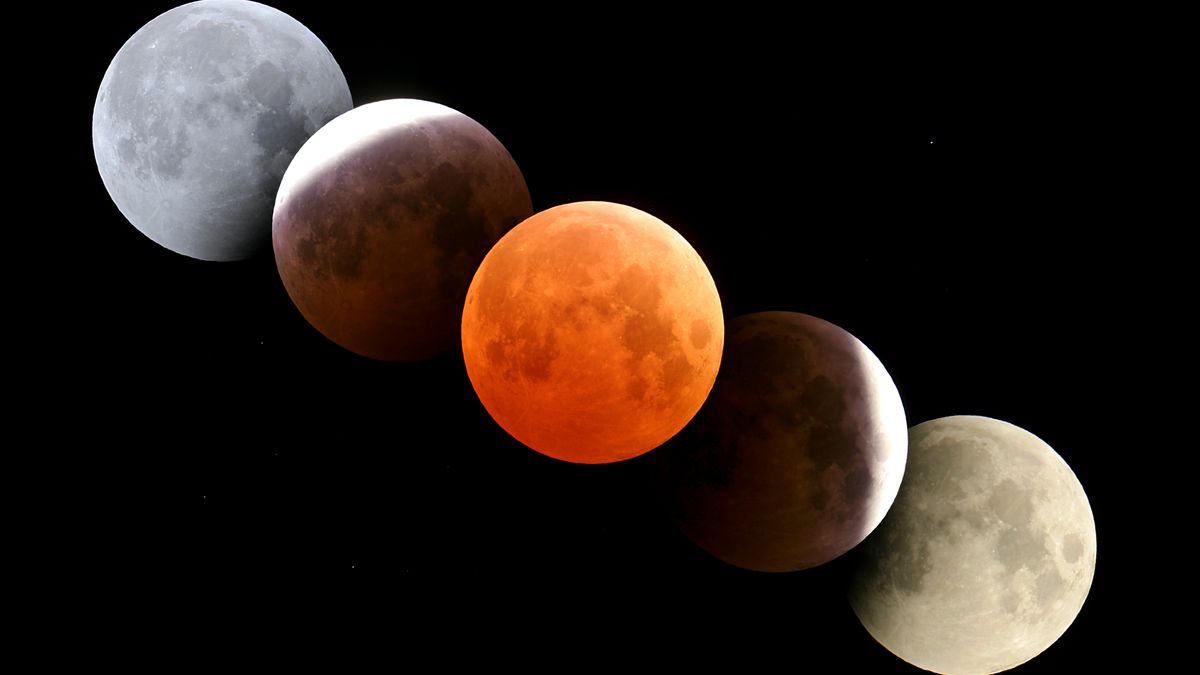
What is the March 2026 Lunar Eclipse?
At its heart, a lunar eclipse occurs when the Earth passes directly between the Moon and the Sun, casting a shadow on the Moon. For the upcoming March 2026 event, we’re talking about a total lunar eclipse. This means the Moon will be entirely submerged in the darkest part of Earth’s shadow, known as the umbra. During this period of totality, sunlight refracted through Earth’s atmosphere paints the Moon in hues of red, orange, or coppery brown, giving rise to its dramatic moniker: the “Blood Moon.”
This particular eclipse is scheduled to unfold on the night of March 2nd into the early morning of March 3rd, 2026, depending on your location within the USA. It promises to be a prolonged and easily observable event for millions across the Americas.
When and Where to See the March 2026 Total Lunar Eclipse in the USA
Timing is everything when it comes to celestial observations. To ensure you don’t miss a moment, let’s dive into the specifics, starting with Universal Time (UT), then translating it into your local US time zones.
Key Dates and Universal Time (UT)
Astronomical events are often referenced using Coordinated Universal Time (UT or UTC) for global consistency. Here are the key phases of the March 2026 total lunar eclipse in UT:
- Penumbral Eclipse Begins: March 3, 2026, at 06:04 UT
- Partial Eclipse Begins: March 3, 2026, at 07:11 UT
- Total Eclipse Begins: March 3, 2026, at 08:19 UT
- Greatest Eclipse (Mid-totality): March 3, 2026, at 09:00 UT
- Total Eclipse Ends: March 3, 2026, at 09:42 UT
- Partial Eclipse Ends: March 3, 2026, at 10:49 UT
- Penumbral Eclipse Ends: March 3, 2026, at 11:57 UT
Detailed US Visibility and Local Times
For those of us in the United States, these UT times translate into dates straddling March 2nd and 3rd, making it an excellent late-night or early-morning viewing opportunity. The entire contiguous United States will have a fantastic view of at least the partial and total phases of the eclipse. The East Coast will see the full event in the early morning hours, while the West Coast will see totality begin just after midnight.

To help you plan your viewing party (even if it’s just you and the moon!), here’s a detailed breakdown of the eclipse phases across the primary US time zones:
| Eclipse Phase | Universal Time (UT) | Eastern Time (ET) | Central Time (CT) | Mountain Time (MT) | Pacific Time (PT) |
|---|---|---|---|---|---|
| Penumbral Eclipse Begins | March 3, 06:04 | March 3, 01:04 AM | March 3, 12:04 AM | March 2, 11:04 PM | March 2, 10:04 PM |
| Partial Eclipse Begins | March 3, 07:11 | March 3, 02:11 AM | March 3, 01:11 AM | March 3, 12:11 AM | March 2, 11:11 PM |
| Total Eclipse Begins | March 3, 08:19 | March 3, 03:19 AM | March 3, 02:19 AM | March 3, 01:19 AM | March 3, 12:19 AM |
| Greatest Eclipse | March 3, 09:00 | March 3, 04:00 AM | March 3, 03:00 AM | March 3, 02:00 AM | March 3, 01:00 AM |
| Total Eclipse Ends | March 3, 09:42 | March 3, 04:42 AM | March 3, 03:42 AM | March 3, 02:42 AM | March 3, 01:42 AM |
| Partial Eclipse Ends | March 3, 10:49 | March 3, 05:49 AM | March 3, 04:49 AM | March 3, 03:49 AM | March 3, 02:49 AM |
| Penumbral Eclipse Ends | March 3, 11:57 | March 3, 06:57 AM | March 3, 05:57 AM | March 3, 04:57 AM | March 3, 03:57 AM |
Remember that the Penumbral phases are often very subtle and difficult to discern with the naked eye. The real show begins during the Partial Eclipse and crescendos during Totality.
Visibility Map Overview (Descriptive)
The March 2026 total lunar eclipse will be a treat for a significant portion of the globe. From a geographical standpoint, observers across North America (including all of the USA), South America, parts of Eastern Asia, and Australia will have prime seats. Europe will largely miss out on the total phase, while Africa and most of Asia will not see it. So, if you’re in the United States, you’re in a fantastic position to witness this cosmic event!
Unpacking the “Blood Moon” Phenomenon: Why it Turns Red
One of the most captivating aspects of a total lunar eclipse is the Moon’s dramatic transformation into a reddish hue. This isn’t due to some alien force or cosmic anomaly; it’s pure, beautiful physics involving our own planet.
The Science Behind the Red Hue
During a total lunar eclipse, the Moon passes into Earth’s umbra, the darkest part of our planet’s shadow. If the Earth had no atmosphere, the Moon would simply vanish into darkness. However, our atmosphere acts like a lens, bending and scattering sunlight.
Here’s the simplified breakdown:
- Blue light is scattered more efficiently by the Earth’s atmosphere (this is why our sky looks blue during the day).
- Red and orange light wavelengths penetrate the atmosphere more easily and are bent, or refracted, into Earth’s shadow.
So, essentially, the red light from the sun filters through Earth’s atmosphere, bends around our planet, and then illuminates the eclipsed Moon. It’s akin to observing all the sunsets and sunrises happening simultaneously around the world, projected onto the lunar surface.
What to Expect During Totality
The precise color and brightness of a “Blood Moon” can vary. Factors like dust, clouds, or volcanic ash in Earth’s atmosphere at the time of the eclipse can influence the shade. You might see:
- A bright, coppery orange
- A darker, rusty red
- Even a deep, almost brownish-red
Astronomers sometimes use the Danjon Scale to describe the eclipse’s luminosity, ranging from 0 (very dark, almost invisible) to 4 (very bright, coppery red or orange). While we can’t predict the exact Danjon rating for March 2026, the anticipation adds to the excitement. As the Moon enters and exits totality, you’ll also notice a stark contrast between the fully shadowed red portion and the brighter, partially illuminated parts.
Preparing for the Celestial Show: Your Viewing Guide
Unlike solar eclipses, which require specialized eye protection, lunar eclipses are perfectly safe to view directly with the naked eye. However, a little preparation can significantly enhance your experience.
Essential Gear (or Lack Thereof!)
- Your Eyes: The most important tool! Lunar eclipses are bright enough to be seen clearly without any optical aid.
- Binoculars: If you have a pair, even standard 7×50 or 10×50 binoculars will offer a remarkably enhanced view. You’ll see the Moon’s craters and surface features in stunning detail, even as it dims and changes color. This is highly recommended for a more immersive experience.
- Telescope: For serious enthusiasts, a telescope will reveal intricate lunar details, but be aware that during totality, the Moon will be dimmer. It’s still a fantastic way to observe the subtle color gradients.
- Warm Clothes & Blanket: March nights can be chilly, especially if you’re staying out for an extended period. Dress in layers!
- Comfortable Chair: You’ll be looking up for a while. A reclining chair can make all the difference.
- Snacks and a Thermos: A hot drink can be a welcome companion during those late-night/early-morning hours.
Finding Your Perfect Viewing Spot
To truly appreciate the eclipse, seek out a location with:
- An Open View of the Sky: Ensure no tall buildings or trees obscure your view of the Moon, especially as it traverses the sky.
- Minimal Light Pollution: While not as critical as for deep-sky objects, less light pollution will make the subtle penumbral phases easier to spot and enhance the visual impact of the red moon against a darker sky. Head to a park, a rural area, or even your backyard if it’s relatively dark.
- Safety First: Choose a location where you feel secure and comfortable spending time in the dark.
Photography Tips for the Lunar Eclipse
Capturing the “Blood Moon” can be a rewarding challenge. Here are some basic tips:
- Tripod is Essential: For crisp, clear shots, especially in low light, a sturdy tripod is non-negotiable.
- Use a Telephoto Lens (for DSLRs/Mirrorless): A lens with a focal length of 200mm or more will help fill the frame with the Moon.
- Manual Settings:
- ISO: Start around ISO 800-1600. Adjust based on how bright the moon appears.
- Aperture: Use a wide aperture (low f-number) like f/5.6 or f/8 to gather more light.
- Shutter Speed: This is crucial. During totality, the Moon is much dimmer. You might need exposures of several seconds (e.g., 2-4 seconds) for DSLRs. Experiment! For phones, use a “night mode” or specialized astrophotography app if available.
- Remote Shutter Release: This prevents camera shake when pressing the shutter button.
- Focus Manually: Autofocus can struggle in low light. Switch to manual focus and focus on the Moon.
- Shoot in RAW: If your camera supports it, RAW files offer more flexibility for post-processing.
The “Worm Moon” Eclipse: March’s Full Moon Lore
Beyond its scientific fascination, the March full moon carries a rich cultural legacy. It’s traditionally known as the “Worm Moon,” a name that beautifully encapsulates the transition from winter to spring.
The Origin of the “Worm Moon” Name
The name “Worm Moon” comes from Native American traditions, particularly those of the northern and eastern tribes. As the ground begins to thaw in early spring, earthworms (or their trails) start to reappear, signaling the return of robins and other birds, and a general reawakening of life after winter’s dormancy. Other names for the March full moon include the “Crow Moon” (when crows caw to signal the end of winter), the “Sap Moon” (referring to the tapping of maple trees), and the “Crust Moon” (as snow thaws by day and refreezes into a crust by night).
Cultural Significance of Lunar Eclipses
Throughout history, lunar eclipses have held profound cultural and mythological significance across diverse civilizations. Unlike solar eclipses, which were often viewed with dread, lunar eclipses often evoked a sense of wonder, mystery, or even mild apprehension rather than terror. Many cultures interpreted them as:
- Portents: Signs of change, often connected to deities or spiritual shifts.
- Celestial Battles: In some mythologies, a beast or demon was thought to be devouring the Moon, leading people to bang pots and pans to scare it away.
- Time for Reflection: A moment to pause, contemplate the cosmos, and appreciate the cyclical nature of life.
Today, while we understand the science, witnessing a “Blood Moon” still connects us to these ancient human experiences, offering a moment of shared awe under the vast night sky.
Staying Updated and Connecting with Fellow Stargazers
The beauty of astronomy is often shared. As March 2026 approaches, you’ll find plenty of resources to deepen your understanding and connect with others.
Astronomy Apps and Websites
Several excellent apps and websites provide real-time sky maps, eclipse details, and viewing guides:

- Sky-mapping Apps: Apps like SkyView Lite, Star Walk 2, or Stellarium Mobile can help you locate the Moon and other celestial objects, even simulating the eclipse.
- Reputable Astronomy Websites: Websites from NASA, Time and Date, The Old Farmer’s Almanac, and local observatories will offer updated information, educational content, and possibly live streams if weather is an issue.
Local Astronomy Clubs and Public Viewings
Many local astronomy clubs across the USA host public viewing events for significant celestial phenomena. These are fantastic opportunities to:
- Share the Experience: Witness the eclipse alongside fellow enthusiasts.
- Access Equipment: Often, clubs will have telescopes set up for public use, providing views you might not get otherwise.
- Learn from Experts: Club members and amateur astronomers are usually eager to share their knowledge and answer questions.
Check with your local libraries, science museums, or university astronomy departments closer to the date for information on planned events in your area.
Beyond March 2026: Other Lunar and Solar Events
While the March 2026 total lunar eclipse is a definite highlight, 2026 is shaping up to be a fantastic year for sky-watchers. You can also look forward to:
- An annular solar eclipse in February 2026 (visible in parts of Antarctica).
- A major total solar eclipse in August 2026, primarily visible across Europe and Greenland.
- A partial lunar eclipse later in August 2026, offering another chance to see Earth’s shadow creep across the Moon.
- Several spectacular supermoons throughout the year, where the full moon appears slightly larger and brighter due to its closer proximity to Earth.
Each of these events offers a unique connection to the cosmos, but the March 2026 “Blood Moon” holds a special allure for its accessibility and dramatic visual impact across the USA.
So, as 2026 approaches, prepare to be captivated. This total lunar eclipse isn’t just an astronomical event; it’s an invitation to pause, look up, and connect with the timeless wonder of our universe. Whether you’re a seasoned astronomer or a curious first-timer, the “Blood Moon” promises a truly unforgettable experience.
Frequently Asked Questions
What exactly is the March 2026 Full Moon Eclipse?
The March 2026 Full Moon Eclipse is a total lunar eclipse, meaning the Earth will pass directly between the Sun and the Moon, casting a full shadow (umbra) over the Moon. This will cause the Moon to turn a dramatic reddish color, earning it the nickname “Blood Moon.
When is the best time to see the March 2026 Total Lunar Eclipse in the USA?
The total phase of the eclipse will occur in the early morning hours of March 3, 2026, for most of the USA. Specifically, Greatest Eclipse (mid-totality) will be at 4:00 AM ET, 3:00 AM CT, 2:00 AM MT, and 1:00 AM PT. Partial phases will begin earlier and end later, providing an extended viewing window.
Why is it called a “Blood Moon”?
It’s called a “Blood Moon” because during a total lunar eclipse, sunlight passing through Earth’s atmosphere is scattered (blue light is scattered away), while red and orange light penetrates and is refracted onto the Moon’s surface, making it appear red, orange, or coppery brown.

Do I need special equipment to view the eclipse?
No, you don’t need any special equipment. A total lunar eclipse is perfectly safe to view with the naked eye. However, binoculars or a small telescope will enhance the experience, allowing you to see more surface detail and the subtle color variations.
What is the “Worm Moon” and how does it relate to this eclipse?
The “Worm Moon” is the traditional Native American name for the full moon in March, signifying the time when the ground thaws and earthworms begin to reappear. The March 2026 lunar eclipse coincides with this specific full moon, making it a “Worm Moon” eclipse.
Will the weather affect my ability to see the eclipse?
Yes, clear skies are essential for viewing the eclipse. If your local skies are cloudy, your view may be obscured. You might be able to find live streams of the eclipse online from other locations if local conditions are unfavorable.
Are there other significant astronomical events in 2026?
Yes, 2026 will also feature an annular solar eclipse in February (visible in parts of Antarctica), a major total solar eclipse in August (primarily visible in Europe), a partial lunar eclipse later in August, and several supermoons throughout the year.
