Ekadashi March 2026: Your Definitive Guide to Dates, Vrat, and Spiritual Significance in the USA
Are you looking to observe Ekadashi in March 2026 and feeling a bit lost with conflicting dates or unsure how to navigate the fast while living in the USA? You’re not alone. The spiritual practice of Ekadashi, observed on the eleventh day of each lunar fortnight, is a profound opportunity for spiritual growth, purification, and connecting with the divine. But understanding the exact dates, especially with the variations in Hindu calendars and time zones, can be surprisingly complex.
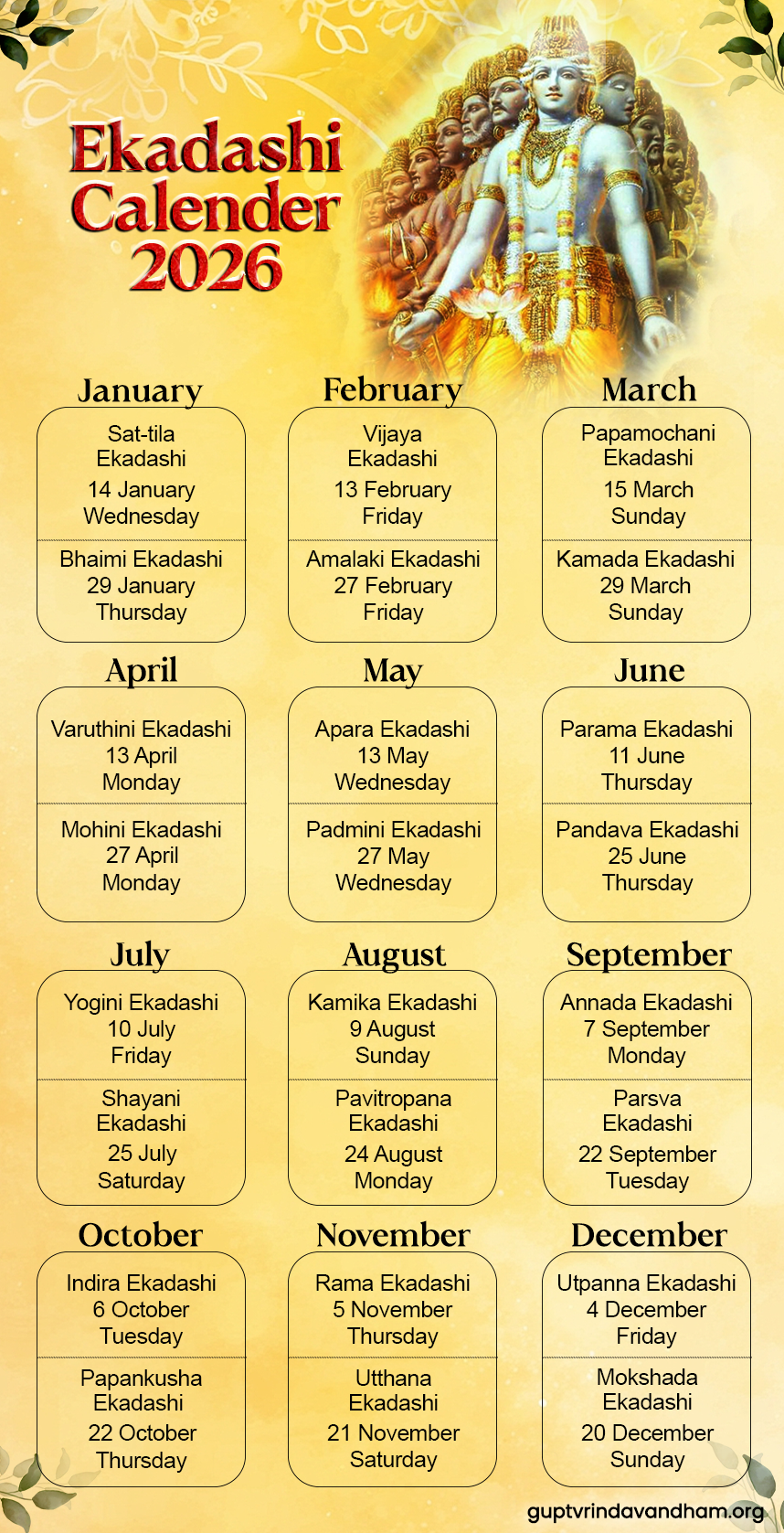
This guide is your one-stop resource for Ekadashi in March 2026. We’ll cut through the confusion, provide you with the most commonly observed dates, explain *why there might be variations, and offer practical, human-first advice for observing this sacred fast right here in the United States. Let’s make your Ekadashi observance meaningful and clear.
What is Ekadashi and Why is it Observed?
At its heart, Ekadashi is more than just a date on a calendar; it’s a powerful spiritual discipline. It translates simply to “eleven,” referring to the eleventh day of each lunar cycle (both waxing and waning moon phases). Dedicated primarily to Lord Vishnu, the preserver of the universe, observing Ekadashi is believed to cleanse the mind, body, and spirit of impurities, accumulate merit (punya), and foster devotion.
The Cosmic Rhythm of the Moon and Vishnu
The Hindu calendar, or Panchang, is deeply intertwined with lunar movements. The moon’s phases are thought to influence our minds and bodies. Ekadashi, occurring on the eleventh day, is considered an optimal time for fasting and spiritual practices because the moon’s influence is believed to be particularly conducive to internal purification. Lord Vishnu, as the embodiment of sustenance and cosmic order, is invoked during this time to help devotees overcome material desires and focus on spiritual advancement.
Spiritual Benefits of Observing Ekadashi Vrat
The “vrat” (fast) part of Ekadashi isn’t just about abstaining from food. It’s a holistic practice aimed at self-control and spiritual elevation. Here are some key benefits:
- Inner Purification: Fasting on Ekadashi is believed to cleanse the body of toxins and the mind of negative thoughts, leading to greater clarity and peace.
- Enhanced Devotion: By dedicating the day to prayers, chanting, and meditation, devotees strengthen their connection with Lord Vishnu and other deities.
- Accumulation of Punya (Merit): Scriptures promise significant spiritual benefits and positive karma for sincere observers.
- Discipline and Self-Control: Successfully completing the fast builds willpower and helps in overcoming cravings and attachments.
- Health Benefits: From a purely physiological perspective, intermittent fasting can aid digestion and give the body a chance to detoxify.
Who Observes Ekadashi? (And Why You Should Consider It)
Traditionally, devout Hindus from various traditions observe Ekadashi. This includes followers of Vaishnavism (devotees of Vishnu), but also many other Hindus who recognize its spiritual significance. While the strictness of the fast can vary, anyone seeking spiritual discipline, a deeper connection to their faith, or simply a day of mental and physical cleansing can observe Ekadashi. You don’t need to be a lifelong practitioner to start; even a partial fast or dedicating the day to spiritual reflection can be incredibly beneficial.
Navigating the March 2026 Ekadashi Dates: Understanding the Nuances
Alright, let’s get down to the dates. You might have noticed that looking up Ekadashi dates online can yield confusing or even conflicting results. This isn’t a mistake; it’s due to the intricate nature of the Hindu calendar and differing traditions. My goal here is to provide clarity for March 2026, particularly for those in the USA.
The Core Dates for March 2026 Ekadashis
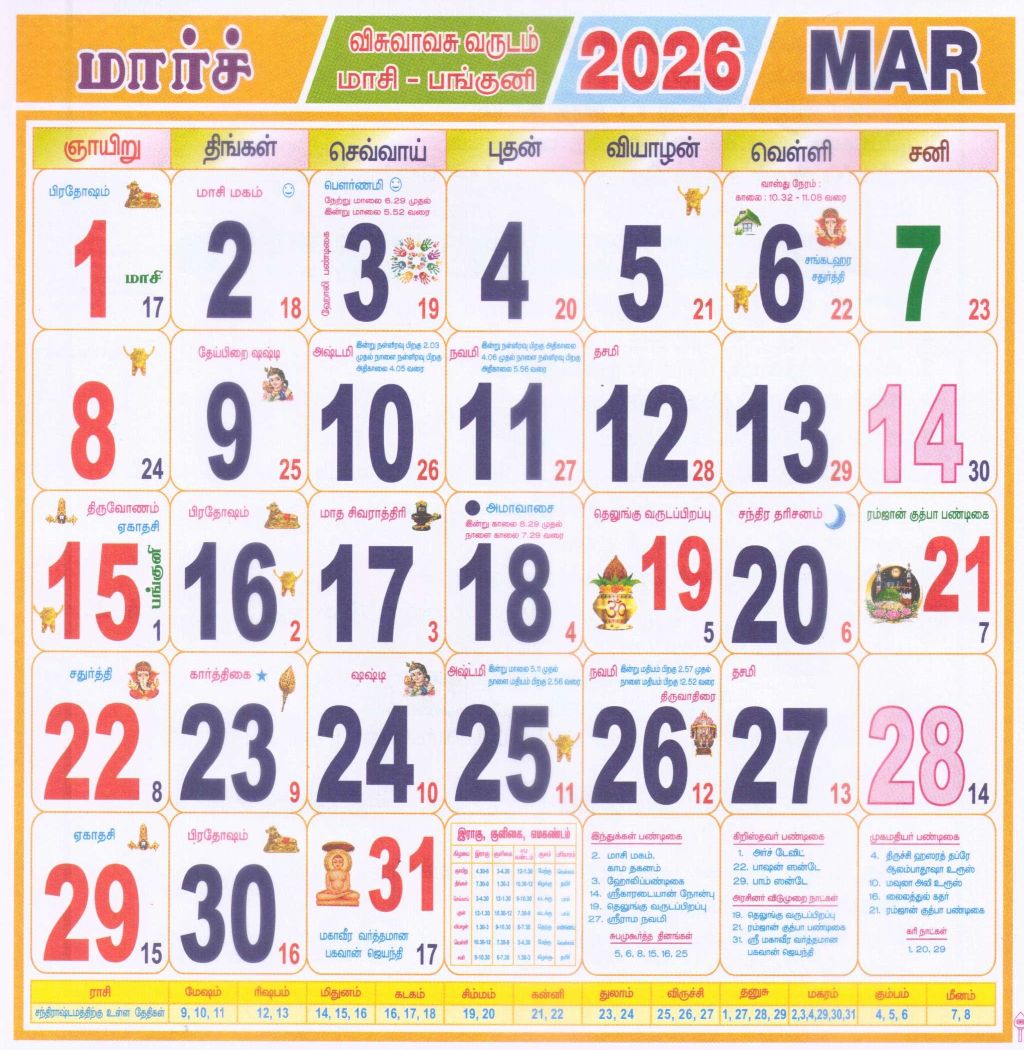
For March 2026, there are two significant Ekadashi observances. Based on the most widely followed calendars (including Drik Panchang and others commonly referenced by Vaishnav and Smarta traditions), here are the expected dates:
| Ekadashi Name | Gregorian Date (2026) | Paksha (Lunar Fortnight) | Associated Month (Hindu Calendar) | Key Note |
|---|---|---|---|---|
| Papamochani Ekadashi | Sunday, March 15, 2026 | Krishna Paksha (Waning Moon) | Chaitra | Believed to absolve sins and purify the soul. |
| Kamada Ekadashi / Amalaki Ekadashi | Sunday, March 29, 2026 | Shukla Paksha (Waxing Moon) | Chaitra | Kamada: Fulfills desires. Amalaki: Associated with the Amla tree and Lord Vishnu. |
Important Note: These dates are calculated for the USA, typically aligning with a major city like New York or Chicago, and are generally consistent across major panchang sources for Vaishnav and Smarta traditions. However, slight variations can occur.
Why Dates Can Differ: Smarta vs. Vaishnava Traditions & Location Impact
This is where most of the confusion arises. Here’s a breakdown:
Smarta vs. Vaishnava Traditions:
- Smarta Tradition: This broadly refers to followers who respect all major deities (Vishnu, Shiva, Devi, Surya, Ganesha) and generally follow Vedic injunctions. For Ekadashi, Smarta rules are often more straightforward: if the 10th Tithi (Dashami) ends before Arunodaya (dawn) on the 11th Tithi (Ekadashi), then Ekadashi is observed on the 11th. If Dashami extends into Arunodaya, the fast might be postponed to the 12th Tithi (Dwadashi) to avoid the fast coinciding with Dashami.
- Vaishnava Tradition (e.g., ISKCON, specific sampradayas): Vaishnavites, who primarily worship Lord Vishnu and His avatars, have stricter rules. They often observe Ekadashi based on the presence of Dashami at sunrise (Arunodaya) and may postpone the fast if Dashami touches Arunodaya even slightly. They might also consider specific “Vaishnava Ekadashi” rules which can result in a different observance day than the Smarta tradition. This is why you sometimes see “Smarta Ekadashi” and “Vaishnava Ekadashi” on different days.
Impact of USA Time Zones/Locations:
The precise start and end times of Tithis (lunar days) are dependent on your geographical location. What might be Ekadashi Tithi at sunrise in New Delhi, India, could still be Dashami Tithi in New York City or Los Angeles. Panchangs are meticulously calculated based on specific longitude and latitude. Therefore, if you’re serious about observing Ekadashi, it’s crucial to consult a panchang that uses your local sunrise and sunset times for calculations, or at least a panchang calculated for a major city in your time zone within the USA.
For this guide, the dates provided are generally applicable across most of the USA, but always verify with a local panchang if you belong to a specific tradition with strict rules. Most online panchang calculators allow you to input your city and state to get accurate timings.
Papamochani Ekadashi: March 2026’s First Sacred Fast
The first Ekadashi in March 2026 is Papamochani Ekadashi, falling on Sunday, March 15th. As the name suggests, “Papa” means sin, and “Mochani” means that which frees or releases. This Ekadashi is deeply significant for seeking absolution from sins and purifying one’s karma.
Significance and Legends of Papamochani Ekadashi
Papamochani Ekadashi occurs during the Krishna Paksha (waning phase) of the Chaitra month, just before the Hindu New Year begins. It is revered for its power to absolve even grave sins committed knowingly or unknowingly. Legends from the ancient scriptures, such as the Bhavishya Purana, narrate stories of individuals who were freed from severe curses and karmic burdens by sincerely observing this fast.
One popular story tells of the celestial damsel Manjughosha and the sage Medhavi. Due to Manjughosha’s enchanting influence, Medhavi broke his penance and abandoned his spiritual path, incurring a curse. Observing Papamochani Ekadashi with devotion allowed him to be freed from the curse and regain his spiritual purity. This emphasizes that no matter the transgression, sincere repentance and devotion on this day can lead to spiritual liberation.
Key Vrat Vidhi (Fasting Rituals) for Papamochani
Observing Papamochani Ekadashi involves more than just abstaining from food. Here’s what you typically do:
- Sankalpa (Intention): The day before Ekadashi (Dashami), take a vow to observe the fast with sincerity. Avoid heavy, non-vegetarian food.
- Abstinence: On Ekadashi itself, abstain from grains (rice, wheat, barley), pulses (beans, lentils), and certain spices. Many opt for a nirjala fast (no food or water), a phalhari fast (fruits and water), or consuming specific Ekadashi-friendly foods (see “What to Eat” section below).
- Worship of Lord Vishnu: Dedicate the day to prayers, chanting Vishnu Sahasranama, reading Bhagavad Gita, and offering flowers, incense, and lamps to Lord Vishnu or your chosen deity.
- Avoid Negative Activities: Refrain from anger, gossip, excessive sleep, and other materialistic pursuits. Focus on spiritual thoughts.
Parana Time & Breaking the Fast for Papamochani (USA Specific Guidance)
Parana, or breaking the fast, is a crucial part of Ekadashi observance. It must be done within a specific time window on the Dwadashi Tithi (the twelfth day) after sunrise. Breaking the fast outside this window is considered a breach of the vrat.
For Papamochani Ekadashi on Sunday, March 15, 2026, the Parana will typically be on Monday, March 16, 2026. The exact Parana window will vary significantly based on your precise location within the USA (e.g., New York, California, Texas). You must use a local panchang to get the exact window for your city. Generally, it begins after sunrise and ends a few hours later, before the end of the Dwadashi Tithi.
How to find your specific Parana time:

- Go to a reputable online panchang (e.g., Drik Panchang, mPanchang).
- Enter your specific city and state in the USA.
- Look for the “Parana Time” or “Vrat Parana” for March 16, 2026.
To break the fast, consume a small amount of a grain-based food (traditionally rice, but any permitted grain will do) after offering it to Lord Vishnu. This signifies the successful completion of the fast.
Amalaki Ekadashi (or Kamada Ekadashi in Some Traditions): March 2026’s Second Auspicious Day
The second Ekadashi in March 2026 falls on Sunday, March 29th. This Ekadashi is known as Kamada Ekadashi in most Vaishnava traditions and often aligns with Amalaki Ekadashi in others. Both carry immense spiritual merit.
The Glory of Amalaki Ekadashi and the Amla Tree
Amalaki Ekadashi, which falls on the Shukla Paksha (waxing moon) of the Phalguna or Chaitra month, is particularly associated with the Amla (Indian gooseberry) tree. The Amla tree is considered sacred and is believed to be an abode of Lord Vishnu. Observing Amalaki Ekadashi involves worshipping the Amla tree and offering devotion to Lord Vishnu. It is believed to bestow prosperity, good health, and spiritual liberation. This Ekadashi often precedes Holi or is celebrated around that time, signaling the arrival of spring and new beginnings.
Significance of Kamada Ekadashi for Fulfillment of Desires
For many, particularly Vaishnavites, this Ekadashi is celebrated as Kamada Ekadashi. “Kamada” means “giver of desires,” and observing this fast sincerely is believed to fulfill one’s righteous wishes and desires. It’s an opportunity to pray for spiritual aspirations, material well-being, or the removal of obstacles. The Puranas mention that observing Kamada Ekadashi can even free one from the sin of Brahma Hatya (killing a Brahmin).
Vrat Observances and Offerings for Amalaki/Kamada Ekadashi
The general rules for fasting on Amalaki/Kamada Ekadashi are similar to Papamochani Ekadashi: abstinence from grains, pulses, and specific spices. Devotees may choose a full fast (nirjala) or a partial fast (phalhari).
Special observances for Amalaki/Kamada Ekadashi:
- Amla Tree Worship: If possible, worship an Amla tree. Offer water, flowers, and a lamp to it. If an actual tree isn’t accessible, you can perform symbolic worship to a representation or even just visualize it.
- Lord Vishnu and Lakshmi: This Ekadashi is a great time to worship Lord Vishnu along with Goddess Lakshmi, praying for both spiritual and material blessings.
- Charity: Performing acts of charity, especially donating Amla fruits or feeding cows, is considered highly meritorious on this day.
Parana Time & Breaking the Fast for Amalaki/Kamada (USA Specific Guidance)
Just like Papamochani, the Parana for Amalaki/Kamada Ekadashi is crucial. For the fast observed on Sunday, March 29, 2026, the Parana will be on Monday, March 30, 2026.
Again, you’ll need to consult a local panchang for your specific USA location to find the precise Parana window after sunrise on March 30th. Don’t guess; accuracy is key to completing the fast correctly. Break the fast by consuming a small portion of a grain-based food, symbolizing the completion of your spiritual vow.
Practical Guide to Observing Ekadashi in the USA
Observing Ekadashi in a Western country like the USA, away from traditional Hindu communities, might present unique challenges. But with a bit of planning, it’s absolutely achievable and deeply rewarding.
Preparation: Mind, Body, and Spirit
- Mental Preparation: Understand the “why” behind your fast. Set a clear intention for spiritual growth or a specific prayer.
- Physical Preparation: On Dashami (the day before Ekadashi), avoid heavy meals, especially non-vegetarian food. Eat light and hydrate well.
- Spiritual Preparation: Gather your prayer beads (japa mala), sacred texts, or set up a small altar if you don’t have one.
What to Eat (and Strictly Avoid) on Ekadashi
The rules for Ekadashi fasting focus on sattvic (pure) foods that don’t overstimulate the body or mind. This is a general guide; stricter traditions might have additional restrictions.
Allowed Foods (Phalahari Fast):
- Fruits: All fruits (fresh or dried).
- Vegetables: Potatoes, sweet potatoes, taro (arbi), pumpkin, spinach, tomatoes, cucumbers, bottle gourd, plantains, bell peppers (some avoid), zucchini. Avoid eggplant, mushrooms, and leafy greens in some traditions.
- Dairy: Milk, yogurt, paneer (fresh cheese), ghee.
- Nuts & Seeds: Almonds, walnuts, cashews, peanuts (some avoid), sunflower seeds, pumpkin seeds.
- Flours: Kuttu atta (buckwheat flour), Singhara atta (water chestnut flour), Rajgira atta (amaranth flour), Tapioca flour (sabudana).
- Spices: Rock salt (sendha namak), black pepper, ginger, green chilies, cumin powder (some avoid), fresh coriander.
- Sweeteners: Sugar, jaggery, honey.
- Drinks: Water, fruit juices, herbal teas, milk, buttermilk.
Strictly Forbidden Foods (Key to Ekadashi Fast):
- Grains: Rice, wheat, barley, corn, oats, all lentils and beans (dal, chana, rajma, soy products).
- Certain Spices: Turmeric, asafoetida (hing), mustard seeds, fenugreek, regular salt (sea salt, table salt).
- Vegetables: Onion, garlic.
- Non-vegetarian food: Meat, fish, eggs.
How to Perform Parana (Breaking the Fast) Correctly
Remember, Parana is not just eating; it’s a specific ritual:
- Consult Your Panchang: Re-emphasize finding the exact* Parana window for your location on the Dwadashi Tithi (March 16th and March 30th respectively).
- Offer Prayers: Before eating, offer a prayer to Lord Vishnu, thanking Him for the strength to complete the fast and seeking His blessings.
- First Morsel: Traditionally, break the fast by consuming a small amount of boiled rice or any permitted grain-based food.
- Normal Meal: After the initial breaking, you can resume your regular, non-Ekadashi meal.
Seeking Local Panchang or Spiritual Guidance
For the most accurate timings for your specific city in the USA, I highly recommend using reliable online panchang resources that allow location input. Apps are also available. If you’re part of a local Hindu temple or community, they often publish their specific Ekadashi calendars. Don’t hesitate to reach out to spiritual leaders or experienced devotees for personalized guidance.
Common Mistakes to Avoid
- Incorrect Dates/Times: The biggest pitfall. Always double-check your local Parana times.
- Improper Foods: Accidentally consuming forbidden grains or spices can invalidate the fast. Be mindful while preparing meals.
- Negative Behavior: The fast is for spiritual purification. Engaging in anger, gossip, or other negative actions goes against the spirit of Ekadashi.
- Overeating after Fast: While you can eat normal food after Parana, avoid overindulging immediately to prevent digestive distress.
- Ignoring Health Conditions: If you have any health issues (diabetes, pregnancy, etc.), consult a doctor before undertaking a strict fast. A partial fast or simply dedicating the day to prayer can still be beneficial.
Beyond the Fast: Engaging Spiritually on Ekadashi
The physical fast is a tool, not the sole purpose. To truly benefit from Ekadashi, engage your mind and spirit:
Chanting and Meditation Practices
Spend extra time on your daily spiritual practices. Chanting the Maha Mantra (Hare Krishna Hare Krishna, Krishna Krishna Hare Hare, Hare Rama Hare Rama, Rama Rama Hare Hare) or other Vishnu mantras is highly recommended. Meditation on the form of Lord Vishnu or your chosen deity deepens your spiritual connection.
Reading Sacred Texts (Bhagavad Gita, Srimad Bhagavatam)
This is a perfect day to delve into spiritual literature. Reading chapters from the Bhagavad Gita, Srimad Bhagavatam, or other Puranas elevates your consciousness and provides insights into the divine nature of the universe.
Acts of Charity and Service (Seva)
Ekadashi is an excellent day for seva (selfless service). This could involve donating to a temple, a charitable cause, helping those in need, or simply performing kind acts for others. The merit gained from such actions on Ekadashi is multiplied.

Conclusion: Embracing the Spiritual Rhythms of Ekadashi
Observing Ekadashi in March 2026, whether it’s Papamochani or Amalaki/Kamada, is a wonderful opportunity to pause, reflect, and reinvigorate your spiritual journey. While the calendar dates and traditions can seem daunting at first, remember that the essence lies in your sincerity and devotion. By understanding the nuances, preparing consciously, and dedicating yourself to prayer and contemplation, you can make these sacred days deeply transformative, even thousands of miles away from India.
Embrace the cosmic rhythm of Ekadashi, cleanse your spirit, and move forward with renewed energy and purpose. May your observances bring you immense peace and spiritual upliftment.
Frequently Asked Questions
What are the main Ekadashi dates in March 2026 for the USA?
For March 2026, the two primary Ekadashi dates are Papamochani Ekadashi on Sunday, March 15th, and Amalaki/Kamada Ekadashi on Sunday, March 29th. These dates are generally consistent across major Hindu calendars, though always check a local panchang for precise timings in your specific USA city.
Why do Ekadashi dates sometimes vary between different calendars or websites?
Ekadashi dates can vary primarily due to two reasons: differing calendrical traditions (Smarta vs. Vaishnava) and geographical location. Smarta and Vaishnava traditions have slightly different rules regarding the presence of Dashami Tithi (the tenth lunar day) at sunrise. Additionally, the exact start and end times of lunar days depend on your specific longitude and latitude, meaning timings in India will differ from those in various US time zones.
What foods are allowed and forbidden during an Ekadashi fast?
On Ekadashi, typically grains (rice, wheat, barley, corn, all lentils/beans), onion, and garlic are strictly forbidden. Allowed foods for a partial (‘phalhari’) fast include fruits, vegetables like potatoes, sweet potatoes, pumpkin, spinach, dairy products (milk, yogurt, paneer), nuts, seeds, and flours made from buckwheat (kuttu atta), water chestnut (singhara atta), or amaranth (rajgira atta). Rock salt (sendha namak) is usually permitted.
What is ‘Parana’ and when should I do it for March 2026 Ekadashis?
Parana is the ritual of breaking the Ekadashi fast. It is crucial to perform Parana within a specific time window on the Dwadashi Tithi (the twelfth lunar day) after sunrise. For Papamochani Ekadashi (March 15th), Parana will be on Monday, March 16th. For Amalaki/Kamada Ekadashi (March 29th), Parana will be on Monday, March 30th. You must consult a reliable online panchang or a local temple calendar for the precise Parana window in your specific US city.
Can I observe Ekadashi if I have health conditions or live outside a Hindu community?
Yes, absolutely. If you have health conditions (e.g., diabetes, pregnancy), it’s essential to consult your doctor before undertaking a strict fast. You can still observe Ekadashi by keeping a partial fast (eating only permitted fruits/vegetables) or simply dedicating the day to prayers, chanting, and spiritual reflection without food restrictions. Many online resources and apps cater to various locations, and the essence of Ekadashi is devotion and purification, which can be achieved even without a full fast or local community.
What is the spiritual significance of Papamochani and Amalaki/Kamada Ekadashi?
Papamochani Ekadashi, meaning ‘that which absolves sins,’ is observed for seeking purification from past misdeeds and karmic burdens. Amalaki Ekadashi is associated with the sacred Amla (Indian gooseberry) tree and Lord Vishnu, bringing prosperity and good health. Kamada Ekadashi, often observed around the same time, is believed to fulfill righteous desires and bestow blessings for spiritual and material well-being.
