Canada March Break 2026: Your Ultimate Guide for US Families
Planning a family getaway to Canada for March Break 2026? Fantastic choice! As a US family, you’re looking for clear dates, exciting destinations, and practical tips to make your trip seamless and memorable. Forget sifting through dozens of Canadian school board websites; you need a single, reliable resource to kickstart your planning. You’ve come to the right place.

March Break in Canada offers a unique blend of winter wonderland adventures and early spring urban escapes, often accompanied by a favorable exchange rate for US dollars. But here’s the catch: unlike the more uniform spring breaks in many US states, Canada’s March Break dates can vary significantly by province, and even by school board within a province. Knowing these dates is the first, most crucial step to planning your adventure.
When is March Break 2026 in Canada? The Key Dates You Need to Know
The first thing to understand is that there isn’t one single “Canada March Break.” Each province and territory sets its own school calendar, and while there’s often alignment, especially in larger regions, variations exist. For 2026, we see a primary block for many Eastern provinces and a slightly more varied or extended period in the West.
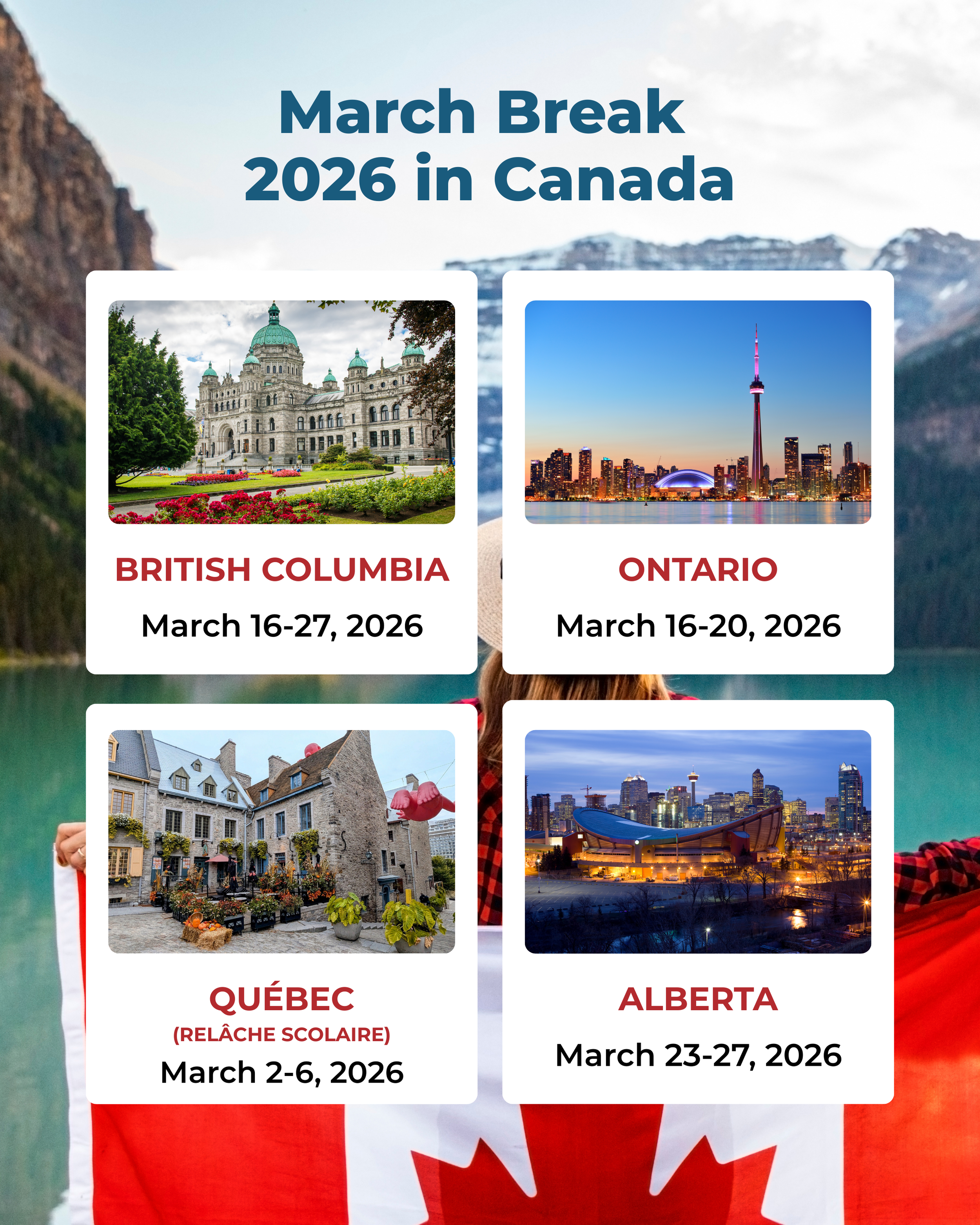
Eastern Canada (Ontario, Quebec, Maritimes): March 16-20, 2026 (Mostly)
Many of Canada’s most populous eastern provinces, including Ontario and Quebec, typically schedule their March Break for the third full week of March. This means the break will largely fall between Monday, March 16, and Friday, March 20, 2026. This alignment makes planning easier for those looking at popular destinations like Toronto, Montreal, or Ottawa.
Provinces like Nova Scotia, New Brunswick, and Prince Edward Island often follow a similar schedule, making this week a busy period for family travel across Eastern Canada.
Western Canada (British Columbia, Alberta, Saskatchewan, Manitoba): Varied Dates & Extended Breaks
Head west, and the picture shifts a bit. While some school boards might align with the March 16-20 dates, it’s far more common to find longer breaks or different weeks entirely. For instance:
- British Columbia: Many districts, like the Vancouver School Board, will have their Spring Break from March 16 to March 27, 2026, meaning a two-week period. This allows for more extensive travel or deeper exploration.
- Alberta: The Calgary Board of Education, for example, lists its Spring Break from March 21 to March 29, 2026, often including a non-instructional day prior. This means a later and longer break for families in this region.
Saskatchewan and Manitoba also feature some variations, but generally, Western Canada tends to offer either a later or an extended break compared to the East. This is crucial for US families to note, as it opens up different windows for travel and can influence crowd levels in popular destinations.
National Summary Table: Canada March Break 2026 at a Glance
Here’s a consolidated overview of the confirmed and typical March Break dates for major Canadian provinces in 2026. Remember, while this provides a strong guide, it’s always wise to double-check with specific school board calendars if you have a particular region or school in mind.
| Province/Region | Standard March Break Dates 2026 | Notes & Variations for US Travelers |
|---|---|---|
| Ontario | March 16 – March 20, 2026 | Most common dates for Toronto, Ottawa, Niagara. Check local board for confirmation. |
| Quebec | March 2 – March 6, 2026 (some regions); March 16 – March 20, 2026 (most common) | While some school boards vary, March 16-20 is broadly recognized as the main break week. Quebec City often observes earlier. |
| British Columbia | March 16 – March 27, 2026 | Often a two-week ‘Spring Break’. Great for longer trips to Vancouver/Whistler. |
| Alberta | March 21 – March 29, 2026 | Typically a later, often extended ‘Spring Break’. Ideal for Banff/Lake Louise. |
| Nova Scotia | March 16 – March 20, 2026 | Standard March Break week. |
| New Brunswick | March 2 – March 6, 2026 (often) | Many districts observe an earlier ‘March Break’ for some schools. Critical to verify. |
| Manitoba | March 24 – March 28, 2026 (flexible) | Dates can vary widely by division. Later in March is common. |
| Saskatchewan | Varied, often mid-March or late March | Highly dependent on school division. Some align with AB/BC. |
| Newfoundland & Labrador | March 16 – March 20, 2026 | Standard March Break week. |
| Prince Edward Island | March 16 – March 20, 2026 | Standard March Break week. |
Pro-Tip for US Families: If you’re flexible with your travel dates, consider targeting a province where the March Break dates don’t align with your own school’s break. This can sometimes lead to fewer crowds and potentially better deals on flights and accommodations!
Why Consider Canada for Your 2026 March Break Getaway? (For US Travelers)
So you know *when to go, but why* Canada? As a US family, you have countless options, but Canada offers a compelling combination of advantages that make it a superb choice for your 2026 March Break.
Proximity & Accessibility
For millions of US families, Canada is literally in your backyard. Whether you’re driving from New England to Quebec, from Michigan to Ontario, or flying a short hop from Seattle to Vancouver, reaching Canada is often quicker and less stressful than flying across the US or overseas. This proximity means less travel time and more vacation time, which is invaluable with kids.
Favorable Exchange Rate
Historically, the Canadian dollar (CAD) has been weaker than the US dollar (USD). This means your hard-earned US dollars stretch further in Canada, making everything from accommodation and dining to activities and souvenirs more affordable. This can significantly impact your overall budget, allowing for more experiences or simply making the trip more economical.
Diverse Activities & Experiences
Canada is vast and incredibly diverse. Depending on where you go, you can find world-class skiing, vibrant city life, serene natural parks, historic sites, and unique cultural experiences. March is a shoulder season, offering a blend of late winter sports and the budding signs of spring, providing a wider range of activities than you might expect.
Unique Winter Wonderland vs. Early Spring Vibes
Depending on your chosen destination, March can still be very much a winter month in many parts of Canada, particularly in the Rockies and Eastern provinces like Quebec. This means opportunities for skiing, snowboarding, ice skating, and cozy evenings. However, in coastal British Columbia, you might already experience milder, rainier, and more spring-like conditions, with gardens starting to bloom. This variety allows you to tailor your March Break experience to your family’s preferences.
Top Canadian Destinations for March Break 2026 (With Activity Ideas)
Once you’ve nailed down the dates that work for your family, the fun part begins: choosing your destination! Canada offers incredible diversity for March Break, catering to all interests.
Ontario: City Buzz & Natural Wonders
Ontario, home to Canada’s largest city and capital, is a prime March Break destination, especially for those observing the March 16-20 break.
- Toronto: Canada’s cosmopolitan hub offers a plethora of indoor activities perfect for March. Explore the interactive exhibits at the Ontario Science Centre, marvel at marine life at Ripley’s Aquarium of Canada (right next to the iconic CN Tower), or delve into history and art at the Royal Ontario Museum (ROM). For shopping and dining, the Eaton Centre and Kensington Market are vibrant spots.
- Niagara Falls: Experience the thundering beauty of Niagara Falls in its winter glory. While some attractions might be seasonal, Journey Behind the Falls, Niagara SkyWheel, and the Clifton Hill entertainment district offer plenty to do. Many indoor waterparks like Fallsview Indoor Waterpark provide a warm escape for families.
- Ottawa: The nation’s capital offers a rich dose of culture and history. Tour Parliament Hill, visit world-class museums like the Canadian Museum of History (just across the river in Gatineau, Quebec) or the National Gallery of Canada. If conditions permit, the Rideau Canal Skateway might still be open for a unique skating experience, though by mid-March, it’s less guaranteed.
Quebec: European Charm & Winter Sports
Quebec, with its distinct French culture, feels like a trip to Europe without the transatlantic flight. March offers a delightful mix of winter activities and urban exploration.
- Montreal: Wander through historic Old Montreal, discover the underground city (RESO), which connects shopping malls, metro stations, and attractions, perfect for colder days. Visit the Biodome, Planetarium, Botanical Garden, and Insectarium at the Space for Life complex. Don’t forget to indulge in Quebec’s famous poutine!
- Quebec City: The only walled city north of Mexico, Quebec City is incredibly charming. Stroll the Plains of Abraham, explore the historic Old Town (a UNESCO World Heritage site), and ride the Funicular. While the famous Winter Carnival will have passed, the city retains a magical, European feel, and local sugar shacks might be in full swing for maple syrup season!
- Ski Resorts: For avid skiers and snowboarders, Quebec boasts excellent resorts like Mont Tremblant in the Laurentians or Le Massif de Charlevoix with stunning views of the St. Lawrence River. March usually brings good snow conditions and longer daylight hours.
British Columbia: Mountain Adventures & Coastal Beauty
If your March Break aligns with BC’s often extended dates (March 16-27), you’re in for a treat with a blend of outdoor adventure and urban sophistication.
- Vancouver: A beautiful coastal city nestled between mountains and ocean. Explore Stanley Park, visit Granville Island Market for food and artisan crafts, or check out the Vancouver Aquarium. Gastown and Yaletown offer great dining. March might bring some rain, but it also means fewer crowds and a vibrant cultural scene.
- Whistler Blackcomb: Just a scenic two-hour drive from Vancouver, Whistler Blackcomb is North America’s largest ski resort. March is often considered one of the best months for skiing and snowboarding, with ample snowfall and longer, sunnier days. Beyond the slopes, enjoy village strolls, zip-lining, or a spa day.
- Victoria: Take a ferry to Vancouver Island and visit Victoria, the charming capital of BC. March is when the world-renowned Butchart Gardens begin to burst with early spring blooms. Explore the Royal BC Museum, stroll along the Inner Harbour, and enjoy afternoon tea.
Alberta: Rocky Mountain Majesty
For families seeking awe-inspiring natural beauty and world-class winter sports, Alberta’s Rocky Mountains are unparalleled. Many districts here have a later, longer break (e.g., March 21-29).
- Banff & Lake Louise: These iconic destinations in Banff National Park offer breathtaking landscapes. March is prime time for skiing and snowboarding at resorts like Lake Louise Ski Resort, Sunshine Village, and Mount Norquay. Enjoy ice skating on Lake Louise (if conditions hold), soak in the Banff Upper Hot Springs, or take a scenic sleigh ride. Wildlife viewing can also be a highlight.
- Calgary: As the gateway to the Rockies, Calgary itself offers attractions like the Calgary Zoo, Telus Spark Science Centre, and the scenic pathways along the Bow River. It’s a great base for day trips into the mountains.
Essential Planning Tips for US Families Visiting Canada in March 2026
Planning an international trip requires a bit more foresight than a domestic one. Here are crucial tips for US families heading to Canada for March Break 2026.
Documentation & Entry Requirements
The good news: For US citizens, entering Canada is relatively straightforward. However, proper documentation is essential:
- Passports: All US citizens, including children, need a valid US passport for air travel into Canada. If driving, a passport card, NEXUS card, or Enhanced Driver’s License (EDL) can be used, but a full passport is always the safest bet. Ensure passports are valid for the entire duration of your stay.
- Children Traveling Alone/With One Parent: If a child is traveling with only one parent, it’s highly recommended to have a consent letter from the non-traveling parent. If traveling with guardians, both parents’ consent letters are advised.
Currency & Budgeting
As mentioned, the US dollar usually holds a favorable exchange rate against the Canadian dollar. Keep these tips in mind:
- Credit Cards: Major credit cards (Visa, MasterCard, American Express) are widely accepted. Inform your bank of your travel dates to avoid fraud alerts.
- Cash: While cards are prevalent, it’s good to have some Canadian cash for smaller purchases, tips, or in remote areas. You can get Canadian dollars at banks, ATMs, or currency exchange counters in Canada.
- Budgeting: Factor in the GST (Goods and Services Tax) which is 5% federally, and provincial sales taxes (PST) or harmonized sales tax (HST), which can range from 0% to 15% depending on the province. Prices displayed typically don’t include these taxes.
Weather & Packing
March in Canada is still very much winter in many parts, but it’s a transitional month. Be prepared for anything!
- Eastern Canada & Rockies: Expect cold temperatures, snow, and ice. Pack warm layers: waterproof jacket, snow pants (if playing outdoors), thermal base layers, hats, gloves, and waterproof boots.
- Coastal British Columbia: Milder, but still cool and often rainy. A waterproof jacket, umbrella, and comfortable waterproof walking shoes are a must. Layers are still key.
- Layering is Your Friend: Regardless of the region, dressing in layers is the best strategy. You can always add or remove clothing as temperatures fluctuate throughout the day.
Accommodation & Booking Early
March Break is a peak travel period for Canadian families. This means popular destinations and accommodations book up quickly, and prices can be higher.
- Book Well in Advance: As soon as you confirm your dates and destination, secure your flights and accommodation. This is especially true for popular ski resorts like Whistler or Banff, and city hotels in Toronto or Montreal.
- Consider Different Types of Stays: Hotels, vacation rentals (like Airbnb or VRBO), and even resort condos offer various options for families.
Transportation within Canada
How you get around depends on your destination and itinerary:
- Renting a Car: This offers the most flexibility, especially if you plan to explore outside major cities. Ensure your rental includes winter tires if traveling to snowy regions (often mandatory by law in Quebec during winter months). Book car rentals in advance, especially if you need specific types of vehicles or child seats.
- Trains & Buses: VIA Rail Canada offers scenic routes, and intercity bus services connect many towns.
- Internal Flights: For long distances (e.g., Toronto to Vancouver), domestic flights are efficient.
Connectivity: Phones & Data
Staying connected is important for navigation and communication:
- Check Your Plan: Contact your US mobile carrier to understand international roaming charges in Canada. These can be expensive.
- International Plans/eSIMs: Consider adding an international plan for your trip or purchasing an eSIM (for compatible phones) or a local Canadian SIM card upon arrival.
Travel Insurance
Don’t skip this one. Travel insurance can cover unexpected medical emergencies, trip cancellations, lost luggage, and more. Even for a seemingly close trip, unforeseen circumstances can arise. Ensure your policy covers activities you plan to do, like skiing.
Maximizing Your March Break 2026 Experience in Canada
Beyond the logistics, here’s how to truly make the most of your Canadian March Break:

- Embrace the Season: Even if it’s chilly, Canada in March offers unique beauty. Participate in outdoor activities, enjoy a hot chocolate by a fire, or seek out indoor cultural experiences.
- Sample Local Delights: Don’t leave without trying Canadian specialties like poutine, maple syrup products (especially if you find a sugar shack), BeaverTails (fried dough pastries), and perhaps even some craft beer or local wine for the adults.
- Explore Beyond the Main Attractions: While iconic sites are a must, seek out local markets, smaller museums, or neighborhood parks for a more authentic experience.
- Learn a Few French Phrases: Especially in Quebec, a few basic French phrases (hello, thank you, please) will go a long way and are always appreciated, even if most people speak English.
- Flexibility is Key: Weather can be unpredictable in March. Have backup indoor plans for outdoor activities, and keep an open mind for spontaneous discoveries.
Final Thoughts: Your 2026 Canadian March Break Awaits!
Planning a March Break adventure to Canada in 2026 for your US family is an exciting prospect. By understanding the varied school break dates, leveraging the favorable exchange rate, and preparing for the unique climate and travel requirements, you’re setting yourselves up for an unforgettable journey. From the bustling cities of the East to the majestic mountains of the West, Canada offers a diverse tapestry of experiences waiting to be discovered. Start your planning now, and get ready to create lasting family memories north of the border!
”
Frequently Asked Questions
When exactly is March Break 2026 in Ontario?
For most school boards in Ontario, March Break 2026 is scheduled from Monday, March 16, to Friday, March 20, 2026. However, it’s always recommended to double-check the specific school board calendar if you have a particular region in mind.
Do all Canadian provinces have the same March Break dates?
No, March Break dates in Canada vary significantly by province and even by school board within a province. While many Eastern provinces (like Ontario) observe March 16-20, Western provinces (like British Columbia and Alberta) often have later or extended breaks, sometimes lasting two weeks.
Is March Break a good time for US families to visit Canada?
Yes, March Break can be an excellent time for US families to visit Canada. It offers diverse experiences from winter sports to city exploration, often with a favorable exchange rate for US dollars. Just be prepared for varied weather conditions depending on the region.
What documents do US citizens need to visit Canada for March Break?
All US citizens, including children, need a valid US passport for air travel into Canada. If driving, a passport card, NEXUS card, or Enhanced Driver’s License (EDL) can be used, but a full passport is highly recommended. For children traveling with one parent or guardians, a consent letter from the non-traveling parent(s) is also advised.
What’s the weather like in Canada during March Break?
March weather in Canada is transitional and varies by region. Eastern Canada and the Rockies can still be quite cold with snow and ice, requiring warm layers. Coastal British Columbia tends to be milder, but often rainy. Always check the specific forecast for your destination and pack accordingly with plenty of layers.
Are attractions open during March Break in Canada?
Yes, most major attractions, museums, indoor entertainment centers, and ski resorts are fully operational during March Break, as it is a popular time for local families to travel. However, some outdoor seasonal attractions might have limited hours or still be closed depending on local conditions, especially in early March. Booking tickets in advance is often a good idea.
How far in advance should I book a March Break trip to Canada?
Given that March Break is a peak travel period for Canadian families, it is highly recommended to book flights, accommodations, and popular activities well in advance – ideally 4-6 months out, especially for sought-after destinations like ski resorts or major cities. Last-minute bookings can be difficult and more expensive.
