Blood Moon March 2026: Your Definitive Guide to the Total Lunar Eclipse
Ever gazed at the night sky and felt a primal pull? There’s something undeniably captivating about celestial events, and few are as dramatic as a total lunar eclipse, affectionately known as a Blood Moon. In March 2026, we’re in for a treat: a stunning Blood Moon that promises to paint the lunar surface in hues of deep red and orange. This isn’t just any full moon; it’s a rare cosmic alignment that creates a truly unforgettable spectacle.
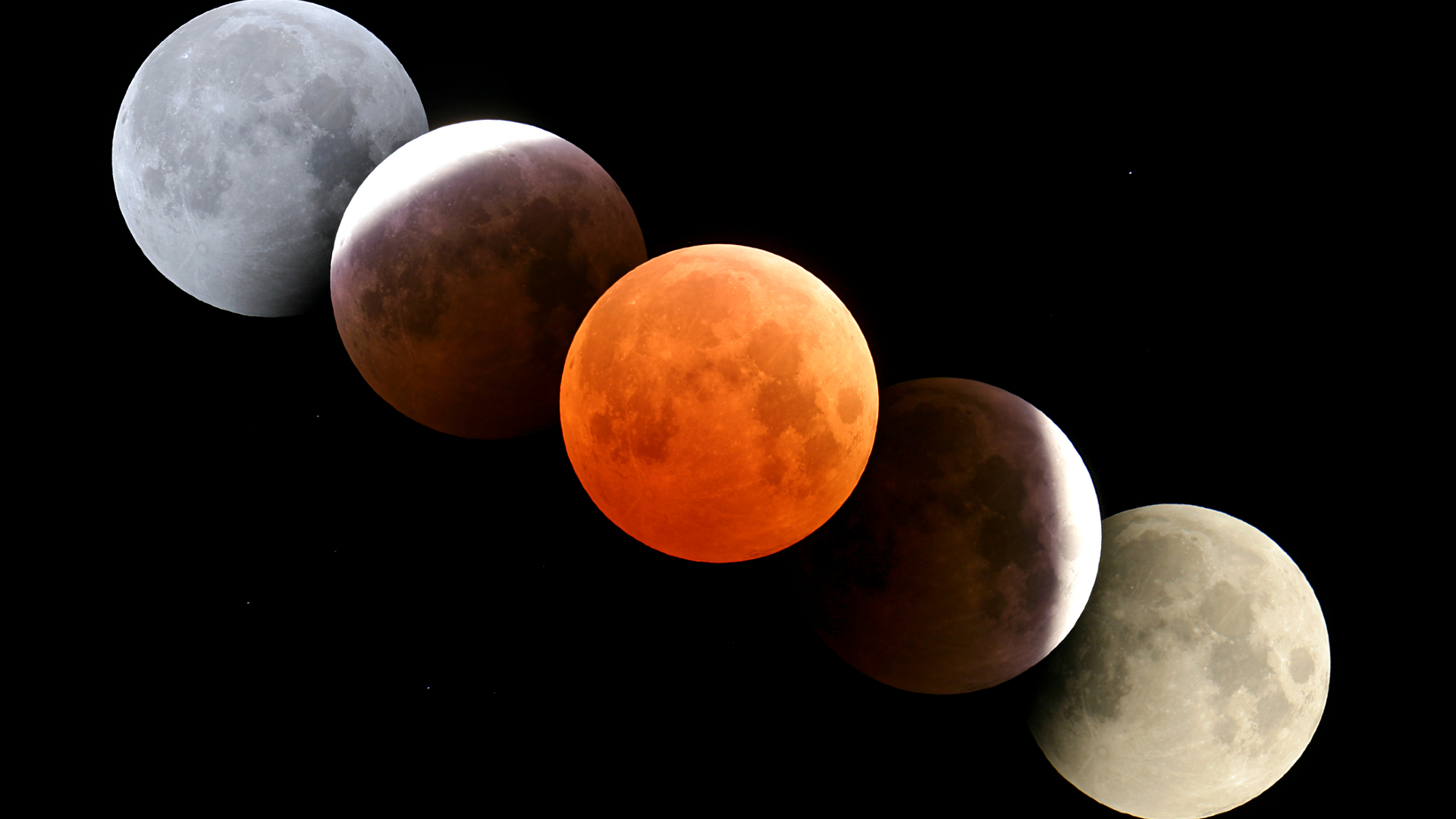
Forget everything you think you know about watching the night sky with complex gear. For this event, your own eyes are the best tool you have. Imagine stepping outside, looking up, and seeing our familiar Moon transformed into a glowing, crimson orb. It’s an experience that connects us to the cosmos, and I’m here to guide you through everything you need to know to witness this incredible event.
Is There a Blood Moon in March 2026? Yes, and It’s a Spectacle!
Let’s cut right to the chase: yes, there absolutely is a Blood Moon happening in March 2026. This will be a total lunar eclipse, one of the most anticipated astronomical events of the year. The term “Blood Moon” isn’t a scientific one, but it vividly describes the deep reddish-orange color the Moon takes on during the totality phase of an eclipse. It’s an optical illusion created by Earth’s atmosphere, and it’s nothing short of breathtaking.
This particular eclipse is set to occur in early March, offering a spectacular show for a significant portion of the world, including parts of North America. So, if you’re in the right place at the right time, prepare to be amazed as our lunar neighbor undergoes a stunning transformation.
When and Where to Witness the March 2026 Total Lunar Eclipse
Timing is everything when it comes to celestial events. You don’t want to miss a single moment of this incredible show. Let’s break down the exact schedule and where you’ll have the best seats for the March 2026 Blood Moon.
Key Dates and Times: Don’t Miss a Second!
The total lunar eclipse will unfold across the night of March 2nd into the early morning of March 3rd, 2026. The entire event, from the moment the Moon first enters Earth’s penumbral shadow to when it fully exits, will span several hours. However, the most dramatic part – the total eclipse, or “Blood Moon” phase – will last for a thrilling 58 minutes.
Here’s a detailed timeline to help you plan your viewing, presented in Coordinated Universal Time (UTC) and key US time zones:
| Event Phase | UTC (March 3, 2026) | Eastern Time (ET) | Central Time (CT) | Mountain Time (MT) | Pacific Time (PT) |
|---|---|---|---|---|---|
| Penumbral Eclipse Begins | 04:47 UTC | 11:47 PM (Mar 2) | 10:47 PM (Mar 2) | 09:47 PM (Mar 2) | 08:47 PM (Mar 2) |
| Partial Eclipse Begins | 05:49 UTC | 12:49 AM (Mar 3) | 11:49 PM (Mar 2) | 10:49 PM (Mar 2) | 09:49 PM (Mar 2) |
| Total Eclipse Begins | 06:51 UTC | 01:51 AM (Mar 3) | 12:51 AM (Mar 3) | 11:51 PM (Mar 2) | 10:51 PM (Mar 2) |
| Greatest Eclipse (Mid-Totality) | 07:20 UTC | 02:20 AM (Mar 3) | 01:20 AM (Mar 3) | 12:20 AM (Mar 3) | 11:20 PM (Mar 2) |
| Total Eclipse Ends | 07:49 UTC | 02:49 AM (Mar 3) | 01:49 AM (Mar 3) | 12:49 AM (Mar 3) | 11:49 PM (Mar 2) |
| Partial Eclipse Ends | 08:51 UTC | 03:51 AM (Mar 3) | 02:51 AM (Mar 3) | 01:51 AM (Mar 3) | 12:51 AM (Mar 3) |
| Penumbral Eclipse Ends | 09:53 UTC | 04:53 AM (Mar 3) | 03:53 AM (Mar 3) | 02:53 AM (Mar 3) | 01:53 AM (Mar 3) |
Pro Tip: While the total eclipse phase is the most visually striking, don’t ignore the partial phases! Watching the Earth’s shadow creep across the Moon’s face is a fascinating prelude to the main event.
Visibility Across the Globe (and Key USA Viewpoints)
The March 2026 Blood Moon will be visible from a wide swath of the planet. This includes Europe, Africa, Asia, Australia, and western North America. This broad visibility makes it a truly global event, but for our friends in the USA, let’s get specific.

For observers in the western and central parts of North America, the eclipse will be largely visible in the late evening of March 2nd. The further west you are, the earlier the event will start in your local time, making it a more convenient late-night viewing opportunity. For example, those on the Pacific coast will see the total eclipse begin just before midnight on March 2nd.
As you move eastward, the event shifts into the early morning hours of March 3rd. While the partial phases will be visible across much of the contiguous USA, the total phase will be best observed from the western and central states. For those on the East Coast, you’ll need to set an early alarm, as totality will occur in the pre-dawn hours of March 3rd, with the Moon getting lower in the sky as morning approaches. Unfortunately, some extreme eastern parts of the US might miss the latter stages of the eclipse as the Moon sets.
Here’s a snapshot of when the Greatest Eclipse (mid-totality) occurs in a few major cities, giving you a clearer picture:
| City | Local Time of Greatest Eclipse (Mar 2/3, 2026) | Visibility Notes |
|---|---|---|
| Los Angeles, CA | 11:20 PM PST (March 2) | Excellent visibility, high in the sky. |
| Denver, CO | 12:20 AM MST (March 3) | Good visibility. |
| Chicago, IL | 01:20 AM CST (March 3) | Visible, Moon getting lower. |
| New York, NY | 02:20 AM EST (March 3) | Visible, but Moon will be low in the west. |
| London, UK | 07:20 AM GMT (March 3) | Moon sets shortly after totality begins; partial visibility. |
Always double-check local moonrise and moonset times for your specific location closer to the date, as geographical features and local horizons can impact visibility.
Understanding the Astronomical Dance: How a Blood Moon Happens
To truly appreciate the Blood Moon, it helps to understand the incredible celestial mechanics at play. It’s not just the Moon turning red; it’s a testament to our planet’s atmosphere and the precise alignment of three cosmic bodies.
The Mechanics of a Total Lunar Eclipse
A total lunar eclipse occurs when the Sun, Earth, and Moon align in a precise or near-precise straight line. During this alignment, the Earth passes directly between the Sun and the Moon, casting its shadow onto the lunar surface. This is why a lunar eclipse can only happen during a Full Moon phase.
Earth casts two main types of shadows:
- The Umbra: This is the central, darkest part of Earth’s shadow. If the Moon passes entirely into the umbra, we witness a total lunar eclipse.
- The Penumbra: This is the fainter, outer part of Earth’s shadow. When the Moon passes through the penumbra, it experiences a subtle dimming, often barely noticeable to the naked eye.
For a total lunar eclipse like the March 2026 Blood Moon, the Moon must fully enter the Earth’s umbra. As it does, sunlight is completely blocked from reaching its surface directly. But here’s where the magic, and the red color, comes in.

Why Does the Moon Turn Red? (The Science Behind the “Blood”)
The Moon doesn’t generate its own light; it reflects sunlight. So, when it’s fully immersed in Earth’s shadow, why doesn’t it simply disappear? The answer lies in our own planet’s atmosphere. Think of it like this:
During a total lunar eclipse, the only sunlight reaching the Moon has been filtered and refracted (bent) through Earth’s atmosphere. Our atmosphere acts like a lens, scattering away shorter, bluer wavelengths of light while allowing longer, redder wavelengths to pass through. This phenomenon is called Rayleigh scattering – it’s the same reason our sky is blue during the day and sunsets and sunrises are often vibrant red and orange.
So, the reddish light that makes it through our atmosphere is then bent, or refracted, into the Earth’s umbra, illuminating the Moon in stunning crimson hues. The exact shade of red can vary greatly from one eclipse to another, ranging from bright orange to deep blood red, and even sometimes a brownish tone. Factors like the amount of dust, clouds, and volcanic ash in Earth’s atmosphere at the time of the eclipse can influence the color intensity. A “darker” eclipse might indicate more particles in our atmosphere, scattering more light away from the Moon.
It’s a beautiful demonstration of how interconnected our celestial neighborhood truly is, with our own atmosphere playing a crucial role in painting the Moon red for us to enjoy.
March’s Full Moon: The “Worm Moon” and its Unique Connection
Every full moon has its traditional names, and March’s full moon is famously known as the “Worm Moon.” What makes the March 2026 event extra special is that this Worm Moon will also be a Blood Moon – a delightful cosmic coincidence!
What is the “Worm Moon”? Origins of the Name
The name “Worm Moon” comes from several sources, primarily Native American tribes and early American colonists. It’s a name that signifies the arrival of spring and the thawing of the ground. As the earth warms up after winter’s chill, earthworms begin to emerge from the soil, signaling the return of birds and the start of spring planting. Other traditional names for the March full moon include:
- Crow Moon: Referring to the cawing of crows signaling the end of winter.
- Sap Moon: Marking the time when maple trees begin to yield sap for syrup.
- Crust Moon: Indicating the crust that forms over snow as it thaws by day and freezes by night.
Regardless of the name, the March full moon has always been a beacon of renewal and the changing of seasons.
When the Worm Moon Becomes a Blood Moon: A Double Feature
It’s not every year that the March full moon aligns perfectly to become a total lunar eclipse. In 2026, we have this wonderful convergence: the traditional Worm Moon transforming into a spectacular Blood Moon. This makes the event even more significant, blending ancient natural observation with profound astronomical phenomena.
So, as you gaze up at the crimson orb in March 2026, remember that you’re not just seeing an eclipse; you’re witnessing the Earth’s rebirth from winter’s slumber, reflected in the dramatic color shift of our loyal lunar companion. It’s a powerful reminder of the cyclical nature of both life on Earth and the movements of our solar system.
Preparing for Your Best Blood Moon Viewing Experience
Watching a total lunar eclipse is an easy and rewarding experience. Unlike solar eclipses, you don’t need any special filters or protective eyewear. The Moon is safe to view directly with your eyes. However, a little preparation can significantly enhance your enjoyment of the March 2026 Blood Moon.
Essential Tips for Stargazers (No Special Equipment Needed!)
Here’s how to get ready for a truly memorable night:
- Find a Dark Sky Location: While lunar eclipses are visible from urban areas, getting away from bright city lights will significantly improve the contrast and make the subtle colors of the Moon more vivid. A local park, open field, or even your backyard if it’s relatively dark, can work wonders.
- Check the Weather: A clear sky is crucial. Keep an eye on the forecast for March 2nd/3rd, 2026, in your area. Clouds are the only thing that can truly spoil the view.
- Binoculars (Optional, but Recommended): Your naked eyes will offer a fantastic view, but a good pair of binoculars (even standard 7×50 or 10×50 models) will bring out incredible detail on the Moon’s surface and enhance the depth of its red color. You’ll see craters and lunar seas like never before, even through the Earth’s shadow.
- Telescope (Also Optional): If you have a telescope, by all means, use it! It will provide an even more magnified and detailed view.
- Dress Warmly and Comfortably: Even in March, late-night or early-morning viewing can be chilly. Bundle up! Bring a comfortable chair or blanket, and perhaps a hot drink or some snacks to make your wait more enjoyable.
- Allow Your Eyes to Adjust: Give your eyes about 15-20 minutes in the dark to fully adapt. Avoid looking at bright phone screens or other light sources during this time.
- Patience: The eclipse progresses slowly. Enjoy the journey as the shadow moves across the Moon.
The beauty of a lunar eclipse is its accessibility. You simply need to look up!
Capturing the Crimson Glow: Basic Photography Tips
Want to immortalize the March 2026 Blood Moon? Photographing a lunar eclipse, especially the deep red totality, can be challenging but incredibly rewarding. Here are some basic tips for budding astrophotographers:
- Use a Tripod: This is non-negotiable for any night sky photography. It will keep your camera steady during longer exposures.
- Manual Mode is Your Friend: Set your camera to manual (M) mode.
- Lens Choice: A telephoto lens (200mm or more) will give you a larger image of the Moon. However, even a standard lens can capture the Moon in the context of the surrounding sky.
- Settings for Totality (Starting Points):
- ISO: Start around 800-1600. Adjust based on your camera’s noise performance.
- Aperture: Use a relatively wide aperture (e.g., f/5.6 or f/8).
- Shutter Speed: This is tricky. During totality, the Moon is dim. You might need exposures of several seconds (e.g., 2-10 seconds). Experiment! Too long and the Moon will trail due to Earth’s rotation.
- Focus Manually: Autofocus will struggle in the dark. Switch to manual focus and focus on the Moon or a distant star.
- Practice: If you can, practice shooting the full Moon before the eclipse night. This will help you get comfortable with your camera’s manual settings.
Don’t be discouraged if your first attempts aren’t perfect. The goal is to capture a moment and remember the experience. The best camera, after all, is the one you have with you.
Beyond March 2026: Other Celestial Events to Watch For
While the March 2026 Blood Moon is a highlight, the year 2026 is actually shaping up to be a fantastic year for skywatchers! If you catch the astronomy bug after this eclipse, there are plenty more wonders to anticipate.
Just a few other notable celestial events in 2026 include:
- Jupiter at Opposition (January 10, 2026): The gas giant will be at its closest and brightest, making for spectacular viewing through binoculars or a small telescope.
- Total Solar Eclipse (August 12, 2026): This will be a major event for parts of Europe and Greenland, offering a chance to witness the Sun’s corona. (Remember, solar eclipses require specialized eye protection!).
- Perseid Meteor Shower (August 12, 2026): Coinciding with the solar eclipse, the Perseids are one of the most reliable and spectacular meteor showers of the year.
- November Supermoon: Another full moon that appears slightly larger and brighter than average, simply because it’s closer to Earth in its elliptical orbit.
These events, along with the various meteor showers and planetary conjunctions throughout the year, make 2026 a prime year to develop or indulge your love for stargazing. The March 2026 Blood Moon is just the beginning of a year full of cosmic wonders.
Conclusion: Mark Your Calendars for a Night to Remember!
The Blood Moon in March 2026 promises to be a truly magnificent sight. From the moment the Earth’s shadow begins its slow creep across the lunar face to the dramatic crimson glow of totality, it’s an event that invites us to pause, look up, and marvel at the intricate dance of our solar system.
Whether you’re a seasoned astronomer or simply someone who appreciates a stunning natural phenomenon, this total lunar eclipse offers an accessible and profoundly beautiful experience. So, mark your calendars for March 2nd and 3rd, 2026. Find a comfy spot, look to the night sky, and prepare to be enchanted by the ethereal beauty of our very own Blood Moon – a testament to the wonders that unfold above us every single night. Happy stargazing!
Frequently Asked Questions
When exactly is the Blood Moon in March 2026?
The Blood Moon (total lunar eclipse) will occur from the evening of March 2nd into the early morning of March 3rd, 2026. The most dramatic phase, totality, will last for 58 minutes, centered around 07:20 UTC (02:20 AM EST, 11:20 PM PST on March 2nd).

Where will the March 2026 Blood Moon be visible?
The eclipse will be visible from Europe, Africa, Asia, Australia, and western North America. In the USA, the total phase will be best seen from western and central states, while eastern states will witness it low in the sky during pre-dawn hours of March 3rd.
What is a Blood Moon and why does it turn red?
A Blood Moon is a total lunar eclipse where the Moon passes entirely into Earth’s shadow (umbra). It turns red because sunlight is filtered and refracted through Earth’s atmosphere, scattering blue light and allowing red light to reach the Moon, much like during a sunset.
Do I need special equipment or glasses to view the Blood Moon?
No, you do not need any special equipment or eye protection to view a lunar eclipse. It is perfectly safe to look at the Blood Moon directly with your naked eyes. Binoculars or a small telescope can enhance the view, but they are not required.
What is the ‘Worm Moon’ and how does it relate to the Blood Moon?
The ‘Worm Moon’ is the traditional name for the full moon in March, signifying the thawing ground and emergence of earthworms as spring begins. In March 2026, this particular Worm Moon coincidentally aligns to also be a total lunar eclipse, becoming a ‘Worm Blood Moon’.
What are the best tips for viewing the Blood Moon?
Find a dark location away from city lights, check local weather for clear skies, dress warmly, and allow your eyes to adjust to the dark. While optional, binoculars can greatly enhance the experience by revealing more lunar detail and color.
Are there other significant celestial events in 2026?
Yes, 2026 is a great year for skywatching! Other notable events include Jupiter at Opposition (January 10), a Total Solar Eclipse (August 12, visible mainly in Europe), and the Perseid Meteor Shower (August 12).
