The March 2026 Total Lunar Eclipse: Your Definitive Guide to the “Blood Moon” and Its Global Visibility
Get ready, skygazers! The cosmos is preparing a breathtaking show for early March 2026 – a spectacular Total Lunar Eclipse, often dramatically referred to as a “Blood Moon.” If you’re looking for the “path of totality” for this event, let’s clarify something right away: unlike a solar eclipse, a lunar eclipse doesn’t have a narrow path. Instead, if the Moon is above your horizon and the skies are clear, you’re in the cosmic audience for the entire show!

This celestial alignment will offer a stunning opportunity to witness Earth’s shadow paint the Moon in hues of deep orange and red. Whether you’re in North America, across the Pacific, or in parts of Asia and Australia, understanding when and how to observe this event will make all the difference. We’re breaking down everything you need to know, from precise timings to what scientific marvels you’ll witness, ensuring you don’t miss a moment of this extraordinary cosmic ballet.
Understanding Lunar Eclipse Visibility: Why There’s No “Path of Totality” Like a Solar Eclipse
Before we dive into the specifics of the March 2026 eclipse, let’s clear up a common misconception, especially given the search for a “path of totality.”
The Key Difference: Lunar vs. Solar Eclipses
When most people hear “path of totality,” their minds immediately jump to solar eclipses. And rightly so! During a total solar eclipse, the Moon casts a relatively small, dark shadow (the umbra) on Earth. Only those standing within this narrow, temporary “path of totality” will experience the Sun being completely obscured.
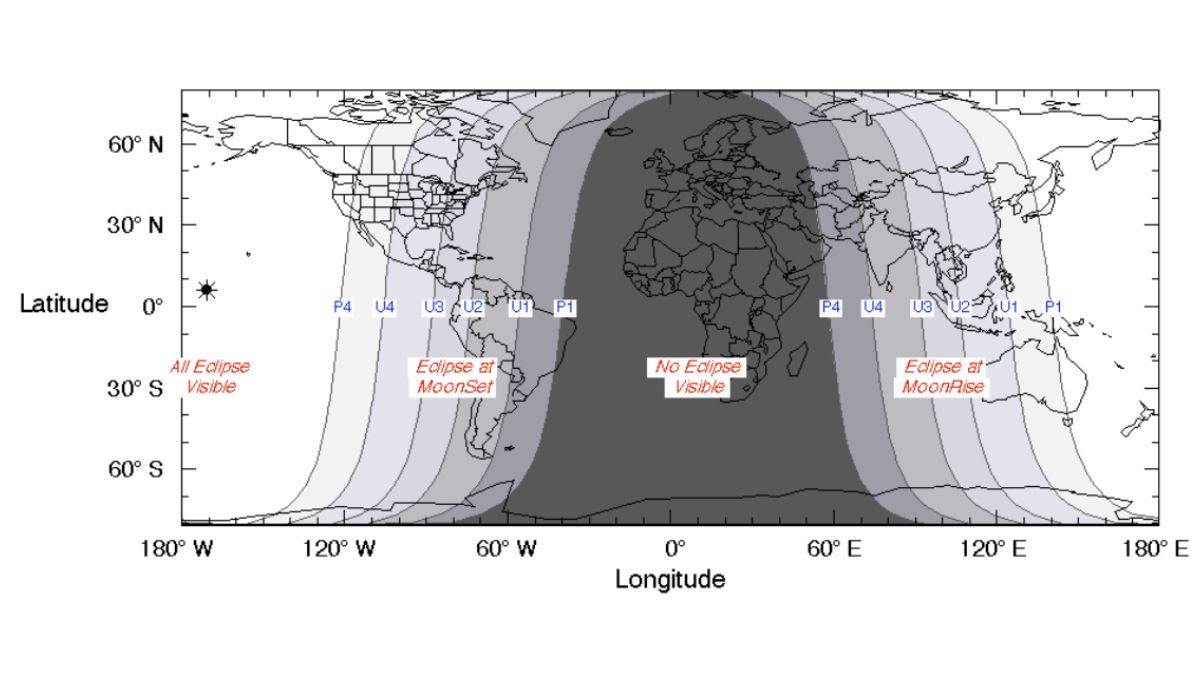
However, lunar eclipses are entirely different. They occur when the Earth passes directly between the Sun and the Moon, casting a much larger shadow onto the Moon. Because the Earth’s shadow is so expansive relative to the Moon, a total lunar eclipse is visible from any location on Earth where the Moon is above the horizon during the event. There isn’t a tight “path”; rather, there’s a vast “zone of visibility” encompassing roughly half the planet. So, if you’re on the night side of Earth and the Moon is in your sky, you’ve got a front-row seat!
Where the March 2026 Eclipse WILL Be Visible
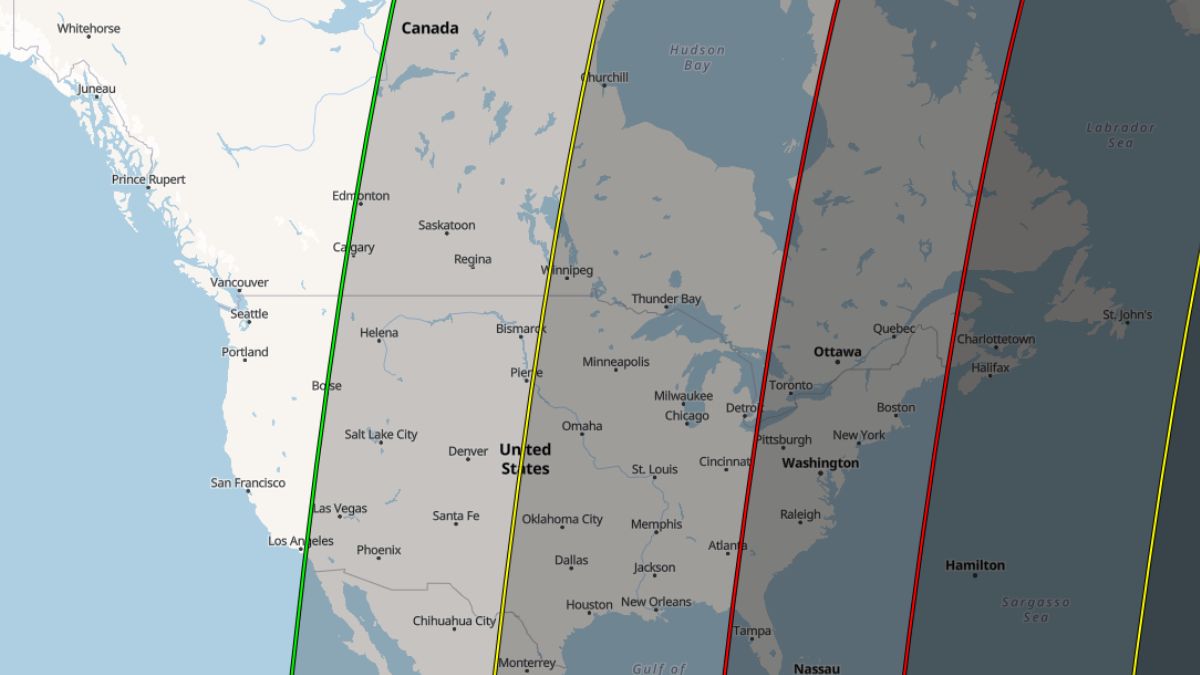
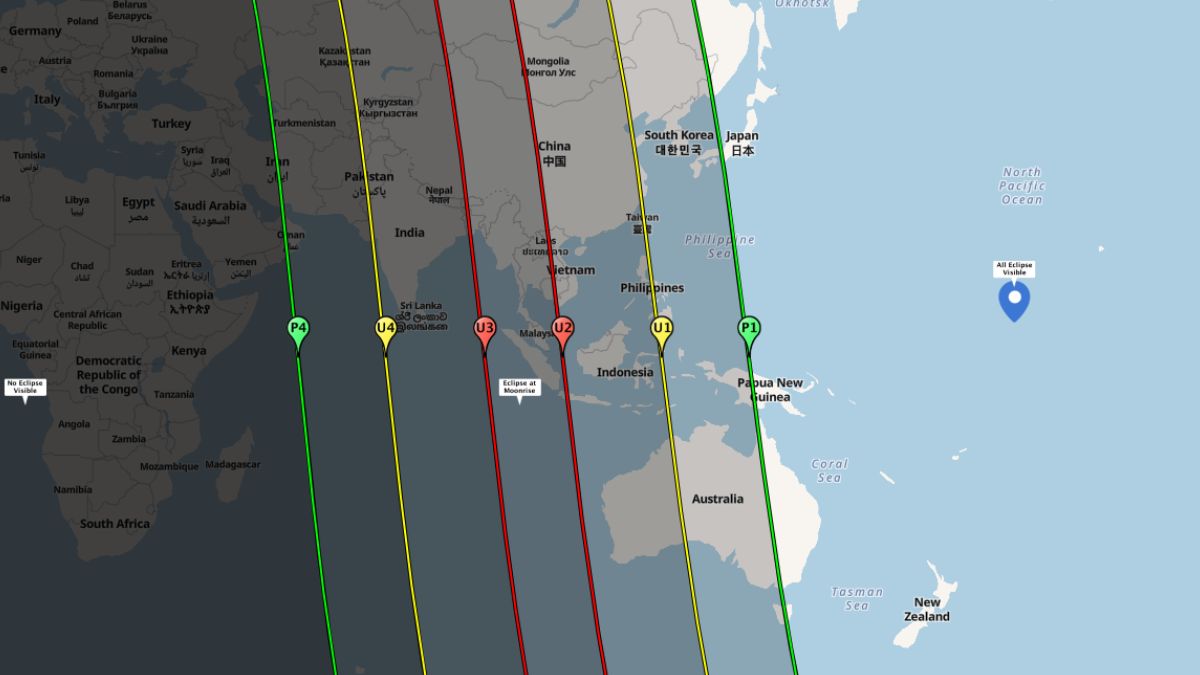
The March 2026 Total Lunar Eclipse will be majestically visible across a significant portion of the globe. Prime viewing regions include:
- Western North America (USA & Canada): Excellent views of the entire total phase.
- Hawaii and Alaska: Superb, long-duration views.
- Most of South America: Good visibility, especially for the later stages.
- Australia & New Zealand: Will witness the total eclipse, particularly in the west.
- East Asia (e.g., Japan, Eastern China): Will see the eclipse in progress.
- The Pacific Ocean: The ultimate central viewing location.
For observers in parts of Europe and Africa, they might catch the penumbral or early partial phases before the Moon sets or after it rises, but the total phase will be largely out of reach for many due to daylight.
When and Where to See the March 2026 “Blood Moon” Eclipse
Timing is everything when it comes to celestial events. The March 2026 total lunar eclipse occurs on March 3, 2026 (UTC), with phases beginning late on March 2nd for some western regions. Let’s break down the key timings to help you plan your viewing party.
Global Timetable: Universal Coordinated Time (UTC) Breakdown
All eclipse timings are given in Universal Coordinated Time (UTC). To find your local time, you’ll need to adjust based on your time zone. For example, if you are in New York (EST = UTC-5), subtract 5 hours from the UTC times. If you are in Los Angeles (PST = UTC-8), subtract 8 hours.
| Eclipse Stage | Date (UTC) | Time (UTC) | Description |
|---|---|---|---|
| Penumbral Eclipse Begins | March 3, 2026 | 08:44:17 | The Moon enters Earth’s faint outer shadow. Difficult to observe. |
| Partial Eclipse Begins | March 3, 2026 | 09:57:38 | The Moon begins to enter Earth’s dark inner shadow (umbra). |
| Total Eclipse Begins | March 3, 2026 | 11:06:05 | The Moon is fully within the umbra, turning red/orange. |
| Greatest Eclipse | March 3, 2026 | 11:34:52 | Midpoint of totality, likely the deepest red. |
| Total Eclipse Ends | March 3, 2026 | 12:03:39 | The Moon begins to exit the umbra. |
| Partial Eclipse Ends | March 3, 2026 | 13:12:06 | The Moon completely exits the umbra. |
| Penumbral Eclipse Ends | March 3, 2026 | 14:25:27 | The Moon completely exits Earth’s faint shadow. |
The total phase itself, where the Moon is fully immersed in Earth’s darkest shadow, will last approximately 57 minutes and 34 seconds – nearly an hour of spectacular “Blood Moon” viewing!
North America: Prime Viewing for Many in the USA
For millions across the United States, this will be an incredibly accessible and visually stunning event. The eclipse occurs during ideal late-night/early-morning hours for most of the contiguous US, Alaska, and Hawaii.
- Pacific Time Zone (PST, UTC-8): The total eclipse will begin around 3:06 AM PST on March 3rd, with greatest eclipse at 3:34 AM PST. This is a fantastic window for West Coast observers.
- Mountain Time Zone (MST, UTC-7): Totality starts around 4:06 AM MST, peaking at 4:34 AM MST.
- Central Time Zone (CST, UTC-6): Totality begins around 5:06 AM CST, reaching its peak at 5:34 AM CST.
- Eastern Time Zone (EST, UTC-5): Observers on the East Coast will see totality begin around 6:06 AM EST. While the Moon might be getting low in the sky or approaching setting for some, it’s still a significant event to catch.
- Alaska (AKT, UTC-9) & Hawaii (HST, UTC-10): These regions will experience the eclipse even earlier in their local night, offering some of the best and longest viewing opportunities.
Here’s a breakdown of key timings for major US cities. Remember to verify moonrise and moonset times for your specific location closer to the date, as these can impact your viewing window, especially for early risers on the East Coast.
| City | Time Zone | Partial Eclipse Begins | Total Eclipse Begins | Greatest Eclipse | Total Eclipse Ends | Partial Eclipse Ends |
|---|---|---|---|---|---|---|
| Los Angeles, CA | PST (UTC-8) | 01:57 AM | 03:06 AM | 03:34 AM | 04:03 AM | 05:12 AM |
| Denver, CO | MST (UTC-7) | 02:57 AM | 04:06 AM | 04:34 AM | 05:03 AM | 06:12 AM |
| Dallas, TX | CST (UTC-6) | 03:57 AM | 05:06 AM | 05:34 AM | 06:03 AM | 07:12 AM |
| Chicago, IL | CST (UTC-6) | 03:57 AM | 05:06 AM | 05:34 AM | 06:03 AM | 07:12 AM |
| New York, NY | EST (UTC-5) | 04:57 AM | 06:06 AM | 06:34 AM | 07:03 AM | 08:12 AM |
| Honolulu, HI | HST (UTC-10) | 11:57 PM (Mar 2) | 01:06 AM (Mar 3) | 01:34 AM (Mar 3) | 02:03 AM (Mar 3) | 03:12 AM (Mar 3) |
| Anchorage, AK | AKT (UTC-9) | 12:57 AM | 02:06 AM | 02:34 AM | 03:03 AM | 04:12 AM |
Asia, Australia, and the Pacific: Your Viewing Opportunity
For those in the Asia-Pacific region, the eclipse will occur during their local morning or early afternoon of March 3rd. While some may experience it closer to sunrise, many will have excellent views:
- Australia (e.g., Sydney, AEDT UTC+11): Partial eclipse begins 8:57 PM on March 3rd, with totality starting at 10:06 PM. This offers an excellent evening viewing opportunity. Western Australia will see it earlier in their local time zone.
- New Zealand (NZDT UTC+13): Partial eclipse begins 10:57 PM on March 3rd, with totality starting at 12:06 AM (March 4th). A late-night into early morning show.
- Japan (JST UTC+9): Partial eclipse begins 6:57 PM on March 3rd, totality starting at 8:06 PM. A prime evening event.
- Eastern China: Similar to Japan, an evening event.
Europe and Africa: Catching the Penumbral or Partial Phases
Unfortunately, for most of Europe and Africa, the total phase of the eclipse will not be visible. The Moon will either be below the horizon during totality or the sun will have risen. Some western parts of Europe (e.g., the UK, Spain, Portugal) might catch the very end of the penumbral or partial phases just before moonset or as the Moon begins to rise, but it won’t be the full “Blood Moon” spectacle.

What to Expect: The Science and Spectacle of a “Blood Moon”
The term “Blood Moon” isn’t just a catchy phrase; it describes the stunning, often eerie, red or coppery hue the Moon takes on during a total lunar eclipse. This is arguably the most captivating part of the entire event.
Why the Moon Turns Red: Scattering Light and Earth’s Atmosphere
So, why does the Moon turn red? It’s all thanks to Earth’s atmosphere! Imagine our planet as a giant lens. As sunlight travels through Earth’s atmosphere, shorter-wavelength blue light is scattered away (which is why our sky looks blue during the day). Longer-wavelength red and orange light, however, is less scattered and can bend, or refract, around the edges of our planet. This refracted red light is then cast onto the Moon’s surface, illuminating it with those dramatic, fiery tones.
The exact shade of red can vary significantly from one eclipse to another. Factors like the amount of dust, clouds, or volcanic ash in Earth’s atmosphere at the time can influence how much blue light is filtered out, making some lunar eclipses a vivid, deep crimson and others a paler, more orange hue. It’s a truly unique atmospheric fingerprint of our own planet, projected onto our celestial neighbor.
Stages of a Total Lunar Eclipse Explained
A total lunar eclipse isn’t an instant event; it’s a gradual, mesmerizing progression through several stages:
- Penumbral Eclipse: The Moon first enters Earth’s faint outer shadow (the penumbra). This stage is often barely noticeable, as the dimming is subtle. You might only perceive a slight, dusky shading on one side of the Moon.
- Partial Eclipse: As the Moon moves deeper, it begins to enter the Earth’s dark inner shadow (the umbra). You’ll see a noticeable “bite” taken out of the Moon’s disc, growing larger as more of the Moon enters the umbra. The shadow will appear distinctly dark at this point.
- Totality: This is the main event! The entire Moon is immersed within Earth’s umbra. Instead of disappearing from view, it takes on its characteristic “Blood Moon” appearance, glowing in shades of orange, red, or coppery brown. This is the stage most people look forward to.
- Greatest Eclipse: The moment when the Moon is closest to the center of the Earth’s umbra. This often corresponds to the deepest, most vibrant red color.
- Exiting Totality & Partial Phase: The Moon begins to move out of the umbra, reversing the process. A bright crescent will reappear on the opposite side, growing larger.
- Exiting Penumbral Phase: The Moon fully leaves the umbra and then gradually moves out of the penumbra, slowly returning to its full, bright appearance.
Duration of Totality: A Nearly Hour-Long Cosmic Show
The March 2026 total lunar eclipse boasts a respectable totality duration of approximately 57 minutes and 34 seconds. This is a great length, giving observers ample time to soak in the view, take photos, and simply marvel at the spectacle. Unlike solar eclipses where totality can be fleeting, a lunar eclipse offers a more relaxed viewing experience.
Preparing for Your Lunar Eclipse Experience
One of the best things about lunar eclipses is their accessibility. You don’t need fancy equipment, and they are completely safe to view directly. However, a little preparation can enhance your experience considerably!
No Special Equipment Needed: Just Your Eyes!
Yes, it’s true! You can safely observe every stage of a lunar eclipse with your unaided eyes. There’s absolutely no danger, unlike solar eclipses which require specialized eye protection. So, just step outside, look up, and enjoy the show!
Enhance Your View: Binoculars or a Small Telescope
While bare eyes are fine, binoculars or a small telescope can truly elevate your experience. They’ll bring out incredible detail on the Moon’s surface, allowing you to see craters and mountains bathed in the soft, reddish glow. Even a modest pair of 7×50 or 10×50 binoculars will make a significant difference, revealing the delicate gradations of Earth’s shadow as it creeps across the lunar landscape.
Weather Watch: Keep an Eye on the Forecast
Clear skies are, of course, essential for any astronomical viewing. Start checking your local weather forecast a few days before March 3, 2026. If clouds are predicted, don’t despair! Sometimes, even partial clearing can offer glimpses of the Moon, especially during the brighter partial phases. A blanket or warm clothing might also be a good idea, depending on the early March temperatures in your region.
Finding a Dark Sky Location (Optional, but enhances the view)
While you can see a lunar eclipse from anywhere, getting away from city lights will always improve the experience. A darker sky background will make the red hues of the Moon appear more vibrant and allow you to appreciate the subtle shading during the penumbral stages. If you can travel to a local park or a spot with less light pollution, it’s worth the effort.
Photography Tips for Capturing the Blood Moon
Want to capture this stunning event? Here are a few quick tips:
- Tripod is a Must: For sharp images, especially during totality when the Moon is dimmer, a sturdy tripod is non-negotiable.
- Manual Settings: Use your camera’s manual mode. Start with a wider aperture (lower f-number), a moderate ISO (e.g., 400-800), and experiment with shutter speeds (from 1 second up to 10-15 seconds during totality).
- Telephoto Lens: While a wide-angle can capture the Moon in context with the landscape, a telephoto lens will bring the Moon closer and reveal more detail.
- Bracket Your Shots: Take multiple exposures at different settings to ensure you capture the full range of brightness.
Future Celestial Spectacles: What’s Next After March 2026?
The March 2026 Total Lunar Eclipse is just one highlight in an exciting year for skywatchers. Later in 2026, we’ll also be treated to a Total Solar Eclipse on August 12, 2026, which will primarily be visible from Greenland, Iceland, Spain, and parts of Portugal and Russia. Following this, a Partial Lunar Eclipse on August 27-28, 2026 will be observable from the Americas, Europe, Africa, and Western Asia. These events remind us of the constant, incredible dance of our solar system, always offering new wonders to behold.
Don’t Miss This Stunning Celestial Event!
The March 2026 Total Lunar Eclipse is more than just an astronomical occurrence; it’s a shared global experience, a chance to connect with the universe from your own backyard. With nearly an hour of glorious totality and widespread visibility across the Americas, Pacific, Asia, and Australia, it promises to be a memorable night (or morning, depending on your location).
Mark your calendars, set your alarms, and prepare to witness Earth’s magnificent shadow transform our familiar Moon into a glowing “Blood Moon.” It’s a reminder of the awe-inspiring beauty that unfolds above us, free for all to see. Happy stargazing!
Frequently Asked Questions
What is the ‘path of totality’ for the March 2026 Lunar Eclipse?
Unlike a solar eclipse, a total lunar eclipse does not have a narrow ‘path of totality.’ It is visible to anyone on the night side of Earth where the Moon is above the horizon during the eclipse. The March 2026 eclipse will be widely visible across North America, Hawaii, Alaska, South America, Australia, East Asia, and the Pacific.
When is the March 2026 Total Lunar Eclipse?
The total phase of the lunar eclipse begins on March 3, 2026, at 11:06:05 UTC and ends at 12:03:39 UTC. Observers in Western North America, the Pacific, and parts of Asia and Australia will see the event during their local night hours of March 2nd/3rd or March 3rd/4th, depending on their time zone.
Why is it called a ‘Blood Moon’?
During a total lunar eclipse, the Moon often appears reddish or coppery. This happens because sunlight is filtered and refracted by Earth’s atmosphere. Blue light is scattered away, while red and orange light bends around Earth’s edges, illuminating the Moon in our planet’s indirect glow.
Do I need special equipment to view the eclipse, and is it safe to look at?
No, you do not need any special equipment, and it is completely safe to view a lunar eclipse with your naked eyes. Unlike solar eclipses, there is no risk of eye damage. Binoculars or a small telescope can enhance the view, revealing more surface detail and color.
How long will the total phase of the eclipse last?
The total phase of the March 2026 Lunar Eclipse, where the Moon is fully immersed in Earth’s darkest shadow, will last approximately 57 minutes and 34 seconds.
Which regions in the USA will have the best view?
Western North America, including the Pacific and Mountain time zones, as well as Alaska and Hawaii, will have prime viewing conditions, catching the total eclipse during ideal late-night/early-morning hours. Observers in Central and Eastern time zones will also see totality, though it may occur closer to sunrise for some on the East Coast.
