Your Ultimate Guide to Holi 2026: Dates, Significance, and Celebration in the US
Are you already looking ahead to the vibrant festivities of Holi in 2026? Whether you’re a seasoned participant, curious about its cultural richness, or a Hindu living in the United States planning your celebrations, you’ve come to the right place. Holi, the Festival of Colors, is one of the most joyous and widely celebrated Hindu festivals, heralding the arrival of spring and the triumph of good over evil.
For those of us navigating life in the US, understanding the specific dates, their cultural significance, and how to participate can sometimes be tricky. Forget generic calendar listings that don’t offer context or US-specific insights. This guide is your definitive resource, designed to provide clarity, cultural depth, and practical tips for celebrating Holi 2026, right here in America.
When is Holi 2026? The Key Dates You Need to Know
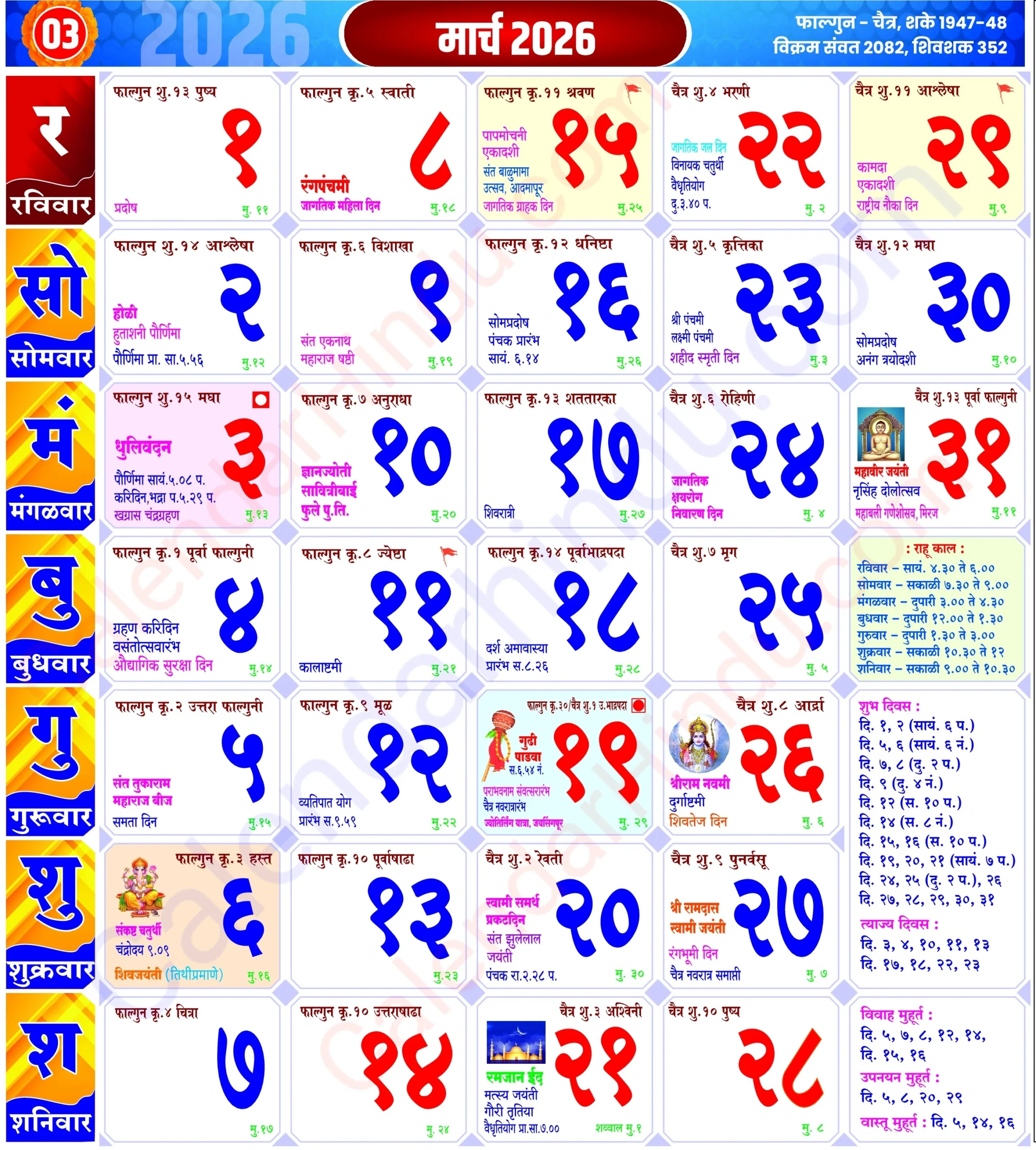
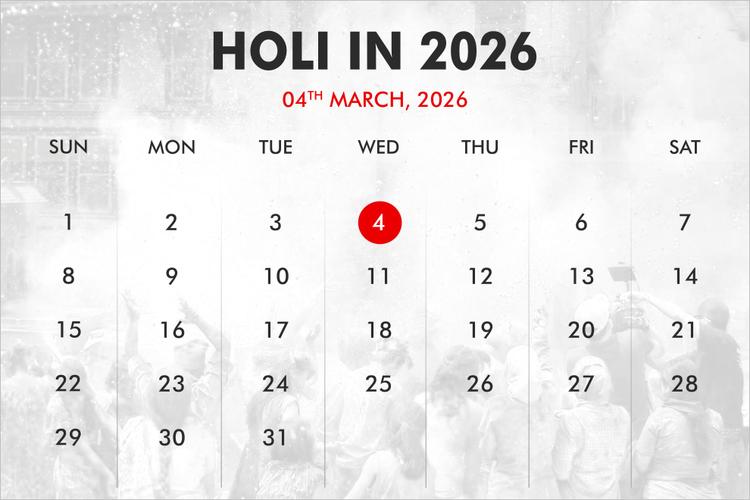
Let’s cut right to the chase – you want the dates. Holi is a two-day festival, with the preceding evening dedicated to the auspicious ritual of Holika Dahan. The dates for Holi in 2026 are:
- Holika Dahan 2026: Tuesday, March 3rd
- Rangwali Holi (Dhulandi) 2026: Wednesday, March 4th
These dates are determined by the Hindu lunar calendar, specifically coinciding with the full moon (Purnima Tithi) in the Hindu month of Phalguna. Holika Dahan takes place on the evening of the full moon, and Rangwali Holi, the day of playing with colors, follows on the first day of the Chaitra month.
Decoding the Hindu Calendar: Why Holi is Celebrated in March 2026
The Hindu calendar, or Panchang, is a lunisolar calendar that meticulously tracks lunar phases and solar movements to determine festival dates. Unlike the Gregorian calendar, Hindu festivals don’t fall on the same date each year, which is why understanding the underlying system is so valuable.
The Lunar Calendar and Phalguna Purnima
Holi’s timing is deeply rooted in the lunar cycle. It always falls on the Purnima Tithi – the day of the full moon – of the Hindu month of Phalguna. The word ‘Tithi’ refers to a lunar day, and ‘Purnima’ signifies the full moon. Therefore, when the Phalguna Purnima Tithi occurs, the celebrations for Holi begin.
For 2026, the Phalguna Purnima Tithi begins on the evening of March 2nd and extends into March 3rd. This timing dictates when Holika Dahan, the symbolic bonfire, is observed.
Holika Dahan: The Evening Bonfire Ritual
Holika Dahan, sometimes called Chhoti Holi, is observed on the evening before Rangwali Holi. This ritual involves lighting bonfires to symbolize the burning of the demoness Holika, representing the victory of good over evil. It’s a powerful reminder of divine protection and faith.
Families and communities gather around these fires, offering grains, coconuts, and other offerings to purify the atmosphere and seek blessings. In the US, many Hindu temples and community centers organize Holika Dahan events, bringing this ancient tradition to a modern landscape.
Rangwali Holi (Dhulandi): The Festival of Colors
The day following Holika Dahan is Rangwali Holi, or Dhulandi, the much-anticipated Festival of Colors. This is when the joyous throwing of vibrant powders (gulal) and colored water takes place. It’s a day when social barriers dissolve, and everyone, young and old, rich or poor, plays together in a riot of color.

This day signifies new beginnings, forgetting past grievances, and celebrating friendship, love, and community. The colors themselves are symbolic – red for love and fertility, yellow for happiness and healing, blue for divinity, and green for new beginnings. It’s a sensory explosion of happiness!
The Vibrant Story of Holi: Legends and Lore
Holi is much more than just throwing colors; it’s steeped in rich mythology and spiritual significance. Understanding these stories enhances the appreciation of the festival’s deeper meaning.
The Tale of Holika and Prahlad: Good Triumphs Evil
The most prominent legend associated with Holi is that of Holika and Prahlad. King Hiranyakashipu, granted a boon making him virtually immortal, became arrogant and demanded to be worshipped as a god. His son, Prahlad, however, was a staunch devotee of Lord Vishnu.
Enraged by Prahlad’s devotion, Hiranyakashipu tried numerous ways to kill him. Finally, he enlisted his sister, Holika, who had a special cloak that made her immune to fire. Holika sat with Prahlad in a bonfire, intending to burn him. However, due to divine intervention and Prahlad’s unwavering faith, the cloak flew off Holika and covered Prahlad, saving him while Holika perished in the flames. This story powerfully signifies the triumph of devotion and righteousness over arrogance and evil, and is the reason we celebrate Holika Dahan.
Radha and Krishna: Celebrating Divine Love
Another beloved legend connects Holi to the divine love story of Radha and Krishna. Young Lord Krishna, feeling insecure about his dark skin compared to Radha’s fair complexion, playfully complained to his mother Yashoda. She advised him to playfully smear Radha’s face with color, so they would look similar.
This playful act became a tradition in the Braj region of India (where Krishna spent his youth) and evolved into the joyous tradition of applying colors to one another. This legend emphasizes the playful, inclusive, and loving aspects of Holi, where differences are dissolved in a cascade of color.
Other Stories and Regional Variations
Beyond these two prominent tales, Holi also has other mythical connections:
- Shiva and Kama Deva: Some traditions link Holi to the legend of Lord Shiva opening his third eye to burn Kama Deva (the god of love) to ashes, and later restoring him to life. This signifies the power of spiritual discipline over worldly desires.
- Dhundhi: In some parts, Holi is associated with the ogress Dhundhi, who terrorized children. She was eventually driven away by the boisterous shouts and pranks of children during the full moon.
These diverse stories highlight Holi’s multi-layered significance – from divine victories to celebrations of love and community, making it a truly rich festival.
March 2026: A Full Month of Hindu Festivals and Auspicious Days
While Holi is certainly a highlight, March 2026 also brings several other significant Hindu observances. For those following the Hindu calendar in the US, keeping track of these dates is essential for spiritual practice and cultural connection.
| Date | Day | Festival / Observance | Significance (Brief) |
|---|---|---|---|
| March 1 | Sunday | Phalguna Chaumasi Chaudas (Jain) | Auspicious day for Jains for fasting and devotion. |
| March 3 | Tuesday | Holika Dahan | Bonfire ritual signifying victory of good over evil. |
| March 4 | Wednesday | Holi (Rangwali Holi, Dhulandi) | Festival of Colors, celebrating spring, love, and equality. |
| March 4 | Wednesday | Gangaur Vrat Start | Nine-day festival dedicated to Goddess Gauri (Parvati). |
| March 6 | Friday | Sankashti Chaturthi | Day of fasting and prayers to Lord Ganesha for removing obstacles. |
| March 10 | Tuesday | Rang Panchami | Some regions celebrate colors on this day, five days after Holi. |
| March 14 | Saturday | Sheetala Saptami | Worship of Goddess Sheetala for protection against diseases. |
| March 15 | Sunday | Kalashtami | Day dedicated to Lord Bhairav, an incarnation of Shiva. |
| March 17 | Tuesday | Papmochani Ekadashi | Fasting day dedicated to Lord Vishnu, believed to absolve sins. |
| March 19 | Thursday | Ugadi / Gudi Padwa / Telugu New Year | New Year for parts of South India and Maharashtra. |
| March 19 | Thursday | Chaitra Navratri Begins | Nine nights dedicated to Goddess Durga, beginning of spring Navratri. |
| March 26 | Thursday | Rama Navami | Celebrates the birth of Lord Rama, ninth day of Chaitra Navratri. |
| March 30 | Monday | Kamada Ekadashi | Fasting day for Lord Vishnu, believed to fulfill desires. |
Note: Dates can vary slightly based on regional calendars and specific Panchang calculations. Always confirm with local Hindu temples for precise timings in your area.
Celebrating Holi 2026 in the United States: A Global Perspective
While Holi has its roots in India, its spirit of joy, unity, and renewal resonates worldwide. For Hindus and cultural enthusiasts in the United States, Holi offers a beautiful opportunity to connect with heritage and share a vibrant tradition.
Finding Community: Temples and Cultural Organizations
The US is home to a thriving Indian diaspora and numerous Hindu temples and cultural organizations. These establishments are often the heart of Holi celebrations, especially Holika Dahan. Many temples host special prayers, cultural programs, and community gatherings where people can participate in the bonfire ritual and play with colors in a safe, organized environment.
Tips for finding events near you:
- Check the websites or social media pages of your local Hindu temples or Indian cultural associations.
- Look for community event listings in local newspapers or online cultural calendars.
- Ask friends or neighbors who celebrate for recommendations.
These community events are a fantastic way to experience the full fervor of Holi, complete with traditional music, dance, and delicious festival foods.
Hosting Your Own Holi Gathering
If there isn’t a large community event nearby, or if you prefer a more intimate setting, hosting your own Holi gathering at home or in a designated outdoor space (like a park, if permitted) can be incredibly rewarding. It’s a wonderful way to introduce friends from diverse backgrounds to this beautiful festival.
Consider these tips for a memorable home celebration:
- Colors: Purchase eco-friendly, non-toxic, and washable powdered colors (gulal) and water colors. These are readily available online or at Indian grocery stores.
- Food: Prepare traditional Holi snacks like Gujiya, Dahi Bhalla, or simply offer a spread of Indian sweets and savory bites.
- Music: Create a festive playlist with popular Bollywood Holi songs or traditional folk music.
- Dress Code: Advise guests to wear old clothes they don’t mind getting stained. White clothes are a popular choice to showcase the vibrant colors.
- Safety First: Set clear boundaries for playing with colors. Ensure everyone is comfortable participating. Have towels and water ready for cleanup.
Embracing the Spirit of Unity and Joy
Regardless of how you celebrate, remember the true essence of Holi: unity, joy, forgiveness, and the triumph of good. It’s a day to break down barriers, extend warmth, and revel in the happiness of human connection. In a diverse country like the US, Holi serves as a beautiful reminder of our shared humanity and the richness that cultural exchange brings.
Essential Preparation Tips for a Joyful Holi
To ensure your Holi 2026 celebration is nothing short of fantastic, a little preparation goes a long way. These practical tips will help you enjoy the festivities safely and comfortably.

Before the Colors Fly
- Old Clothes Are Your Best Friend: Seriously, wear clothes you’re ready to part with or that you don’t mind getting permanently stained. White often looks spectacular for photos, but be prepared for the colorful aftermath!
- Protect Your Skin and Hair: Before stepping out, liberally apply oil (coconut, mustard, or any hair oil) to your hair and exposed skin. This creates a barrier that makes cleaning off colors much easier.
- Safeguard Your Eyes: Goggles or sunglasses are highly recommended, especially for children. Colored powders and water can irritate eyes.
- Secure Valuables: Keep your phone, wallet, and other essentials in waterproof bags or leave them at home. The colors *will* get everywhere.
- Hydrate: You’ll be active and possibly in the sun. Drink plenty of water before and during the festivities.
During the Festivities
- Respect and Consent: Always ask for permission before applying colors to someone, especially to their face. Holi is about joy, not discomfort.
- Use Natural, Organic Colors: Whenever possible, opt for colors made from natural ingredients. They are gentler on the skin and the environment.
- Watch Your Step: Areas where colors are being played can become slippery. Be mindful of your footing.
- Embrace the Mess: Part of the fun is getting covered in colors! Let go of inhibitions and enjoy the vibrant chaos.
After the Celebration
- Rinse Off Dry Colors First: Before showering, try to brush off as much dry color as possible. This prevents it from spreading and staining when wet.
- Use Cold Water for Showering: Cold water helps prevent colors from setting deeper into your skin and hair. Use a mild soap and shampoo.
- Moisturize: After showering, apply a good moisturizer to rehydrate your skin, which might be dry from the colors and scrubbing.
- Wash Clothes Separately: Wash your colored clothes separately from your regular laundry to avoid staining other items.
Embrace the Spirit of Holi 2026
Holi 2026 is more than just a date on a calendar; it’s an invitation to experience unparalleled joy, break down barriers, and revel in the beauty of cultural tradition. Whether you’re connecting with your roots in a temple in California, hosting a vibrant party in Texas, or simply learning about its profound meaning from your home in New York, the spirit of Holi is universal.
Mark your calendars for March 3rd (Holika Dahan) and March 4th (Rangwali Holi), gather your loved ones, prepare for a kaleidoscope of colors, and open your heart to the warmth and unity this incredible festival brings. May your Holi 2026 be filled with laughter, love, and unforgettable moments!
Frequently Asked Questions
When is Holika Dahan in 2026?
Holika Dahan, the bonfire ritual preceding the main festival, will be celebrated on Tuesday, March 3rd, 2026. It takes place on the evening of the Phalguna Purnima (full moon).
What is the significance of Holi?
Holi signifies the triumph of good over evil (through the legend of Holika and Prahlad), the arrival of spring, and a day to forget past grievances, laugh, and play. It also celebrates the divine love of Radha and Krishna, emphasizing unity and equality through colors.
Why do we celebrate Holi with colors?
Playing with colors (gulal and colored water) during Rangwali Holi is a playful tradition believed to have originated from the legend of Lord Krishna smearing Radha’s face with color. It symbolizes joy, love, the vibrant hues of spring, and the dissolution of social barriers.
Is Holi a public holiday in the USA?
No, Holi is not a federal or public holiday in the United States. However, many Hindu communities and organizations host celebrations over the weekend closest to the official date or on the day itself, allowing people to participate after work or school.
How is Holi connected to the Hindu calendar?
Holi’s date is determined by the Hindu lunisolar calendar. Holika Dahan is observed on the full moon (Purnima Tithi) of the Hindu month of Phalguna. Rangwali Holi, the festival of colors, follows on the first day of the Chaitra month, marking the beginning of spring.
What are some other important Hindu festivals in March 2026?
Besides Holi, March 2026 includes other significant festivals like Gangaur Vrat Start (March 4), Sankashti Chaturthi (March 6), Ugadi/Gudi Padwa (Telugu New Year, March 19), Chaitra Navratri (beginning March 19), and Rama Navami (March 26).
