Are you looking ahead to March 2026, eager to seamlessly integrate your Gregorian calendar with significant Islamic dates? Whether you’re planning for personal spiritual growth, family gatherings, or community events, understanding the intersection of these two calendar systems is crucial. March 2026 is a particularly pivotal month, marking the powerful culmination of Ramadan 1447 AH and the joyous beginning of Shawwal 1447 AH, culminating in the much-anticipated Eid al-Fitr.
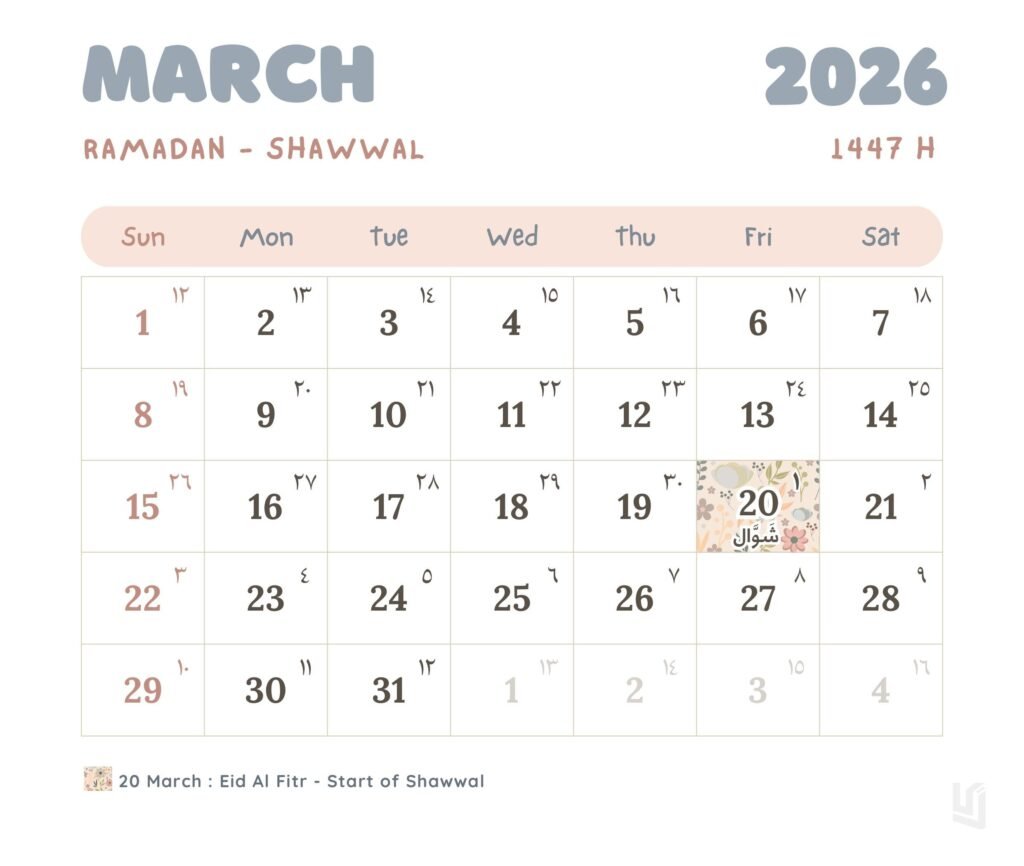
Forget the endless cross-referencing and confusing charts. This guide is designed to be your definitive resource, offering a clear, day-by-day breakdown of March 2026 with all the essential Islamic dates, explanations of their significance, and practical planning tips. We’ll bridge the gap between the familiar Gregorian system and the profound Hijri calendar, ensuring you’re fully prepared for a month of deep reflection, celebration, and community engagement.
March 2026 Calendar: Your Essential Guide to Islamic Dates and Observances
Understanding March 2026 in the Islamic Calendar: Ramadan’s Culmination and Eid al-Fitr
March 2026 holds immense spiritual significance for Muslims worldwide, and particularly in the USA. It’s a month that encapsulates the final, most blessed days of Ramadan 1447 AH – a period of intense worship, prayer, and reflection – and transitions into the celebratory days of Shawwal 1447 AH with the advent of Eid al-Fitr. This makes an integrated calendar not just convenient, but essential for those who wish to plan their month effectively, balancing everyday life with spiritual obligations and joyful traditions.
For many, navigating the Gregorian calendar for work and school alongside the lunar-based Hijri calendar for religious observances can be a challenge. That’s why having a combined, easy-to-read resource is so valuable. It helps you anticipate key dates like Laylat al-Qadr (the Night of Power) and the joyous Eid al-Fitr, allowing for thoughtful preparation, family coordination, and community participation without missing a beat.
Your Day-by-Day March 2026 Gregorian to Hijri Calendar
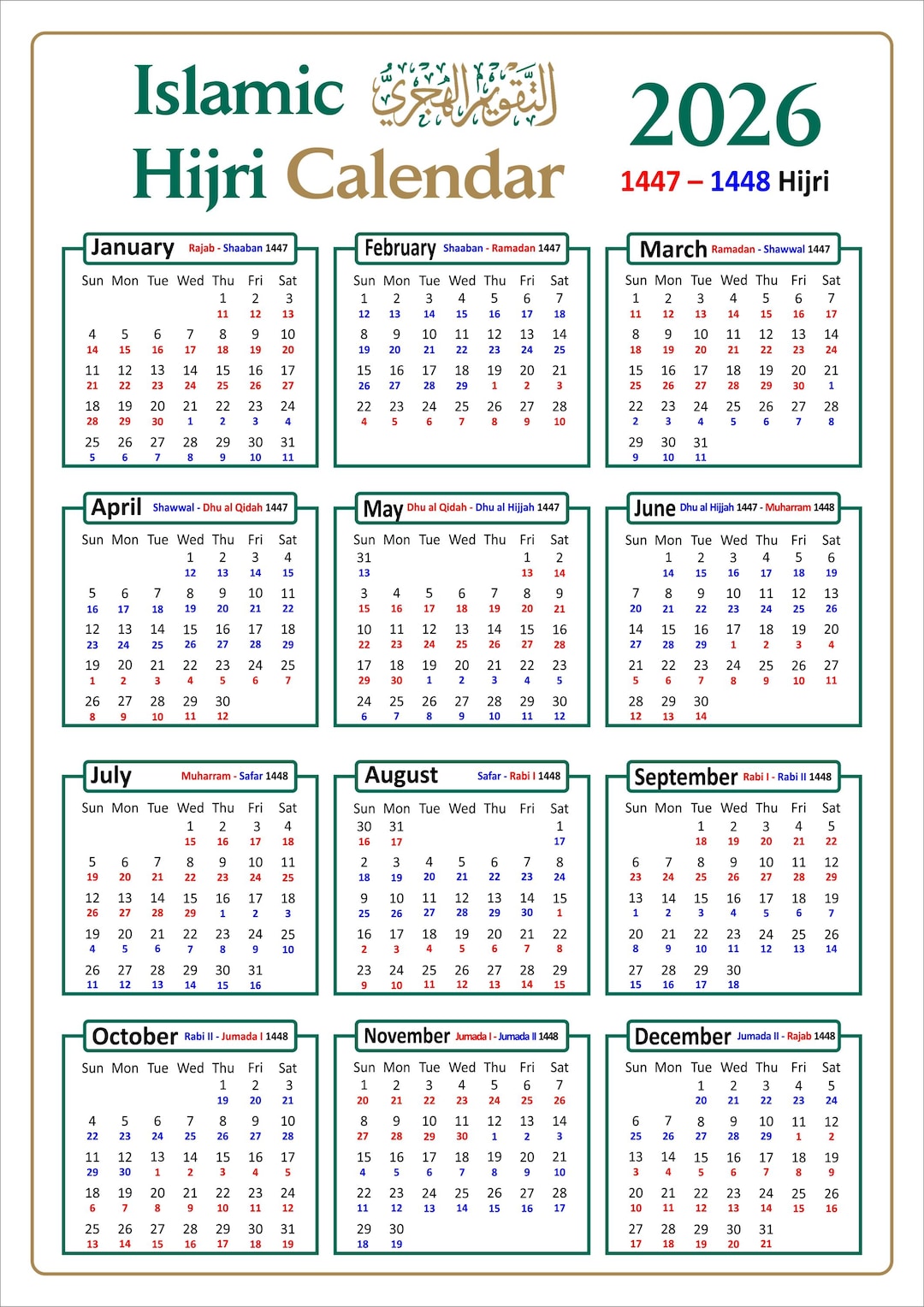
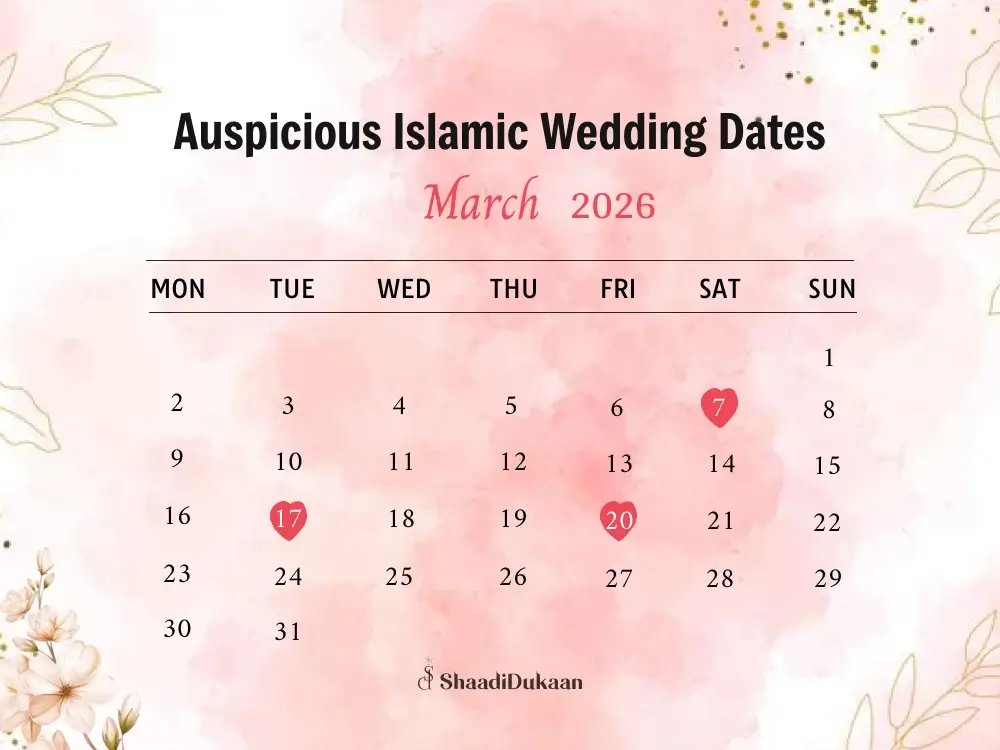
Here’s your comprehensive, day-by-day calendar for March 2026, showing the corresponding Islamic (Hijri) dates and highlighting the major observances. Remember that Islamic dates, particularly the start of new months like Shawwal, are determined by the sighting of the new moon, which can lead to slight variations (typically by a day) depending on location and authority. The dates below reflect the most widely accepted projections for the USA.
| Gregorian Date | Day | Hijri Date | Hijri Month | Key Islamic Observance/Event (Approx.) |
|---|---|---|---|---|
| March 1, 2026 | Sunday | 11 | Ramadan | |
| March 2, 2026 | Monday | 12 | Ramadan | |
| March 3, 2026 | Tuesday | 13 | Ramadan | |
| March 4, 2026 | Wednesday | 14 | Ramadan | |
| March 5, 2026 | Thursday | 15 | Ramadan | |
| March 6, 2026 | Friday | 16 | Ramadan | |
| March 7, 2026 | Saturday | 17 | Ramadan | Nuzul-al Qur’an (Approx.) |
| March 8, 2026 | Sunday | 18 | Ramadan | |
| March 9, 2026 | Monday | 19 | Ramadan | |
| March 10, 2026 | Tuesday | 20 | Ramadan | |
| March 11, 2026 | Wednesday | 21 | Ramadan | Last 10 Days of Ramadan (Odd Nights begin) |
| March 12, 2026 | Thursday | 22 | Ramadan | |
| March 13, 2026 | Friday | 23 | Ramadan | Last 10 Days of Ramadan (Odd Nights) |
| March 14, 2026 | Saturday | 24 | Ramadan | |
| March 15, 2026 | Sunday | 25 | Ramadan | Last 10 Days of Ramadan (Odd Nights) |
| March 16, 2026 | Monday | 26 | Ramadan | |
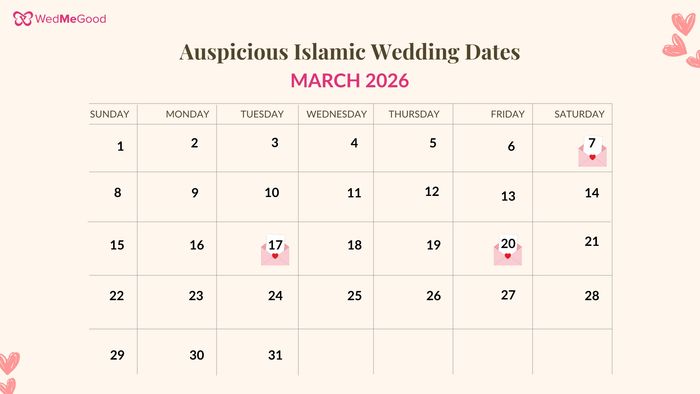
| March 17, 2026 | Tuesday | 27 | Ramadan | Laylat al-Qadr (Most widely observed) |
| March 18, 2026 | Wednesday | 28 | Ramadan | |
| March 19, 2026 | Thursday | 29 | Ramadan | Eid Moon Sighting Expected / End of Ramadan (possible Eid) |
| March 20, 2026 | Friday | 1 | Shawwal | Eid al-Fitr (Expected) |
| March 21, 2026 | Saturday | 2 | Shawwal | Post-Eid Celebrations / Beginning of Shawwal Fasting |
| March 22, 2026 | Sunday | 3 | Shawwal | |
| March 23, 2026 | Monday | 4 | Shawwal | |
| March 24, 2026 | Tuesday | 5 | Shawwal | |
| March 25, 2026 | Wednesday | 6 | Shawwal | |
| March 26, 2026 | Thursday | 7 | Shawwal | |
| March 27, 2026 | Friday | 8 | Shawwal | |
| March 28, 2026 | Saturday | 9 | Shawwal | |
| March 29, 2026 | Sunday | 10 | Shawwal | |
| March 30, 2026 | Monday | 11 | Shawwal | |
| March 31, 2026 | Tuesday | 12 | Shawwal |
Week 1: Embracing the Last Days of Ramadan (March 1-7)
As March 2026 begins, we are already deep into the blessed month of Ramadan. The first week of March (March 1-7) encompasses the middle portion of Ramadan 1447 AH, from the 11th to the 17th day. This is a time to solidify your spiritual practices, deepen your connection with the Qur’an, and engage in acts of charity. The focus remains on fasting from dawn to dusk, special nightly prayers (Taraweeh), and increasing your remembrance of Allah.
Specifically, the 17th of Ramadan (March 7) is often associated with Nuzul-al Qur’an, the revelation of the Holy Qur’an to Prophet Muhammad (peace be upon him). While not a public holiday, it’s a significant day for reflection on the guidance and wisdom contained within Islam’s holy book.
Week 2: Laylat al-Qadr and the Intensification of Worship (March 8-17)
This period brings us to the most sacred part of Ramadan: the Last Ten Days, which commence around March 11 (21st Ramadan). These nights are considered the most virtuous, with Muslims intensifying their worship in hopes of catching Laylat al-Qadr, the Night of Power. Although its exact date is unknown, it’s believed to fall on one of the odd-numbered nights of these last ten days (21st, 23rd, 25th, 27th, 29th).
The 27th of Ramadan, corresponding to March 17, 2026, is widely observed by many communities as Laylat al-Qadr. On this night, the rewards for good deeds are multiplied immensely, making it a time for fervent prayer, supplication, and seeking forgiveness. Many Muslims spend these nights in continuous worship, reciting the Qur’an, performing extra prayers (Qiyam al-Layl), and making heartfelt invocations.
Week 3: Eid al-Fitr Preparations and Celebration (March 18-24)
As Ramadan draws to a close, anticipation builds for Eid al-Fitr, the Festival of Breaking the Fast. This joyful occasion marks the end of a month of fasting and spiritual discipline. The sighting of the new moon on the evening of the 29th or 30th of Ramadan determines the exact start of Shawwal and thus Eid al-Fitr.
In March 2026, Eid al-Fitr is widely projected to fall on Friday, March 20th (1st Shawwal). Preparations include giving Zakat al-Fitr (a mandatory charity paid before Eid prayers), preparing festive meals, decorating homes, and selecting new clothing. The day itself begins with special congregational prayers, followed by visits to family and friends, gift-giving, and community celebrations. It’s a time of gratitude, forgiveness, and strengthening social bonds.
Week 4: Post-Ramadan Reflections and Shawwal Observances (March 25-31)
The final week of March 2026 moves into the days following Eid al-Fitr, within the month of Shawwal. While the intense fasting of Ramadan concludes, spiritual practices don’t stop. Many Muslims choose to observe the Six Days of Shawwal fasting, a voluntary fast that, when combined with Ramadan, earns a reward equivalent to fasting for an entire year. These fasts can be performed anytime during Shawwal, consecutively or non-consecutively, after Eid day.
This period is also ideal for reflecting on the spiritual lessons learned during Ramadan and carrying forward positive habits into the rest of the year. It’s a time to reconnect with daily routines while maintaining a heightened sense of mindfulness and devotion.
Key Islamic Events in March 2026: Deeper Dive
Beyond just the dates, understanding the significance of each major event enriches your experience and allows for more meaningful participation. Here’s a closer look at the pivotal Islamic observances in March 2026:
Laylat al-Qadr (The Night of Power)
Falling on one of the last ten odd nights of Ramadan, with March 17, 2026 (27th Ramadan) being the most commonly observed date, Laylat al-Qadr is arguably the most blessed night in the Islamic calendar. It is the night when the first verses of the Qur’an were revealed to Prophet Muhammad (peace be upon him). The Qur’an describes this night as being “better than a thousand months” (Surah Al-Qadr, 97:3), signifying its immense spiritual value.
Muslims strive to spend this night in intense worship, seeking forgiveness, making abundant supplications (du’a), reciting the Qur’an, and performing extra prayers. It’s a profound opportunity for spiritual renewal and immense rewards.
Nuzul-al Qur’an (Revelation of the Qur’an)
While often associated with Laylat al-Qadr, some traditions specifically mark the 17th of Ramadan (March 7, 2026) as the day of the initial revelation of the Qur’an. This day serves as a powerful reminder of the divine guidance gifted to humanity through the Holy Book. It’s a time to reflect on the Qur’an’s teachings, engage in its study, and strive to live by its principles.
Eid al-Fitr (Festival of Breaking the Fast)
The joyous festival of Eid al-Fitr, expected on Friday, March 20, 2026 (1st Shawwal), marks the triumphant conclusion of Ramadan. It’s a day of immense gratitude to Allah for the strength and blessings received during the month of fasting. The day typically begins with the special Eid prayer performed in congregation, often in large open spaces or mosques. Before the prayer, it is obligatory for every Muslim to give Zakat al-Fitr – a small amount of food or its monetary equivalent to the poor, ensuring everyone can celebrate Eid.
After prayers, families and friends gather, share elaborate meals, exchange gifts, and visit loved ones. It’s a beautiful demonstration of unity, charity, and joy within the Muslim community.
The Six Days of Shawwal Fasting
Following Eid al-Fitr, during the rest of Shawwal (from March 21st onwards), many Muslims observe a voluntary fast for six days. Prophet Muhammad (peace be upon him) said: “Whoever fasts Ramadan and then follows it with six days of Shawwal, it is as if he fasted for a lifetime.” (Sahih Muslim). These fasts do not need to be consecutive and can be observed at any point during Shawwal, offering a continuation of spiritual discipline and a great reward.
The Lunar Calendar Nuance: Why Dates Can Shift
It’s important to understand why Islamic dates, unlike Gregorian ones, can sometimes vary slightly. The Hijri calendar is a purely lunar calendar, meaning its months are determined by the cycles of the moon. Each month begins with the confirmed sighting of the new crescent moon (hilal).
Because the lunar month is approximately 29.5 days long, Hijri months can be either 29 or 30 days. This means the Islamic calendar is roughly 10-11 days shorter than the solar Gregorian calendar, causing Islamic holidays to occur earlier each Gregorian year.
The critical factor is moon sighting (ru’yat al-hilal). While astronomical calculations can predict the moon’s visibility with great accuracy, many Islamic scholars and communities still prefer or require actual visual confirmation of the new crescent. This is particularly relevant for the start of Shawwal, and thus Eid al-Fitr.
In the USA, different Islamic organizations and mosques may follow different methodologies:
- Some adhere to local moon sighting within North America.
- Others rely on moon sightings anywhere in the world (global sighting).
- Still others use advanced astronomical calculations to determine dates in advance.
This diversity can lead to some communities celebrating Eid al-Fitr on slightly different Gregorian dates (e.g., March 19th vs. March 20th in 2026). While our calendar provides the most widely projected dates, it’s always wise to confirm with your local mosque or Islamic center for their specific pronouncements closer to the time, especially for Eid al-Fitr.
Practical Planning for March 2026: Making the Most of Your Calendar
Having a clear calendar is just the first step. The real value comes from using it to proactively plan and enrich your experience of March 2026. Here’s how you can make the most of this integrated calendar:
For Individuals: Enhancing Personal Worship and Well-being
- Plan Your Last Ten Nights: Mark down the odd nights of Ramadan (March 11, 13, 15, 17, 19) in your personal planner. Dedicate extra time for prayers, Qur’an recitation, and personal supplication during these nights, especially for Laylat al-Qadr.
- Meal Prep for Iftar and Suhoor: With Eid approaching, the last days of Ramadan can be busy. Plan your meals for breaking (Iftar) and starting (Suhoor) your fast to ensure you maintain energy and nutrition. Consider simpler, wholesome options to allow more time for worship.
- Schedule Downtime: The intense spiritual efforts of Ramadan can be taxing. Schedule short breaks or lighter activities during the day to recharge, especially in the week leading up to Eid.
- Complete Your Zakat al-Fitr Early: Aim to give your Zakat al-Fitr a few days before Eid (e.g., March 18-19) to ensure it reaches those in need in time for the celebrations.
- Reflect and Set Goals: Use the end of Ramadan and the start of Shawwal to reflect on your spiritual journey and set new personal goals for the coming year. How will you carry the positive habits of Ramadan forward?
For Families & Communities: Fostering Togetherness and Generosity
- Organize Eid Celebrations: Coordinate with family and friends for Eid al-Fitr celebrations. Decide on prayer locations, meal arrangements, and activities well in advance. Consider inviting non-Muslim friends or neighbors to share the joy and educate them about the festival.
- Community Events: Check with your local mosque or Islamic center for their schedule of Eid prayers, special events, or charitable drives. Participating in community activities strengthens bonds and enriches the collective experience.
- Zakat al-Fitr Distribution: If your family is involved in local charitable efforts, plan for the collection and distribution of Zakat al-Fitr to ensure it benefits the most vulnerable members of the community before Eid.
- Educate Children: Use the occasion of Laylat al-Qadr and Eid to teach younger family members about the significance of these events, their history, and the beautiful traditions associated with them. Encourage them to participate in a way that is meaningful for their age.
- Travel Planning: If you plan to travel for Eid or during the last ten days of Ramadan, finalize your arrangements early to avoid stress and ensure you can still fulfill your religious obligations.
By using this integrated March 2026 calendar as a strategic planning tool, you can navigate the month with clarity, purpose, and a renewed sense of spiritual connection. It’s about more than just dates; it’s about preparing your heart and home for a truly blessed and joyous time.
We hope this comprehensive guide empowers you to experience March 2026 to its fullest, harmonizing your daily life with the profound spiritual rhythm of the Islamic calendar. May your Ramadan be blessed and your Eid be joyful!
Frequently Asked Questions
What is the significance of March 2026 in the Islamic calendar?
March 2026 is highly significant as it encompasses the last blessed days of Ramadan 1447 AH, including Laylat al-Qadr (the Night of Power), and culminates in the joyous celebration of Eid al-Fitr, marking the beginning of Shawwal 1447 AH. It’s a pivotal month for spiritual reflection, intense worship, and community celebrations.
When is Laylat al-Qadr in March 2026?
Laylat al-Qadr, the Night of Power, is believed to fall on one of the odd-numbered nights of the last ten days of Ramadan. In March 2026, the 27th of Ramadan 1447 AH, which corresponds to Tuesday, March 17th, is the most widely observed date for Laylat al-Qadr by many Muslim communities.
When is Eid al-Fitr in March 2026?
Eid al-Fitr, the Festival of Breaking the Fast, marks the end of Ramadan and the start of the month of Shawwal. For March 2026, Eid al-Fitr (1 Shawwal 1447 AH) is widely projected to fall on Friday, March 20th, although the exact date can vary by a day depending on local moon sighting.
How do moon sightings affect the exact Islamic dates?
The Islamic (Hijri) calendar is purely lunar, with each month starting upon the confirmed visual sighting of the new crescent moon. This means that astronomical predictions can be used, but actual moon sighting can lead to slight variations (usually a day) in the exact start of a new month like Shawwal, and thus for holidays like Eid al-Fitr, impacting different regions or communities.
What are the six days of Shawwal fasting?
The Six Days of Shawwal fasting are voluntary fasts observed anytime during the month of Shawwal, after Eid al-Fitr. Prophet Muhammad (peace be upon him) taught that whoever fasts Ramadan and then follows it with six days of Shawwal, it is as if they fasted for an entire year due to the multiplied rewards.
Is the March 2026 Islamic calendar provided valid for the entire USA?
While the calendar provides the most widely accepted projections for the USA based on common consensus, slight variations for specific dates like Eid al-Fitr can occur due to different moon-sighting methodologies adopted by various Islamic organizations and local mosques. It is always recommended to confirm with your local mosque or Islamic center closer to the date.
What is Zakat al-Fitr, and when should it be paid?
Zakat al-Fitr is a mandatory charity paid by every Muslim before the Eid al-Fitr prayers. Its purpose is to help the poor and needy celebrate Eid and to purify the fasting person from minor errors during Ramadan. It should ideally be paid a few days before Eid al-Fitr (e.g., March 18-19, 2026) to ensure it reaches beneficiaries in time for the festival.
