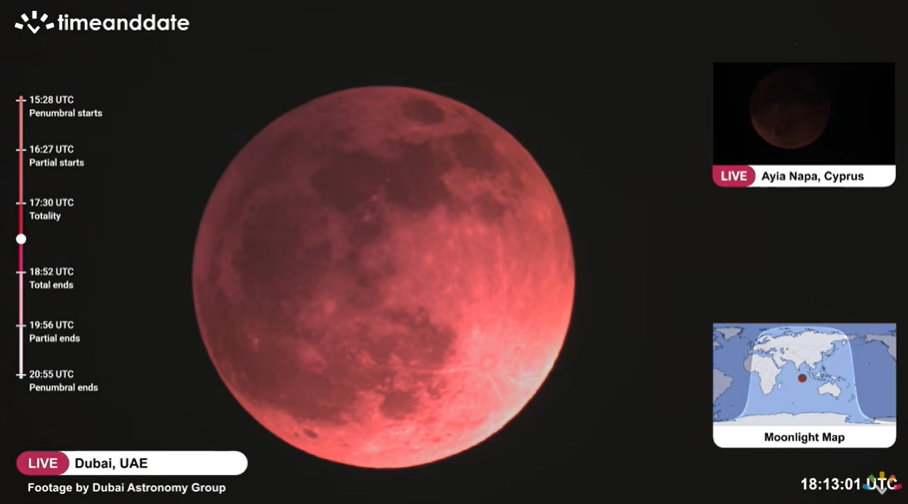
The March 2026 Total Lunar Eclipse: Your Complete Guide to the ‘Blood Moon’ and ‘Worm Moon’ in the USA
Get ready, skygazers! March 2026 is bringing a truly spectacular celestial show to North America: a Total Lunar Eclipse. This isn’t just any full moon; it’s a dramatic ‘Blood Moon’ that will captivate millions across the United States. If you’ve ever wanted to witness the Moon transform before your eyes, this is your prime opportunity.
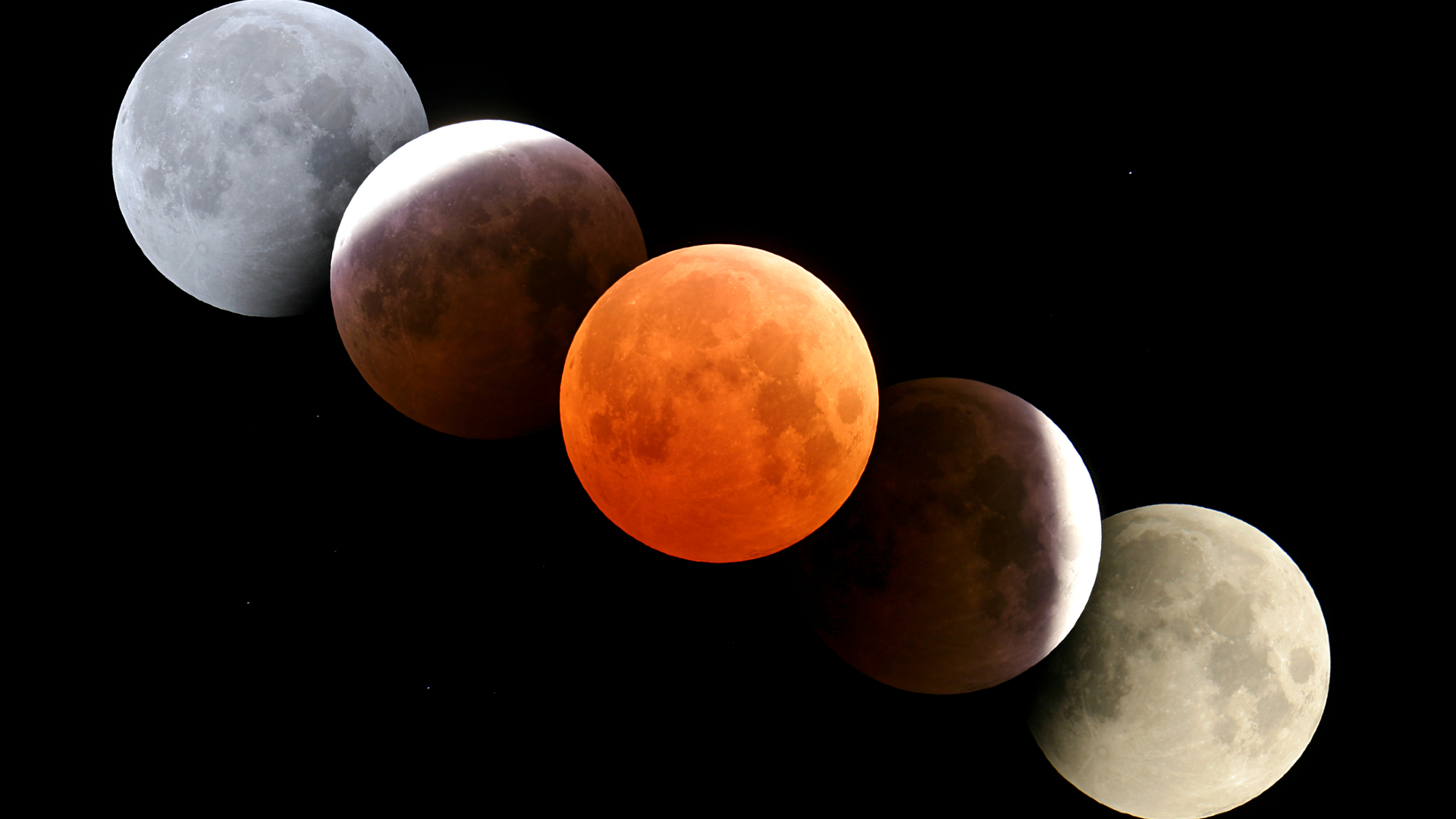
We’re talking about the Full ‘Worm Moon’ on March 3, 2026, which will pass directly through Earth’s shadow, creating a breathtaking display. From its subtle entry into the penumbral shadow to the deep, rusty red of totality, this guide will arm you with everything you need to know: when to look, where to look, and even why it’s called a ‘Blood Moon’ in the first place.
Forget the technical jargon. We’re breaking down the science, the timing, and even the astrological buzz around this Full Moon in Virgo, all in an easy-to-understand, human-friendly way. So, grab your coffee (or your binoculars!), mark your calendars, and prepare for an unforgettable morning in early March 2026.
When to See It: Crucial Times for the March 2026 Lunar Eclipse Across the USA
The most important question on everyone’s mind is, of course, “When exactly does this happen?” For observers across the contiguous United States, the eclipse will unfold in the early morning hours of Tuesday, March 3, 2026. While the entire event spans several hours, the truly awe-inspiring part – the ‘totality’ where the Moon turns red – is a more precise window you absolutely don’t want to miss.
Here’s a snapshot of the critical moments for major US time zones, allowing you to easily plan your viewing experience:
The Quick Answer: Key Times for Major US Time Zones (Totality)
This table highlights the start and end of the total lunar eclipse phase, often referred to as the ‘Blood Moon‘ period. These are the moments when the Moon will be fully immersed in Earth’s darkest shadow and display its famous ruddy hue. Note that in some Eastern regions, the Moon may be setting during the end of totality, impacting visibility.
| Eclipse Phase | UTC (Universal Time) | EST (Eastern) | CST (Central) | MST (Mountain) | PST (Pacific) |
|---|---|---|---|---|---|
| Total Eclipse Begins | March 3, 11:04 AM | March 3, 6:04 AM | March 3, 5:04 AM | March 3, 4:04 AM | March 3, 3:04 AM |
| Maximum Eclipse | March 3, 11:33 AM | March 3, 6:33 AM | March 3, 5:33 AM | March 3, 4:33 AM | March 3, 3:33 AM |
| Total Eclipse Ends | March 3, 12:02 PM | March 3, 7:02 AM | March 3, 6:02 AM | March 3, 5:02 AM | March 3, 4:02 AM |
Understanding the Phases: A Full Timeline Breakdown
For those who want to experience the entire celestial dance, from the subtle shading to the full ‘Blood Moon’ glory and back again, here’s a comprehensive timeline. Remember, the ‘Penumbral’ phases are very subtle and might be hard to notice without keen observation, but the ‘Partial’ and ‘Total’ phases are truly unmissable.

| Eclipse Phase | UTC (Universal Time) | EST (Eastern) | CST (Central) | MST (Mountain) | PST (Pacific) |
|---|---|---|---|---|---|
| Penumbral Eclipse Begins | March 3, 8:44 AM | March 3, 3:44 AM | March 3, 2:44 AM | March 3, 1:44 AM | March 3, 12:44 AM |
| Partial Eclipse Begins | March 3, 9:50 AM | March 3, 4:50 AM | March 3, 3:50 AM | March 3, 2:50 AM | March 3, 1:50 AM |
| Total Eclipse Begins | March 3, 11:04 AM | March 3, 6:04 AM | March 3, 5:04 AM | March 3, 4:04 AM | March 3, 3:04 AM |
| Maximum Eclipse | March 3, 11:33 AM | March 3, 6:33 AM | March 3, 5:33 AM | March 3, 4:33 AM | March 3, 3:33 AM |
| Total Eclipse Ends | March 3, 12:02 PM | March 3, 7:02 AM | March 3, 6:02 AM | March 3, 5:02 AM | March 3, 4:02 AM |
| Partial Eclipse Ends | March 3, 1:17 PM | March 3, 8:17 AM | March 3, 7:17 AM | March 3, 6:17 AM | March 3, 5:17 AM |
| Penumbral Eclipse Ends | March 3, 2:22 PM | March 3, 9:22 AM | March 3, 8:22 AM | March 3, 7:22 AM | March 3, 6:22 AM |
Note: All times are for March 3, 2026. Daylight Saving Time is not in effect in March, so these conversions are based on standard time zones. Always double-check with a local source closer to the date for precise, hyper-local timings.
What is a Total Lunar Eclipse, Anyway?
You’ve heard the term, but what’s really happening during a total lunar eclipse? It’s a truly magnificent cosmic alignment that offers a spectacular show without needing any special eye protection (unlike solar eclipses!).
The Cosmic Alignment: How It Works
A Total Lunar Eclipse occurs when the Sun, Earth, and Moon align in a specific way, with Earth positioned directly between the Sun and the Moon. When this happens, our planet casts a shadow onto its natural satellite. There are two parts to Earth’s shadow:
- The Penumbra: This is the outer, fainter part of the shadow. When the Moon first enters the penumbra, it undergoes a penumbral eclipse, which often looks like a subtle dimming of the Moon, barely noticeable to the casual observer.
- The Umbra: This is the inner, darkest part of Earth’s shadow. As the Moon moves into the umbra, we see a partial lunar eclipse, where a bite seems to be taken out of the Moon. When the Moon is fully enveloped by the umbra, that’s when you get the incredible sight of a total lunar eclipse.
During totality, the Moon doesn’t disappear; it takes on a mesmerizing reddish-orange hue. This is where the ‘Blood Moon’ moniker comes from, and it’s easily the most dramatic phase of the eclipse.
Why a ‘Blood Moon’? Unveiling the Red Hue
So, why does the Moon turn red during a total lunar eclipse? It’s not magic, but rather some fascinating physics! Think of it like this: even though the Earth is blocking direct sunlight from reaching the Moon, some sunlight still manages to get through. This sunlight is refracted, or bent, by Earth’s atmosphere. Our atmosphere scatters blue light more efficiently (which is why our sky is blue during the day), allowing red and orange wavelengths to pass through and bend around Earth, eventually illuminating the Moon.
Essentially, the red light you see on the Moon during totality is actually all the sunsets and sunrises happening around the globe at that very moment, projected onto our lunar neighbor. The intensity of the red color can vary depending on factors like dust, clouds, or volcanic ash in Earth’s atmosphere at the time of the eclipse. It’s truly like watching Earth’s living, breathing atmosphere paint the Moon.
The ‘Worm Moon’: A Seasonal Name
Beyond the scientific explanation, this specific full moon also carries a traditional name: the ‘Worm Moon‘. This name, like many other full moon monikers (think ‘Harvest Moon’ or ‘Strawberry Moon’), originated from Native American, colonial American, and European traditions. The ‘Worm Moon’ typically marks the time of year when the ground begins to thaw, and earthworms start to reappear, signaling the return of spring and the birds that feed on them. It’s a beautiful, earthy connection to the cycles of nature, perfectly aligning with this early March celestial event.
Where Will the March 2026 Total Lunar Eclipse Be Visible?
One of the best things about lunar eclipses is their wide visibility. Unlike solar eclipses, which are only visible along a narrow path, a lunar eclipse can be seen by anyone on the night side of Earth when it occurs.
North America: Prime Viewing Real Estate
The good news for our USA audience is that North America is exceptionally well-positioned to witness the entirety, or at least a significant portion, of the March 2026 Total Lunar Eclipse. The full sequence, from the penumbral start to the penumbral end, will be observable across most of the continent. However, as noted in our timing tables, observers in the Eastern Time Zone might experience the Moon setting low on the horizon or even below it during the later stages of the eclipse, especially as totality ends.
For those on the West Coast (Pacific Time Zone), the eclipse begins very early in the morning, meaning you’ll see the Moon high in the sky through its initial phases. As you move eastward, the eclipse progresses further into the morning, and the Moon will be lower in the sky, closer to the western horizon. This makes finding an unobstructed view, especially towards the west, particularly important for those in the Central and Eastern time zones.
Beyond the USA: Global Visibility (Brief Mention)
While our focus is the USA, it’s worth noting that this celestial event isn’t exclusive to us. The March 2026 Total Lunar Eclipse will be visible, at least in part, from other regions around the globe, including:
- Central and South America: Excellent viewing conditions, with most or all phases visible.
- Western Europe and Africa: Will primarily see the eclipse in its later stages as the Moon sets or as twilight begins.
- Asia and Australia: Will generally not be able to see this eclipse, as it will be daytime or the Moon will not be visible during the eclipse hours.
This global reach underscores the universal appeal of these cosmic events, connecting us all under the same sky.
Eclipse Map: Understanding the Path
While we can’t show an interactive map here, imagine the Earth’s shadow as a large, dark circle. As the Moon travels through this shadow, its visibility depends on whether your location on Earth is currently facing the Moon. For the March 2026 eclipse, the primary visibility window perfectly aligns with the nighttime hours across the Americas. So, if you’re in the USA, you’re in for a treat!
How to Best Experience This Celestial Spectacle
You don’t need a fancy telescope or expensive gear to enjoy a lunar eclipse. In fact, one of the beauties of these events is their accessibility. However, a few simple tips can dramatically enhance your viewing experience.
No Special Equipment Needed (But Binoculars Help!)
Unlike a solar eclipse, which requires specialized filters to protect your eyes, a lunar eclipse is perfectly safe to view directly with the naked eye. The Moon, even when fully eclipsed, is simply reflecting sunlight and poses no risk.
- Naked Eye: This is the easiest and most accessible way to watch. You’ll see the Moon’s gradual darkening, the ‘bite’ taken out of it during the partial phases, and the rich ‘Blood Moon’ color during totality.
- Binoculars: If you have a pair of binoculars (even standard 7×50 or 10×50), they will significantly enhance your view. You’ll be able to see more details on the lunar surface, and the colors during totality will appear more vibrant and defined. It’s a fantastic way to feel closer to the action.
- Small Telescope: For the true astronomy enthusiast, a small telescope will provide the most detailed views of the Moon’s craters and features as the shadow passes over them, and the subtle variations in color during totality.
Finding the Best Viewing Spot
Your location can make all the difference. Here’s what to look for:
- Clear Western Horizon: Since the eclipse occurs in the early morning, the Moon will be relatively low in the western sky for many parts of the USA, especially as totality ends. Try to find a spot with an unobstructed view in that direction.
- Away from City Lights: While lunar eclipses are bright enough to be seen from urban areas, getting away from light pollution will enhance the experience. A darker sky allows the more subtle penumbral phases to be seen and makes the ‘Blood Moon’ appear even more striking against the starry backdrop.
- Safety First: Choose a location that is safe and accessible. If you’re going to a remote area, let someone know your plans.
Essential Viewing Tips for Maximum Enjoyment
- Dress Warmly: March mornings can still be quite chilly, especially before sunrise. Layer up!
- Bring a Chair or Blanket: You’ll be watching for an extended period, so comfort is key.
- Pack Snacks and Hot Drinks: A thermos of coffee or hot chocolate will be your best friend.
- Patience is a Virtue: Lunar eclipses unfold slowly. Take your time, soak in the process, and watch the subtle changes.
- Set an Alarm (or Two!): Don’t rely on your memory. Set multiple alarms for the key phases you want to witness.
- Check Weather Forecasts: Clouds are the only thing that can truly spoil a lunar eclipse. Keep an eye on the weather in the days leading up to March 3rd.
Capturing the Moment: Lunar Eclipse Photography Basics
Want to photograph this stunning event? Here are some quick tips:
- Tripod is Essential: For sharp images, especially during the darker totality, a sturdy tripod is a must.
- Manual Settings: Use your camera’s manual mode. You’ll need to adjust ISO, aperture, and shutter speed as the Moon darkens and brightens. Start with a relatively fast shutter speed and low ISO during the brighter partial phases, and then increase ISO and shutter time during totality.
- Telephoto Lens: A lens with a focal length of 200mm or more will help you get a decent size Moon in your frame.
- Practice First: If you’re new to astrophotography, practice shooting the full Moon before the eclipse night to get a feel for your camera’s settings.
- Consider Wide-Angle: Don’t just focus on the Moon! A wide-angle shot that includes the eclipsed Moon, perhaps with a scenic foreground, can be incredibly beautiful.
The Astrological Significance: Full Moon in Virgo and Its Impact
Beyond the breathtaking astronomy, the March 2026 Full Moon also carries significant astrological weight, especially since it’s a Full Moon in Virgo combined with a Lunar Eclipse. For many, this isn’t just a visual event; it’s a cosmic moment of reflection, release, and redirection.
The Full Moon’s Energy: Culmination and Release
In astrology, a Full Moon always represents a peak, a culmination, or a moment of illumination. It’s when the Sun and Moon are in direct opposition, pulling at us from different directions, often bringing emotions and situations to a head. What has been building since the New Moon (about two weeks prior) now comes into full view. Full Moons are powerful times for:
- Release: Letting go of what no longer serves you.
- Completion: Seeing projects or situations come to fruition.
- Awareness: Gaining clarity or insight into a situation.
- Emotional Expression: Feelings can run high, making it a good time for honest communication.
Virgo’s Influence: Precision, Service, and Self-Reflection
When this Full Moon occurs in the practical, analytical, and discerning sign of Virgo, its energy takes on a specific flavor. Virgo is an Earth sign ruled by Mercury, known for its attention to detail, desire for order, focus on health and wellness, and a strong drive to serve others. With the Moon in Virgo, the spotlight shifts to:
- Practical Matters: Organizing your daily routines, decluttering, or perfecting systems.
- Health and Wellness: Reviewing diet, exercise, or mental health practices.
- Service and Work: How you contribute to the world, your job, and your sense of purpose.
- Self-Critique: Virgo’s analytical nature can sometimes lead to overthinking or self-criticism. This Full Moon asks you to find balance between improvement and self-acceptance.
This particular Full Moon, therefore, encourages us to look at the practical details of our lives. Where can we bring more order? What habits can be improved? How can we be more effective in our daily contributions? It’s a call to refine, to purify, and to get back to basics in a grounded, healthy way.
Eclipses as Cosmic Reset Buttons
Adding the layer of a Lunar Eclipse to a Full Moon amplifies its power significantly. Eclipses are often seen as cosmic wildcards or ‘reset buttons’. They don’t just culminate; they often bring about sudden changes, accelerate destinies, or reveal hidden truths. Think of them as supercharged Full Moons that shake things up to redirect us onto our true path.
A Lunar Eclipse, specifically, deals with endings, releases, and emotional breakthroughs. It can illuminate what needs to be cut away for growth, making way for new beginnings down the line. In Virgo, this could manifest as:
- A sudden realization about a health issue or a change in your wellness routine.
- An abrupt shift in a work project or career path.
- A major ‘spring cleaning’ of your life, both physically and emotionally.
- An awakening to how you can better serve your community or yourself.
While eclipses can feel intense, remember they are ultimately guiding us towards alignment. The March 2026 Lunar Eclipse in Virgo asks us to shed perfectionism, release anxieties about control, and trust the process of refinement, knowing that true well-being comes from a balance of practicality and acceptance.
What Else to Expect in the Night Sky in 2026
The March 2026 Total Lunar Eclipse is just one highlight in a year full of celestial wonders. If you’re bitten by the stargazing bug, here’s a brief look at other major events to keep on your radar for 2026.
Other Lunar Eclipses in 2026
While the March event is a spectacular total lunar eclipse, 2026 actually features two lunar eclipses:
- March 2-3, 2026: Total Lunar Eclipse (our focus!)
- August 27-28, 2026: Partial Lunar Eclipse. This will be another opportunity to see Earth’s shadow creep across the Moon, though not with the full ‘Blood Moon’ effect. This eclipse will be more visible from parts of Europe, Africa, Asia, and Australia, with some visibility in eastern North America.
Solar Eclipses and Other Notable Celestial Events
2026 is also set to deliver some thrilling solar spectacles and other planetary alignments:
- August 12, 2026: Total Solar Eclipse: This is a highly anticipated event, though its path of totality will primarily cross Greenland, Iceland, Spain, and Portugal. North America will only experience a very small partial solar eclipse, if at all, from its very eastern fringes. Still, it’s a huge event for our planet!
- February 6, 2026: Annular Solar Eclipse: This ‘ring of fire’ eclipse will be visible mainly from Antarctica, with a partial view from parts of South America and Africa.
- Meteor Showers: Keep an eye out for the usual annual meteor showers like the Perseids in August and the Geminids in December. While not eclipses, they offer incredible chances to see shooting stars.
- Planetary Conjunctions: Throughout the year, various planets will engage in close alignments, offering beautiful photo opportunities and easy-to-spot celestial pairings in the dawn or dusk sky. Jupiter and Saturn always put on a good show!
So, after you’ve savored the beauty of the March 2026 Blood Moon, remember that the cosmos always has more wonders in store. Keep looking up!

Frequently Asked Questions
What time is the March 2026 Full Moon Lunar Eclipse in the USA?
The most dramatic phase, totality (the ‘Blood Moon’), begins at 6:04 AM EST (3:04 AM PST) and ends at 7:02 AM EST (4:02 AM PST) on March 3, 2026. Consult the tables in this guide for precise timings across all major US time zones for the full eclipse progression.
Why is it called a ‘Blood Moon’?
It’s called a ‘Blood Moon’ because during a total lunar eclipse, the Moon often takes on a reddish-orange hue. This happens because sunlight is refracted by Earth’s atmosphere, scattering blue light and allowing red and orange wavelengths to pass through and illuminate the Moon.
What is the ‘Worm Moon’?
The ‘Worm Moon’ is a traditional name for the full moon in March, historically associated with the thawing ground and the emergence of earthworms, signaling the return of spring and warmer weather.
Do I need special equipment to view the March 2026 Lunar Eclipse?
No, a lunar eclipse is perfectly safe to view with the naked eye and requires no special eye protection. While not necessary, binoculars or a small telescope can enhance the view and reveal more lunar details.
Where in the USA will the March 2026 Total Lunar Eclipse be visible?
The entire contiguous United States will be able to see at least a significant portion, if not all, of the March 2026 Total Lunar Eclipse. Viewing conditions are excellent across North America, though those in Eastern time zones may experience the Moon setting during the later phases of the eclipse.
What is the astrological significance of this Full Moon in Virgo?
Astrologically, a Full Moon in Virgo, especially during an eclipse, signifies a powerful moment of culmination, release, and redirection related to themes of order, daily routines, health, wellness, and service. It’s a call to refine, organize, and let go of what no longer serves your practical well-being.