March 2026 Bank Holidays: Your Definitive Guide to U.S. Bank Observances
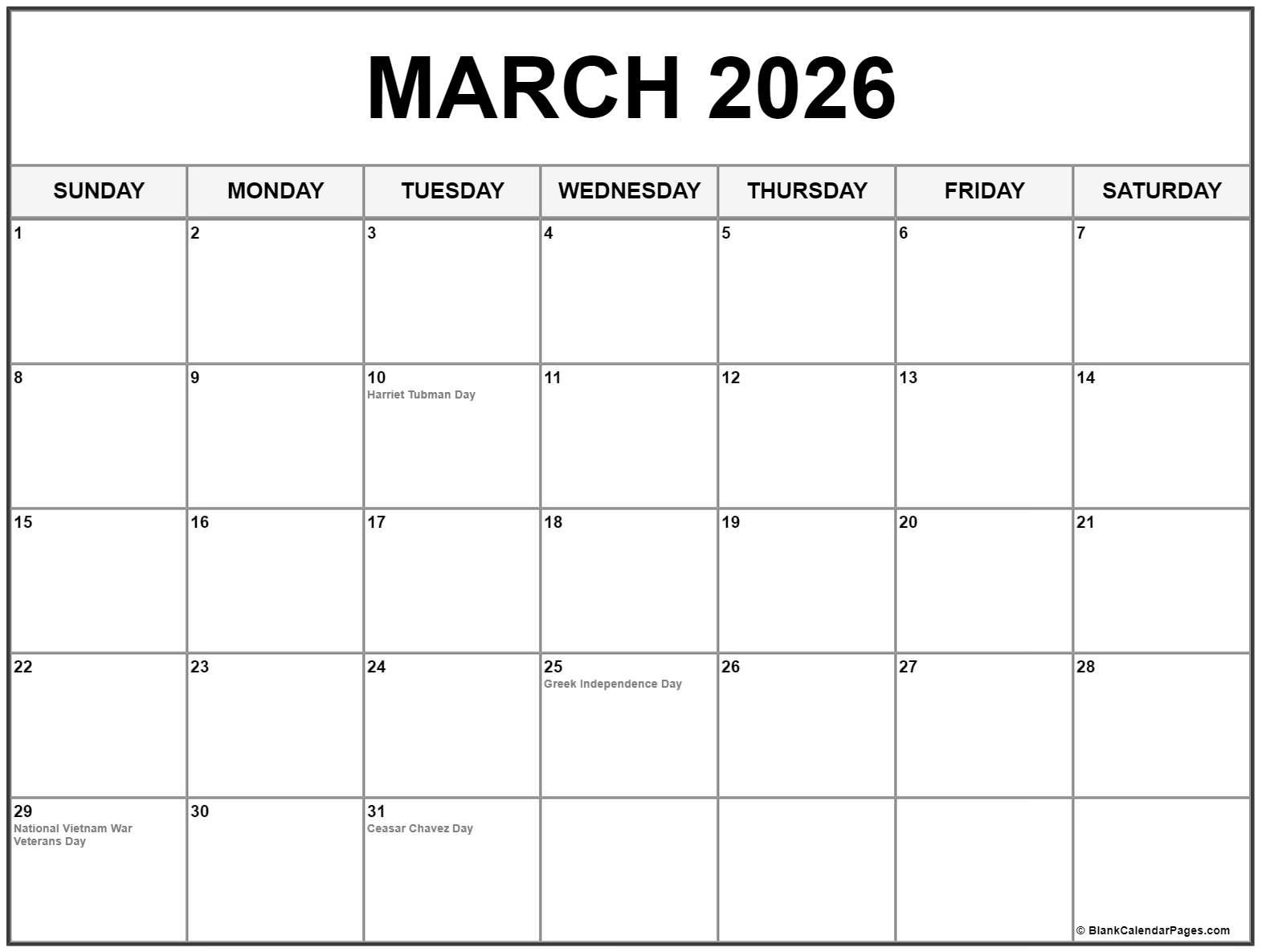
Let’s cut to the chase, because I know you’re busy: you’re looking for March 2026 bank holidays in the U.S. And here’s the straightforward answer: there are no federal bank holidays observed in March 2026 in the United States.

That’s right. While other months feature significant federal observances that lead to bank closures and shifts in transaction processing, March 2026 is business as usual for U.S. banks. This means you can expect normal operating hours for most financial institutions and regular processing times for your electronic transactions throughout the month.
But while March 2026 might be clear, understanding the bigger picture of bank holidays is crucial for managing your money effectively year-round. Let’s dive into what truly defines a bank holiday, how they impact your finances, and what to expect for the rest of 2026.
Understanding Bank Holidays vs. Federal Holidays
When we talk about “bank holidays,” we’re almost always referring to federal holidays. These are the days recognized by the U.S. government, and they’re the ones that typically dictate when banks, credit unions, and the Federal Reserve System close their doors.
The Federal Reserve’s Role in Bank Holiday Observances
The Federal Reserve System is the central bank of the United States. It plays a critical role in how money moves through the economy, facilitating everything from direct deposits to large-scale wire transfers. When the Federal Reserve Banks are closed, key payment systems like ACH (Automated Clearing House) and wire transfers often pause operations. This is why federal holidays have such a widespread impact on your banking activities, even if your local bank branch is technically open (which is rare for federal holidays).
Most commercial banks, for practical reasons, align their holiday schedules with the Federal Reserve to avoid disruptions in interbank transactions and payment processing. This standardization ensures a predictable rhythm for financial operations across the country.
What Defines a “Bank Holiday” in the U.S.?
In the U.S., a “bank holiday” isn’t just any day a specific bank decides to close. It primarily refers to days when banks are closed in observance of federal holidays. These are days designated by the U.S. Congress and include holidays like New Year’s Day, Memorial Day, Independence Day, and Christmas Day.
While some smaller, local banks or credit unions might observe additional local holidays or have slightly different schedules, the vast majority of financial institutions, from large national chains to community banks, adhere to the Federal Reserve’s holiday calendar. So, when in doubt, checking the federal holiday schedule is your best bet for understanding if your bank will be open.
A Comprehensive Look at All 2026 Federal Bank Holidays (Beyond March)
Even though March 2026 won’t interrupt your banking rhythm, it’s smart to have a full understanding of the federal bank holidays for the entire year. This way, you can plan your financial activities, payments, and transactions well in advance to avoid any unexpected delays.
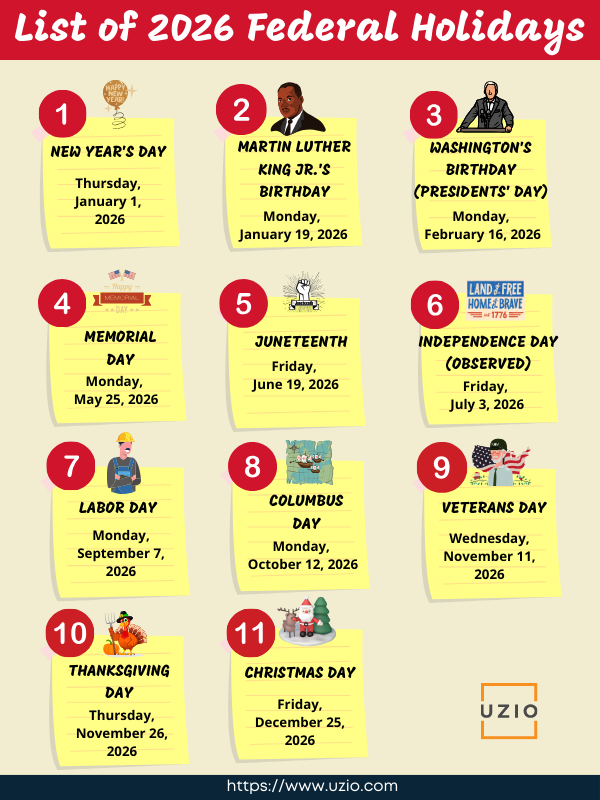
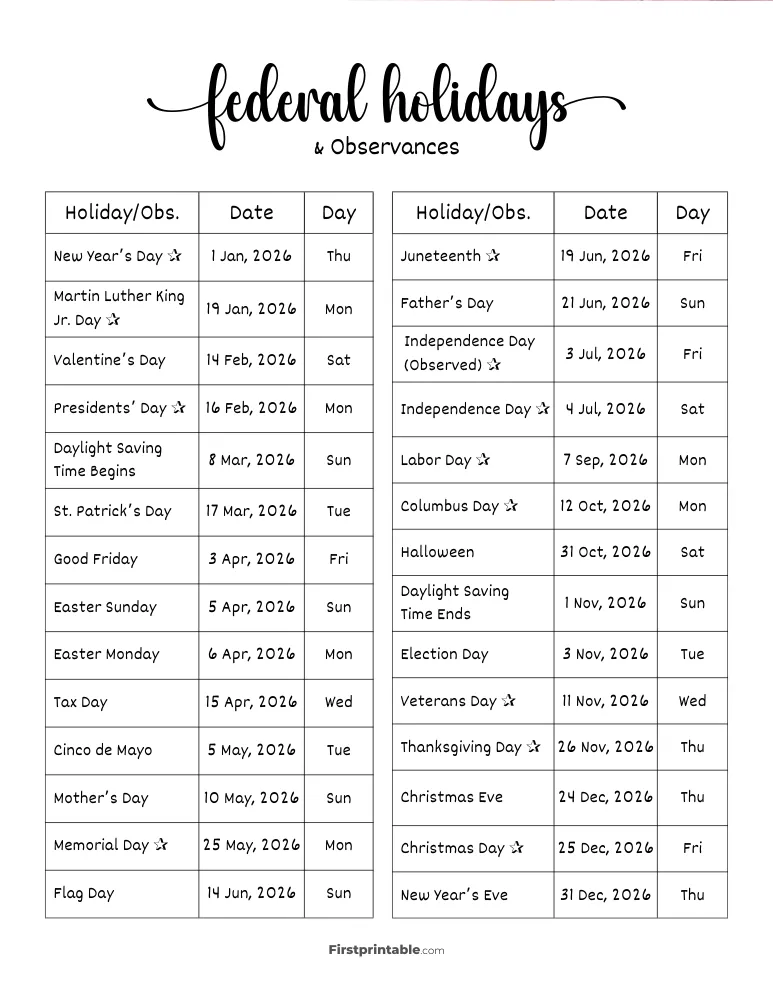
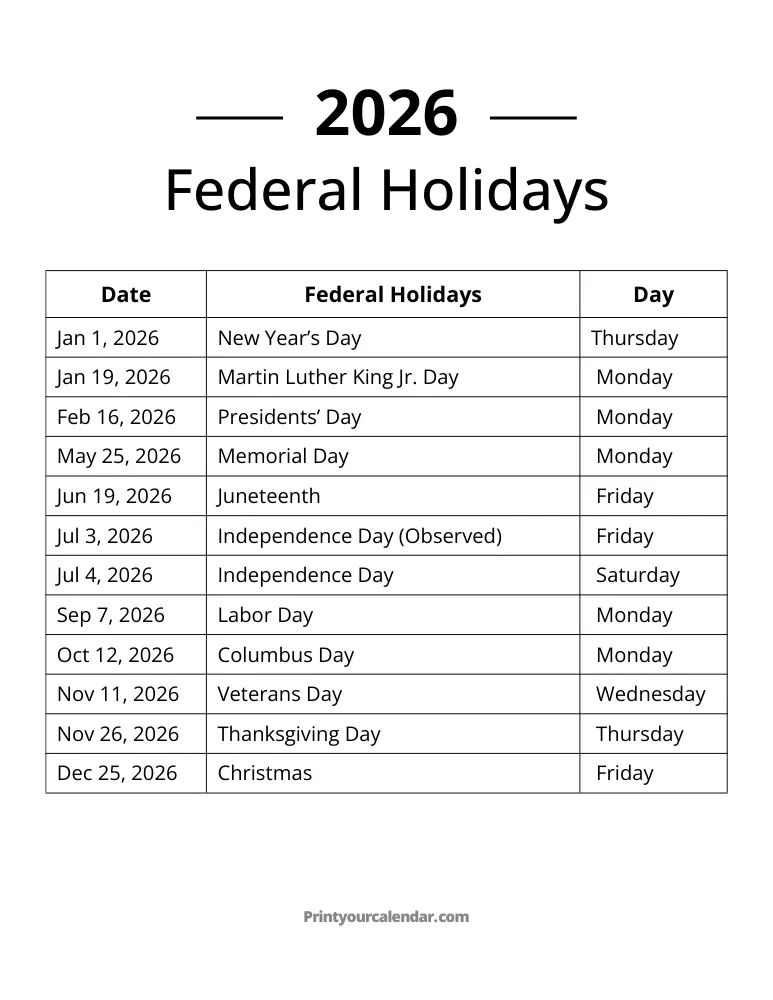
Here’s a complete list of the federal holidays observed by U.S. banks in 2026:
| Date | Day of Week | Holiday Name | Impact on Banking |
|---|---|---|---|
| January 1, 2026 | Thursday | New Year’s Day | Banks closed, Federal Reserve closed. |
| January 19, 2026 | Monday | Martin Luther King, Jr. Day | Banks closed, Federal Reserve closed. |
| February 16, 2026 | Monday | Washington’s Birthday (Presidents’ Day) | Banks closed, Federal Reserve closed. |
| May 25, 2026 | Monday | Memorial Day | Banks closed, Federal Reserve closed. |
| June 19, 2026 | Friday | Juneteenth National Independence Day | Banks closed, Federal Reserve closed. |
| July 3, 2026 | Friday | Independence Day (Observed) | Banks closed, Federal Reserve closed. (Actual July 4th is Saturday) |
| September 7, 2026 | Monday | Labor Day | Banks closed, Federal Reserve closed. |
| October 12, 2026 | Monday | Columbus Day / Indigenous Peoples’ Day | Banks closed, Federal Reserve closed. |
| November 11, 2026 | Wednesday | Veterans Day | Banks closed, Federal Reserve closed. |
| November 26, 2026 | Thursday | Thanksgiving Day | Banks closed, Federal Reserve closed. |
| December 25, 2026 | Friday | Christmas Day | Banks closed, Federal Reserve closed. |
Keep this table handy! It’s your quick reference for planning around potential banking interruptions throughout 2026.
What Happens When a Federal Holiday Falls on a Weekend?
This is a common question, and for good reason! Holidays don’t always conveniently land on a Monday. When a federal holiday occurs on a Saturday or Sunday, the observance date for federal employees (and, by extension, banks) typically shifts. This ensures that the impact of the holiday is still felt during a normal business week.
Saturday Observances: When Friday Becomes the Holiday
If a federal holiday falls on a Saturday, banks and the Federal Reserve will generally observe the holiday on the preceding Friday. For instance, if New Year’s Day were to fall on a Saturday, banks would be closed on Friday, December 31st.
Sunday Observances: When Monday Becomes the Holiday
Conversely, if a federal holiday falls on a Sunday, banks and the Federal Reserve will observe the holiday on the succeeding Monday. This means if Christmas Day were on a Sunday, banks would be closed on Monday, December 26th.
This rule is vital because it directly impacts when you can conduct in-person banking or expect electronic transactions to process. For 2026, Independence Day (July 4th) falls on a Saturday, which is why it is observed on Friday, July 3rd, for banking purposes. Keep this in mind when you’re looking at your calendar!
Practical Implications for Your Banking Needs
Understanding these weekend observance rules is more than just trivia; it’s practical. If you have a critical bill payment due or are expecting a direct deposit, knowing which day the holiday is *actually observed can prevent late fees or unexpected delays. Always check your specific bank’s official schedule if you’re unsure, especially around holidays that fall on weekends.
Impact of Bank Holidays on Your Finances and Transactions
Bank holidays are more than just a day off for bankers; they affect how money moves in our economy. Understanding these impacts is key to avoiding financial headaches.
Direct Deposits and Paychecks
Expecting your paycheck or a government benefit like Social Security? These often rely on ACH processing. If a bank holiday falls on your scheduled deposit day, or just before it, your funds might be delayed by one business day. Your employer or benefit provider usually anticipates this and might initiate the deposit earlier, but it’s not guaranteed. Always confirm with your employer or check your bank account the day before a holiday if you’re expecting a critical deposit.
ACH Transfers and Electronic Payments
ACH transactions, which include things like direct deposits, automatic bill payments, and person-to-person transfers, are processed in batches by the Federal Reserve. When the Fed is closed, ACH processing pauses. This means any ACH transaction initiated on or around a bank holiday will take longer to clear. A payment that normally takes 1-2 business days could take 2-3 business days if a holiday intervenes. Plan accordingly for any time-sensitive payments.
Wire Transfers
Wire transfers are faster than ACH, often clearing within the same business day. However, they are also highly dependent on banks and the Federal Reserve being open. If you send a wire transfer on a bank holiday, it won’t be processed until the next business day. Even if your bank’s online system allows you to initiate a wire, it won’t actually move* until the banks reopen. For urgent, large transfers, always schedule them well in advance of a holiday.
Branch Closures and ATM/Online Banking Availability
On federal bank holidays, physical bank branches are almost universally closed. This means no in-person deposits, withdrawals, loan applications, or customer service at the teller window. However, the good news is that your digital banking services remain fully operational. You can still:
- Access your account balances online or via mobile app.
- Make transfers between your own accounts.
- Pay bills using your bank’s online bill pay service (though the actual processing might be delayed).
- Deposit checks via mobile deposit (though processing time may vary).
- Withdraw cash from ATMs.
Essentially, anything that doesn’t require human intervention at the bank or interaction with the Federal Reserve’s payment systems will still be accessible.
Preparing for Bank Holidays: Smart Banking Strategies
Knowledge is power, especially when it comes to your money. With a clear understanding of the 2026 bank holidays, you can adopt some smart strategies to keep your finances running smoothly, regardless of closures.
Plan Ahead for Bill Payments and Deposits
This is the golden rule. If you have bills with strict due dates, especially those that involve physical checks or ACH transfers, try to schedule them to initiate at least 2-3 business days before a holiday. For expected deposits, keep an eye on your account the day before a holiday to confirm funds have arrived.
Utilize Digital Banking Tools
Your bank’s mobile app and online portal are your best friends during holidays. Need to check a balance? Transfer funds between your checking and savings? Make a mobile check deposit? These services are available 24/7, even when branches are closed. ATMs are also readily available for cash withdrawals and, in many cases, deposits.
Understand Transaction Cut-off Times
Even on regular business days, banks have cut-off times for certain transactions to be processed the same day. For example, a mobile deposit made after 5 PM might not process until the next business day. Around holidays, these cut-off times become even more critical. Familiarize yourself with your bank’s specific cut-off times for ACH, wire transfers, and mobile deposits to ensure your transactions are processed when you expect them to be.
Know Your Bank’s Specific Holiday Schedule (if different)
While the vast majority of U.S. banks follow the Federal Reserve schedule, there’s always a slight chance a smaller, local institution might have minor variations. It’s a good practice to bookmark or check your specific bank’s official website for their holiday schedule, particularly if you rely on their in-person services.
State-Specific Observances: Do They Affect Banks?
You might wonder about state holidays like Patriot’s Day in Massachusetts or Mardi Gras in Louisiana. While these are significant in their respective states and might lead to closures for local government offices or schools, they generally do not impact federally regulated banks. U.S. banks operate on the federal holiday schedule to maintain consistency across the national banking system. So, unless a state holiday is also a federal holiday, you can typically expect normal bank operations.
Beyond 2026: Staying Informed About Future Bank Holidays
The Federal Reserve provides the most reliable and official source for federal holiday schedules. You can always refer to the Federal Reserve System’s official website (frbservices.org) for their current and future holiday calendars. Most major banks also publish their holiday schedules well in advance on their websites, making it easy to plan for upcoming years.
By staying informed and leveraging the digital tools at your disposal, you can navigate bank holidays with ease, ensuring your financial life stays on track, whether it’s March 2026 or any other month of the year.
Frequently Asked Questions
Are there any federal bank holidays in March 2026?
No, there are no federal bank holidays observed in March 2026 in the United States. Banks will operate on their regular schedule throughout the month.
What is the difference between a bank holiday and a federal holiday?
In the U.S., a bank holiday almost always refers to a federal holiday. These are days recognized by the federal government, and most banks align their closure schedules with the Federal Reserve System, which observes federal holidays.
Will my direct deposit be delayed if there’s a bank holiday?
Yes, if your scheduled direct deposit day falls on a federal bank holiday, or the day immediately preceding it, your funds may be delayed by one business day. It’s always best to check with your employer or benefit provider or monitor your bank account.
What happens when a federal holiday falls on a weekend in 2026?
If a federal holiday falls on a Saturday, it is usually observed by banks on the preceding Friday. If it falls on a Sunday, it is observed on the succeeding Monday. For example, Independence Day (July 4th) 2026 is on a Saturday, so it will be observed by banks on Friday, July 3rd.
Can I still access my money or make transactions when banks are closed for a holiday?
Yes, while physical bank branches are closed on federal holidays, you can still access your accounts and perform many transactions using digital banking services (mobile apps, online portals) and ATMs. However, transactions like ACH transfers, direct deposits, and wire transfers will not process until the next business day.
Are state-specific holidays observed by U.S. banks?
Generally, no. Federally regulated banks in the U.S. primarily follow the federal holiday schedule. State-specific holidays typically do not impact the operating hours or transaction processing of commercial banks, though local government offices might close.
Where can I find the official 2026 bank holiday schedule?
The most official source for federal holiday schedules is the Federal Reserve System’s website (frbservices.org). Most major banks also publish their specific holiday schedules on their official websites.
