Your Ultimate Guide to the March 2026 Full Moon in Melbourne, Australia
There’s something undeniably captivating about a full moon. It hangs in the night sky, a luminous beacon that has inspired poets, scientists, and dreamers for millennia. If you’re looking to experience this celestial spectacle in March 2026, specifically from the vibrant city of Melbourne, Australia, you’ve come to the right place. We’re cutting through the noise and confusion (yes, there’s another Melbourne in Florida!) to give you precise, actionable information.
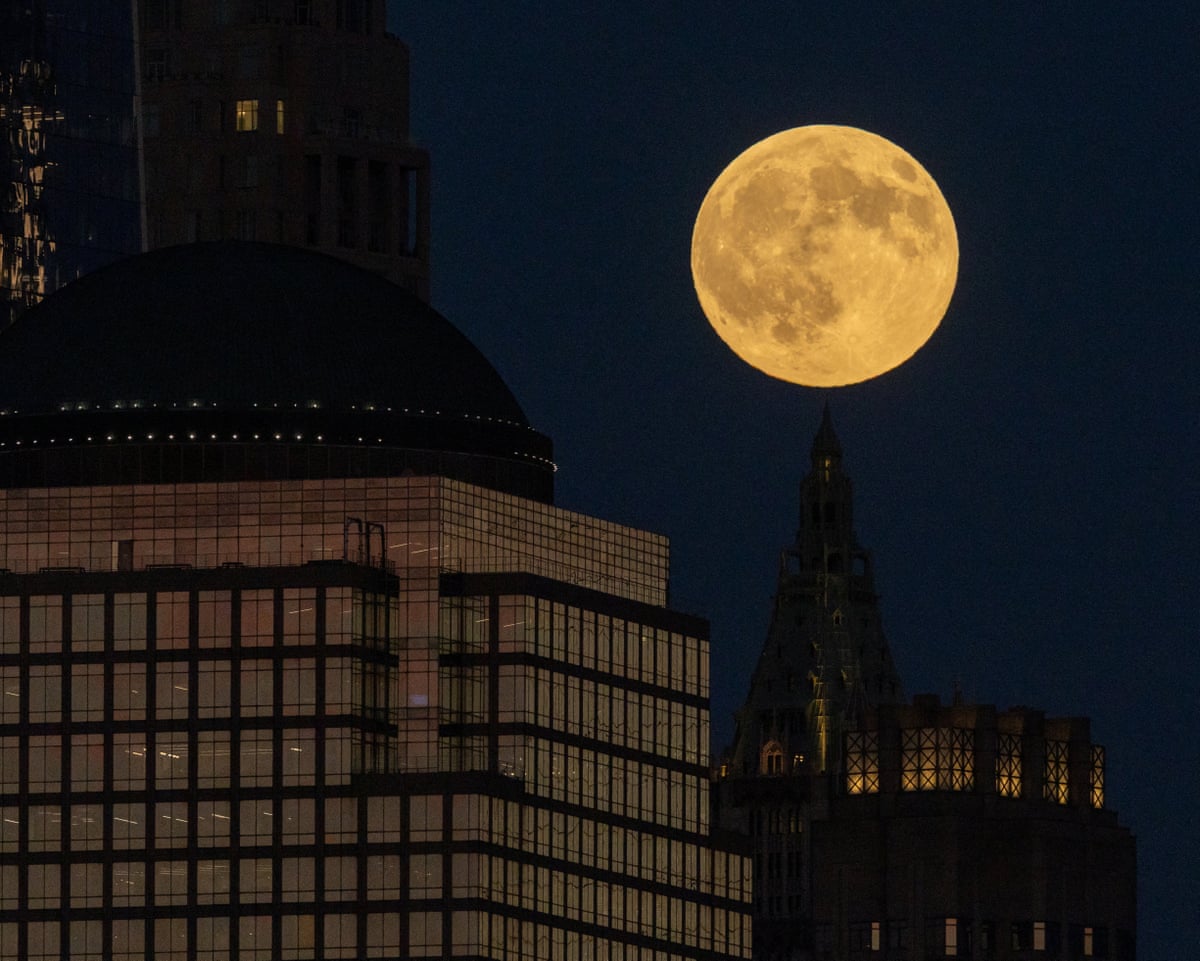
This guide isn’t just about a date and time; it’s your go-to resource for understanding the March 2026 Full Moon – fondly known as the Worm Moon – its unique characteristics, and how you can best enjoy its brilliance from down under.
The March 2026 Full Moon in Melbourne: Everything You Need to Know
Let’s get straight to the point. When you ask about the Full Moon in Melbourne in March 2026, you’re asking about a specific, powerful moment in the lunar cycle. Forget generic calendars; here are the exact details tailored for Melbourne, Australia, including conversions for our friends in the USA.
The Key Details At a Glance:
- Date: Tuesday, March 3, 2026
- Melbourne Local Time: 10:39 PM AEDT (Australian Eastern Daylight Time)
- Universal Time Coordinated (UTC): 11:39 AM UTC
- Moon Name: The Worm Moon
- Significance: Marks a time of culmination, illumination, and often, high tides.
To help our international audience, especially those in the United States, here’s a breakdown of the exact moment the moon reaches its fullest phase, adjusted for various US time zones:
| Detail | Value |
|---|---|
| Full Moon Date (Melbourne) | Tuesday, March 3, 2026 |
| Local Time (Melbourne, AEDT) | 10:39 PM |
| Universal Time Coordinated (UTC) | 11:39 AM UTC |
| Eastern Standard Time (EST/EDT) | 6:39 AM EDT |
| Central Standard Time (CST/CDT) | 5:39 AM CDT |
| Mountain Standard Time (MST/MDT) | 4:39 AM MDT |
| Pacific Standard Time (PST/PDT) | 3:39 AM PDT |
| Moon Name | Worm Moon |
| Visibility from Melbourne | Excellent, weather permitting, as it rises in the East. |
What Makes the March 2026 Full Moon Special? The “Worm Moon” and Beyond
Every full moon carries its own charm and ancient name, connecting us to cycles of nature and human history. The March full moon is no exception.
The “Worm Moon” Explained
The name Worm Moon is a traditional one, originating from Native American cultures. It marks the time when the ground begins to thaw after winter, and earthworms start to emerge, signaling the return of migrating birds and the start of spring in the Northern Hemisphere. While Melbourne, being in the Southern Hemisphere, experiences autumn in March, the name has stuck globally for this particular lunation.
It’s a beautiful reminder of the interconnectedness of our planet’s seasons and the celestial calendar, even if the direct seasonal interpretation flips for those of us south of the equator. For Australians, it often brings cooler, crisp evenings perfect for stargazing before the full chill of winter sets in.
Is There a Lunar Eclipse in March 2026?
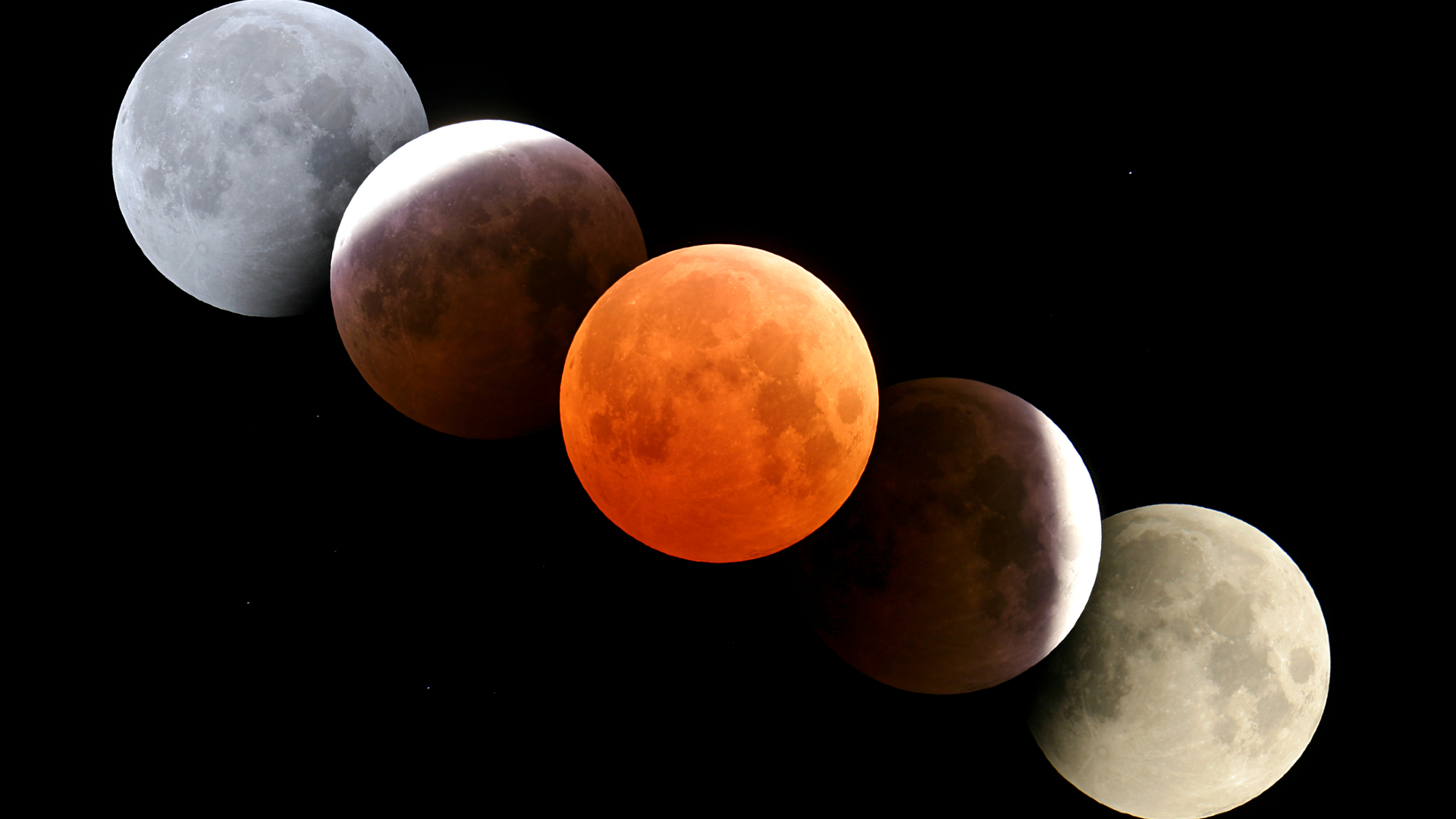
This is a critical question, as some sources hint at an eclipse around this time. For the March 3, 2026 Full Moon, there is indeed a significant celestial event linked: a Total Lunar Eclipse. This means the Earth will pass directly between the Sun and the Moon, casting a shadow that turns the Moon a stunning reddish hue – often called a “Blood Moon.”
However, while the eclipse *occurs* on March 3, 2026, its visibility is not universal. Crucially for our Melbourne audience, the Total Lunar Eclipse of March 3, 2026, will NOT be visible from Melbourne, Australia. It will primarily be visible from parts of North and South America, the Atlantic Ocean, and Western Europe. So, while the full moon itself will be a brilliant spectacle, don’t expect the reddish glow of an eclipse from Melbourne on this particular night.
Understanding the Full Moon Phenomenon
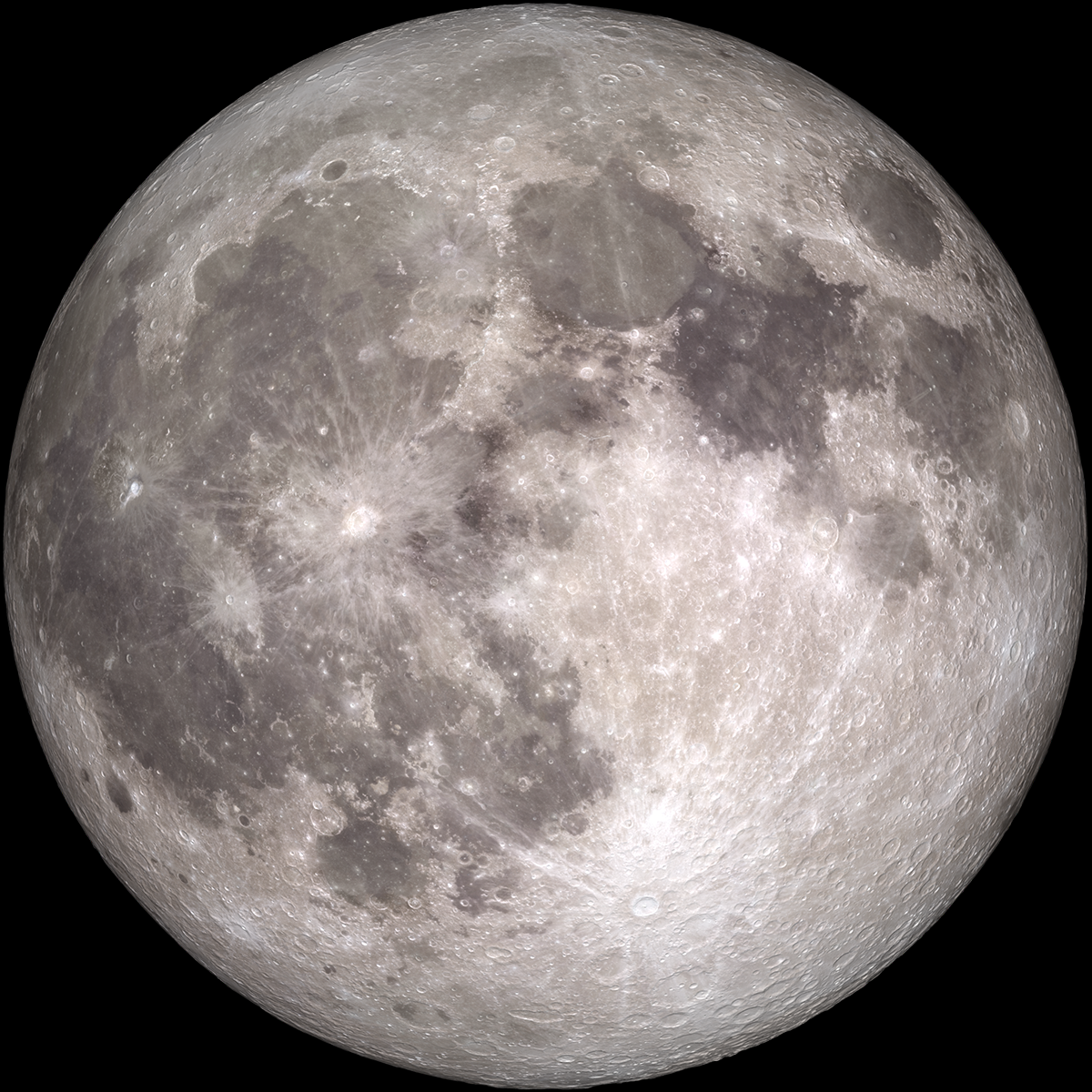
A full moon occurs when the Moon is on the opposite side of the Earth from the Sun. This alignment means that the entire face of the Moon is illuminated by direct sunlight, making it appear as a perfect, bright disk in our sky. It’s a phase of maximum illumination and maximum gravitational pull, contributing to spring tides.
While the exact moment of ‘fullness’ is instantaneous, the Moon appears full to the naked eye for about three days around this peak, making it a fantastic few evenings for observation.
Planning Your Melbourne Full Moon Experience: Best Viewing Spots & Tips
Melbourne offers some fantastic vantage points to soak in the beauty of the full moon. Here’s how to make the most of your observation.
Top Spots in Melbourne for Moon Gazing
Melbourne’s diverse landscape, from its urban core to its natural coastal areas, provides several excellent locations for full moon viewing:
- St Kilda Beach: With its expansive views over Port Phillip Bay, St Kilda Beach offers an unobstructed horizon to watch the moon rise dramatically over the water. Grab a spot on the sand or the pier.
- Yarra River Precinct: Anywhere along the Yarra River, particularly around Southbank or near the city bridges, can provide a beautiful backdrop for the moon’s glow reflecting on the water.
- Royal Botanic Gardens Victoria (Melbourne Gardens): While the gardens might have restricted access at night, nearby elevated spots or open areas can offer tranquil, clear views, away from some of the city’s direct light pollution.
- Mount Dandenong Ranges: For those willing to drive a bit out of the city, the Dandenongs offer higher elevations and significantly less light pollution, providing a truly spectacular view of the moon against a darker sky.
- Melbourne Planetarium at Scienceworks: While primarily an indoor experience, checking their event schedule for outdoor viewing nights or lectures around the full moon could be a unique opportunity. Even if no event, the open grounds might offer a decent view.
Weather Watch: Melbourne’s Climate in March
March in Melbourne typically marks the transition from summer to autumn. You can expect:
- Temperatures: Generally mild, with average highs around 20-25°C (68-77°F) and lows around 12-15°C (54-59°F). Evenings can be cool, so bring a light jacket.
- Rainfall: March can be a bit unpredictable. While not the wettest month, occasional showers are possible.
- Cloud Cover: This is the wildcard for any celestial observation. Check local weather forecasts (Bureau of Meteorology – BOM is excellent for Australia) closer to March 3, 2026, for real-time cloud predictions.
A clear night sky is essential for the best viewing experience. Keep an eye on those forecasts!
Essential Viewing Tips
- Timing is Everything: The moon rises in the east. Be ready shortly after sunset to catch it low on the horizon, often appearing larger due to the ‘moon illusion’.
- Find Darker Skies: While city views are beautiful, less light pollution always enhances the moon’s details and surrounding stars.
- Binoculars or Telescope: Even a basic pair of binoculars will reveal stunning details on the lunar surface – craters, maria (dark plains), and mountain ranges. A telescope will, of course, offer even more magnification and clarity.
- Lunar Apps: Download a moon phase or stargazing app (like SkyView Lite, Star Walk, or Moon Phases) for your phone. They can help you locate the moon, identify phases, and track its path.
- Patience: Give your eyes time to adjust to the darkness (at least 15-20 minutes) for optimal night vision.
Capturing the Magic: Basic Full Moon Photography
Want to immortalize the Worm Moon? Full moon photography can be challenging but rewarding:
- Tripod: Essential for sharp images, especially with longer exposures.
- Long Lens: A telephoto lens (200mm or more) will help fill the frame with the moon.
- Manual Settings:
- ISO: Keep it low (100-400) to minimize noise.
- Aperture: Start around f/8 to f/11 for good depth of field on the moon’s surface.
- Shutter Speed: This is key. The moon is bright! Start with something fast, like 1/125th or 1/250th of a second, and adjust based on your results.
- Focus: Use manual focus and zoom in on the moon to achieve sharp focus.
- Remote Shutter: Prevents camera shake.
The Full Lunar Cycle: Melbourne Moon Phases in March 2026
While the full moon is the star, it’s just one point in a dynamic monthly cycle. Here’s how the other moon phases will unfold in Melbourne during March 2026:
| Moon Phase | Date (Melbourne) | Time (Melbourne, AEDT) |
|---|---|---|
| Full Moon | Tuesday, March 3, 2026 | 10:39 PM |
| Last Quarter | Wednesday, March 11, 2026 | 2:00 PM |
| New Moon | Wednesday, March 18, 2026 | 10:02 AM |
| First Quarter | Thursday, March 26, 2026 | 4:29 AM |
Melbourne’s Full Moons Throughout 2026: Your Annual Calendar
For those planning ahead or curious about other full moon opportunities in Melbourne throughout 2026, here’s a comprehensive calendar. Each full moon has its own traditional name, often linked to the seasons of the Northern Hemisphere, but universally recognized.
| Month | Date (Melbourne) | Time (Melbourne, AEDT/AEST) | Moon Name |
|---|---|---|---|
| January | Saturday, January 3 | 6:09 AM AEDT | Wolf Moon |
| February | Sunday, February 1 | 8:43 PM AEDT | Snow Moon |
| March | Tuesday, March 3 | 10:39 PM AEDT | Worm Moon |
| April | Thursday, April 2 | 1:23 PM AEST | Pink Moon |
| May | Saturday, May 2 | 1:23 AM AEST | Flower Moon |
| June | Sunday, May 31 | 10:12 PM AEST | Strawberry Moon |
| July | Tuesday, July 29 | 8:01 AM AEST | Buck Moon |
| August | Thursday, August 28 | 8:27 PM AEST | Sturgeon Moon |
| September | Saturday, September 27 | 7:01 AM AEST | Harvest Moon |
| October | Sunday, October 26 | 4:38 PM AEDT | Hunter’s Moon |
| November | Tuesday, November 25 | 12:35 AM AEDT | Beaver Moon |
| December | Wednesday, December 24 | 6:08 AM AEDT | Cold Moon |
Note: AEDT (Australian Eastern Daylight Time) is UTC+11. AEST (Australian Eastern Standard Time) is UTC+10. Melbourne switches from Daylight Saving to Standard Time in early April.
Cultural & Astrological Significance of the Full Moon
Beyond its scientific explanation, the full moon holds a profound place in human culture, mythology, and even modern wellness practices.
In many ancient traditions, the full moon was seen as a time of heightened energy, illumination, and completion. Farmers observed it to guide planting and harvesting, while many cultures celebrated with rituals and ceremonies. Today, people often report feeling more energetic, emotional, or reflective during this phase. Astrologically, the full moon is often associated with bringing matters to a head, revealing hidden truths, and providing an opportunity for release and reflection.
Whether you approach it with scientific curiosity or spiritual reverence, the March 2026 Worm Moon in Melbourne offers a potent moment to pause, look up, and connect with the rhythms of our cosmos.
So, mark your calendars for Tuesday, March 3, 2026, at 10:39 PM AEDT. Find your favorite spot in Melbourne, look to the sky, and immerse yourself in the luminous beauty of the Worm Moon. It’s a moment that connects us all, across continents and through time.
Frequently Asked Questions
When exactly is the Full Moon in Melbourne in March 2026?
The Full Moon in Melbourne, Australia, in March 2026 will occur on Tuesday, March 3, 2026, at 10:39 PM AEDT (Australian Eastern Daylight Time).

What is the ‘Worm Moon’?
The ‘Worm Moon’ is the traditional name for the full moon in March, originating from Native American cultures. It signifies the time when earthworms begin to emerge as the ground thaws in the Northern Hemisphere, indicating the onset of spring. This name is used globally for the March full moon, regardless of local seasonal changes.
Will there be a lunar eclipse visible from Melbourne in March 2026?
No, while a Total Lunar Eclipse will occur on March 3, 2026, during this full moon, it will not be visible from Melbourne, Australia. The eclipse will primarily be observable from North and South America, the Atlantic Ocean, and Western Europe.
What are the best places to view the Full Moon in Melbourne?
Great spots to view the full moon in Melbourne include St Kilda Beach for open horizon views, along the Yarra River for city reflections, or heading out to the Mount Dandenong Ranges for darker skies and higher elevation. Check local conditions for optimal viewing.
How can I calculate the Full Moon time for my own location in the USA?
The precise moment of the March 2026 Full Moon is 11:39 AM UTC (Universal Time Coordinated). To find your local time, subtract your UTC offset. For example, EST is UTC-5, so the full moon would be 6:39 AM EDT (assuming Daylight Saving is active in March).
Is Melbourne, Australia, different from Melbourne, Florida, for moon phases?
Yes, absolutely! While the global event of a full moon occurs at the same universal time, the local date and time will be significantly different due to the vast time zone difference between Melbourne, Australia, and Melbourne, Florida, USA. This guide focuses specifically on Melbourne, Australia.
What other full moons are there in 2026 for Melbourne?
2026 features a full moon almost every month. Some highlights include the Wolf Moon in January, Pink Moon in April, Strawberry Moon in June, and Harvest Moon in September. Refer to the comprehensive ‘Melbourne’s Full Moons Throughout 2026: Your Annual Calendar’ table in this guide for all dates and times.
