The March 2026 Full Moon in New Zealand: Your Guide to the ‘Worm Moon’ Total Lunar Eclipse
Get ready for a celestial showstopper! The Full Moon in March 2026 isn’t just another lunar cycle; it’s a monumental event featuring a Total Lunar Eclipse, perfectly positioned for observers in the breathtaking landscapes of New Zealand. If you’re an astronomy enthusiast, a casual stargazer, or simply curious about the cosmos, mark your calendars. This is your definitive guide to understanding, appreciating, and experiencing the ‘Worm Moon’ eclipse from the Southern Hemisphere’s enchanting shores.

While the ‘Worm Moon’ traditionally signals spring’s arrival in the Northern Hemisphere, for New Zealand, it ushers in the vibrant colors of autumn. But what makes this particular full moon truly special is the rare alignment that will plunge our lunar neighbor into Earth’s shadow, painting it a striking shade of red. Let’s dive into the details!
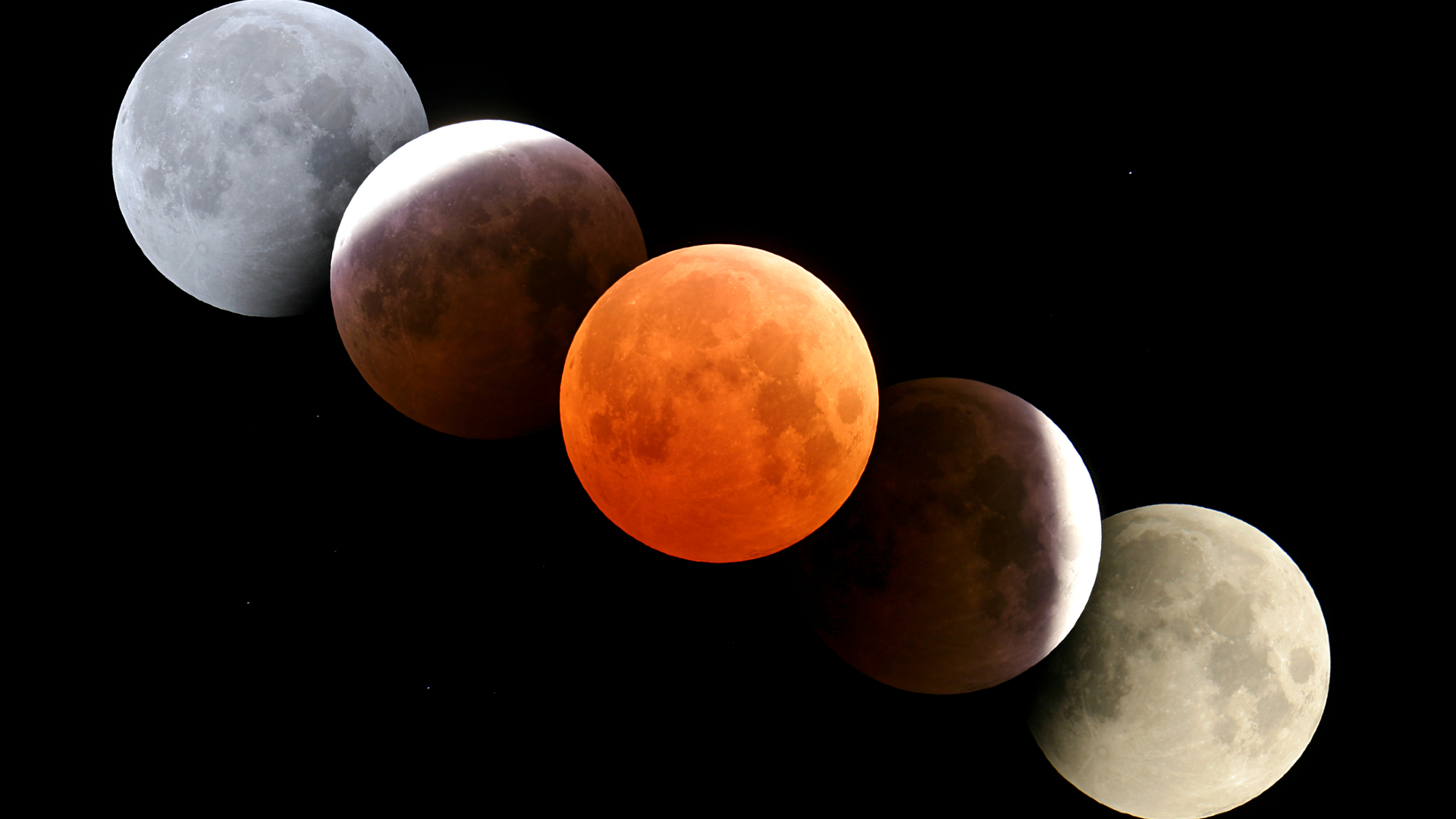
The March 2026 Full Moon in New Zealand: Key Details At a Glance
You want the crucial info first? I get it. Here’s a quick rundown of what you need to know about the March 2026 Full Moon in New Zealand:
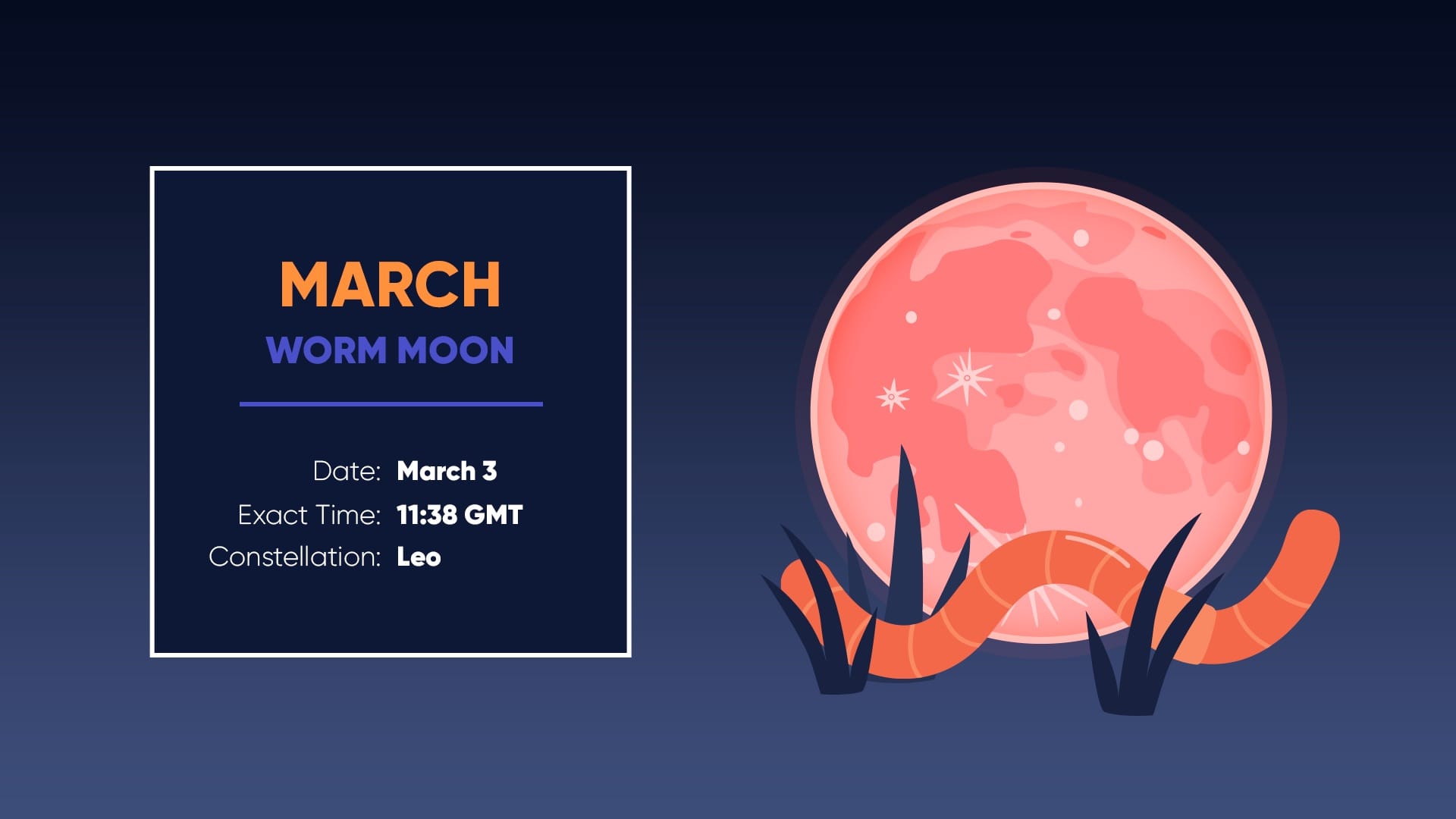
- Full Moon Date: Wednesday, March 4, 2026 (NZDT)
- Peak Illumination: 12:38 AM NZDT on March 4th
- Common Name: The ‘Worm Moon‘ (Northern Hemisphere tradition)
- Special Event: A spectacular Total Lunar Eclipse
- Visibility: Excellent for all of New Zealand, weather permitting
This isn’t just a full moon; it’s a full moon with a captivating total lunar eclipse, promising a visual treat for anyone under the New Zealand sky. And don’t worry, even if you’re viewing from afar, I’ll explain how you can still connect with this remarkable phenomenon.
Unpacking the Total Lunar Eclipse of March 3-4, 2026
The star of the show for this March Full Moon is undoubtedly the total lunar eclipse. It’s a truly mesmerizing event that transforms our familiar bright Moon into a dramatic, often reddish, orb. Let’s break down what’s happening.
What is a Total Lunar Eclipse?
Imagine the Earth, Sun, and Moon aligning in a cosmic dance. A total lunar eclipse occurs when the Earth passes directly between the Sun and the Moon, casting a shadow that completely engulfs the Moon. Unlike a solar eclipse, where the Moon blocks the Sun, a lunar eclipse sees the Earth block sunlight from reaching the Moon.
Our planet creates two parts to its shadow: the outer, fainter penumbra, and the inner, darker umbra. During a total lunar eclipse, the Moon fully enters the Earth’s umbra. It’s a gradual process, but when the Moon is deep within the umbra, that’s when the real magic happens.
The ‘Blood Moon’ Phenomenon: Why It Turns Red
This is arguably the most captivating aspect of a total lunar eclipse. Instead of disappearing entirely, the Moon often takes on a stunning coppery, orange, or deep red hue – earning it the popular moniker ‘Blood Moon.’ So, why the dramatic color change?
It’s all thanks to Earth’s atmosphere. Even when the Moon is completely within our planet’s shadow, some sunlight still manages to reach it. This sunlight is refracted, or bent, by Earth’s atmosphere. Shorter wavelengths of light (like blue and violet) are scattered away more easily (this is why our sky is blue!), leaving longer wavelengths (like red and orange) to penetrate through. Essentially, you’re seeing all the sunrises and sunsets on Earth projected onto the Moon’s surface.
The exact shade of red can vary. Factors like dust, clouds, and even recent volcanic activity in Earth’s atmosphere can influence how light is scattered, leading to a spectrum of colors from bright orange to deep, dark crimson. Observers in New Zealand in March 2026 should prepare for a truly unique and visually rich experience.
Eclipse Timings: A Detailed Look for New Zealand (NZDT)
For those in New Zealand, the eclipse will unfold throughout the early morning hours of March 4th, 2026. Here are the precise timings, in New Zealand Daylight Time (NZDT), to help you plan your viewing:
| Eclipse Stage | Date (NZDT) | Time (NZDT) | What You’ll See |
|---|---|---|---|
| Penumbral Eclipse Begins | March 4, 2026 | 09:41 PM (March 3) | Moon enters Earth’s faint outer shadow; very subtle darkening, hard to notice. |
| Partial Eclipse Begins | March 4, 2026 | 10:52 PM (March 3) | Moon enters Earth’s dark inner shadow (umbra); noticeable darkening starts, like a ‘bite’ taken out. |
| Total Eclipse Begins | March 4, 2026 | 00:09 AM | Moon fully immersed in umbra; ‘Blood Moon’ effect begins, dramatic coloration. |
| Maximum Eclipse | March 4, 2026 | 00:38 AM | Deepest coloration, peak of the ‘Blood Moon’ phenomenon. |
| Total Eclipse Ends | March 4, 2026 | 01:08 AM | Moon begins to exit umbra; bright edge reappears. |
| Partial Eclipse Ends | March 4, 2026 | 02:25 AM | Moon fully exits umbra; still in penumbra. |
| Penumbral Eclipse Ends | March 4, 2026 | 03:36 AM | Moon fully exits Earth’s shadow; returns to normal brightness. |
As you can see, the total phase of the eclipse lasts for nearly an hour, giving you ample time to soak in the beauty. The partial phases preceding and following this offer a fascinating transition, showing the Earth’s shadow creeping across the lunar surface.
Global Perspective: How US Observers Can Experience It (Even From Afar)
For our friends in the USA, this total lunar eclipse is unfortunately not directly visible due to time zones and Earth’s rotation. When it’s nighttime in New Zealand, it’s daytime (or the previous day’s evening) across most of the United States. However, that doesn’t mean you have to miss out entirely!
Here’s how you can still connect with this incredible event:
- Time Zone Conversion: The maximum eclipse in New Zealand is at 00:38 AM NZDT on March 4th. To convert this, remember NZDT is UTC+13. For example:
- Eastern Standard Time (EST) / UTC-5: March 3, 2026, 7:38 AM
- Central Standard Time (CST) / UTC-6: March 3, 2026, 6:38 AM
- Mountain Standard Time (MST) / UTC-7: March 3, 2026, 5:38 AM
- Pacific Standard Time (PST) / UTC-8: March 3, 2026, 4:38 AM
As you can see, for much of the US, the eclipse occurs during daylight hours or before dawn, making direct observation impossible.
- Live Streams: Many observatories and astronomy enthusiasts in New Zealand (or those traveling there) will likely host live webcasts of the eclipse. Keep an eye on reputable astronomy websites and YouTube channels as the date approaches. This is an excellent way to experience the event in real-time, regardless of your geographical location.
- Post-Event Coverage: The internet will be awash with stunning photographs and videos after the event. You can still marvel at the beauty and learn from the scientific observations captured by those on the ground.
So, while you might not be able to step outside and see it with your own eyes, the global community of sky-watchers ensures that you can still be a part of the ‘Worm Moon’ total lunar eclipse experience.
The ‘Worm Moon’: Names, Lore, and Meaning
Every full moon has a name, often rooted in ancient traditions and seasonal changes. The March Full Moon is famously known as the ‘Worm Moon.’ Let’s explore its origins and deeper significance.
Origins of the ‘Worm Moon’ Name
The name ‘Worm Moon’ primarily originates from various Native American tribes, particularly in the northern and eastern parts of what is now the United States. It signified the softening of the ground after winter’s thaw, allowing earthworms to emerge and birds to feed – a clear sign of spring’s return.
Other cultures have their own names for the March Full Moon:
- Crow Moon: Reflecting the cawing of crows signaling the end of winter.
- Sap Moon: Marking the time when maple sap begins to flow.
- Lenten Moon: A European Christian name, falling during the Christian observance of Lent.
- Chaste Moon: Emphasizing purity and new beginnings.
For New Zealand, being in the Southern Hemisphere, March signals the onset of autumn, not spring. While the traditional ‘Worm Moon’ name doesn’t directly align with New Zealand’s seasonal changes, it’s still widely used by global astronomy communities. It serves as a reminder of the rich tapestry of human connection to lunar cycles across different cultures and geographies.
Spiritual and Astrological Significance of March’s Full Moon in Leo
Beyond the scientific spectacle, many people find spiritual and astrological meaning in the full moon. The March 2026 Full Moon will occur in the zodiac sign of Leo. This combination brings a potent mix of energies.
Full Moons are traditionally times of culmination, release, and illumination. They bring things to light, often highlighting what needs to be let go of or celebrated. When the Full Moon is in fiery Leo, these themes are amplified:
- Leo’s Influence: Leo is a sign associated with the heart, courage, self-expression, creativity, passion, and generosity. It’s about being seen, leading with confidence, and embracing your unique light.
- Emotional Intensity: Full Moons can heighten emotions, and with Leo’s dramatic flair, you might feel a surge of energy related to your personal identity, desires, or creative projects.
- Release and Recognition: This could be a powerful time to release self-doubt or fears that hold you back from shining. It’s also an excellent period for recognizing your own accomplishments and the creative spark within you.
- The Eclipse Amplification: A total lunar eclipse adds an extra layer of intensity and destiny to these energies. Eclipses are often seen as cosmic reset buttons, accelerating changes and revealing hidden truths. For this Leo Full Moon, it might bring a sudden awareness or a pivotal moment related to your personal power, creative path, or how you express love and joy.
Consider using this time for introspection. What parts of yourself are you ready to boldly express? What old narratives about your worthiness or creativity are you ready to eclipse from your life? The March 2026 Full Moon in Leo, amplified by the total lunar eclipse, invites you to step into your authentic power.
Best Places to Witness the Full Moon and Eclipse in New Zealand
New Zealand is renowned globally for its pristine, dark night skies, making it an exceptional location for stargazing and lunar eclipse viewing. If you’re fortunate enough to be there, here are some tips for finding the best spots:
- Aoraki Mackenzie International Dark Sky Reserve: This is arguably the premier stargazing destination in New Zealand, encompassing Tekapo, Twizel, and Mount Cook Village. Its strict light pollution controls offer unbelievably clear views of the night sky, making it perfect for the eclipse.
- Rural and Coastal Areas: Generally, any location away from major city lights will provide a significantly better viewing experience. Head to beaches, national parks, or remote countryside.
- High Elevations: Mountainous areas often offer clearer air and an unobstructed horizon, though weather can be more unpredictable.
- Specific Cities (with precautions): Even in cities like Auckland, Wellington, or Christchurch, you can still see the eclipse. However, you’ll need to seek out parks or open spaces that offer a clear view of the sky, preferably away from direct streetlights. Get to higher ground if possible to avoid immediate light pollution.
Remember, the Moon will be high in the sky during the total eclipse phase, so a clear horizon isn’t as critical as it would be for a moonrise or moonset. The most important factors are minimal light pollution and clear weather.
Preparing for the Celestial Spectacle: Your Viewing Checklist
To make the most of your eclipse viewing experience in New Zealand, a little preparation goes a long way. Here’s a checklist:
- Check the Weather: This is paramount! Clear skies are essential. Monitor local weather forecasts in the days leading up to March 4th.
- Location, Location, Location: As discussed, choose a spot with minimal light pollution and an unobstructed view.
- Warm Clothing: Even though March is autumn in New Zealand, nights can get chilly, especially in the early morning hours. Dress in layers.
- Comfortable Seating: A reclining chair or blanket will make a long viewing session much more enjoyable.
- Binoculars or a Telescope: While the eclipse is easily visible with the naked eye, binoculars will dramatically enhance the view, allowing you to see the Moon’s craters and surface details even through the Earth’s shadow. A small telescope will offer even more detail.
- Red-Light Torch: A regular flashlight will ruin your night vision. Use a headlamp or torch with a red-light setting to navigate without impairing your ability to see the subtle details of the eclipse.
- Snacks and Hot Drinks: Keep yourself fueled and warm during the long night.
- Camera Gear: If you’re into astrophotography, plan your shots! A sturdy tripod and a camera with manual settings are essential. The changing light levels during an eclipse require dynamic adjustments.
- Companions: Sharing the experience with friends or family makes it even more memorable.
Unlike solar eclipses, lunar eclipses are perfectly safe to view with the naked eye. No special filters are required!
2026 Full Moon Calendar: A Glimpse Beyond March (New Zealand Focus)
The March ‘Worm Moon’ eclipse is certainly a highlight, but 2026 offers other fascinating full moon events for New Zealand observers. Here’s a look at the full moons throughout the year:

| Month | Full Moon Name | Date (NZDT/NZST) | Key Event/Notes |
|---|---|---|---|
| January | Wolf Moon | January 3, 2026 | Often associated with howling wolves. |
| February | Snow Moon | February 1, 2026 | Typically the snowiest month in Northern Hemisphere. |
| March | Worm Moon | March 4, 2026 | Total Lunar Eclipse! (Peak 00:38 AM NZDT) |
| April | Pink Moon | April 1, 2026 | Named after early spring flowers. |
| May | Flower Moon | May 31, 2026 | Abundance of blossoms. Also a Blue Moon (second full moon in a calendar month). |
| June | Strawberry Moon | June 30, 2026 | Harvesting season for strawberries. |
| July | Buck Moon | July 29, 2026 | New antlers emerge on male deer. |
| August | Sturgeon Moon | August 28, 2026 | Best time to catch sturgeon fish. |
| September | Harvest Moon | September 27, 2026 | Closest full moon to the autumn equinox. |
| October | Hunter’s Moon | October 27, 2026 | Time for hunting in preparation for winter. |
| November | Beaver Moon | November 25, 2026 | Beavers preparing for winter, trapping season. |
| December | Cold Moon | December 25, 2026 | Long, cold winter nights. |
As you can see, 2026 promises a year full of lunar wonders, with March’s total eclipse being a particularly spectacular highlight. Don’t forget the May ‘Blue Moon’ which adds another layer of intrigue to the calendar!
Embrace the Celestial Magic
The March 2026 Full Moon, the ‘Worm Moon,’ is much more than just a date on the calendar. It’s a rare and beautiful total lunar eclipse, offering a chance to connect with the cosmos in a profound way. Whether you’re planning a trip to New Zealand to witness the ‘Blood Moon’ firsthand or observing from afar via live stream, the power and majesty of this celestial event are undeniable.
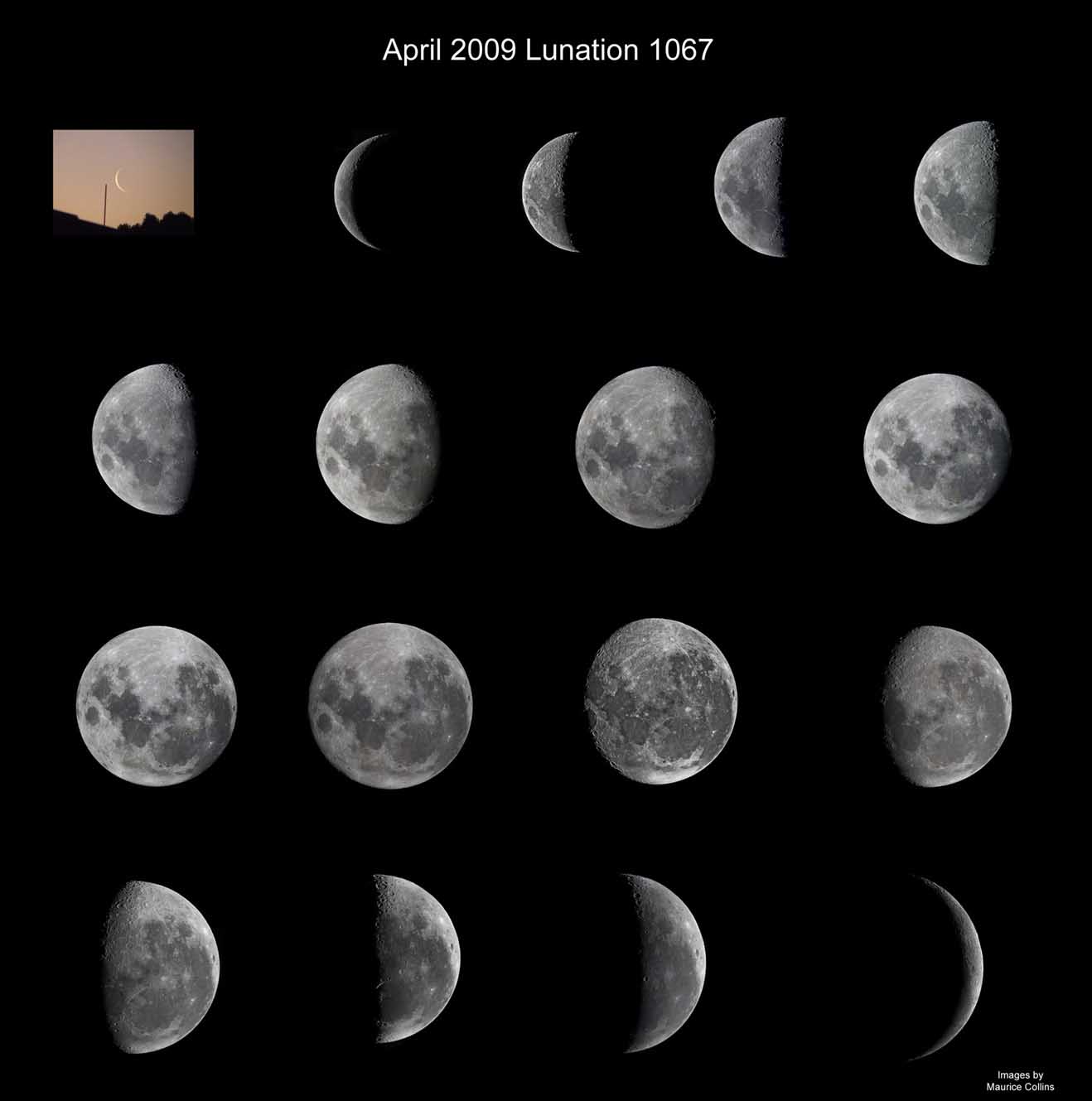
Take a moment to look up, reflect on the ancient traditions, and marvel at the intricate dance of our solar system. The universe is always putting on a show, and March 2026 is one you won’t want to miss!
Frequently Asked Questions
When is the Full Moon in March 2026 visible in New Zealand?
The Full Moon in March 2026 will reach peak illumination at 12:38 AM NZDT on Wednesday, March 4, 2026. This full moon is also accompanied by a total lunar eclipse, making it a spectacular event throughout the early morning hours of March 4th.
What is special about the March 2026 Full Moon in New Zealand?
The March 2026 Full Moon in New Zealand is special because it will feature a Total Lunar Eclipse. During this event, the Moon will pass completely into Earth’s shadow, likely taking on a dramatic red or coppery hue, often referred to as a ‘Blood Moon.’
Will the Total Lunar Eclipse be visible from the USA?
No, the Total Lunar Eclipse of March 3-4, 2026, will not be directly visible from the United States. Due to time zone differences, the eclipse will occur during daylight hours or before dawn across most of the USA. However, you can likely experience it via live streams from New Zealand.
What is the ‘Worm Moon’?
The ‘Worm Moon’ is the traditional name for the March Full Moon, originating from Native American tribes. It signifies the softening of the ground after winter, allowing earthworms to emerge and birds to feed, marking the return of spring in the Northern Hemisphere. While March is autumn in New Zealand, the name is globally recognized.
Do I need special equipment to view the lunar eclipse?
No, you do not need special equipment to view a lunar eclipse; it is perfectly safe to observe with the naked eye. However, binoculars or a small telescope will greatly enhance your viewing experience, allowing you to see more surface details and the subtle colors of the ‘Blood Moon’ effect.
What is the astrological significance of the March 2026 Full Moon?
The March 2026 Full Moon occurs in the zodiac sign of Leo. Astrologically, Full Moons are about culmination and release. With Leo’s influence, this Full Moon, especially amplified by the eclipse, may bring powerful energies related to self-expression, creativity, courage, and letting go of what hinders your personal shine.
