The March 2026 “Worm Blood Moon” Total Lunar Eclipse: Your Ultimate Guide
Get ready, skygazers! March 2026 is bringing a truly spectacular celestial show: a Total Lunar Eclipse, affectionately known as the “Blood Moon,” coinciding with the traditional “Worm Moon.” This isn’t just any full moon; it’s a rare opportunity to witness Earth cast its deep, reddish shadow directly across our lunar neighbor, creating a breathtaking visual.
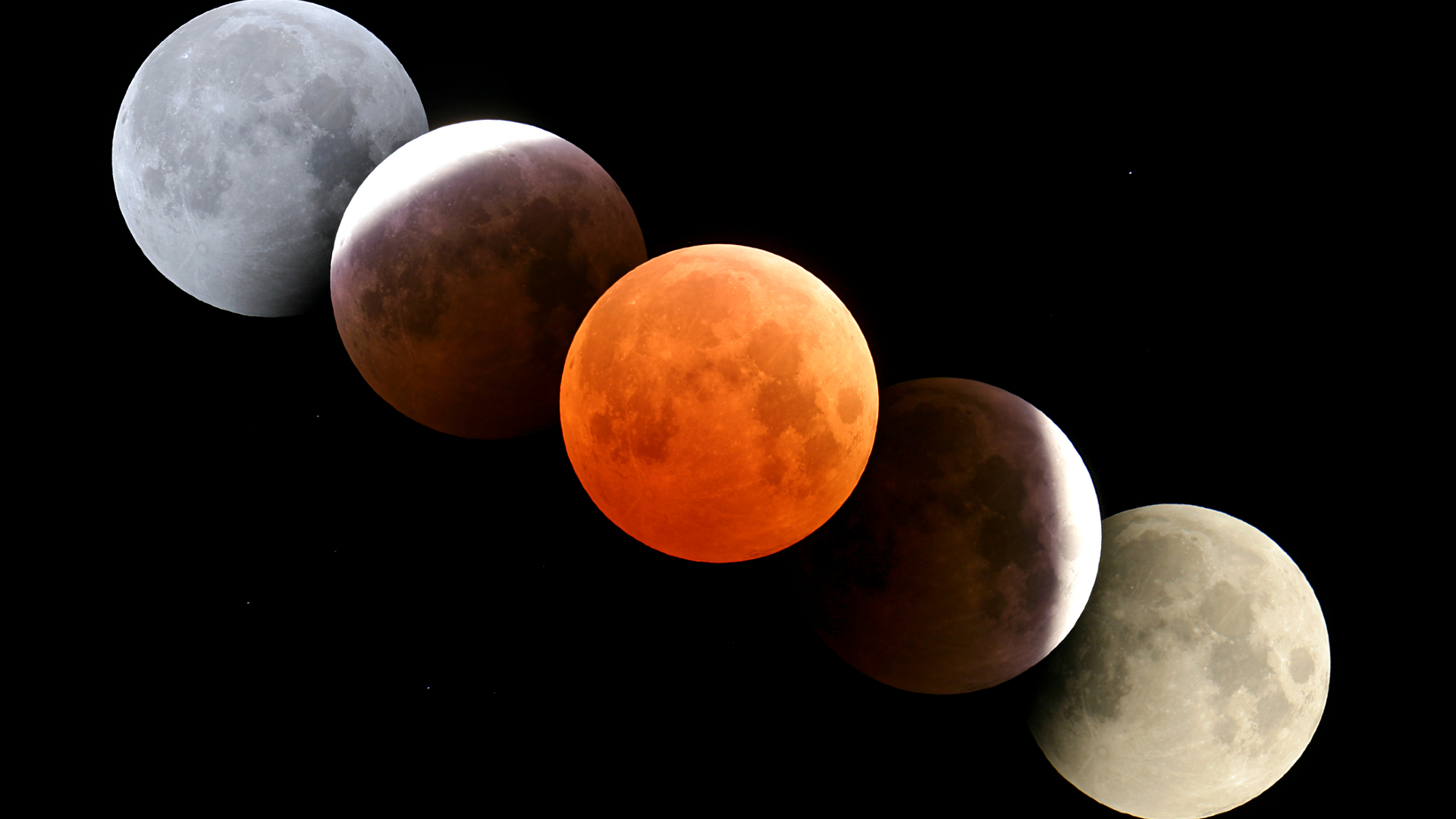
Whether you’re a seasoned astronomer or just someone who loves to look up at the night sky, this guide is your definitive resource. We’ll break down exactly what’s happening, when and where you can see it, why the Moon will turn a stunning shade of red, and how to make the most of this unforgettable event. Let’s make sure you don’t miss a single moment of this cosmic dance.
Here’s a quick overview of what to expect:
| Detail | Information |
|---|---|
| Date | March 2-3, 2026 |
| Type | Total Lunar Eclipse (Blood Moon) |
| Associated Full Moon Name | Worm Moon |
| Max Totality Duration | Approx. 58 minutes |
| Overall Eclipse Duration (Penumbral to Penumbral) | Approx. 5 hours 39 minutes |
| Primary Visibility | North & South America, Eastern Asia, Australia, Pacific |
Your Front-Row Seat to a Celestial Spectacle: Understanding the March 2026 Lunar Eclipse
Let’s peel back the layers and understand the mechanics behind this stunning event. It’s more than just a pretty sight; it’s a testament to the elegant cosmic ballet our Earth and Moon perform.
What is a Total Lunar Eclipse, Anyway?
Simply put, a Total Lunar Eclipse occurs when the Earth positions itself directly between the Sun and the Moon. Imagine a straight line: Sun – Earth – Moon. When this alignment happens, Earth casts a shadow onto the Moon. There are two main parts to Earth’s shadow: the outer, fainter penumbra, and the inner, darker umbra.
During a total lunar eclipse, the entire Moon passes through the Earth’s darkest shadow, the umbra. This makes it a far more dramatic and noticeable event than a partial or penumbral eclipse, where only part of the Moon, or just the fainter shadow, is involved.
Why “Blood Moon”? The Science Behind the Stunning Red Hue
Ah, the “Blood Moon“! This captivating nickname perfectly describes the reddish-orange glow the Moon takes on during totality. But why does it happen? It’s all thanks to our own planet’s atmosphere.
Even though the Earth is blocking direct sunlight from reaching the Moon, some sunlight still manages to bend around the edges of our planet. This sunlight passes through Earth’s atmosphere, which acts like a filter. Blue light, with its shorter wavelengths, is scattered away more easily by dust and air molecules (this is why our sky looks blue!). Red and orange light, with longer wavelengths, passes through more directly.
So, essentially, the red and orange hues you see during a total lunar eclipse are sunlight that has been filtered and refracted by every sunrise and sunset happening simultaneously around the Earth’s limb, all projected onto the lunar surface. It’s truly like watching all the world’s sunsets and sunrises at once, reflected on the Moon.
From Subtle Shade to Deep Red: The Phases of a Lunar Eclipse
A total lunar eclipse isn’t an instant on-and-off switch. It’s a gradual process, moving through distinct phases:
- Penumbral Eclipse Begins: The Moon first enters Earth’s faint outer shadow (the penumbra). This phase is often hard to detect with the naked eye, as the dimming is very subtle.
- Partial Eclipse Begins: The Moon starts to enter the Earth’s darker inner shadow (the umbra). You’ll see a noticeable “bite” taken out of the Moon’s disc, gradually growing larger.
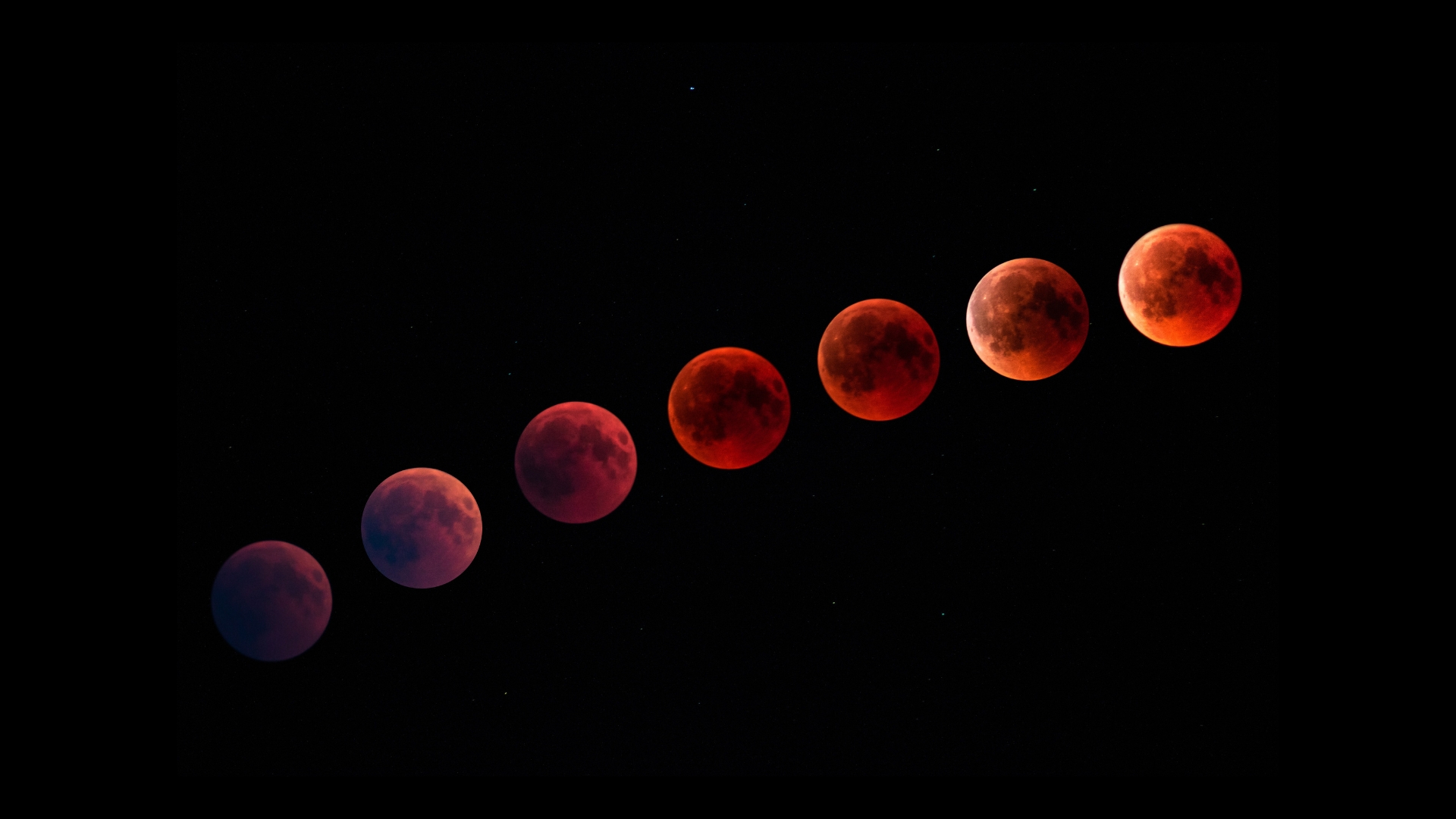
- Total Eclipse Begins: The entire Moon is now engulfed by the Earth’s umbra. This is when the spectacular reddish “Blood Moon” color becomes fully apparent.
- Greatest Eclipse (Totality Midpoint): The peak of the eclipse, when the Moon is deepest within the umbra. The color can be most intense during this time.
- Total Eclipse Ends: The Moon begins to emerge from the umbra, and the reddish hue starts to fade as brighter moonlight returns.
- Partial Eclipse Ends: The last sliver of the Moon leaves the umbra, and the Moon is entirely in the penumbra again.
- Penumbral Eclipse Ends: The Moon fully exits the penumbra, and the eclipse is officially over, with the Moon returning to its usual brightness.
When and Where to Witness the Worm Blood Moon
Timing is everything for celestial events. For the March 2026 total lunar eclipse, viewers across North and South America are in a prime position to catch most, if not all, of the show. Parts of Eastern Asia, Australia, and the Pacific also get a fantastic view.
Mark Your Calendars: Official Timings for the March 2026 Eclipse
The total lunar eclipse will unfold overnight from March 2nd into March 3rd, 2026, for much of the Western Hemisphere. Below, we’ve provided a critical breakdown of timings for major US time zones so you can plan your viewing party without missing a beat.
Global Context: Who Sees It First?
Due to the Earth’s rotation, those in the easternmost parts of the visibility zone (e.g., Eastern South America, Eastern North America) will see the eclipse begin earlier in their local night, while those further west (e.g., Western North America, Pacific) will experience it later in the night or closer to dawn.
The Critical US Schedule: Your Local Eclipse Timetable
This is where precision matters. Grab your calendars and mark these times! All times are for the night of March 2nd leading into the morning of March 3rd, 2026.
| Eclipse Phase | Eastern Time (ET) | Central Time (CT) | Mountain Time (MT) | Pacific Time (PT) | Hawaii Standard Time (HST) |
|---|---|---|---|---|---|
| Penumbral Eclipse Begins | 12:44 AM Mar 3 | 11:44 PM Mar 2 | 10:44 PM Mar 2 | 9:44 PM Mar 2 | 7:44 PM Mar 2 |
| Partial Eclipse Begins | 1:51 AM Mar 3 | 12:51 AM Mar 3 | 11:51 PM Mar 2 | 10:51 PM Mar 2 | 8:51 PM Mar 2 |
| Total Eclipse Begins | 2:57 AM Mar 3 | 1:57 AM Mar 3 | 12:57 AM Mar 3 | 11:57 PM Mar 2 | 9:57 PM Mar 2 |
| Greatest Eclipse (Mid-Totality) | 3:26 AM Mar 3 | 2:26 AM Mar 3 | 1:26 AM Mar 3 | 12:26 AM Mar 3 | 10:26 PM Mar 2 |
| Total Eclipse Ends | 3:55 AM Mar 3 | 2:55 AM Mar 3 | 1:55 AM Mar 3 | 12:55 AM Mar 3 | 10:55 PM Mar 2 |
| Partial Eclipse Ends | 5:02 AM Mar 3 | 4:02 AM Mar 3 | 3:02 AM Mar 3 | 2:02 AM Mar 3 | 12:02 AM Mar 3 |
| Penumbral Eclipse Ends | 6:09 AM Mar 3 | 5:09 AM Mar 3 | 4:09 AM Mar 3 | 3:09 AM Mar 3 | 1:09 AM Mar 3 |
Note: These times are approximate and can vary by a minute or two depending on your precise location within a time zone. Always check local forecasts for cloud cover!

Is It Visible From My Location? A Guide to Global Visibility
While the focus for this guide is heavily on the US, it’s worth understanding the broader picture of who gets to see this event.
Prime Viewing Zones:
- North America: The entire continent will have an excellent view, especially of the total phase.
- South America: Most of South America will also witness the eclipse, with prime views in the western and central parts.
- Eastern Asia: Countries like Japan, eastern China, and Southeast Asia will catch the eclipse, likely during their early morning hours.
- Australia & New Zealand: These regions will experience the eclipse in their evening or overnight.
- The Pacific Ocean: Many islands across the vast Pacific will have a front-row seat.
Regions That Will Miss Out:
Unfortunately, parts of the world will not see the total lunar eclipse. This includes:
- Most of Europe
- Africa
- Western Asia
- The Indian Ocean region
If you’re in one of these regions, don’t despair! Many observatories and astronomy groups often provide live streams of significant celestial events, allowing you to experience it virtually.
The “Worm Moon”: Unearthing the March Full Moon’s Name
Every full moon carries a traditional name, often rooted in Native American, colonial American, or European folklore, reflecting the natural cycles of the seasons. The full moon in March is traditionally known as the “Worm Moon.”
The Story of the “Worm Moon”
The name “Worm Moon” is thought to originate from the signs of spring appearing after the cold winter. As the ground begins to thaw in March, earthworms start to emerge, attracting hungry robins and other birds – a clear signal that spring is on its way. It signifies the reawakening of life, the softening of the earth, and the beginning of a new growth cycle.
It’s a beautiful connection between the celestial rhythm and the terrestrial world, reminding us of the intricate balance of nature. So, as you gaze at the reddish orb in March 2026, remember the tiny worms stirring beneath your feet, signaling the rebirth of the season.
Other Indigenous and Traditional Names for the March Full Moon
While “Worm Moon” is widely recognized, various cultures had their own names for the March full moon, each telling a story about their environment and way of life:
- Crow Moon: Named by some tribes for the cawing of crows, signaling the end of winter.
- Sap Moon: Reflecting the time when maple sap begins to flow, perfect for making syrup.
- Sugar Moon: Another name linked to the maple sugaring season.
- Lenten Moon: In Christian tradition, this name refers to the full moon occurring during Lent.
- Chaste Moon: Symbolizing purity, often associated with the return of spring.
These names offer a fascinating glimpse into the rich history of humanity’s relationship with the Moon and the natural world.
Prepare for the Show: Your March 2026 Eclipse Viewing Checklist
Unlike solar eclipses, watching a lunar eclipse is completely safe for your eyes and requires no special protective gear. However, a little preparation can significantly enhance your experience!
Essential Gear: What You’ll Need (or Won’t!)
- Your Eyes: The best “equipment” you have! The lunar eclipse is a naked-eye event, perfectly visible without any aids.
- Binoculars: Highly recommended! Binoculars will bring out the Moon’s craters, mountains, and the subtle variations in the red hue, making the view even more stunning. Any standard pair (e.g., 7×50 or 10×50) will do wonders.
- Small Telescope: If you have one, a telescope will offer an even more magnified and detailed view of the lunar surface during the eclipse.
- Warm Clothing: March nights can still be chilly, especially if you’re standing outside for a few hours. Dress in layers.
- Comfortable Chair or Blanket: You’ll be looking up for extended periods; make yourself comfortable.
- Hot Beverage: A thermos of coffee, tea, or hot chocolate can be a welcome companion during those early morning hours.
- Red-Light Flashlight: If you need to check your phone or move around, a red-light flashlight will help preserve your night vision.
Capturing the Magic: Tips for Lunar Eclipse Photography
Want to immortalize the Blood Moon? Here are a few tips for photography, whether you’re using a smartphone or a dedicated camera:
Smartphone Photography:
- Stability is Key: Use a tripod or prop your phone against something stable to avoid blurry shots.
- Zoom Wisely: Optical zoom is better than digital zoom. If your phone has a telephoto lens, use it.
- Manual Mode Apps: Download a camera app that allows you to manually adjust exposure, ISO, and focus. Reduce ISO to avoid noise, and experiment with exposure times.
- Night Mode: Some phones have excellent dedicated night modes that can help, but manual control is usually better for eclipses.
DSLR/Mirrorless Camera Photography:
- Tripod: Non-negotiable for sharp images.
- Telephoto Lens: A lens with a focal length of 200mm or more is ideal for capturing detail.
- Manual Settings:
- Focus: Set to manual and focus on the Moon (or a distant star) before the eclipse begins.
- Aperture: Start with your lens wide open (lowest f-number) to gather more light.
- ISO: Begin with a low ISO (e.g., 100-400) and increase if necessary during totality, but be mindful of noise.
- Shutter Speed: This is crucial. During totality, the Moon is much dimmer. You might need exposures of several seconds (e.g., 2-5 seconds). Experiment!
- Remote Shutter Release: Prevents camera shake.
- Bracket Your Shots: Take multiple photos at different exposures to capture the full range of brightness and color.
Finding Your Perfect Viewing Spot: Maximizing Your Experience
While the Moon is bright enough to be seen from urban areas, a darker sky will always enhance the viewing experience and make the Blood Moon’s subtle colors more vibrant.

- Get Away from City Lights: Light pollution washes out fainter stars and can dilute the impact of the eclipse. Head to a local park, nature preserve, or even just your backyard if it’s relatively dark.
- Clear Horizon: Ensure you have an unobstructed view of the eastern and western horizons, as the Moon will traverse a significant arc across the sky.
- Safety First: If you’re going to a remote location, inform someone of your plans, go with a friend, and ensure you have appropriate safety gear.
Beyond March: Other Must-See Celestial Events in 2026
While the March 2026 total lunar eclipse is undoubtedly a highlight, 2026 promises to be a fantastic year for skywatchers. Keep an eye out for other notable events:
- January’s Supermoon: Kicking off the year with a larger-than-average full moon.
- August’s Total Solar Eclipse: A major event, though its visibility will be primarily across Greenland, Iceland, Spain, and Portugal.
- November’s Supermoon: Another chance to see a noticeably large and bright full moon.
- Numerous Meteor Showers: The Perseids in August and Geminids in December are annual favorites, offering dazzling displays of shooting stars.
Each of these events offers a unique connection to the vast universe we inhabit, reminding us of the constant, incredible motion happening above our heads.
The Enduring Allure: Why Lunar Eclipses Still Captivate Us
From ancient civilizations who viewed them with awe and sometimes fear, to modern-day enthusiasts armed with telescopes and cameras, lunar eclipses have always held a powerful grip on the human imagination. They are a tangible reminder of our place in the cosmos, a visible demonstration of celestial mechanics that connects us directly to the grand scale of the universe.
The March 2026 “Worm Blood Moon” Total Lunar Eclipse is more than just an astronomical phenomenon; it’s an invitation. An invitation to step outside, look up, and connect with something truly magnificent. Plan your viewing, gather your loved ones, and prepare to be awestruck by the Earth’s shadow painting the Moon in hues of spectacular red. It’s a night you won’t soon forget.
Frequently Asked Questions
What causes a total lunar eclipse?
A total lunar eclipse occurs when the Earth passes directly between the Sun and the Moon, casting its darkest shadow (the umbra) completely over the lunar surface. This alignment blocks direct sunlight from reaching the Moon.
Why is the March 2026 eclipse called a ‘Blood Moon’?
The Moon appears reddish-orange during a total lunar eclipse because sunlight is filtered and refracted by Earth’s atmosphere. Blue light is scattered away, while red and orange light bends around the Earth, illuminating the Moon in a stunning, ruddy glow.

Is it safe to look at the March 2026 lunar eclipse?
Yes, absolutely! Unlike a solar eclipse, it is completely safe to view a lunar eclipse with your naked eyes. No special protective eyewear is needed. In fact, binoculars or a telescope can enhance the view without any risk.
What is the ‘Worm Moon’?
The ‘Worm Moon’ is a traditional name for the full moon in March, historically associated with the thawing ground and the emergence of earthworms, signaling the beginning of spring and the return of birds and other wildlife.
How long will the total phase of the March 2026 lunar eclipse last?
The period of total eclipse (when the Moon is fully immersed in Earth’s umbra) for the March 2026 event will last approximately 58 minutes, offering a substantial window to observe the ‘Blood Moon’ phenomenon.
Do I need special equipment to see the eclipse?
No, you don’t need any special equipment. The total lunar eclipse will be clearly visible with the naked eye. However, binoculars or a small telescope will greatly enhance your viewing experience, revealing more detail on the Moon’s surface and the subtle color variations.
Will the March 2026 lunar eclipse be visible outside of North and South America?
Yes, in addition to North and South America, the eclipse will also be visible from parts of Eastern Asia, Australia, and the Pacific Ocean region. However, it will not be visible from Europe, Africa, or most of Western Asia.
