March 2026 Full Moon: Your Complete Guide to the Worm Moon & Blood Moon Eclipse
Get ready for a celestial spectacle that’s more than just a typical full moon! The Full Worm Moon in March 2026 promises a truly unforgettable experience, as it’s set to coincide with a stunning total lunar eclipse – often dubbed a ‘Blood Moon’. This isn’t just a casual glance at the night sky; it’s an opportunity to witness our lunar companion bathed in an ethereal red glow.
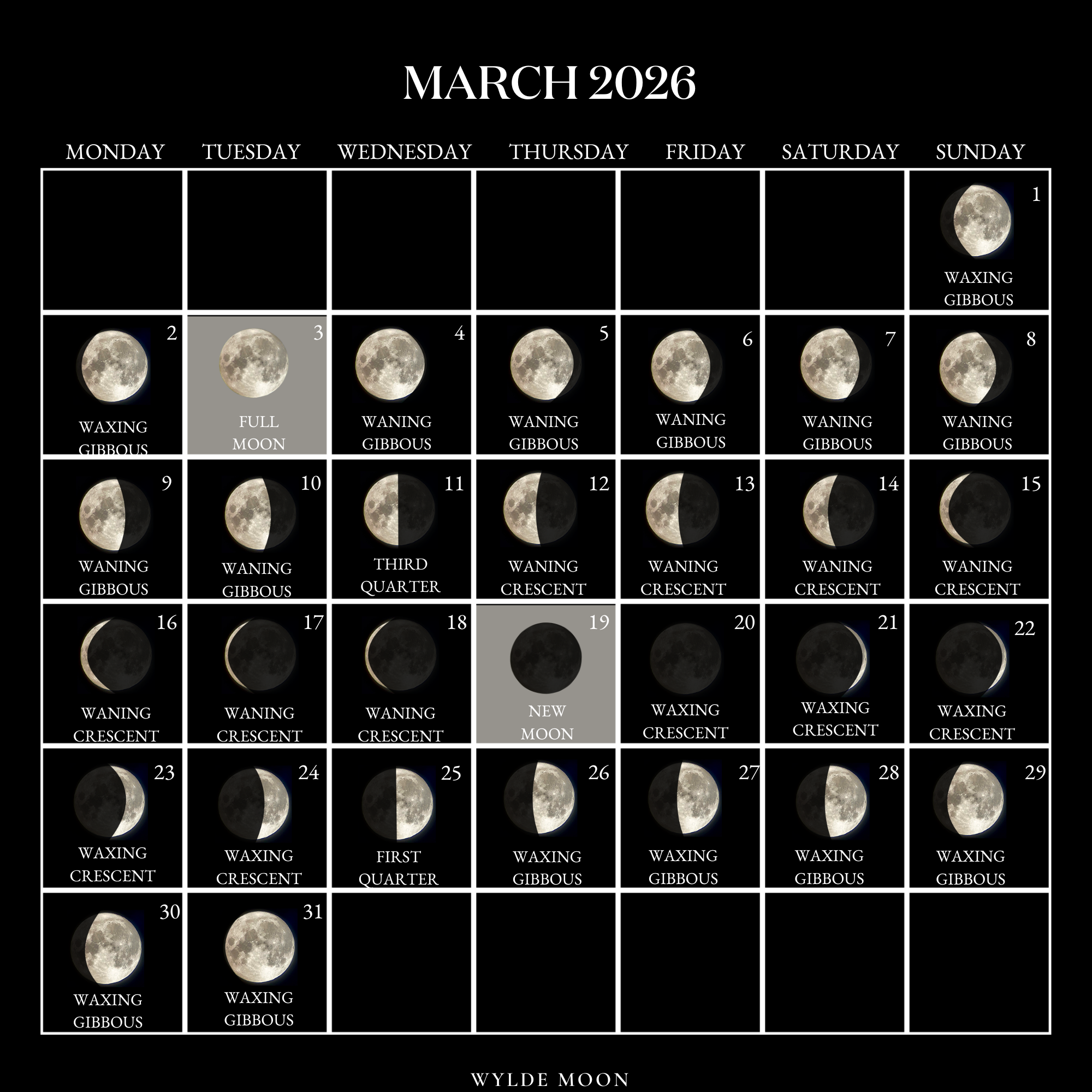
Whether you’re an avid stargazer, a curious newcomer, or someone who simply enjoys the moon’s majestic presence, this guide has everything you need to mark your calendar, understand the science, and prepare for one of 2026’s most anticipated celestial events. Forget the guesswork; we’re breaking down the exact times, the cultural stories, and precisely what to expect for this rare lunar double-feature.
The Essential Details You Need to Know:
- Date of Peak Illumination: Tuesday, March 3, 2026
- Peak Illumination Time (Eastern Time – ET): 6:38 AM ET
- Traditional Name: The Full Worm Moon
- Special Event: Total Lunar Eclipse (Blood Moon)
When Exactly is the March 2026 Full Moon? (US Time Zone Breakdown)
While the full moon technically reaches its peak illumination at a single, precise moment, how that translates to your local viewing experience depends entirely on your time zone. For observers across the United States, the March 2026 Full Moon will officially crest in the early morning hours of Tuesday, March 3rd. This timing is particularly exciting because it means that for many, the moon will be bright and impressive in the sky both on the night leading into March 3rd and potentially during the early morning hours.
To ensure you don’t miss the moment of peak fullness—and, crucially, the developing lunar eclipse—here’s a handy breakdown of when the moon will reach its zenith in major US time zones:
| Time Zone | Date | Peak Illumination Time |
|---|---|---|
| Eastern Time (ET) | Tuesday, March 3, 2026 | 6:38 AM |
| Central Time (CT) | Tuesday, March 3, 2026 | 5:38 AM |
| Mountain Time (MT) | Tuesday, March 3, 2026 | 4:38 AM |
| Pacific Time (PT) | Tuesday, March 3, 2026 | 3:38 AM |
| Alaska Standard Time (AKST) | Tuesday, March 3, 2026 | 2:38 AM |
| Hawaii Standard Time (HST) | Tuesday, March 3, 2026 | 1:38 AM |
Remember, the moon appears ‘full’ for about three days surrounding these precise times. So, even if you can’t be up at the exact moment, you’ll still get a magnificent view on the evenings of March 2nd and March 3rd.
The Full Worm Moon: Unearthing Its Ancient Roots
Every full moon carries a traditional name, often rooted in the natural cycles and seasonal changes observed by indigenous cultures, particularly Native American tribes, as well as colonial European and Anglo-Saxon traditions. The March full moon is famously known as the Full Worm Moon.

Origins of the Name
The name ‘Worm Moon’ originates from the northern parts of the United States and Canada. At this time of year, as winter begins its retreat and the ground starts to thaw, earthworms begin to emerge from the soil. This emergence signals the return of robins and other birds, indicating that spring is truly on its way and the land is awakening from its frozen slumber.
Other traditional names for the March full moon often reflect similar themes of renewal and transition:
- Crow Moon: Referring to the cawing of crows signaling the end of winter.
- Sap Moon: Marking the time when maple sap begins to flow.
- Crust Moon: Describing the crust of snow that forms over softer snow, making travel easier.
- Lenten Moon: In Christian traditions, this moon often falls during the period of Lent.
No matter the name, the March full moon historically marked a significant turning point in the year—a time of hope, preparation, and the promise of warmer, more fertile days ahead. It’s a powerful reminder of nature’s relentless cycle of death and rebirth.
The March 2026 Blood Moon: A Total Lunar Eclipse Explained
Here’s where the March 2026 full moon truly sets itself apart: it’s not just a Full Worm Moon, but also a Total Lunar Eclipse, turning it into a spectacular Blood Moon! This makes the event significantly more dramatic and visually stunning than a typical full moon. Several authoritative sources confirm this celestial alignment for March 2-3, 2026, making it a must-see event.
What is a Total Lunar Eclipse?
A total lunar eclipse occurs when the Earth passes directly between the Sun and the Moon, casting a shadow over our lunar neighbor. Unlike a solar eclipse, where the Moon blocks the Sun, a lunar eclipse sees the Earth block the Sun’s light from reaching the Moon. For a *total* lunar eclipse, the Moon must pass entirely into the Earth’s darkest shadow, known as the umbra.

Why is it Called a “Blood Moon”?
During a total lunar eclipse, the Moon doesn’t completely disappear. Instead, it takes on a mesmerizing reddish-orange hue. This dramatic coloring is why it’s famously called a “Blood Moon.” The phenomenon happens because sunlight, bent or refracted by Earth’s atmosphere, still reaches the Moon. Our atmosphere scatters blue light more effectively than red light (this is why our sky is blue during the day and sunsets are red). So, the redder wavelengths are the ones that make it through Earth’s atmosphere, giving the Moon its eerie, beautiful crimson glow.
Visibility for the March 2026 Eclipse
With peak illumination occurring in the early morning hours of March 3rd across the US, the eclipse will likely be visible during the overnight hours leading into March 3rd. While detailed visibility maps for this specific eclipse are still being finalized by astronomical organizations as the date approaches, the consensus from early reports suggests significant visibility for observers across North America.
This early morning timing means that those on the West Coast will see the peak of the eclipse earlier in the night, while those on the East Coast might witness the moon setting as the eclipse reaches its maximum. It’s a fantastic opportunity to stay up late or set an early alarm!
Your Guide to Observing the March 2026 Full Moon & Eclipse
One of the best things about lunar events, especially eclipses, is that they are incredibly accessible. You don’t need expensive equipment to enjoy the spectacle. Here’s how to make the most of the March 2026 Full Worm Moon and Blood Moon eclipse:
For the Full Moon: No Equipment Needed!
- Find a Clear View: Step outside! The only real requirement is a clear line of sight to the moon.
- Check the Weather: Of course, clear skies are essential. Cloudy nights will obscure the view.
- Ideal Viewing Times: While the peak is March 3rd, the moon will appear impressively full on the evenings of March 2nd and March 3rd. Consider viewing during moonrise or moonset for a dramatic effect, as the moon can appear larger and more colorful when near the horizon due to an optical illusion.
Eclipse Viewing Tips for the Blood Moon
- Safety First (and Easiest): Unlike solar eclipses, it is absolutely safe to look directly at a lunar eclipse with your naked eyes. No special filters or eyewear are needed.
- Set an Alarm: Given the early morning times for peak illumination, you might need to plan ahead to catch the best part of the eclipse. Check the exact start and end times for your specific location as they are released closer to the date.
- Binoculars or a Small Telescope: While not necessary, binoculars can enhance the experience by bringing out surface details and intensifying the reddish hue of the Blood Moon. A small telescope will offer an even more magnified view.
- Find a Dark Location: Light pollution won’t obscure a lunar eclipse, but a darker sky will make the surrounding stars and the moon’s subtle color changes stand out more vividly.
- Patience is Key: A total lunar eclipse unfolds over several hours. The moon gradually moves into the Earth’s penumbra (outer shadow), then umbra (inner shadow), reaches totality, and then reverses the process. Enjoy the gradual transformation!
- Bundle Up: March mornings can still be chilly in many parts of the US. Dress warmly if you plan to observe for an extended period.
Beyond March: A Glimpse at the 2026 Full Moon Calendar
While the March 2026 Full Worm Moon and Blood Moon eclipse is certainly a highlight, the year 2026 holds many other captivating lunar events. Here’s a quick overview of all the full moons slated for the year, giving you plenty of opportunities to connect with our celestial neighbor:
| Date | Full Moon Name | Peak Time (ET) | Notes |
|---|---|---|---|
| Jan 3 | Wolf Moon | 5:03 AM | |
| Feb 1 | Snow Moon | 5:09 PM | |
| Mar 3 | Worm Moon | 6:38 AM | Total Lunar Eclipse (Blood Moon) |
| Apr 1 | Pink Moon | 10:12 PM | |
| May 1 | Flower Moon | 1:23 PM | |
| May 31 | Blue Moon | 9:45 AM | Second full moon in a calendar month |
| Jun 29 | Strawberry Moon | 8:57 PM | |
| Jul 29 | Buck Moon | 7:37 PM | |
| Aug 28 | Sturgeon Moon | 5:47 AM | |
| Sep 26 | Harvest Moon | 10:07 PM | Closest full moon to the autumnal equinox |
| Oct 26 | Hunter’s Moon | 1:45 PM | |
| Nov 24 | Beaver Moon | 6:02 AM | |
| Dec 23 | Cold Moon | 10:27 AM |
Notably, 2026 also features a Blue Moon on May 31st, which is the second full moon within that calendar month – another exciting event for sky-watchers!
Understanding Lunar Phases: More Than Just ‘Full’
The moon’s journey through its various phases is a continuous cycle, lasting approximately 29.5 days. This is the time it takes for the Moon to orbit Earth and for its appearance to change from our perspective. The “full moon” is just one, albeit the most luminous, stage in this captivating celestial dance.

Here’s a quick rundown of the major phases:
- New Moon: The moon is between the Earth and the Sun, making it invisible from Earth.
- Waxing Crescent: A sliver of the moon becomes visible, growing larger each night.
- First Quarter: Half of the moon is illuminated.
- Waxing Gibbous: More than half, but not yet full.
- Full Moon: The entire face of the moon is illuminated as seen from Earth.
- Waning Gibbous: The illuminated portion begins to shrink.
- Third Quarter (or Last Quarter): Again, half of the moon is lit, but on the opposite side.
- Waning Crescent: A decreasing sliver of light, returning towards the New Moon.
Each phase offers a unique perspective of our constant companion in the night sky, but the full moon, especially when combined with an eclipse, undoubtedly commands the most attention.
The Science Behind the Spectacle: What Makes a Full Moon?
At its core, a full moon is a magnificent display of planetary geometry. It occurs when the Moon is directly opposite the Sun in the sky, as viewed from Earth. This alignment means that the entire side of the Moon facing Earth is fully illuminated by the Sun’s rays. Think of it like a giant mirror reflecting sunlight back to us.
The Moon itself doesn’t generate light; it simply reflects the sunlight. As it orbits Earth, the amount of its illuminated surface that we can see changes, creating the different phases. When we see a full moon, it means we have a direct, unobstructed view of its sunlit face.
The distinction between a regular full moon and a total lunar eclipse lies in the precision of this alignment:
- During a normal full moon, the Earth, Moon, and Sun are roughly aligned, but the Moon is usually slightly above or below Earth’s shadow.
- During a total lunar eclipse, the alignment is perfect, causing the Earth to cast its entire shadow directly onto the Moon, creating the captivating ‘Blood Moon’ effect.
This perfect alignment is a relatively rare occurrence for each full moon, making the March 2026 event particularly special. It’s a powerful reminder of the incredible cosmic ballet constantly unfolding above us.
So, as March 2026 approaches, get ready to experience a truly extraordinary celestial show. The Full Worm Moon and its accompanying Blood Moon eclipse are sure to be a highlight for stargazers everywhere. Mark your calendars, share the excitement, and prepare to be awed by the beauty of our universe.
Frequently Asked Questions
When is the Full Moon in March 2026?
The Full Moon in March 2026 will occur on Tuesday, March 3, 2026. Its peak illumination in Eastern Time (ET) will be at 6:38 AM.
What is the traditional name for the March 2026 Full Moon?
The traditional name for the March Full Moon is the ‘Full Worm Moon.’ This name originates from Native American traditions, marking the time when the ground thaws and earthworms begin to emerge, signaling the start of spring.
Will there be a lunar eclipse in March 2026?
Yes, the Full Worm Moon in March 2026 is predicted to coincide with a Total Lunar Eclipse, often referred to as a ‘Blood Moon.’ This will make the event particularly spectacular.
What time will the March 2026 Full Moon be visible in different US time zones?
The peak illumination will be at 6:38 AM ET, 5:38 AM CT, 4:38 AM MT, 3:38 AM PT, 2:38 AM AKST, and 1:38 AM HST on Tuesday, March 3, 2026. The moon will appear full for roughly three days surrounding these times.
Do I need special equipment to view the March 2026 Full Moon or the lunar eclipse?
No, you do not need special equipment. Both the Full Moon and the Total Lunar Eclipse are safe to view directly with the naked eye. Binoculars or a small telescope can enhance the experience, but are not required.
Why is a total lunar eclipse called a ‘Blood Moon’?
It’s called a ‘Blood Moon’ because during a total lunar eclipse, sunlight filtered and refracted by Earth’s atmosphere still reaches the Moon. Our atmosphere scatters blue light more, allowing red and orange wavelengths to pass through and illuminate the Moon, giving it a reddish-orange hue.
