The Full Moon in March 2026: Illuminating India’s Phalguna Purnima and the Global Worm Moon
Mark your calendars! The Full Moon in March 2026 is a celestial spectacle steeped in both ancient traditions and modern astronomical wonder. For those in India, it arrives as the sacred Phalguna Purnima, a day brimming with cultural significance and vibrant celebrations. Globally, particularly in Western traditions, this same moon is known as the Worm Moon, signaling the thawing of winter and the stirring of new life.
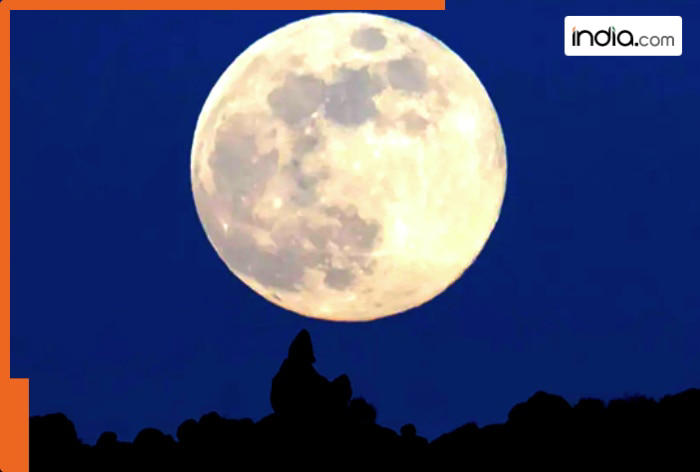
Whether you’re an astronomy enthusiast, a spiritual seeker, or simply curious about the lunar rhythms connecting us all, understanding this particular full moon offers a fascinating glimpse into our world’s diverse relationship with the cosmos. And yes, even if you’re in the USA, tuning into India’s lunar calendar provides a unique perspective on global observances and astrological currents.
When to Witness the March 2026 Full Moon in India (and Beyond)
Let’s get straight to the essential details. The Full Moon in March 2026 will grace the skies on Tuesday, March 3, 2026. For our friends in India, this moment of peak illumination occurs in the late afternoon, making for a potentially beautiful evening viewing.
Here are the precise timings:
| Event | Date | Time (IST) | Time (UTC) | Time (EST, for US audience) | Time (PST, for US audience) |
|---|---|---|---|---|---|
| March 2026 Full Moon Peak Illumination | Tuesday, March 3, 2026 | 5:08 PM IST | 11:38 AM UTC | 6:38 AM EST | 3:38 AM PST |
What does this mean for a US audience? While the peak illumination happens during India’s daylight hours, it translates to morning hours for much of the United States. This means that if you’re in New York (EST), the moon will be full at 6:38 AM on March 3rd. For California (PST), it’s even earlier, at 3:38 AM. This timing suggests that while you might not catch the *exact* peak full moon in your night sky from the US, the moon will appear beautifully full on the evening of March 2nd and still largely full on the evening of March 3rd. The moon’s visual fullness lasts for about 24-36 hours around the precise peak, offering ample opportunity for observation.
Phalguna Purnima: India’s Sacred March Full Moon
In India, the March Full Moon is far more than just a celestial event; it’s a deeply spiritual and cultural cornerstone. Known as Phalguna Purnima, it marks the culmination of the Hindu month of Phalguna. This Purnima (full moon day) is particularly auspicious and is intrinsically linked to one of India’s most vibrant and beloved festivals: Holi.
Historical & Cultural Significance
Phalguna Purnima is celebrated with immense devotion and joy across various regions of India. It represents a time of purification, forgiveness, and renewal. It’s often associated with the arrival of spring, signifying the triumph of good over evil, and the rekindling of relationships.
Associated Festivals: Holi and Holika Dahan
The most prominent event tied to Phalguna Purnima is Holika Dahan, which takes place on the eve of Holi. On this night, large bonfires are lit in public spaces, symbolizing the burning of the demoness Holika, who tried to burn the devotee Prahlada. This ritual signifies the victory of faith and devotion over malevolent forces. The next day dawns as Holi, the famous ‘Festival of Colors,’ where people smear each other with colored powders (gulal), sing, dance, and celebrate with unbridled enthusiasm. It’s a spectacular display of communal harmony and sheer joy.
Rituals & Practices
On Phalguna Purnima, devotees engage in a variety of religious and spiritual practices:
- Fasting (Vrat): Many observe a full or partial fast to honor the moon deity and seek blessings.
- Pujas and Prayers: Special prayers and rituals (pujas) are performed, often involving offerings of flowers, sweets, and incense to deities like Vishnu and Lakshmi.
- Bathing in Sacred Rivers: Taking a holy dip in sacred rivers like the Ganges is considered highly meritorious, believed to cleanse sins and purify the soul.
- Charity and Donations: Giving to the less fortunate is a common practice, believed to bring good karma and blessings.
- Moon Worship: Offering water (arghya) to the moon god (Chandra Dev) and chanting mantras are also integral parts of the observance.
Spiritual Meaning
Spiritually, Phalguna Purnima is a powerful time for introspection, letting go of past burdens, and setting intentions for new beginnings. The full moon’s illuminating energy is believed to aid in clearing emotional blockages and fostering inner peace. It encourages us to forgive, forget old grievances, and embrace the vibrant energy of spring.
The “Worm Moon”: A Western Perspective on March’s Lunar Glow
While India celebrates Phalguna Purnima, the March Full Moon is also known by other names across different cultures, particularly in Western traditions. The most widely recognized of these is the Worm Moon.

Origin of the Name
The name “Worm Moon” primarily originates from Native American traditions, specifically from tribes like the Algonquin. It refers to the time of year when the ground begins to thaw after winter, bringing earthworms to the surface. These worms are a crucial food source for birds, signifying the return of spring and the renewal of the natural world.
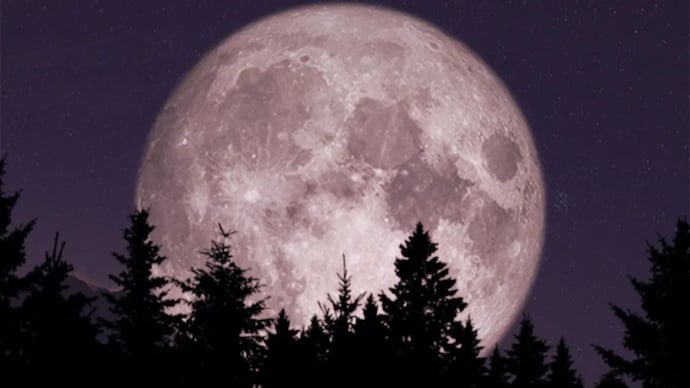
Other traditional names for the March Full Moon include:
- Sap Moon: Reflecting the tapping of maple trees for sap in early spring.
- Crow Moon: Indicating the return of crows after winter.
- Crust Moon: Referring to the crust that forms on top of snow as it thaws and refreezes.
- Lenten Moon: In Christian traditions, this moon often falls during Lent, a period of fasting and reflection before Easter.
Symbolism: Rebirth, Spring, and Emergence
Regardless of the name, the March Full Moon universally symbolizes themes of rebirth, renewal, and emergence. It’s a powerful reminder that even after the coldest, darkest winter, life always finds a way to return. For many, it’s a time to shake off the dormancy of winter, plant new seeds (both literally and metaphorically), and look forward to warmer, brighter days.
Astrological Insights: The March Full Moon in 2026
From an astrological perspective, the Full Moon in March 2026 offers a potent energetic alignment. A full moon always occurs when the Sun and Moon are in opposing zodiac signs. On March 3, 2026, the Sun will be in the intuitive and compassionate sign of Pisces, while the Moon will be directly opposite in the practical and analytical sign of Virgo.
The Pisces-Virgo Axis: A Balancing Act
This particular opposition creates a dynamic tension between two very different energies:
- Pisces (Sun): Represents dreams, spirituality, intuition, compassion, and surrender. It’s about idealism, empathy, and connecting to the boundless universal energy.
- Virgo (Moon): Represents practicality, organization, analytical thinking, service, and discernment. It’s about grounding ideas into reality, finding perfection in detail, and being of practical use.
The Full Moon in Virgo brings our attention to the practical details of our lives, our routines, health, and service to others. With the Sun in Pisces, it encourages us to bring our spiritual ideals and intuitive insights into our daily life. It’s a call to find a balance between our dreams and our responsibilities, between selfless giving and self-care, between unbounded spirituality and grounded reality.
Impact on Individuals: Reflection, Release, and Refinement
During this Full Moon, you might feel a heightened need to:
- Refine Your Routines: Is your daily life supporting your well-being? This is a time to reassess habits, diet, and work-life balance.
- Organize and Declutter: Both your physical space and your mental landscape. Let go of what no longer serves your highest good.
- Process Emotions: Full moons often bring emotions to the surface for release. The Virgo influence helps us analyze these feelings logically, while Pisces encourages compassionate self-acceptance.
- Serve Others: Virgo is a sign of service. This Full Moon might inspire you to help others in a practical, grounded way.
Recommended Practices for Harnessing This Energy
- Journaling: Write down what you need to release, what patterns you want to refine, and how you can bring more practical spirituality into your life.
- Mindful Self-Care: Pay attention to your body’s needs. Engage in activities that promote physical and mental well-being, like yoga, meditation, or a healthy meal prep.
- Decluttering Ritual: Physically clean and organize an area of your home, symbolically releasing old energy.
- Intention Setting: Focus on intentions related to health, order, service, and integrating your spiritual beliefs into your practical life.
Beyond March: A Full Lunar Calendar for India in 2026
Understanding the March Full Moon is just one piece of the fascinating lunar puzzle of 2026. For those in India, and for anyone keen to follow the lunar cycles with an Indian cultural lens, here’s a comprehensive guide to all the Full Moons in 2026, with their approximate IST times, traditional Indian names (Purnima), and Western traditional names.
| Month | Date | Time (IST) | Indian Name (Purnima) | Western Name | Astrological Sign (Moon) |
|---|---|---|---|---|---|
| January | Saturday, Jan 3 | 3:33 PM | Pausha Purnima | Wolf Moon | Cancer |
| February | Monday, Feb 2 | 3:39 AM | Magha Purnima | Snow Moon | Leo |
| March | Tuesday, Mar 3 | 5:08 PM | Phalguna Purnima | Worm Moon | Virgo |
| April | Thursday, Apr 2 | 7:42 AM | Chaitra Purnima | Pink Moon | Libra |
| May | Friday, May 1 | 10:53 PM | Vaishakha Purnima | Flower Moon | Scorpio |
| May | Sunday, May 31 | 2:15 PM | Jyeshtha Purnima | Blue Moon | Sagittarius |
| June | Tuesday, Jun 30 | 5:27 AM | Ashadha Purnima | Strawberry Moon | Capricorn |
| July | Wednesday, Jul 29 | 8:12 PM | Guru Purnima | Buck Moon | Aquarius |
| August | Friday, Aug 28 | 10:45 AM | Shravana Purnima | Sturgeon Moon | Pisces |
| September | Sunday, Sep 27 | 12:47 AM | Bhadrapada Purnima | Harvest Moon | Aries |
| October | Monday, Oct 26 | 2:22 PM | Ashwin Purnima | Hunter’s Moon | Taurus |
| November | Wednesday, Nov 25 | 3:40 AM | Kartika Purnima | Beaver Moon | Gemini |
| December | Thursday, Dec 24 | 4:51 PM | Margashirsha Purnima | Cold Moon | Cancer |
Special Lunar Events in 2026 for India
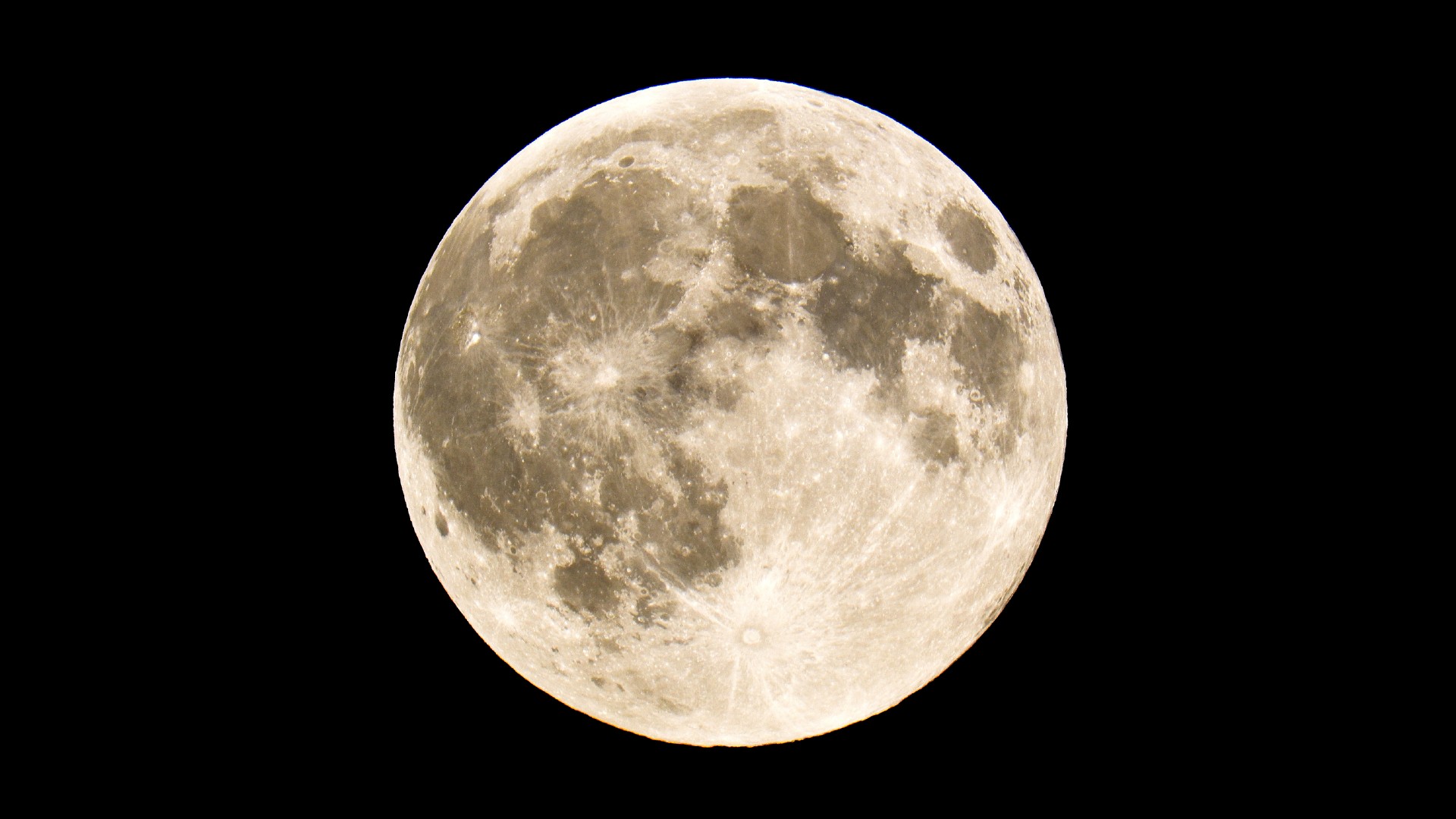
As you can see from the table, 2026 brings an exciting lunar phenomenon: a Blue Moon in May! A Blue Moon occurs when there are two full moons in a single calendar month. This means May 2026 will have a Full Moon on May 1st (Vaishakha Purnima / Flower Moon) and another on May 31st (Jyeshtha Purnima / Blue Moon). This is a relatively rare event, making it an extra special time for observation and reflection.
Experiencing the Full Moon: Tips for Observation and Reflection
Whether you’re in India or the USA, the full moon offers a compelling opportunity for connection – with nature, with culture, and with your inner self. Here’s how you can make the most of it:
Viewing Tips for the Lunar Spectacle
- Best Time for Observation: While the peak illumination is precise, the moon will appear full for roughly a day before and after this time. The best viewing is often just after moonrise or before moonset, when the moon is lower on the horizon. This allows for the “moon illusion,” making it appear larger and more dramatic.
- Location, Location, Location: Seek out a spot away from city lights if possible. The darker the sky, the more defined the lunar features will appear.
- Naked Eye vs. Binoculars/Telescope: The full moon is stunning with the naked eye. However, a good pair of binoculars can reveal incredible details on its surface, like craters and maria (dark plains). A telescope will, of course, offer an even closer view.
- Photography: If you’re into astrophotography, the full moon is a great subject. Experiment with different camera settings, tripods, and zoom lenses.
Connecting with the Moon: Personal Rituals and Reflection
Beyond scientific observation, many find spiritual and emotional solace in connecting with the full moon’s energy:
- Moon Gazing Meditation: Spend some time simply gazing at the moon, allowing its serene light to fill you. Focus on deep breaths and clear your mind.
- Intention Setting & Gratitude: Use the full moon’s powerful energy to set intentions for what you wish to manifest or release in your life. Reflect on what you are grateful for.
- Full Moon Water: Place a jar of water outside under the moonlight overnight. Many believe this water becomes imbued with lunar energy and can be used for drinking or cleansing.
- Journaling and Reflection: As discussed in the astrological section, use this time for introspection. What needs releasing? What truths are being illuminated?
- Communal Gatherings: If you have friends or family interested, consider a small gathering to share observations, stories, or a meal under the moonlit sky.
Remember, the power of the full moon is not just in its physical presence but in the reflection it inspires within us.
Unlocking the Power of the Full Moon, Wherever You Are
The Full Moon in March 2026, known as both Phalguna Purnima in India and the Worm Moon in Western traditions, is a potent reminder of the interconnectedness of our world. It blends astronomical predictability with rich cultural narratives, spiritual practices, and astrological influences.
Whether you’re drawn to the vibrant celebrations of Holi in India, the quiet symbolism of nature’s rebirth, or the introspective journey of astrological alignment, this lunar event offers something for everyone. Embrace the illumination it brings, both in the night sky and within your own spirit, and use its energy to clear, refine, and set powerful intentions for the unfolding year.
Frequently Asked Questions
What is the exact date and time of the Full Moon in March 2026 in India?
The Full Moon in March 2026 will occur on Tuesday, March 3, 2026, at 5:08 PM Indian Standard Time (IST).
What is Phalguna Purnima, and why is it significant in India?
Phalguna Purnima is the traditional Indian name for the Full Moon in the Hindu month of Phalguna. It is highly significant as it precedes Holi, the ‘Festival of Colors,’ and is associated with Holika Dahan, symbolizing the triumph of good over evil and marking a time of purification, forgiveness, and new beginnings.
Why is the March Full Moon also called the ‘Worm Moon’?
The ‘Worm Moon’ is a traditional Western name, primarily from Native American traditions. It refers to the time in early spring when the ground thaws, and earthworms begin to emerge, signaling the return of birds and the renewal of nature after winter.
How does the March 2026 Full Moon’s timing in India affect observers in the USA?
The peak illumination at 5:08 PM IST on March 3rd translates to morning hours in the USA (e.g., 6:38 AM EST, 3:38 AM PST). While the exact peak might be during daylight for US observers, the moon will appear beautifully full on the evening of March 2nd and still largely full on the evening of March 3rd, offering ample viewing opportunities.
What are some astrological implications of this Full Moon?
Astrologically, the March 2026 Full Moon occurs with the Sun in Pisces and the Moon in Virgo. This Pisces-Virgo axis encourages a balance between idealism and practicality, spirituality and daily routines. It’s a powerful time for refining habits, decluttering, processing emotions, and integrating intuitive insights into grounded action.
Are there any specific rituals or activities associated with Phalguna Purnima?
Yes, devotees often observe fasts, perform special pujas and prayers, take holy dips in sacred rivers, engage in charity, and offer worship to the moon. These practices are aimed at purification, seeking blessings, and celebrating the spiritual significance of the day.
Will there be any other special full moon events in India during 2026?
Yes, 2026 will feature a Blue Moon in May. This occurs because there will be two full moons in a single calendar month: one on May 1st (Vaishakha Purnima / Flower Moon) and another on May 31st (Jyeshtha Purnima / Blue Moon).
