Your Essential Guide to the 2026 March Telugu Calendar: Ugadi, Holi, Festivals & Auspicious Timings for the USA
Are you looking to stay connected with your roots, plan important family events, or simply understand the auspicious timings that guide daily life in Telugu culture? For many Telugu speakers in the USA, keeping track of traditional dates can be a delightful challenge. The Gregorian calendar is our everyday standard, but the Telugu calendar, or Panchangam, holds the key to festivals, religious observances, and propitious moments. And let me tell you, March 2026 is a truly significant month!
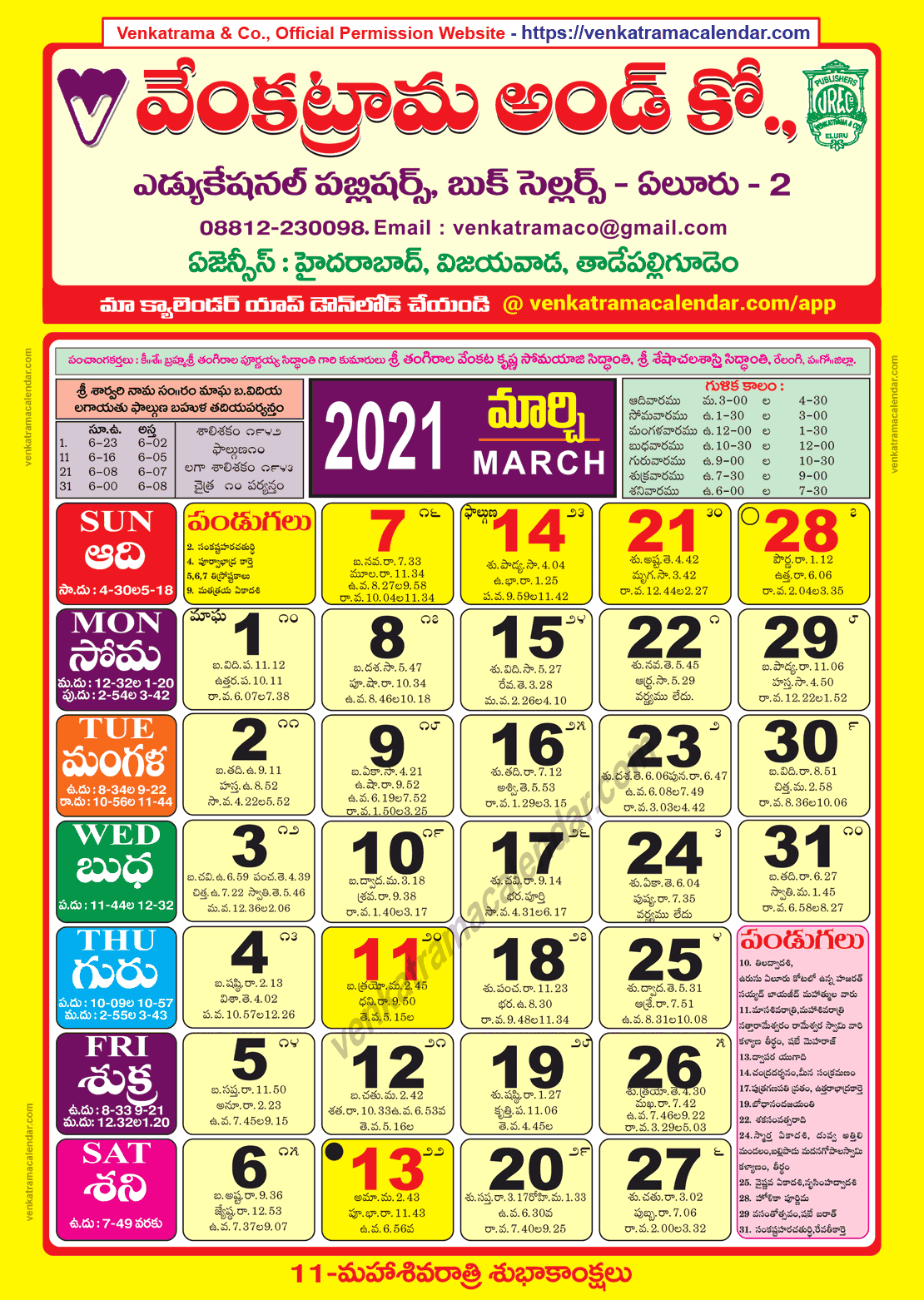
This isn’t just a list of dates. This is your definitive resource to navigate March 2026 with confidence, understanding not just what day it is, but why it matters. We’re talking about major festivals like Holi and the grand celebration of Ugadi – the Telugu New Year – all packed into one vibrant month. Let’s dive in.
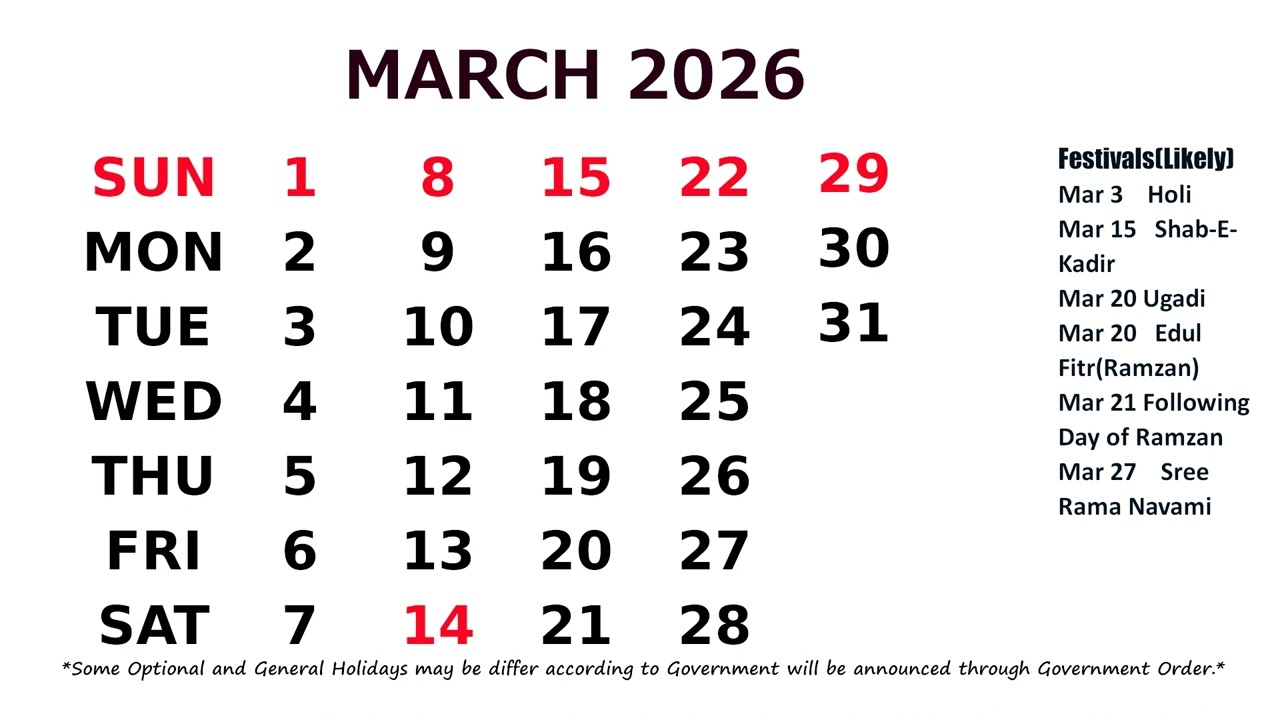
March 2026 at a Glance: Key Dates for Telugu Speakers
March 2026 is a bridge between the Telugu months of Phalgunam (మాఘమాసం) and Chaitram (చైత్రమాసం). The first part of March concludes the month of Phalgunam, known for festivals like Holi. Then, we transition into Chaitram, which ushers in the Telugu New Year, Ugadi, and later, Sri Rama Navami. This makes March an incredibly vibrant and important month for cultural and spiritual observance.
Here’s a snapshot of some critical dates to mark on your calendar:
| English Date | Telugu Tithi | Key Festival/Event | Significance |
|---|---|---|---|
| March 3, 2026 (Tuesday) | Phalguna Pournami | Holi Pournami | Marks the burning of Holika, signifying victory of good over evil. Precedes Holi celebrations. |
| March 6, 2026 (Friday) | Phalguna Krishna Tritiya | Sankashti Ganesh Chaturthi | A day for fasting and prayers to Lord Ganesha for overcoming obstacles. |
| March 18, 2026 (Wednesday) | Phalguna Amavasya | Phalguna Amavasya | Last day of Phalgunam, considered auspicious for ancestral rites. |
| March 20, 2026 (Friday) | Chaitra Suddha Padyami | Ugadi (Telugu New Year) | The most important festival for Telugus, marking the start of a new lunar year. |
| March 28, 2026 (Saturday) | Chaitra Suddha Navami | Sri Rama Navami | Celebration of the birth of Lord Rama. |
| March 30, 2026 (Monday) | Chaitra Suddha Ekadasi | Kamada Ekadasi | A fasting day dedicated to Lord Vishnu, believed to fulfill desires. |
Decoding the Telugu Panchangam: More Than Just Dates
The Telugu calendar, or Panchangam (meaning ‘five limbs’), is a complex yet beautiful system based on lunar and solar cycles. It’s not just about tracking days; it’s about understanding the cosmic energies that influence our lives. When you grasp these elements, you can make informed decisions about everything from daily tasks to major life events.
Here’s a breakdown of the five core components of a daily Panchangam:
Tithi (Lunar Day): Understanding the Phases of the Moon
The Tithi is one of the most fundamental aspects of the Telugu calendar. It represents the lunar day, defined by the angular distance between the Sun and the Moon. There are 15 Tithis in each lunar fortnight (Paksha). The waxing phase (when the moon grows from new to full) is called Shukla Paksha (శుక్ల పక్షం), and the waning phase (from full to new) is Krishna Paksha (కృష్ణ పక్షం). Knowing the Tithi is crucial for determining festival dates, fasting days, and auspicious timings.
Nakshatra (Lunar Mansion): Cosmic Influence on Daily Life
The Nakshatra refers to the position of the Moon in relation to specific constellations or lunar mansions. There are 27 Nakshatras, each spanning 13 degrees and 20 minutes of the ecliptic. Each Nakshatra has unique characteristics, deities, and influences. Astrologers use Nakshatras to determine a person’s birth star and for calculating propitious times (Muhurthams) for ceremonies, travel, or starting new ventures.
Yoga (Combination): Planetary Alignments and Their Effects
The Yoga is derived from the combined longitudes of the Sun and the Moon. There are 27 Yogas, each named after specific qualities or celestial events. While less commonly discussed in daily use than Tithi or Nakshatra, certain Yogas are considered auspicious or inauspicious for particular activities. Understanding Yoga helps in fine-tuning the selection of a Muhurtham.
Karana (Half-Tithi): Practical Subdivisions of Time
A Karana is essentially half of a Tithi. There are 11 Karanas in total, with seven ‘movable’ Karanas that repeat eight times and four ‘fixed’ Karanas that appear only once in a lunar month. Karanas provide an even finer subdivision of time, often considered for highly specific astrological calculations or very precise Muhurtham selections.
Vaaram (Weekday): The Rulers of Each Day
This is the simplest aspect: the Vaaram refers to the weekday, governed by a specific planet. For example, Sunday is ruled by the Sun, Monday by the Moon, Tuesday by Mars, and so on. While familiar, the planetary ruler of the day plays a subtle role in traditional astrological considerations for daily activities.
Major Festivals and Auspicious Events in March 2026
March 2026 is truly a standout month, brimming with joy, cultural significance, and new beginnings. Let’s explore the major festivals you’ll want to celebrate and observe.
Holi Pournami (The Festival of Colors & Joy) – March 3, 2026
Holi Pournami, also known as Holika Dahan, is observed on the full moon day of Phalguna month. While the main festival of colors (Holi) is celebrated with gusto across India, for Telugu communities, this day often involves lighting a bonfire (Holika Dahan) to symbolize the triumph of good over evil. The story of Prahlada and Hiranyakashipu is central to this celebration, reminding us of unwavering faith. Though the vibrant color play might be more common in North India, Telugus often engage in community gatherings and special prayers, with some communities embracing playful color splashes the following day. It’s a day of community, reflection, and anticipating new energies.
Ugadi (Telugu New Year: A Fresh Start & Sweet Beginnings) – March 20, 2026
This is it! Ugadi (ఉగాది) is arguably the most significant festival for Telugu-speaking people. Falling on the first day of the Chaitra month (Chaitra Suddha Padyami), it marks the beginning of the new lunar year. It’s a day of immense celebration, spiritual reflection, and family togetherness.
Here’s what makes Ugadi special:
- Ugadi Pachadi: This unique dish is central to the celebration. It’s a symbolic blend of six tastes (షడ్రుచులు) – sweet, sour, salty, bitter, pungent, and astringent – representing the varied experiences of life we embrace in the new year.
- Panchanga Sravanam: Listening to the annual forecast (Panchanga Sravanam) by an astrologer is a cherished tradition. It provides insights into the year ahead, including predictions for crops, weather, and general well-being.
- Family Gatherings: Homes are adorned, new clothes are worn, and families come together for feasts, prayers, and sharing greetings.
For Telugus in the USA, Ugadi is a vital link to their heritage. Community temples and cultural organizations often host large-scale celebrations, bringing people together to share the joy and traditions.
Sri Rama Navami (Celebrating Lord Rama’s Birth) – March 28, 2026
Exactly nine days after Ugadi, on the ninth day of Chaitra Suddha Paksha, we celebrate Sri Rama Navami. This auspicious day commemorates the birth of Lord Rama, the seventh incarnation of Vishnu, renowned for his righteousness and virtuous life. It’s a day of reverence, devotion, and retelling stories from the epic Ramayana.
Key observances include:
- Pooja and Bhajans: Devotees perform special prayers, chanting, and sing devotional songs (bhajans) in praise of Lord Rama.
- Panakam & Vadapappu: Traditional offerings like Panakam (jaggery-lemon drink) and Vadapappu (soaked moong dal) are prepared and distributed.
- Kalyanam: In temples, a symbolic wedding ceremony (Kalyanam) of Lord Rama and Sita Devi is performed, especially grand in places like Bhadrachalam.
For many, particularly in the diaspora, this is a day to reflect on the ideals of dharma, justice, and devotion that Lord Rama embodies.
Key Ekadasi Vratams & Other Important Fasting Days in March 2026
Beyond the major festivals, March also holds significance for devotees observing fasting days:
- Amalaki Ekadasi (March 15, 2026): This Ekadasi falls in the Shukla Paksha of Phalguna month. Devotees worship Lord Vishnu and the Amla tree (Indian gooseberry), believed to be sacred. Fasting on this day is believed to bestow prosperity and liberation.
- Kamada Ekadasi (March 30, 2026): This Ekadasi falls in the Shukla Paksha of Chaitra month. Observing a fast on Kamada Ekadasi is believed to fulfill all desires and absolve sins, as it falls right after the Telugu New Year.
These fasting days are opportunities for spiritual discipline, introspection, and deepening one’s devotion. For those in the USA, planning ahead for these days allows for proper preparation and participation, even amidst busy schedules.
Auspicious Timings (Muhurthams) in March 2026 for Key Activities
One of the most valuable aspects of the Telugu Panchangam is its guidance on Muhurthams – auspicious time slots for starting important ventures. While a detailed personal Muhurtham requires consultation with a skilled astrologer, here’s a general guide for some common activities in March 2026. Remember, these are general guidelines, and local time zone adjustments are crucial!
| Activity | Generally Favorable Dates in March 2026 | General Tithi/Nakshatra Guidance |
|---|---|---|
| Starting New Business/Venture | March 20 (Ugadi Day!), March 23, March 26 | Avoid Krishna Paksha Amavasya. Favorable Nakshatras like Rohini, Punarvasu, Uttara Phalguni. |
| Griha Pravesam (Housewarming) | March 23, March 26 | Look for Uttara Bhadrapada, Rohini, Mrigashira, Chitra. Avoid Tuesdays and Saturdays. |
| Vehicle Purchase | March 1, March 9, March 21, March 29 | Avoid Amavasya and certain malefic Yogas. Favorable Nakshatras include Ashwini, Punarvasu, Swati. |
| Aksharabhyasam (First Learning Ceremony) | March 20 (Ugadi Day!), March 23, March 26 | Favorable on Panchami, Saptami, Dashami. Good Nakshatras are Hastha, Swati, Moola, Anuradha. |
| Marriage (General Auspiciousness – Consult an astrologer for specific dates) | Mid-March onward, after Amavasya. | Shukla Paksha is generally preferred. Auspicious Nakshatras like Rohini, Mrigashira, Magha, Uttara Phalguni, Hasta, Swati, Anuradha, Moola, Uttara Ashadha, Uttara Bhadrapada, Revati are considered. |
Important Note on Time Zones: When using these timings in the USA, remember to adjust for your local time zone. A festival that starts at 6:00 AM IST (Indian Standard Time) will be observed at a different local time in New York, Houston, or Los Angeles. Many online Panchangam tools allow you to select your city for accurate timings.
Practical Tips for Using Your Telugu Calendar in the USA
Living across oceans doesn’t mean you have to disconnect from your cultural heritage. Here’s how you can make the most of the 2026 March Telugu Calendar:
- Digital Integration: Use apps and websites that provide Telugu Panchangam data for your specific location in the USA. Many also allow you to add important dates directly to your Google Calendar or Outlook.
- Community Connection: Join local Telugu associations or temple groups. They often organize collective celebrations for major festivals like Ugadi and Sri Rama Navami, providing a vibrant community experience.
- Educate the Next Generation: Use the calendar as a teaching tool. Explain the significance of each festival, the stories behind them, and involve your children in preparing traditional dishes or participating in prayers. This fosters a strong sense of identity and cultural pride.
- Plan Ahead: With the calendar in hand, you can strategically plan leave from work, organize family gatherings, or schedule important ceremonies well in advance.
- Local Temple Resources: Many Hindu temples in the USA publish their own calendars, often incorporating Telugu traditions and specific timings relevant to their location. These are excellent resources.
Embracing Telugu Culture: Beyond the Calendar
The 2026 March Telugu Calendar isn’t just a guide for dates; it’s a doorway to a rich cultural heritage. By understanding the Panchangam, celebrating festivals like Ugadi and Holi, and observing auspicious timings, you’re not just following tradition – you’re actively participating in a legacy that connects generations.
In a globalized world, retaining and cherishing our roots becomes even more significant. Whether it’s the joy of preparing Ugadi Pachadi, the spiritual solace of an Ekadasi fast, or the collective energy of a Rama Navami celebration, these cultural markers enrich our lives and strengthen our identity, no matter where we are in the world.
So, go forth and embrace March 2026 with an informed and enthusiastic spirit. Your heritage is a treasure, and the Telugu calendar is your map to explore it.
Frequently Asked Questions
What are the main Telugu festivals in March 2026?
March 2026 is a very significant month for Telugu festivals. Key observances include Holi Pournami (March 3), Ugadi (Telugu New Year, March 20), and Sri Rama Navami (March 28). There are also important fasting days like Amalaki Ekadasi (March 15) and Kamada Ekadasi (March 30).
What is Ugadi and why is it celebrated in March 2026?
Ugadi, falling on March 20, 2026, is the Telugu New Year. It marks the first day of the Chaitra month in the Hindu lunisolar calendar, signifying a fresh start and new beginnings. Celebrations typically involve preparing Ugadi Pachadi (a symbolic dish with six tastes), listening to the Panchanga Sravanam (annual forecast), and family gatherings.
How do I adjust Telugu calendar timings for my location in the USA?
Telugu calendar timings, especially for Muhurthams and festival start/end times, are based on local sunrise and sunset. When in the USA, it’s crucial to use an online Panchangam tool or app that allows you to input your specific city and time zone (e.g., Eastern, Central, Pacific). This will provide accurate local timings for your observances.
What is a Panchangam and its five components?
A Panchangam is the traditional Hindu calendar that provides auspicious and inauspicious times. Its ‘five limbs’ are: Tithi (lunar day), Nakshatra (lunar mansion/constellation), Yoga (planetary combination), Karana (half-Tithi), and Vaaram (weekday). Understanding these elements helps in determining auspicious moments for various activities and observing festivals correctly.
Are there any auspicious dates in March 2026 for starting new ventures or housewarming?
Yes, March 2026 offers several auspicious dates, particularly after the new moon (Amavasya) and into the Shukla Paksha (waxing moon phase) of Chaitra. March 20 (Ugadi itself), March 23, and March 26 are generally considered favorable for starting new businesses or housewarming (Griha Pravesam), keeping in mind specific Nakshatra and Tithi recommendations. Always consult a local astrologer for personalized Muhurthams.

Where can Telugu people in the USA find community celebrations for March 2026 festivals?
Many Telugu associations, Hindu temples, and cultural organizations across the USA host community events for major festivals like Ugadi and Sri Rama Navami. Check their websites, social media pages, or local community forums for schedules and participation details. These events are a wonderful way to connect with your heritage and community.

