Full Worm Moon & Total Lunar Eclipse in March 2026: Your Definitive Guide to Dates, Times, and Viewing
Get ready for a celestial spectacle! The March 2026 Full Moon isn’t just another beautiful night sky event; it’s a rare double feature. On Tuesday, March 3, 2026, not only will we witness the traditional Worm Moon, but it will also coincide with a Total Lunar Eclipse, offering a breathtaking display for observers across the Americas.
Forget generic calendars and confusing UTC times. You’re here for the definitive, US-centric guide to ensure you don’t miss a single moment of this magnificent event. We’re going beyond the basics to give you precise timings for all major US time zones, detailed insights into the lunar eclipse, and practical tips for optimal viewing.
The March 2026 Full Moon: Quick Facts
Let’s cut right to the chase. Here are the essential details you need for the March 2026 Full Moon:
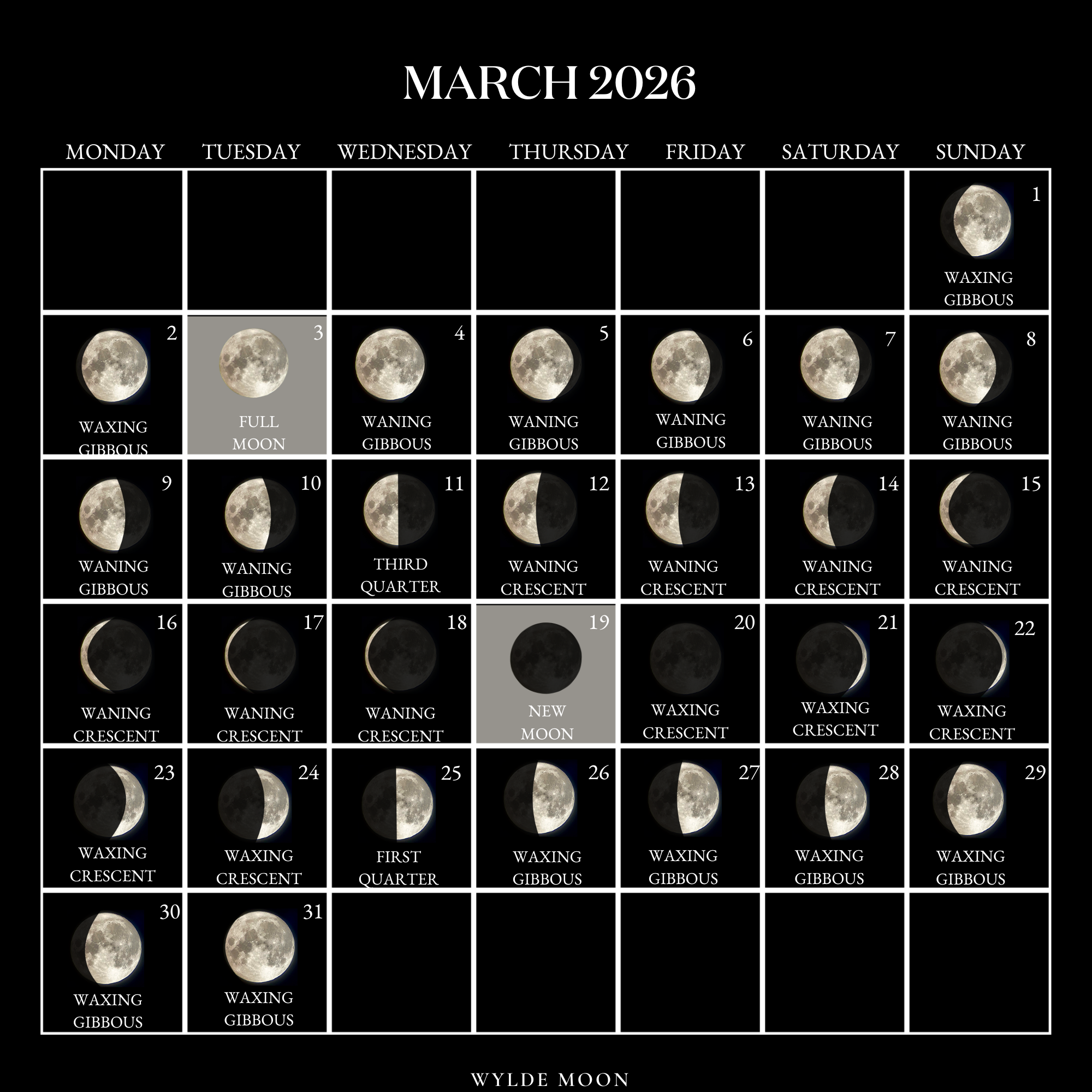
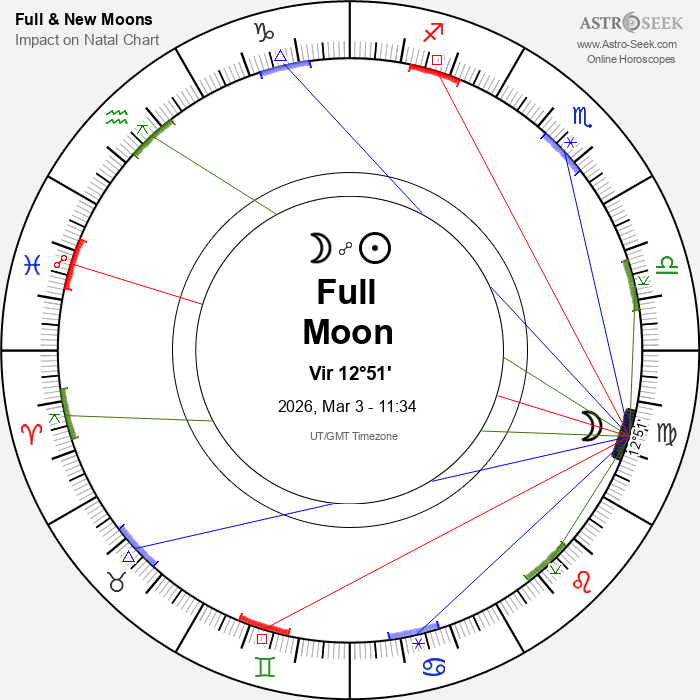
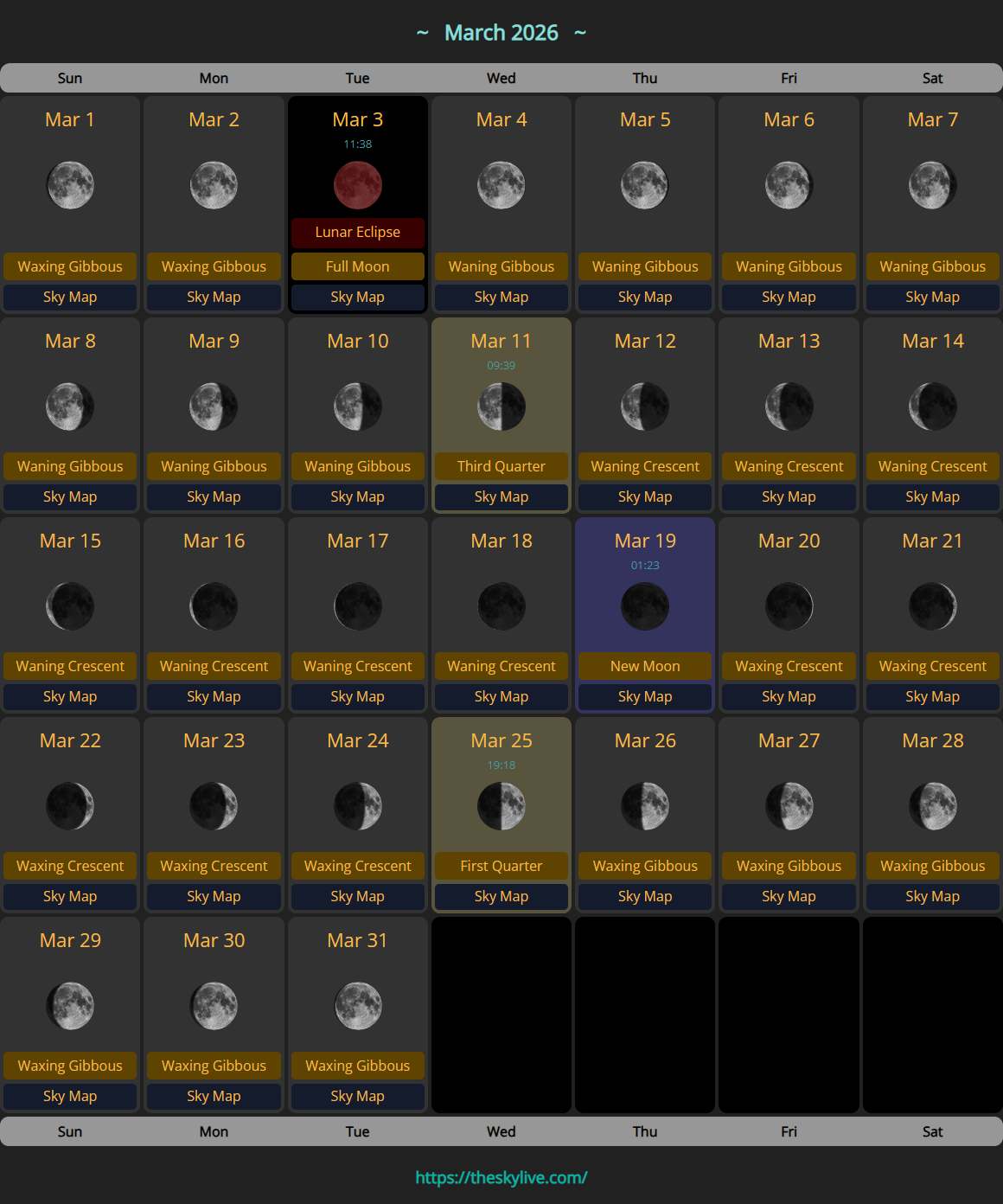
- Date of Full Moon: Tuesday, March 3, 2026
- Peak Illumination (UTC): 12:38 UTC
- Traditional Name: The Worm Moon
- Special Event: Total Lunar Eclipse (visible across much of the Americas)
This isn’t just a full moon; it’s a lunar showstopper. The alignment of the Sun, Earth, and Moon will cast our planet’s shadow across the lunar surface, transforming the bright full moon into a mesmerizing, often reddish, orb. For many, this will be the best chance in 2026 to witness such a profound celestial event.
When to See It: March 2026 Full Moon Peak Times Across the USA
While the exact moment of full illumination is fleeting, the Moon will appear full for about three days centered on this time. However, to catch the precise peak – and especially the lunar eclipse – knowing the specific time for your location is crucial. Here’s a breakdown for major US time zones:
| Time Zone | Peak Full Moon Time (March 3, 2026) |
|---|---|
| UTC (Coordinated Universal Time) | 12:38 |
| EST (Eastern Standard Time) | 07:38 AM |
| CST (Central Standard Time) | 06:38 AM |
| MST (Mountain Standard Time) | 05:38 AM |
| PST (Pacific Standard Time) | 04:38 AM |
| AKST (Alaska Standard Time) | 03:38 AM |
| HST (Hawaii Standard Time) | 02:38 AM |
Important Note: These times indicate the precise moment of 100% illumination. The Moon will appear full to the naked eye for roughly 24 hours before and after these times. However, for the lunar eclipse, timing is everything!
Beyond the Glow: Understanding the March 2026 Full Worm Moon
Every full moon carries a traditional name, often rooted in indigenous cultures and agricultural cycles. The March full moon is no exception, and its moniker tells a story of an awakening world.
What’s in a Name? The “Worm Moon” Explained
The name “Worm Moon” is primarily attributed to Native American tribes, particularly those from the northern and eastern parts of the United States. It refers to the time of year when the ground begins to thaw after winter, bringing earthworms (and other soil-dwelling organisms like beetle larvae) to the surface. For early settlers and indigenous communities, this was a clear sign of spring’s imminent arrival, the return of birds, and the beginning of planting season.
Other traditional names for the March Full Moon include:

- Crow Moon: Indicating the cawing of crows signaling the end of winter.
- Sap Moon: Reflecting the time when maple sap begins to flow, perfect for making syrup.
- Crust Moon: Referring to the crust that forms on top of the deep snow as it thaws by day and freezes by night.
- Lenten Moon: A Christian name, as this full moon often falls during the Lenten season.
No matter what you call it, the March 2026 Full Moon heralds a seasonal transition, a move from the dormancy of winter to the vibrant potential of spring. And this year, it brings with it an extra layer of astronomical drama.
Why This Full Moon is Special: The Total Lunar Eclipse
This is where the March 2026 Full Moon truly shines (or, rather, darkens beautifully). It will be accompanied by a Total Lunar Eclipse. A lunar eclipse occurs when the Earth passes directly between the Moon and the Sun, casting a shadow on the Moon. During a total lunar eclipse, the entire Moon falls within the darkest part of Earth’s shadow, known as the umbra.
What makes this particular event so exciting is its visibility across North and South America. While the East Coast of the US will experience dawn during the deepest phases, the Western US, Alaska, and Hawaii will have an excellent view of the entire totality.
Understanding the Stages of a Total Lunar Eclipse
- Penumbral Eclipse Begins: The Moon enters Earth’s faint outer shadow (the penumbra). It’s very subtle, often hard to notice without keen observation.
- Partial Eclipse Begins: The Moon starts to enter Earth’s dark inner shadow (the umbra). A clear ‘bite’ will appear on the Moon’s edge.
- Total Eclipse Begins: The entire Moon is now within the umbra. This is when the Moon often turns a beautiful coppery red, orange, or even deep brown.
- Maximum Eclipse: The Moon is closest to the center of the umbra, often appearing darkest.
- Total Eclipse Ends: The Moon begins to exit the umbra.
- Partial Eclipse Ends: The Moon fully exits the umbra, but is still in the penumbra.
- Penumbral Eclipse Ends: The Moon completely leaves Earth’s shadow.
March 2026 Total Lunar Eclipse Key Timings (UTC & US Time Zones)
These precise timings will help you plan your viewing experience:
| Event | UTC (March 3, 2026) | EST | CST | MST | PST | AKST | HST |
|---|---|---|---|---|---|---|---|
| Penumbral Eclipse Begins | 08:35 | 03:35 AM | 02:35 AM | 01:35 AM | 12:35 AM | 11:35 PM (Mar 2) | 10:35 PM (Mar 2) |
| Partial Eclipse Begins | 09:50 | 04:50 AM | 03:50 AM | 02:50 AM | 01:50 AM | 12:50 AM | 11:50 PM (Mar 2) |
| Total Eclipse Begins | 11:05 | 06:05 AM | 05:05 AM | 04:05 AM | 03:05 AM | 02:05 AM | 01:05 AM |
| Maximum Eclipse / Full Moon Peak | 11:58 / 12:38 | 06:58 AM / 07:38 AM | 05:58 AM / 06:38 AM | 04:58 AM / 05:38 AM | 03:58 AM / 04:38 AM | 02:58 AM / 03:38 AM | 01:58 AM / 02:38 AM |
| Total Eclipse Ends | 12:51 | 07:51 AM | 06:51 AM | 05:51 AM | 04:51 AM | 03:51 AM | 02:51 AM |
| Partial Eclipse Ends | 14:06 | 09:06 AM | 08:06 AM | 07:06 AM | 06:06 AM | 05:06 AM | 04:06 AM |
| Penumbral Eclipse Ends | 15:21 | 10:21 AM | 09:21 AM | 08:21 AM | 07:21 AM | 06:21 AM | 05:21 AM |
What to Expect Visually During the Eclipse:
During totality, the Moon won’t disappear completely. Instead, it will likely take on a reddish or coppery hue. This phenomenon is due to Rayleigh scattering – the same effect that makes sunsets red. Sunlight that passes through Earth’s atmosphere is filtered, scattering blue light and allowing red light to reach the Moon. The specific shade of red can vary depending on dust and clouds in Earth’s atmosphere at the time of the eclipse.
Visibility Across the USA:
- Western US (PST, MST, AKST, HST): These regions are ideally positioned for an excellent view of the entire total eclipse, occurring well before sunrise. The Moon will be high in the sky during the most dramatic phases.
- Central US (CST): You’ll catch most of the totality, with the Moon getting lower towards the western horizon as the eclipse progresses into its later stages.
- Eastern US (EST): While totality begins around 6:05 AM EST, sunrise for many eastern cities occurs shortly after this, around 6:20-6:30 AM. This means the Moon will be very low on the western horizon and will likely be washed out by the rising sun during the latter part of totality and the partial phases. Observers on the East Coast should aim for a clear western horizon to catch the start of totality.
Your Guide to Experiencing the March 2026 Full Moon & Eclipse
Whether you’re an experienced stargazer or a curious newcomer, witnessing a total lunar eclipse is an unforgettable experience. Here’s how to make the most of it:
Best Practices for Viewing the Full Moon
A full moon, even without an eclipse, is a stunning sight. Here’s how to enhance your viewing:
- Find a Dark Spot: While the full moon is bright, getting away from city lights will always improve clarity and allow you to appreciate the surrounding stars. For the eclipse, darker skies will make the subtle penumbral and partial phases more noticeable, and the reddish hue of totality more vivid.
- Check the Weather: Clear skies are essential. Cloudy nights will obstruct your view. Start checking the forecast a few days in advance.
- Look West (for US East Coast) or Up (for Western US): Know where the Moon will be. If you’re on the East Coast, the Moon will be setting in the west during totality, so find a spot with an unobstructed view of the western horizon. For the West Coast, the Moon will be higher in the sky.
- Bring Binoculars or a Telescope: While the eclipse is visible with the naked eye, binoculars will magnify the view, allowing you to see the Moon’s craters and the subtle shading of Earth’s shadow more clearly. A small telescope will provide even more detail.
- Dress Warmly: Early March mornings can be chilly, especially if you’re outside for an extended period. Bundle up!
- Safety First: Unlike solar eclipses, it is 100% safe to view a lunar eclipse directly with your eyes, binoculars, or a telescope. No special eye protection is needed.
Capturing the Lunar Eclipse: Tips for Astrophotography
Want to immortalize this celestial event? Here are some quick tips for photographing the March 2026 Total Lunar Eclipse:
- Equipment:
- Camera: A DSLR or mirrorless camera with manual controls is ideal.
- Lens: A telephoto lens (200mm or more) will give you a larger image of the Moon. A wide-angle lens can capture the Moon in context with a landscape.
- Tripod: Absolutely essential for sharp images, especially during the darker total phase.
- Remote Shutter Release: Prevents camera shake from pressing the shutter button.
- Settings (Start Point – Adjust as needed):
- Manual Mode: Gives you full control.
- ISO: Start around 400-800 for the partial phases, increasing to 1600-3200+ during totality as the Moon gets much dimmer.
- Aperture: Use a wide aperture (low f-number, e.g., f/5.6 or wider) to let in more light.
- Shutter Speed: This will vary. For the bright full moon, fast (e.g., 1/250s). For totality, you might need several seconds (e.g., 1-4s), hence the tripod. Bracket your shots (take multiple exposures at different settings) to ensure you capture the details.
- Focus: Manual focus is best. Focus on the Moon (or a bright star nearby) then lock it.
- Practice: If possible, practice shooting the full moon before the eclipse night to get a feel for your camera settings.
- Time Lapse: Consider setting up your camera for a time-lapse to capture the entire progression of the eclipse.
The Moon’s Cycle: How Full Moons Work
To truly appreciate the full moon, it helps to understand a bit about its journey. The Moon orbits Earth, and as it does, the amount of its sunlit surface visible from Earth changes. These are the Moon phases.
A full moon occurs when the Moon is on the opposite side of the Earth from the Sun. From our perspective, the entire face of the Moon is illuminated by direct sunlight, appearing as a perfect, bright disk. This alignment happens roughly once every 29.5 days, which is the length of one synodic month – the time it takes for the Moon to cycle through all its phases and return to the same phase. This is why we typically experience one full moon per calendar month, though occasionally, a ‘Blue Moon’ occurs when two full moons fall within the same month.
During a total lunar eclipse, this perfect alignment means the Earth itself momentarily blocks the direct sunlight from reaching the Moon. Instead of full brightness, the Moon basks in the combined effect of all Earth’s sunrises and sunsets, giving it that characteristic red glow.
The Full Moons of 2026: A Quick Look Ahead
While the March 2026 Full Moon with its total lunar eclipse is a definite highlight, 2026 promises several other captivating lunar events. Here’s a quick glance at the full moons throughout the year:
| Month | Date | Traditional Name | Key Detail |
|---|---|---|---|
| January | Saturday, January 3 | Wolf Moon | First full moon of the year |
| February | Sunday, February 1 | Snow Moon | Often the coldest full moon |
| March | Tuesday, March 3 | Worm Moon | Total Lunar Eclipse! |
| April | Thursday, April 2 | Pink Moon | Coincides with early spring blooms |
| May | Friday, May 1 | Flower Moon | Associated with abundant blossoms |
| May (Second Full Moon) | Sunday, May 31 | Blue Moon | Second full moon in a calendar month |
| June | Tuesday, June 30 | Strawberry Moon | Harvest moon for strawberries |
| July | Thursday, July 30 | Buck Moon | Bucks’ antlers in full growth |
| August | Saturday, August 29 | Sturgeon Moon | Best time for sturgeon fishing |
| September | Monday, September 28 | Harvest Moon | Closest to autumnal equinox, aids harvest |
| October | Wednesday, October 28 | Hunter’s Moon | Follows Harvest Moon, ideal for hunting |
| November | Friday, November 27 | Beaver Moon | Time to set beaver traps before winter freeze |
| December | Sunday, December 27 | Cold Moon | Long, cold winter nights |
As you can see, the March 2026 Full Worm Moon truly stands out as the only one accompanied by a total lunar eclipse, making it a must-see event of the year.
Common Questions About the Full Moon & Eclipses
It’s natural to have questions about such magnificent celestial occurrences. Here are answers to some of the most frequently asked questions about full moons and lunar eclipses:
Whether you’re setting your alarm for the early hours or simply planning to glance skyward, the March 3, 2026, Full Worm Moon and Total Lunar Eclipse promises a truly memorable astronomical experience. Mark your calendars, prepare your viewing spot, and get ready to witness the magic of our solar system in action!
n
Frequently Asked Questions
What is the ‘Worm Moon’?
The ‘Worm Moon’ is the traditional name for the full moon in March. It originates from Native American cultures, referring to the time when earthworms and other organisms begin to emerge as the ground thaws, signaling the return of spring.
Will the March 2026 Full Moon be visible from everywhere in the USA?
Yes, the Full Moon itself will be visible across the entire USA, weather permitting. However, the accompanying Total Lunar Eclipse will have varying visibility. Western US, Alaska, and Hawaii will have the best views of totality before sunrise, while the Eastern US will see totality during dawn, potentially obscuring the later stages as the Moon sets.
What makes the March 2026 Full Moon special?
This Full Moon is special because it coincides with a Total Lunar Eclipse. This rare event means the Earth will pass directly between the Sun and Moon, casting a shadow that transforms the Moon into a beautiful reddish orb. It’s the only total lunar eclipse of 2026.

Do I need special equipment to watch a lunar eclipse?
No, you do not need any special equipment to safely view a lunar eclipse. It is perfectly safe to watch with the naked eye. However, binoculars or a small telescope can enhance the experience, allowing you to see more detail on the Moon’s surface and the subtle colors of the eclipse.
What’s the difference between a total and partial lunar eclipse?
During a
Why does the Moon sometimes look reddish during an eclipse?
The reddish hue during a total lunar eclipse is caused by ‘Rayleigh scattering.’ As sunlight passes through Earth’s atmosphere, blue light is scattered away (which is why our sky is blue), allowing red and orange light to bend around Earth and illuminate the Moon. Essentially, you’re seeing the combined effect of all the sunrises and sunsets happening around the Earth at that moment.
Are there any other notable full moons in 2026?
Yes, 2026 will feature a ‘Blue Moon’ on May 31st, meaning there will be two full moons in May (the Flower Moon on May 1st and the Blue Moon on May 31st). While interesting, none of the other full moons in 2026 are accompanied by a total lunar eclipse like the March 3rd event.
