March 2026 Lunar Eclipse: Your Definitive Guide to the Next “Blood Moon” Spectacle
Are you ready for one of nature’s most accessible and breathtaking celestial shows? The March 2026 Lunar Eclipse is set to paint the night sky, transforming our familiar full Moon into a mesmerizing “Blood Moon.” If you’re in the Americas, Asia, or Australia, you’re in for a treat as the Moon dips into Earth’s shadow, offering a stunning visual spectacle that requires no special equipment to enjoy.

Forget complex jargon and hazy timelines. This guide cuts through the noise to give you everything you need to know: when and where to see it, why it turns red, how to best experience it, and what other celestial wonders 2026 has in store. Let’s get you ready for an unforgettable night!
What Exactly is the March 2026 Lunar Eclipse?
At its heart, a lunar eclipse is a cosmic alignment. It happens when the Earth positions itself directly between the Sun and the Moon. When this alignment is perfect, or very close to it, the Earth’s shadow falls upon the Moon.
The March 2026 event is a Total Lunar Eclipse. This means the Moon will pass entirely through the darkest part of Earth’s shadow, called the umbra. Unlike a partial eclipse where only a bite is taken out of the Moon, during a total eclipse, the entire lunar disk will be engulfed, leading to the dramatic “Blood Moon” effect we all love to witness.
This particular eclipse occurs primarily on the evening of March 2nd and early morning of March 3rd, 2026, Universal Time (UT). For many in the United States, the entire spectacle will unfold on the evening of March 2nd.
When and Where Can You See the March 2026 Lunar Eclipse? (Visibility Maps & Key Timings)
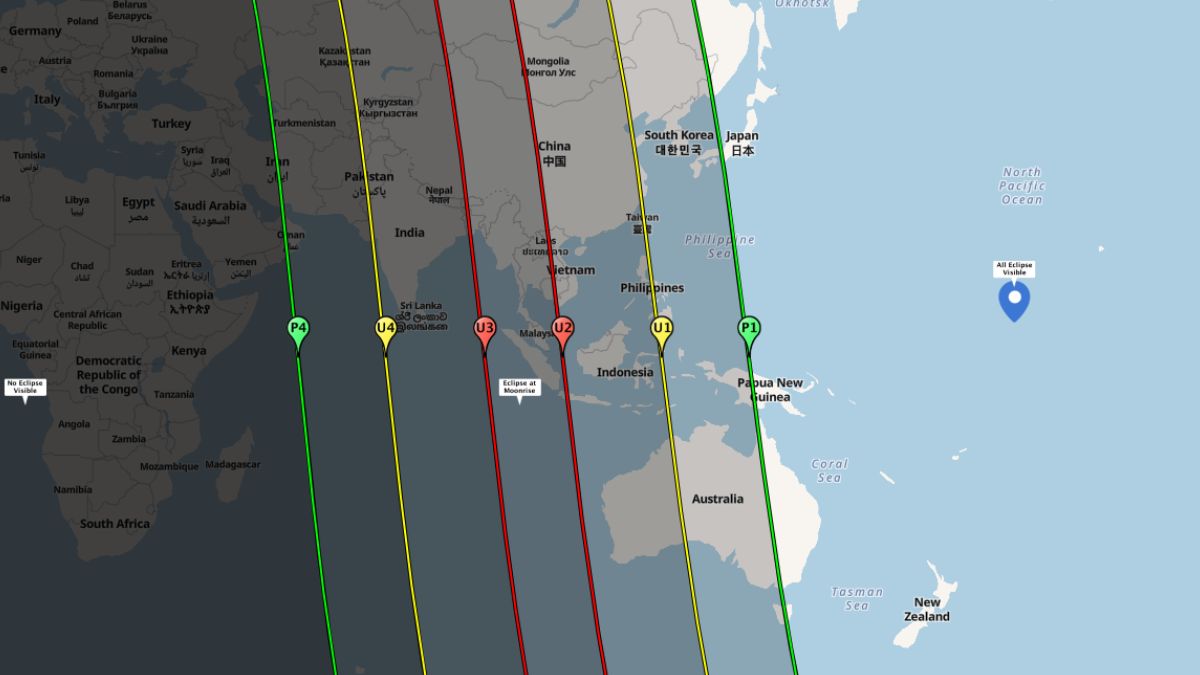
The beauty of a total lunar eclipse is its wide visibility. If the Moon is above your horizon during the event, you’ll have a front-row seat. However, some regions will get a better view of the entirety of the eclipse phases than others.
Global Visibility: Who Gets the Best View?
The March 2026 Total Lunar Eclipse will be visible from a vast portion of the globe:
- Americas: North and South America will have excellent views of most, if not all, phases. This is fantastic news for viewers in the United States, Canada, Mexico, and South American countries.
- Asia: East Asia will witness the eclipse, though some western parts of Asia might see only the later stages as the Moon rises.
- Australia & New Zealand: These regions will also experience the eclipse, with good visibility.
- Antarctica: Parts of the Antarctic continent will also see the event.
Unfortunately, viewers in Africa and most of Europe will largely miss out on this particular event, as the Moon will be below the horizon during the key phases.
USA-Specific Visibility: Prime Viewing Across the States
For those of us in the United States, the March 2026 Lunar Eclipse is perfectly timed for prime evening viewing on Monday, March 2nd, 2026. The total phase will occur relatively early in the evening for Eastern and Central time zones, making it accessible even for younger sky-gazers.
Here’s a breakdown of key timings for major US cities. Remember to adjust for Daylight Saving Time if applicable (though in March, most of the US will have just switched to DST).
| Phase | New York (EST) | Chicago (CST) | Denver (MST) | Los Angeles (PST) |
|---|---|---|---|---|
| Penumbral Eclipse Begins | Mon, Mar 2, 4:09 PM | Mon, Mar 2, 3:09 PM | Mon, Mar 2, 2:09 PM | Mon, Mar 2, 1:09 PM |
| Partial Eclipse Begins | Mon, Mar 2, 5:21 PM | Mon, Mar 2, 4:21 PM | Mon, Mar 2, 3:21 PM | Mon, Mar 2, 2:21 PM |
| Total Eclipse Begins | Mon, Mar 2, 6:24 PM | Mon, Mar 2, 5:24 PM | Mon, Mar 2, 4:24 PM | Mon, Mar 2, 3:24 PM |
| Greatest Eclipse (Mid-Totality) | Mon, Mar 2, 7:04 PM | Mon, Mar 2, 6:04 PM | Mon, Mar 2, 5:04 PM | Mon, Mar 2, 4:04 PM |
| Total Eclipse Ends | Mon, Mar 2, 7:43 PM | Mon, Mar 2, 6:43 PM | Mon, Mar 2, 5:43 PM | Mon, Mar 2, 4:43 PM |
| Partial Eclipse Ends | Mon, Mar 2, 8:46 PM | Mon, Mar 2, 7:46 PM | Mon, Mar 2, 6:46 PM | Mon, Mar 2, 5:46 PM |
| Penumbral Eclipse Ends | Mon, Mar 2, 9:59 PM | Mon, Mar 2, 8:59 PM | Mon, Mar 2, 7:59 PM | Mon, Mar 2, 6:59 PM |
Note: All times are local for March 2nd, 2026, and assume standard Daylight Saving Time in effect. Please check your local listings closer to the date. For parts of Alaska and Hawaii, the eclipse will occur earlier in the afternoon or evening.
Understanding the Eclipse Timeline: A Step-by-Step Guide
A lunar eclipse isn’t a sudden event; it’s a gradual celestial dance. Here’s what you can expect, phase by phase, with Universal Time (UT) for reference:

| Phase of Eclipse | Universal Time (UT) | What You’ll See |
|---|---|---|
| Penumbral Eclipse Begins | Mar 2, 21:09 UT | The Moon enters Earth’s faint outer shadow (penumbra). This phase is often hard to discern with the naked eye; the Moon may just appear slightly dimmer. |
| Partial Eclipse Begins | Mar 2, 22:21 UT | The Moon begins to enter the Earth’s darker inner shadow (umbra). A noticeable ‘bite’ will appear on the Moon’s edge, growing steadily larger. |
| Total Eclipse Begins | Mar 2, 23:24 UT | The entire Moon is now within the umbra. This is when the “Blood Moon” effect becomes fully apparent, as the Moon takes on a red, orange, or coppery hue. |
| Greatest Eclipse (Mid-Totality) | Mar 3, 00:04 UT | The peak of the eclipse, when the Moon is deepest within the Earth’s shadow, displaying its most intense coloration. |
| Total Eclipse Ends | Mar 3, 00:43 UT | The Moon begins to exit the umbra. A sliver of bright moonlight will reappear on one edge, growing larger. |
| Partial Eclipse Ends | Mar 3, 01:46 UT | The Moon has fully exited the umbra, but is still within the penumbra. The Moon looks normal again to the casual observer. |
| Penumbral Eclipse Ends | Mar 3, 02:59 UT | The Moon completely leaves Earth’s shadow. The eclipse officially concludes. |
The Science Behind the Spectacle: Why a “Blood Moon”?
It sounds dramatic, and it certainly looks it, but the “Blood Moon” isn’t a supernatural event. It’s pure physics at play, a beautiful demonstration of how our atmosphere works.
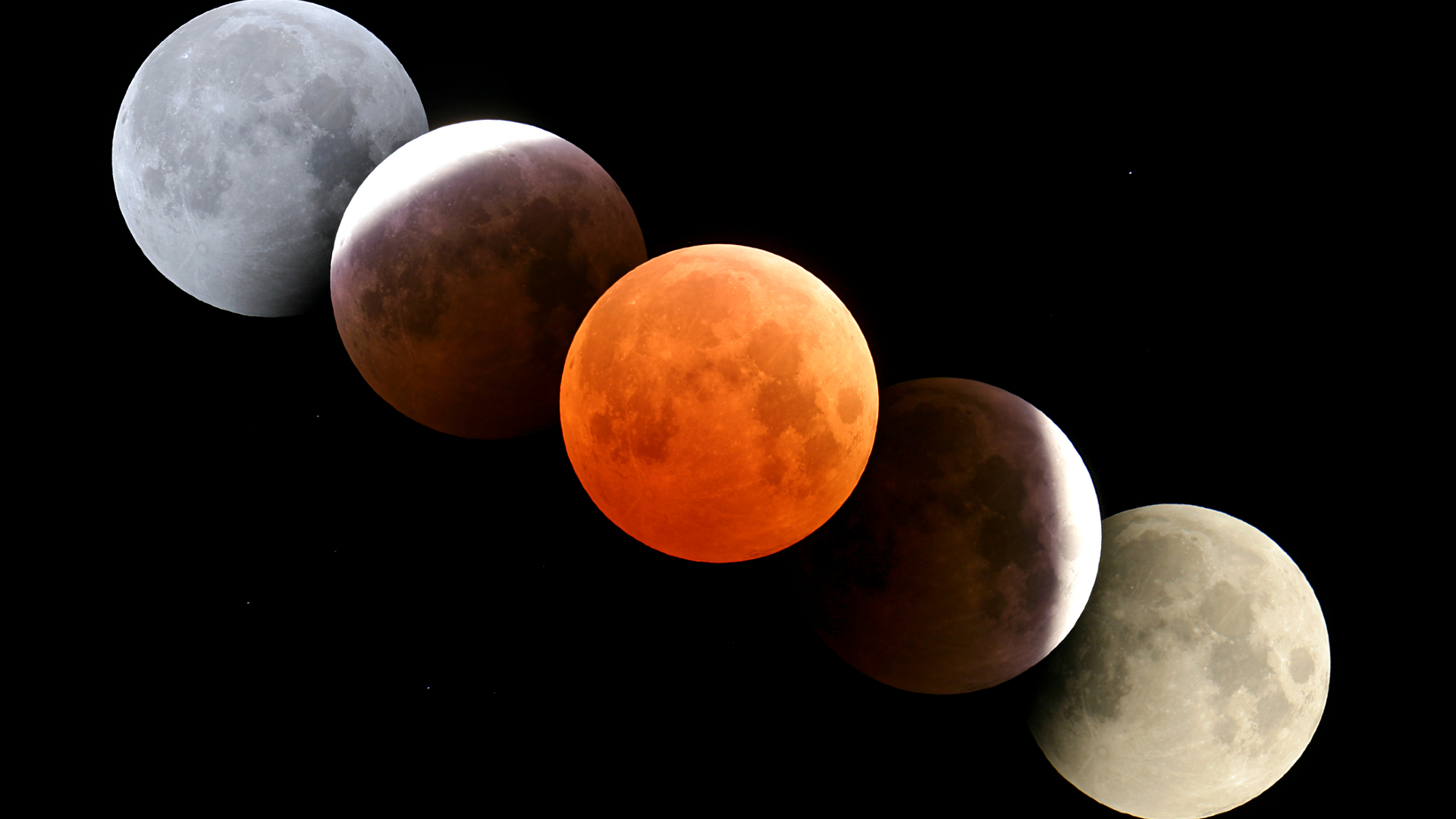
When the Moon is fully immersed in Earth’s shadow during a total lunar eclipse, it doesn’t vanish completely. Instead, it takes on a range of colors, from a deep rust to a bright orange, earning it the evocative nickname “Blood Moon.” Here’s why:
- Earth’s Atmosphere Acts Like a Lens: Sunlight travels towards Earth. As it passes through our planet’s atmosphere, it bends, or “refracts,” much like light passing through a prism.
- Blue Light Gets Scattered: Our atmosphere is very efficient at scattering blue light. This is why our sky appears blue during the day. This phenomenon is called Rayleigh scattering.
- Red Light Gets Through: Red and orange wavelengths of light are less scattered by Earth’s atmosphere. They can pass through more easily, bending around the edges of our planet.
- Illuminating the Moon: This refracted red and orange light is then cast onto the Moon’s surface, illuminating it with those warm, fiery hues even though it’s technically in shadow.
The exact shade of red or orange can vary greatly from one eclipse to another. Factors like dust, clouds, and volcanic ash in Earth’s atmosphere can significantly impact how much light filters through and how much blue light is scattered. A very clear atmosphere might result in a brighter, more orange Moon, while a dustier atmosphere could lead to a darker, deeper red. This variability adds another layer of wonder to each eclipse!
How to Prepare for the March 2026 Lunar Eclipse: Your Viewing Checklist
One of the greatest joys of a lunar eclipse is its accessibility. You don’t need expensive gear or specialized knowledge to appreciate it. Here’s how to make the most of the March 2026 event:
No Special Equipment Needed (But Binoculars Help!)
- Your Eyes are Enough: Seriously, you can step outside, look up, and enjoy the show! Unlike solar eclipses, lunar eclipses are perfectly safe to view directly with the naked eye. There’s no risk of eye damage.
- Enhance the View with Binoculars: If you have a pair of binoculars (even basic ones like 7×50 or 10×50), they will dramatically improve your experience. You’ll be able to see the subtle colors, surface features, and the gradual progression of the shadow with incredible detail. It’s like going from a regular TV to an IMAX screen!
- Telescopes for Detail: For the truly enthusiastic, a small telescope will reveal even more intricate details of the Moon’s surface and the delicate interplay of light and shadow.
Finding the Best Viewing Location
Your location can make a big difference in how well you experience the eclipse:
- Seek Dark Skies: While a lunar eclipse is bright enough to be seen from urban areas, getting away from significant light pollution will make the colors more vibrant and allow you to see the Moon’s features more clearly.
- Find an Open Horizon: Ensure you have an unobstructed view of the eastern sky (when the Moon rises) and then the southern sky as it progresses. Check for tall buildings, trees, or mountains that might block your view.
- Check the Weather: This is crucial! Clear skies are essential. Start checking the forecast a few days before March 2nd. Have a backup indoor activity ready (like a livestream) just in case clouds roll in.
- Dress for the Weather: Even if it’s March, evenings can get chilly. Dress in layers, bring a blanket, and maybe a warm drink to stay comfortable during the several-hour-long event.
Photography Tips for the Lunar Eclipse
Want to capture the Blood Moon? Here are some tips, whether you’re using a smartphone or a dedicated camera:

- Smartphone Photography (Beginner-Friendly):
- Stability is Key: Use a tripod or lean your phone against something stable. Any movement will blur the shot.
- Use Zoom Sparingly: Digital zoom often degrades image quality. Optical zoom is better if your phone has it.
- Night Mode/Pro Mode: If your phone has a “Night Mode” or a “Pro Mode” that allows manual control over ISO and shutter speed, experiment with these. Start with a lower ISO (e.g., 100-400) and a shutter speed around 1-5 seconds, adjusting as needed.
- External Shutter Release: Use a timer or a remote shutter to avoid camera shake from pressing the button.
- DSLR/Mirrorless Camera Photography (More Advanced):
- Tripod: Absolutely essential for sharp images.
- Long Lens: A telephoto lens (200mm or more) will help fill the frame with the Moon.
- Manual Mode: You’ll need full control. Start with ISO 400-800, aperture around f/8, and shutter speeds ranging from 1/100th of a second (for the bright partial phases) down to 1-4 seconds (for the dim totality). Bracket your exposures to get the best result.
- Remote Shutter Release: Minimizes camera shake.
- Focus Manually: Autofocus can struggle in low light. Switch to manual focus and focus directly on the Moon.
Making it an Event: Viewing Parties & Community
An astronomical event is always more fun when shared! Consider these options:
- Host Your Own: Invite friends and family over. Set up a comfortable viewing spot, maybe some snacks, and share the wonder together.
- Join Local Astronomy Clubs: Many astronomy clubs organize public viewing events for eclipses. These are fantastic opportunities to use professional-grade telescopes and learn from experienced astronomers. Check online for clubs in your area.
- Check Park & Museum Events: Local parks, science museums, and observatories often host special viewing parties with expert commentary.
The March 2026 Eclipse in Context: What Else to Expect in 2026?
The March 2026 Total Lunar Eclipse holds a special place, not just as a standalone event, but also within the broader celestial calendar. It occurs when the Moon is in the constellation Virgo and is often associated with the “Worm Moon,” the traditional name for March’s full Moon, signaling the softening of the ground and the return of earthworms as spring approaches.
Astronomically, this eclipse is part of Saros series 133. A Saros series is a family of eclipses that share similar geometry and occur approximately every 18 years, 11 days, and 8 hours. This predictability allows astronomers to forecast eclipses centuries in advance!
2026 is shaping up to be an excellent year for sky-watchers beyond just this lunar eclipse. While the specifics of all events are beyond this guide, keep an eye out for other celestial highlights:
- January’s Supermoon: Another full Moon that appears slightly larger and brighter than average.
- May’s Blue Moon: The second full Moon in a single calendar month (though not blue in color!).
- August’s Partial Lunar Eclipse: A smaller, but still noticeable, lunar event.
- November & Christmas Eve Supermoons: More opportunities to see a noticeably large full Moon.
While solar eclipses require strict eye protection and careful planning, lunar eclipses are a gentle invitation to simply look up and marvel. The March 2026 Blood Moon is a perfect opportunity to connect with the cosmos, so mark your calendars, prepare your viewing spot, and get ready for a truly spectacular night!
Frequently Asked Questions
What is the March 2026 Lunar Eclipse?
The March 2026 Lunar Eclipse is a total lunar eclipse where the Moon passes entirely through Earth’s darkest shadow (the umbra), causing it to take on a reddish hue, commonly known as a “Blood Moon.” It will occur primarily on the evening of March 2nd and early morning of March 3rd, 2026 (UT).
When can I see the March 2026 Lunar Eclipse in the USA?
For most of the United States, the total lunar eclipse will be visible on the evening of Monday, March 2nd, 2026. The total phase begins around 6:24 PM EST (New York), 5:24 PM CST (Chicago), 4:24 PM MST (Denver), and 3:24 PM PST (Los Angeles), peaking about 40 minutes later.
Why is it called a “Blood Moon”?
The “Blood Moon” effect happens because sunlight passing through Earth’s atmosphere is scattered, with blue light scattered away and red/orange light refracted (bent) onto the Moon’s surface. The more dust and clouds in Earth’s atmosphere, the redder the Moon may appear.
Do I need special equipment to view the eclipse?
No, you don’t need any special equipment! Lunar eclipses are completely safe to view directly with the naked eye. However, binoculars or a small telescope will enhance the experience, allowing you to see more detail and richer colors.
Is it safe to look at a lunar eclipse?
Absolutely! Unlike solar eclipses, which require special eye protection, lunar eclipses are perfectly safe to observe directly without any filters or protective eyewear. You can look at the Moon for as long as you like during all phases of the eclipse.
What other celestial events are expected in 2026?
2026 is expected to be a great year for sky-watchers. Besides this total lunar eclipse, there will be other notable events including a Supermoon in January, a Blue Moon in May, a partial lunar eclipse in August, and additional Supermoons in November and on Christmas Eve.
What is the ‘Worm Moon’ connection?
The full Moon in March is traditionally known as the ‘Worm Moon,’ named for the time of year when the ground begins to soften, and earthworms reappear, signaling the onset of spring. The March 2026 total lunar eclipse coincides with this traditional full Moon.
