Is March 31, 2026, a Holiday in India? Your Essential Guide to Mahavir Jayanti & 2026 Indian Holidays
Got a keen eye on your calendar for March 31, 2026, wondering if it’s a holiday in India? You’re in the right place, because the answer is a resounding yes, for many parts of India. March 31, 2026, marks Mahavir Jayanti, a hugely significant day for Jains across the country.

But here’s the kicker: holidays in India aren’t always a simple, nationwide affair. What’s a public holiday in one state might be a regular working day in another. This guide cuts through the confusion, giving you the definitive scoop on Mahavir Jayanti 2026 and other crucial observances around that time. Whether you’re managing a business with Indian partners, planning an exotic trip, or simply curious about India’s vibrant cultural calendar, understanding these nuances is essential.
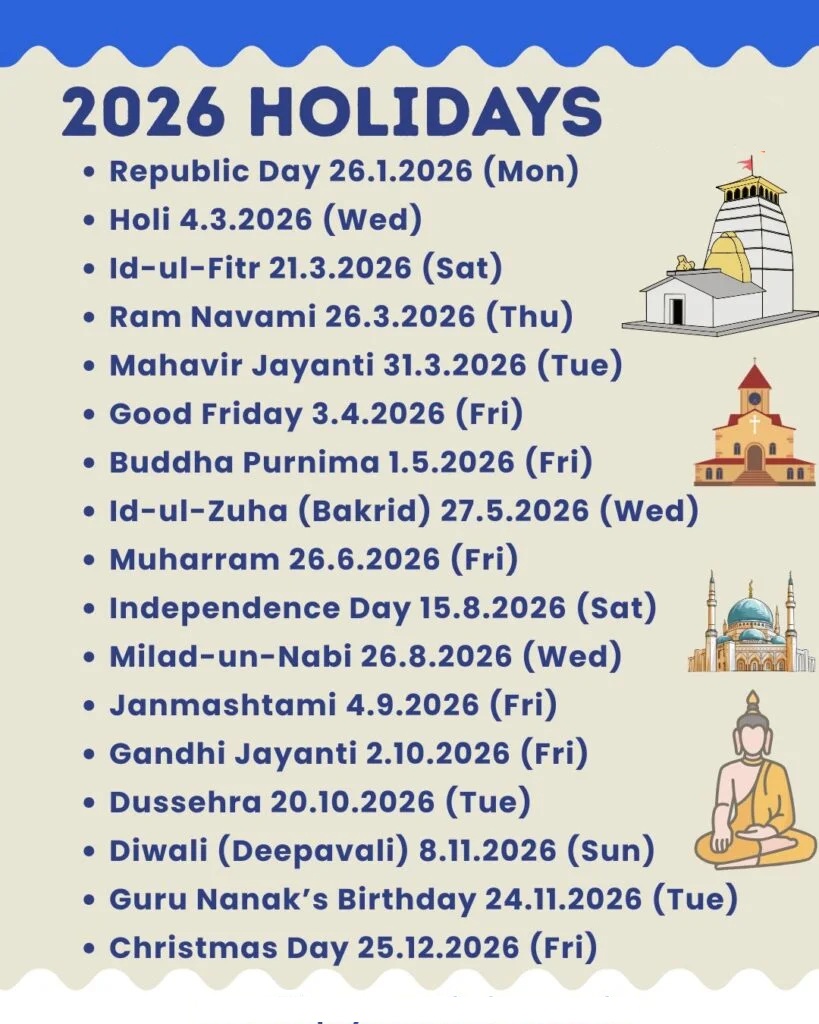
Let’s dive in and decode the 2026 Indian holiday calendar, especially with a focus on March 31st.
March 31, 2026: Unpacking Mahavir Jayanti in India
So, we’ve established that March 31, 2026, is indeed a holiday in many Indian states due to Mahavir Jayanti. But what exactly does that mean, and why is it celebrated?
The Core Question Answered: What is Mahavir Jayanti?
Mahavir Jayanti celebrates the birth of Lord Mahavir, the 24th and last Tirthankara (spiritual teacher) of Jainism. Born in 599 BC (some scholars say 540 BC), Mahavir played a pivotal role in reforming and revitalizing the ancient Jain philosophy. His teachings emphasize non-violence (Ahimsa), truth (Satya), non-stealing (Achaurya), chastity (Brahmacharya), and non-possessiveness (Aparigraha). These principles form the bedrock of Jainism and continue to influence millions today.
On Mahavir Jayanti, Jains engage in various spiritual activities. Devotees visit Jain temples, offer prayers, participate in processions (known as Rath Yatras) with idols of Lord Mahavir, and listen to sermons about his life and teachings. Charitable acts, meditations, and fasting are also common. It’s a day of deep reflection, peace, and reaffirming the core tenets of Jainism.
Holiday Status: Gazetted, State, or Restricted?
Understanding Indian holidays requires a quick lesson in their classification. This is where many people, especially those outside India, get tripped up. Not all holidays are created equal, and their impact varies significantly.
Here’s a breakdown:
- Gazetted Holidays (Compulsory Holidays): These are mandatory holidays declared by the Central Government. All Central Government offices, banks, and public sector undertakings observe these. Many state governments also adopt these. Examples include Republic Day, Independence Day, and Gandhi Jayanti.
- Restricted Holidays (Optional Holidays): These are a list of holidays from which Central Government employees are allowed to choose a limited number (usually two or three) to observe. Private sector companies may also offer a similar system or simply operate as usual. These are not mandatory closures for all.
- State-Specific Public Holidays: These holidays are declared by individual state governments and are only observed within that particular state or Union Territory. Mahavir Jayanti often falls into this category, meaning its observance can vary significantly from one state to another.
For Mahavir Jayanti on March 31, 2026, it is predominantly observed as a State-Specific Public Holiday in many states. While it might appear on some lists as a Central Government ‘Restricted Holiday’, its impact as a full public holiday (meaning widespread closures) is mostly determined at the state level. This distinction is crucial for planning.
Here’s a quick reference table for understanding these categories:
| Holiday Type | Description | Impact Example |
|---|---|---|
| Gazetted Holiday | Mandatory holiday for Central Government offices, banks, and often adopted by state governments. Public sector units typically close. | Banks, post offices, central government agencies closed nationwide. |
| Restricted Holiday (Optional) | Employees can choose a limited number of these. Not mandatory closures for all organizations. | Private businesses may operate as usual; some employees take leave. |
| State-Specific Public Holiday | Declared by individual state governments. Observance varies greatly by region. | Only offices and businesses in the declaring state observe the holiday. Banks in that state may close. |
Which States Observe Mahavir Jayanti as a Public Holiday?
While the exact list can sometimes have minor variations, Mahavir Jayanti is widely observed as a public holiday in states with significant Jain populations or historical Jain connections. This means that government offices, schools, and many businesses, including banks, will be closed in these regions.
Key states and Union Territories where Mahavir Jayanti (March 31, 2026) is typically observed as a public holiday include:
- Bihar: As the birthplace of Lord Mahavir, it holds immense significance.
- Delhi: The capital city often observes this as a public holiday.
- Gujarat: Home to a large Jain community.
- Haryana
- Jharkhand
- Madhya Pradesh
- Punjab
- Rajasthan: Another state with a strong Jain presence.
- Uttar Pradesh
In other states like Maharashtra, Karnataka, and Odisha, it might be observed in certain districts or be considered a restricted holiday for some sectors rather than a full state-wide public holiday. Always check local government calendars for the most precise information if you have specific interests in these regions.
Here’s a snapshot of Mahavir Jayanti’s typical observance across key states:
| State/Union Territory | Mahavir Jayanti (March 31, 2026) | General Observance Level |
|---|---|---|
| Bihar | Public Holiday | High |
| Delhi | Public Holiday | High |
| Gujarat | Public Holiday | High |
| Haryana | Public Holiday | High |
| Jharkhand | Public Holiday | High |
| Karnataka | Public Holiday | Moderate (often optional for some sectors) |
| Madhya Pradesh | Public Holiday | High |
| Maharashtra | Public Holiday | Moderate (some areas, some sectors) |
| Odisha | Public Holiday | Moderate (some areas, some sectors) |
| Punjab | Public Holiday | High |
| Rajasthan | Public Holiday | High |
| Uttar Pradesh | Public Holiday | High |
| West Bengal | Restricted/Optional | Low (often restricted/optional) |
| Other States | Varies | Check local calendars |
Beyond March 31: A Look at Other Important Indian Holidays in March & Early April 2026
While Mahavir Jayanti is your primary concern for March 31st, it’s wise to consider the broader holiday landscape around that time. March and early April 2026 are packed with several other significant observances that could impact your plans.
Key Gazetted Holidays in March 2026
Beyond Mahavir Jayanti, two other major Gazetted Holidays fall in March 2026, meaning they’ll have a nationwide impact on central government operations and banking:
- March 21, 2026 (Saturday): Ramzan Id (Eid-ul-Fitr)
- This is a major Islamic festival marking the end of Ramadan, the holy month of fasting. It’s a joyful occasion of feasting, prayer, and charity. Being a Gazetted Holiday, you can expect widespread closures of central government offices and banks across India.
- Note on Tentative Dates: Islamic holidays are based on the lunar calendar, and their exact dates depend on the sighting of the moon. While March 21 is the tentative date, slight variations are possible. Always confirm closer to the date.
- March 26, 2026 (Thursday): Rama Navami
- This Hindu festival celebrates the birth of Lord Rama, the seventh avatar of Vishnu. It’s marked by special prayers, devotional singing (bhajans), and fasting. Temples are beautifully decorated. As a Gazetted Holiday, anticipate nationwide closures of central government bodies and banks.
Significant State-Specific Holidays in March 2026 (Other than Mahavir Jayanti)
March also sees the celebration of Holi, one of India’s most vibrant and joyous festivals, although its primary dates for 2026 fall earlier in the month and can vary regionally:
- March 3, 2026 (Tuesday): Holi (Doljatra)
- Observed primarily in West Bengal and Odisha, this is often the day before the main Holi celebrations in other parts of India.
- March 4, 2026 (Wednesday): Holi (Dhuleti/Second Day)
- The main day of Holi in many North Indian states, where people play with colors. While not a Gazetted Holiday, it’s widely observed as a state holiday in states like Gujarat, Rajasthan, and Uttar Pradesh. Businesses and public services will likely be closed in these regions.
Other regional festivals might occur, so if your plans are concentrated in a specific state, it’s always prudent to consult the local state government’s holiday list.
What to Expect in Early April 2026?
Just after March, April kicks off with a couple of key observances:
- April 1, 2026 (Wednesday): Annual Bank Closing (Bank Holiday)
- This is a unique bank holiday observed almost nationwide, where banks close for annual account closure activities. While not a general public holiday, it’s crucial for anyone needing banking services.
- April 3, 2026 (Friday): Good Friday
- A Christian holiday commemorating the crucifixion of Jesus Christ. This is a Gazetted Holiday, leading to nationwide closures of central government offices and banks.
Here’s a summary of the critical holidays around March 31, 2026:

| Date | Day | Holiday Name | Type of Holiday | Key States/Regions (if applicable) |
|---|---|---|---|---|
| March 3 | Tuesday | Holi (Doljatra) | State-Specific/Restricted | West Bengal, Odisha (Tentative) |
| March 4 | Wednesday | Holi (Dhuleti) | State-Specific/Restricted | Gujarat, Rajasthan, UP (Tentative) |
| March 21 | Saturday | Ramzan Id (Eid-ul-Fitr) | Gazetted Holiday (Tentative) | Nationwide (Central Govt.) |
| March 26 | Thursday | Rama Navami | Gazetted Holiday | Nationwide (Central Govt.) |
| March 31 | Tuesday | Mahavir Jayanti | State-Specific/Public Holiday | Bihar, Delhi, Gujarat, Haryana, Jharkhand, MP, Punjab, Rajasthan, UP, etc. |
| April 1 | Wednesday | Annual Bank Closing (Bank Holiday) | State-Specific (Banks Only) | Nationwide (Banks Only) |
| April 3 | Friday | Good Friday | Gazetted Holiday | Nationwide (Central Govt.) |
Practical Implications for Those in the USA: Why You Should Care About Indian Holidays
You might be sitting in the USA, wondering why a holiday in India should be on your radar. Trust me, it matters more than you think, especially with our increasingly connected world. Here’s why:

For Businesses with Indian Operations or Partners
If your business relies on teams, vendors, or partners in India, knowing their holiday schedule isn’t just a courtesy; it’s a strategic necessity. Missing this information can lead to:
- Communication Delays: Expect slower response times or complete radio silence on public holidays. This isn’t laziness; offices are genuinely closed.
- Supply Chain Impacts: If your supply chain involves Indian manufacturing or logistics, closures due to holidays can impact production schedules, shipping, and delivery timelines.
- Meeting & Project Planning: Scheduling crucial calls, virtual meetings, or project deadlines without accounting for holidays can lead to frustration, missed targets, and a perception of disorganization.
- Client & Customer Service: If you offer support or services to customers in India, you need to adjust your staffing or inform customers about potential service interruptions during holidays.
Your takeaway: Proactive planning around these dates can save you headaches and ensure smoother international operations. Always cross-reference the holiday calendar with your team’s specific location in India.

For Travelers Planning a Trip to India
India is an incredible travel destination, but visiting during a major holiday without knowing can be a mixed bag. While some holidays offer unique cultural experiences, others might pose logistical challenges:
- Attraction Closures: Government museums, historical sites, and even some private businesses might be closed, especially on Gazetted or major state holidays like Mahavir Jayanti.
- Transport Considerations: Trains, buses, and even domestic flights can be heavily booked around major holidays as people travel to their hometowns. Roads might be busier, leading to travel delays.
- Accommodation: Hotels, especially in popular tourist destinations or pilgrim sites, can see increased demand and higher prices.
- Cultural Experiences: On the flip side, being in India during a festival like Mahavir Jayanti or Holi can offer unparalleled opportunities to witness vibrant traditions and celebrations firsthand. Just be prepared for crowds and potential disruptions.
Your takeaway: If you’re traveling, plan your itinerary with holidays in mind. Research specific closures for the attractions you wish to visit and book transportation and accommodation well in advance.
For the Indian Diaspora in the USA
For individuals of Indian origin living in the USA, knowing about holidays like Mahavir Jayanti keeps you connected to your roots and culture. It’s a chance to:
- Connect with Family: Be mindful of when family members in India might be observing a holiday, allowing you to plan calls or virtual celebrations without interrupting their observances.
- Cultural Preservation: Participate in local community events, temple services, or family gatherings in the USA that celebrate these Indian festivals.
- Educate & Share: Use these occasions to teach younger generations about their heritage and the significance of various Indian traditions.
Your takeaway: Even from afar, these holidays offer a wonderful opportunity to maintain cultural ties and celebrate your heritage.
Navigating Indian Holidays: Tips for Seamless Planning
With India’s rich tapestry of cultures and religions, its holiday calendar is naturally complex. But with a bit of foresight, you can navigate it with ease:
- Verify Holiday Status with Local Sources: Always cross-reference national lists with specific state government calendars or local business schedules for the most accurate information. The nuance between Gazetted, Restricted, and State holidays is key.
- Plan Communications in Advance: If you have business dealings, schedule important emails, calls, or deadlines knowing that there might be non-working days. Proactive communication goes a long way.
- Book Travel and Accommodation Early: Especially around major national or regional festivals, demand for flights, trains, and hotels skyrockets. Secure your bookings well in advance to avoid last-minute stress and higher prices.
- Build Buffer Time: Whether it’s for business projects or travel itineraries, always add a buffer for unforeseen delays that might arise due to holiday-related closures or increased congestion.
- Embrace the Cultural Experience: Don’t view holidays solely as disruptions. They are windows into the soul of India. If you find yourself in India during a festival, try to participate respectfully and enjoy the unique atmosphere!
The Cultural Tapestry: Understanding India’s Diverse Festivals
India’s diverse holiday calendar is a direct reflection of its incredible cultural and religious variety. With influences from Hinduism, Islam, Christianity, Sikhism, Buddhism, Jainism, and many indigenous traditions, almost every month brings a reason for celebration. This isn’t just about taking a day off; it’s about communities coming together, reaffirming beliefs, sharing joy, and keeping ancient traditions alive.
From the vibrant colors of Holi to the spiritual solemnity of Mahavir Jayanti, each holiday offers a unique glimpse into the heart of India. Understanding these observances not only helps with practical planning but also deepens your appreciation for one of the world’s most fascinating nations.
So, now you’re well-equipped to understand the significance of March 31, 2026, as Mahavir Jayanti in India, and how it fits into the broader 2026 holiday landscape. Plan wisely, and enjoy the rich experiences India has to offer, whether from afar or up close!
Frequently Asked Questions
Is March 31, 2026, a public holiday in all of India?
No, March 31, 2026, is Mahavir Jayanti, which is predominantly observed as a public holiday in many specific Indian states, particularly those with significant Jain populations, but not uniformly across the entire country. It’s often a state-specific holiday or a Central Government Restricted Holiday.
What is Mahavir Jayanti and why is it celebrated?
Mahavir Jayanti celebrates the birth of Lord Mahavir, the 24th and last Tirthankara of Jainism. Jains observe this day to honor his teachings of non-violence, truth, and asceticism. It’s a day of prayers, temple visits, processions, and reflection on Jain principles.
How do Gazetted Holidays differ from State-Specific Holidays in India?
Gazetted Holidays are mandatory closures for central government offices and banks nationwide, declared by the Central Government. State-Specific Holidays are declared by individual state governments and are only observed within that particular state, impacting local government offices, schools, and businesses in that region.
What other significant holidays fall in March and early April 2026 in India?
Besides Mahavir Jayanti on March 31st, March 2026 also includes Ramzan Id (tentative, March 21) and Rama Navami (March 26), both Gazetted Holidays. Early April 2026 sees the Annual Bank Closing (April 1) and Good Friday (April 3), another Gazetted Holiday.
How might Indian holidays impact businesses in the USA with Indian partners?
Indian holidays can lead to communication delays, potential disruptions in supply chains, and require adjustments to meeting and project schedules. It’s crucial for USA businesses to be aware of these dates to ensure smooth operations and avoid misunderstandings.
Should travelers to India be concerned about holidays like Mahavir Jayanti?
Yes, travelers should be aware. Holidays can lead to closures of tourist attractions, increased crowds, and higher demand for transportation and accommodation. However, they also offer unique opportunities to experience India’s vibrant cultural celebrations. Planning ahead is key.
